A well-designed term sheet can make a complicated mortgage proposal easier to understand because it places important information in predictable sections. Instead of searching through emails, spreadsheets, notes, and preliminary calculations, the parties can review the proposed loan amount, interest rate, term, repayment structure, collateral, fees, conditions, and other material points in one document.
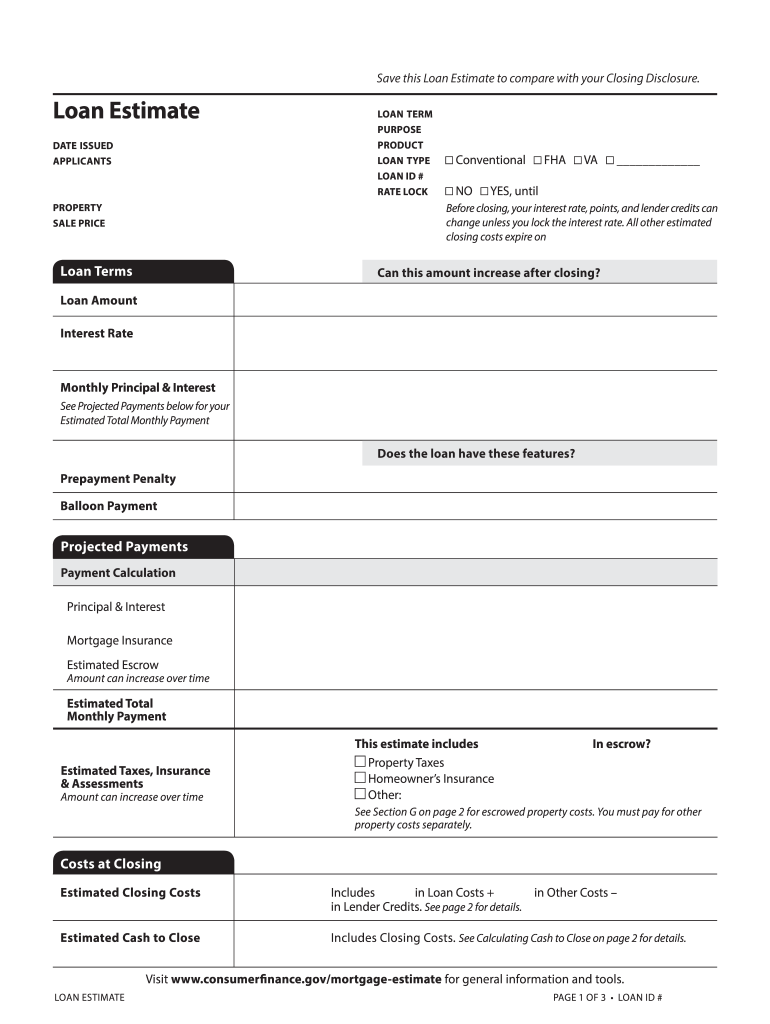
It is important, however, to distinguish a term sheet from formal loan documents and standardized mortgage disclosures. In the United States, for example, a Loan Estimate is a standardized three-page disclosure that lenders generally provide within three business days after receiving a mortgage application containing the required information. A term sheet may be useful for negotiation and organization, but it does not replace legally required disclosures or final contractual documents.
The best template therefore combines flexibility with discipline. It should be easy to edit, but it should also make missing information obvious. It should support comparisons between offers without implying that an example number is an actual quote, approval, or binding commitment.
This guide explains how to build and use a mortgage term sheet format Template, what sections belong in it, how to adapt it for Word, Excel, Google Docs, and PDF workflows, how to organize fees and payment calculations, and how to avoid common documentation mistakes.
What Is a Mortgage Term Sheet?
A mortgage term sheet is a preliminary summary of proposed financing terms. It normally identifies the parties, property, loan structure, pricing, repayment requirements, collateral, fees, conditions, and important transaction assumptions.
The document is especially useful during the period between an initial financing discussion and the preparation of definitive documents. A lender can use it to communicate a proposed structure, while a borrower can use it to understand what is being offered and identify terms that require clarification or negotiation.
A term sheet can be relatively simple for a residential transaction or considerably more detailed for commercial real estate financing. Commercial transactions may include construction requirements, reserves, debt-service coverage requirements, guarantees, environmental conditions, leasing requirements, insurance requirements, reporting covenants, and detailed closing conditions.
In many situations, the term sheet is not intended to be the final legal agreement. Whether particular provisions are binding depends on the document’s language and applicable law. A professional template should therefore clearly distinguish proposed business terms from binding provisions such as confidentiality, exclusivity, expense reimbursement, or governing-law clauses when those provisions are intentionally included.
The most useful mortgage term sheet format Template is not necessarily the longest one. Its value comes from making the material economics and conditions visible, consistent, and easy to compare.
Why Use a Mortgage Term Sheet Format Template?
Starting with a template reduces the risk of forgetting important categories of information. A blank page encourages inconsistent organization, while a structured template prompts the preparer to consider the same categories for every proposed loan.
Templates also improve communication. A borrower may focus on the interest rate and monthly payment, while a lender may focus on collateral, loan-to-value, reserves, and conditions precedent. A standardized document gives both sides a shared framework for reviewing the transaction.
Another advantage is comparison. If several lenders provide proposals using different layouts, it can be difficult to identify the real differences. A standardized internal term sheet can normalize the information into common fields such as loan amount, rate, term, amortization, points, lender credits, closing costs, prepayment provisions, and estimated cash requirements.
A template can also support internal review. Brokers, underwriting teams, financial advisors, and transaction managers can use consistent fields to flag missing information before a proposal is circulated. This can reduce avoidable back-and-forth and make revisions easier to track.
The template should still be treated as an organizational tool rather than a substitute for legal review, lender disclosures, underwriting, appraisal, title work, or final loan documentation.
Core Sections of a Mortgage Term Sheet
The first section should identify the transaction clearly. Include a document title, version or date, transaction reference, lender, borrower, and property. If multiple parties are involved, identify each party by its proper legal or transaction role rather than relying on informal names.
Property information should normally include the property address and property type. Depending on the transaction, additional fields can include estimated value, purchase price, occupancy, number of units, commercial use, parcel information, or other property characteristics relevant to underwriting.
The loan section should provide the economic foundation of the proposal. Typical fields include the proposed loan amount, loan purpose, interest rate, rate type, loan term, amortization period, payment frequency, and maturity date.
Pricing should be separated from general loan information where practical. Interest rate, discount points, origination charges, lender credits, and other lender-controlled costs can materially affect the economics of a proposal even when two offers show the same nominal rate.
Finally, the template should provide enough space for special provisions. Examples include prepayment terms, balloon provisions, late charges, escrow requirements, reserves, guarantees, collateral requirements, closing conditions, and assumptions that must be verified before the transaction can proceed.
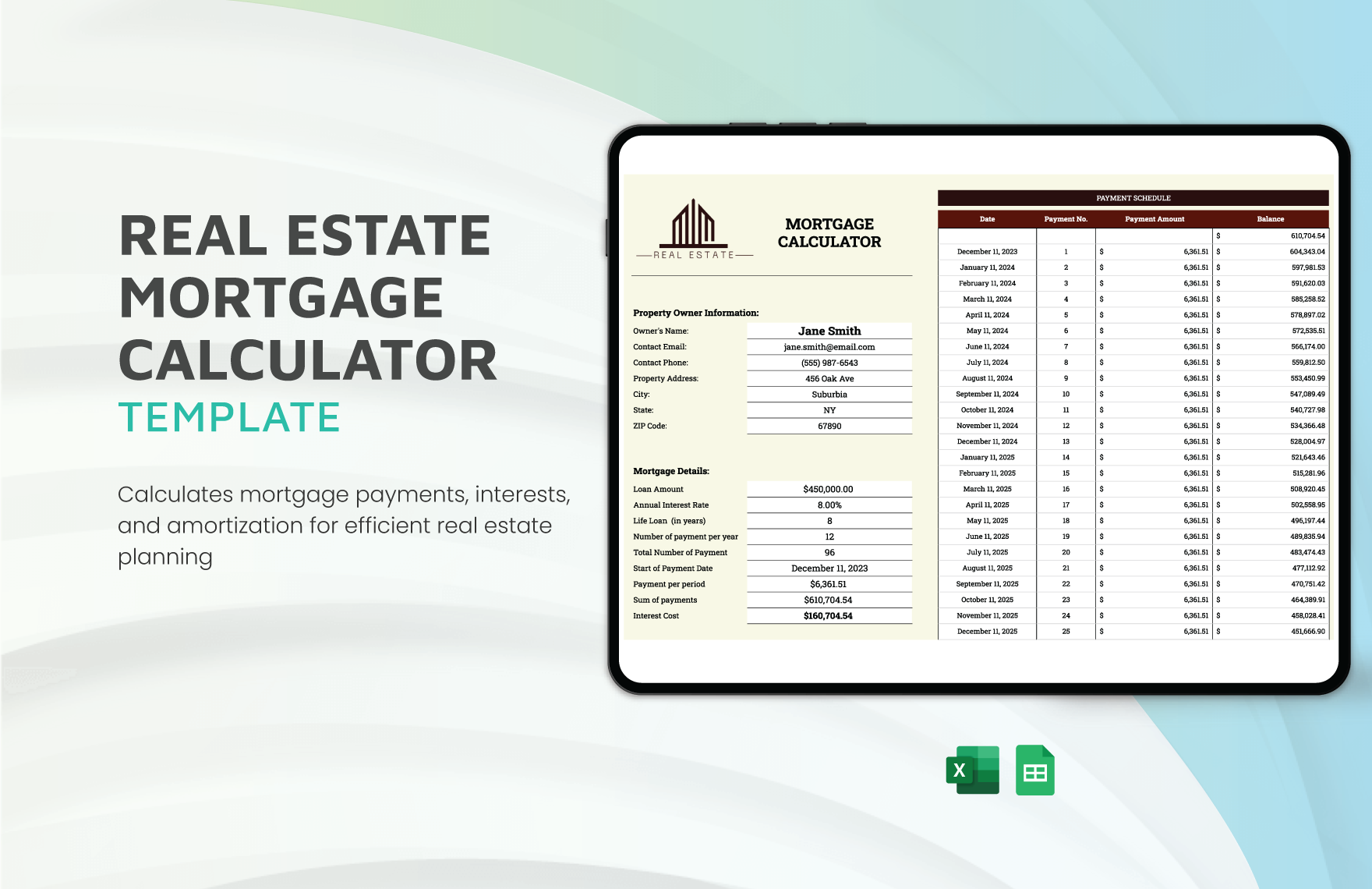
Borrower and Lender Information
Borrower identification should be precise enough to prevent confusion between individuals, trusts, corporations, partnerships, limited liability companies, and other entities. A commercial borrower may have a legal entity as the borrower while one or more individuals provide guarantees.
Lender information can include the lender’s legal name, address, transaction contact, loan officer, broker, or other relevant representative. If the proposal comes through a mortgage broker, it is useful to distinguish the broker from the actual creditor or funding source.
Contact information is operationally important because term sheets frequently change during negotiation. A clear contact section reduces the risk that a revised document is sent to the wrong party or that a material clarification is lost in a long email chain.
Version control is equally important. A simple date and revision identifier can help distinguish an earlier proposal from a later one. For example, a document might identify itself as “Version 3 — Proposed Terms” rather than allowing multiple files with similar names to circulate without context.
Where confidentiality matters, the template can include an appropriate confidentiality statement, but the language should be reviewed for the intended transaction rather than copied blindly from an unrelated agreement.

Property and Collateral Information
A mortgage term sheet should connect the proposed debt to the property securing it. At minimum, this normally means identifying the property and describing the intended collateral structure.
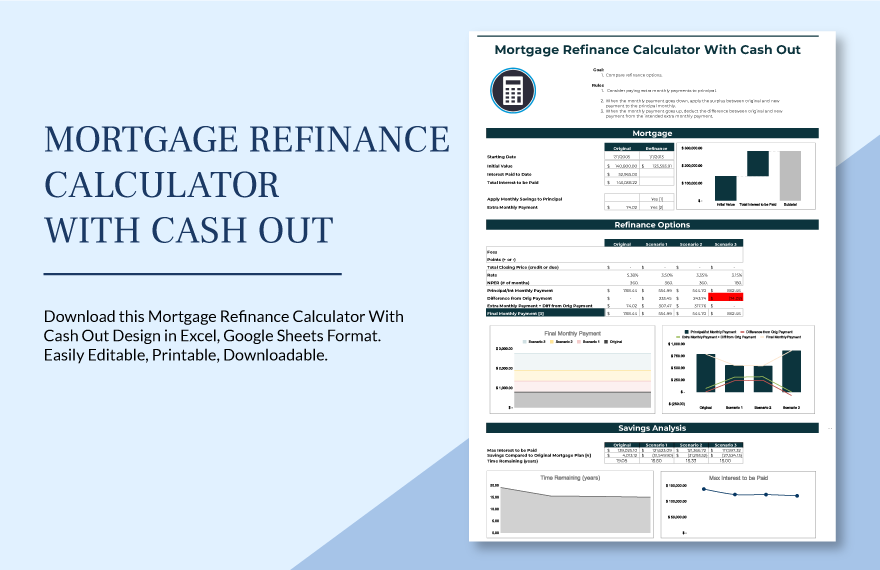
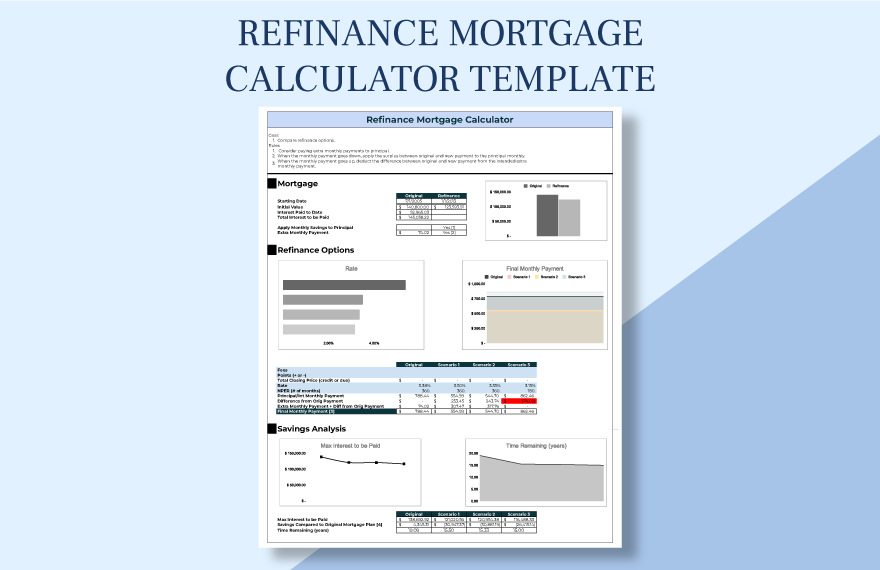
For a residential purchase, useful fields may include purchase price, estimated property value, down payment, requested loan amount, and intended occupancy. For refinancing, fields may include estimated current value, existing loan balance, requested new loan amount, and whether cash is being taken out.
Commercial financing often requires more detail. A template may need fields for property type, rentable area, occupancy assumptions, operating income, operating expenses, existing debt, subordinate financing, and other information relevant to the lender’s risk assessment.
The loan-to-value ratio is particularly useful because it connects the loan amount to the value of the collateral. For example, a hypothetical $320,000 loan secured by a property valued at $400,000 would produce an 80% loan-to-value ratio.
Collateral descriptions should not be presented as confirmed values unless they have actually been established. An estimated property value in a preliminary term sheet is an assumption, not necessarily an appraisal conclusion.

Loan Amount, Purpose, and Structure
The proposed loan amount should be stated prominently. If the amount is subject to an underwriting condition, the template should make that qualification clear instead of presenting the amount as an unconditional approval.
Loan purpose is also important because purchase financing, rate-and-term refinancing, cash-out refinancing, construction financing, bridge financing, and investment-property financing may have materially different requirements.
Loan term and amortization should be separate fields. A loan can have a 30-year amortization schedule while having a shorter contractual maturity. Confusing these concepts can cause a reader to misunderstand when the balance is expected to be repaid.
Payment frequency should also be explicit. Most consumer mortgage examples use monthly payments, but commercial and specialty financing can use different structures. The template should state the frequency rather than assuming it.
If the loan contains interest-only periods, scheduled principal reductions, a balloon balance, or another non-standard repayment feature, that feature should be described clearly in the payment section rather than hidden in general notes.

Interest Rate and Pricing
The interest rate is one of the most visible fields in a mortgage proposal, but it should never be evaluated in isolation. A lower rate can be accompanied by higher upfront points or fees, while a higher rate can sometimes be accompanied by lender credits.
The template should identify whether the proposed rate is fixed or adjustable. For an adjustable-rate structure, additional information may be needed about the index, margin, initial fixed period, adjustment frequency, caps, floors, and other applicable features.
A rate-lock field is also useful. A proposed rate is not necessarily the same thing as a locked rate. The template should therefore distinguish between a quoted or illustrative rate and a rate that has actually been locked under stated terms.
Points should be shown separately from the interest rate. One point generally represents a percentage of the loan amount, but the financial impact depends on the transaction and the specific pricing structure.
For comparison purposes, a professional worksheet should show both the headline rate and the associated pricing adjustments. This prevents a reader from treating two offers as equivalent when their upfront costs are materially different.

How Mortgage Payments Should Be Represented
A mortgage term sheet should distinguish principal and interest from the broader monthly housing payment. Principal is the amount of loan balance being repaid, while interest is the lender’s charge for providing the financing.
The total monthly obligation can be higher because property taxes, homeowners insurance, mortgage insurance, and other applicable costs may be collected through escrow or otherwise paid by the borrower.
When building a template, use separate rows for principal and interest, mortgage insurance if applicable, estimated taxes, estimated insurance, and other recurring amounts. This creates a clearer comparison between the financing cost and the broader cost of maintaining the property.
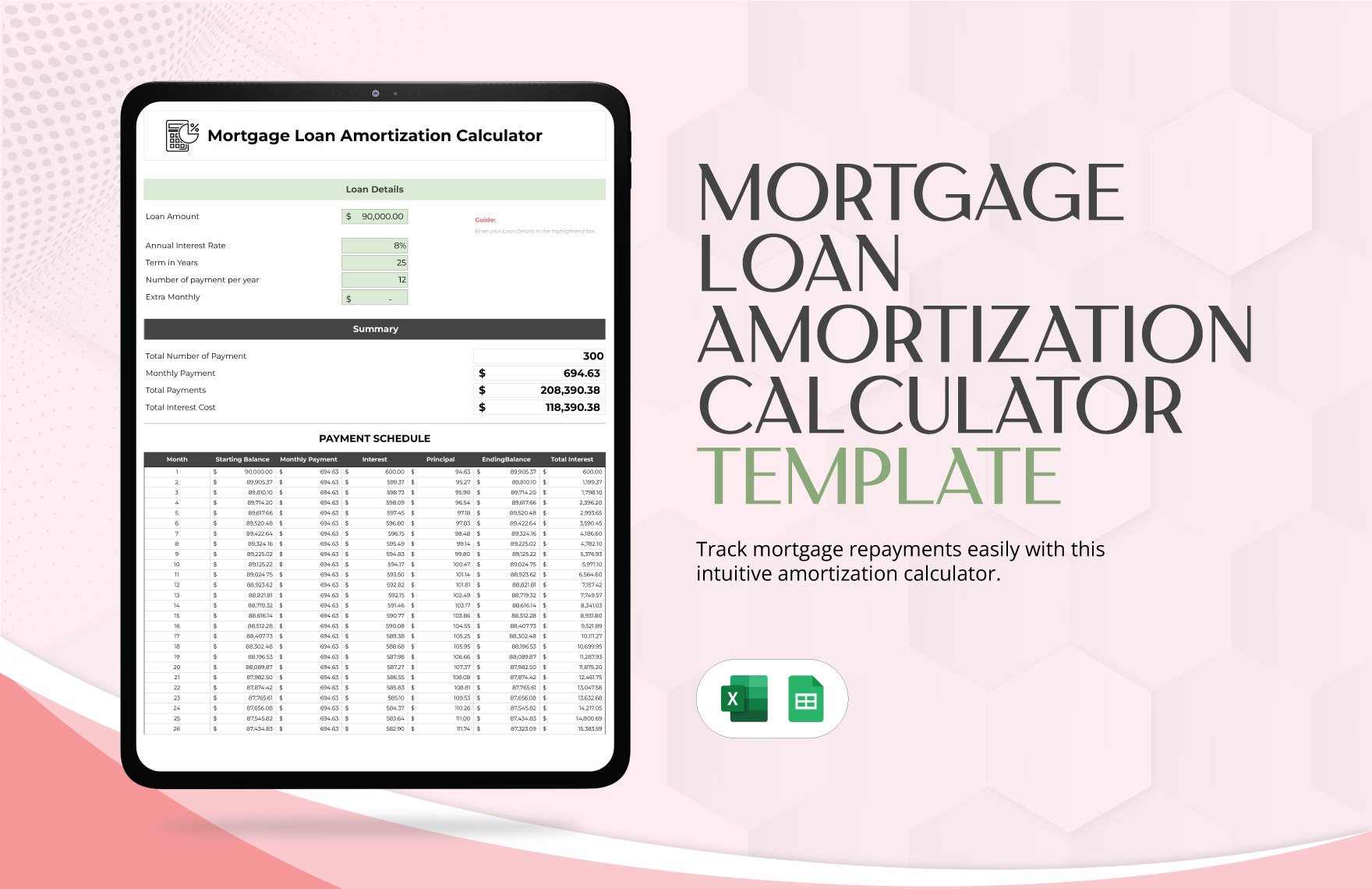
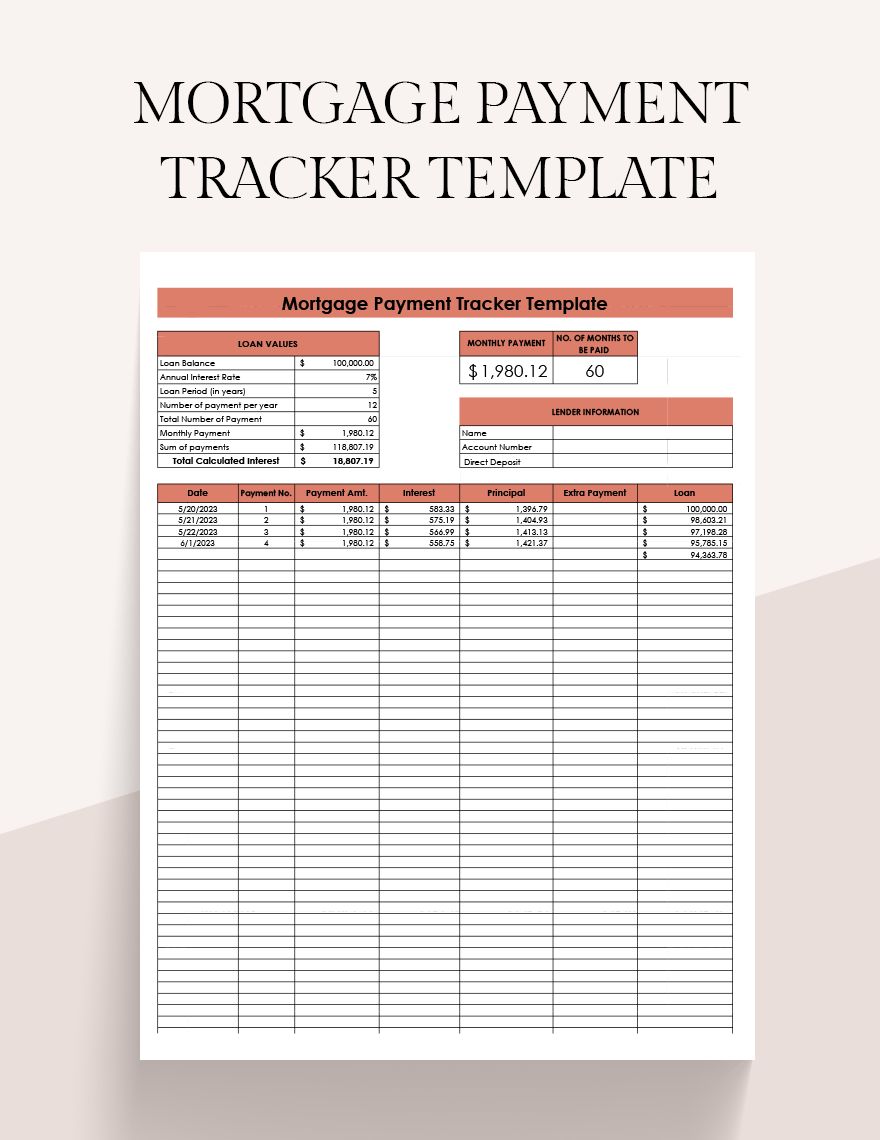
A mortgage payment spreadsheet can also be used alongside the term sheet to show how the balance changes over time. The spreadsheet should not be confused with the legal term sheet itself; it is a calculation and planning tool.
For a preliminary proposal, clearly label estimated amounts. Property taxes, insurance premiums, and escrow requirements may change as better information becomes available.
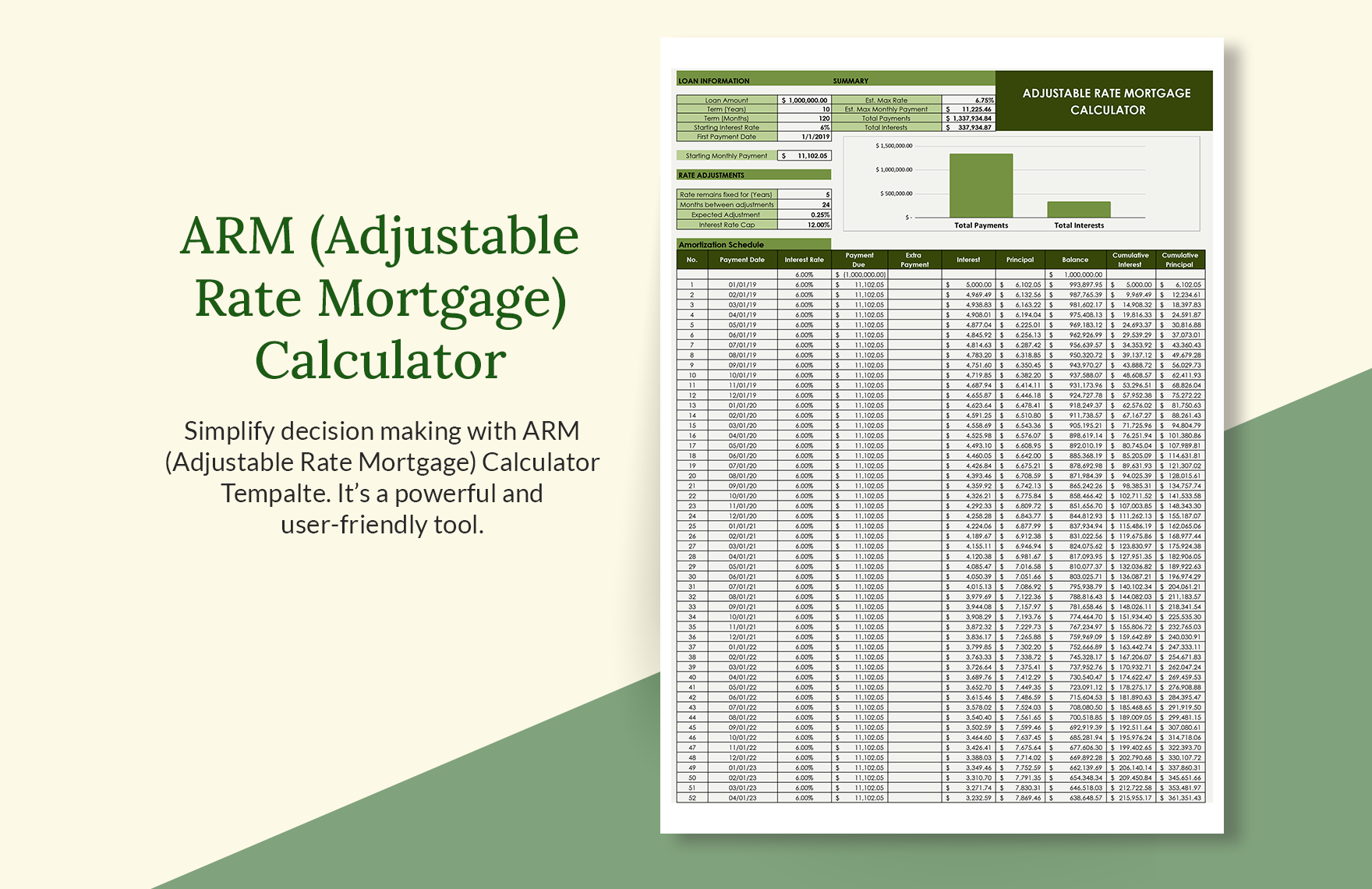
Fixed-Rate Versus Adjustable-Rate Presentation
A fixed-rate loan has a stated interest rate that generally remains fixed according to the contractual terms. An adjustable-rate mortgage can change under the adjustment rules specified in the loan documents.
For an adjustable-rate proposal, a term sheet should not simply say “variable.” It should provide enough information to understand how the rate is expected to change and what limitations may apply.
A useful template can include the initial rate, adjustment period, reference index, margin, initial adjustment date, periodic adjustment cap, lifetime cap, and any applicable floor. These fields make the structure much easier to compare with a fixed-rate alternative.
Payment scenarios can also be useful. A spreadsheet may show an initial payment and several hypothetical future-rate scenarios. Those scenarios should be clearly identified as illustrations rather than predictions.
For borrowers evaluating an adjustable-rate loan, the most useful analysis is often not the lowest initial payment but the range of potential payment outcomes and the conditions under which those outcomes could occur.

Amortization and Principal Reduction
An amortization schedule allocates each scheduled payment between interest and principal and tracks the remaining balance. For a conventional fully amortizing fixed-rate example, the scheduled payment may remain level while the interest portion declines and the principal portion increases over time.
A term sheet does not need to reproduce hundreds of payment rows. Instead, it can summarize the amortization period and provide a reference to an accompanying calculation sheet when detailed analysis is necessary.
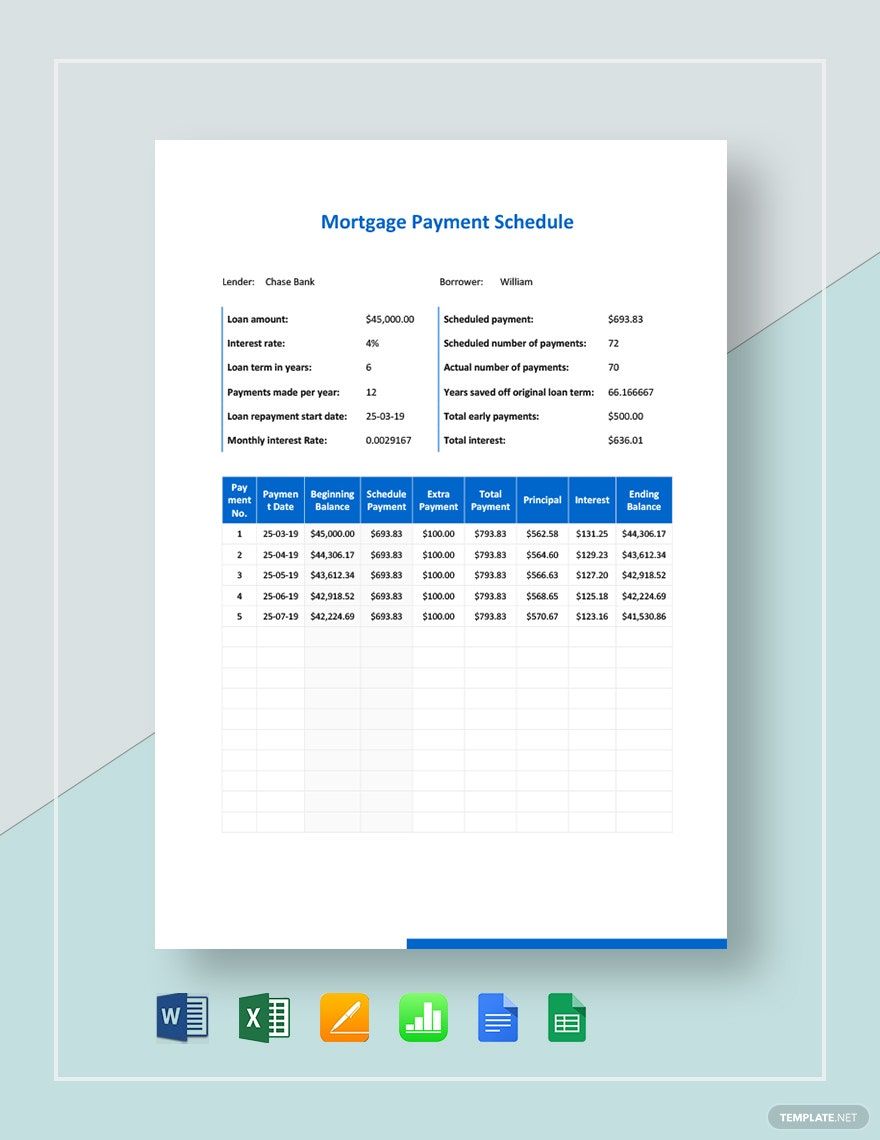
The supporting spreadsheet should show payment number, payment date, scheduled payment, interest, principal, additional principal if applicable, and ending balance. These columns make it easier to audit the calculation.
Extra payments should be modeled separately from scheduled payments. A borrower considering accelerated repayment may want to know how additional principal affects interest expense and the projected payoff date.
Any spreadsheet used to support the term sheet should be checked for formula errors, inconsistent dates, incorrect compounding assumptions, and rounding differences before its figures are used in decision-making.

Spreadsheet and File Formats
An Excel-based worksheet is particularly useful when the term sheet needs calculations. Formulas can be used for loan-to-value ratios, payment estimates, amortization, fee totals, and scenario comparisons.
Google Sheets can be useful for collaborative review because multiple authorized participants can work from a shared version. The underlying formulas should still be protected or reviewed so that an accidental edit does not silently change an important result.
Word is usually better suited to narrative term sheets where the primary objective is a polished document rather than complex calculations. A Word document can contain tables for the core terms and explanatory provisions beneath them.
Google Docs provides a similar document-oriented workflow for collaborative drafting. It is useful when several parties need to comment on wording or revise a preliminary proposal without maintaining multiple local copies.
PDF is best treated as a distribution or archival format when the document is ready for review. A PDF can preserve the visual structure of a finalized draft, but the underlying editable file should normally be retained by the document owner.
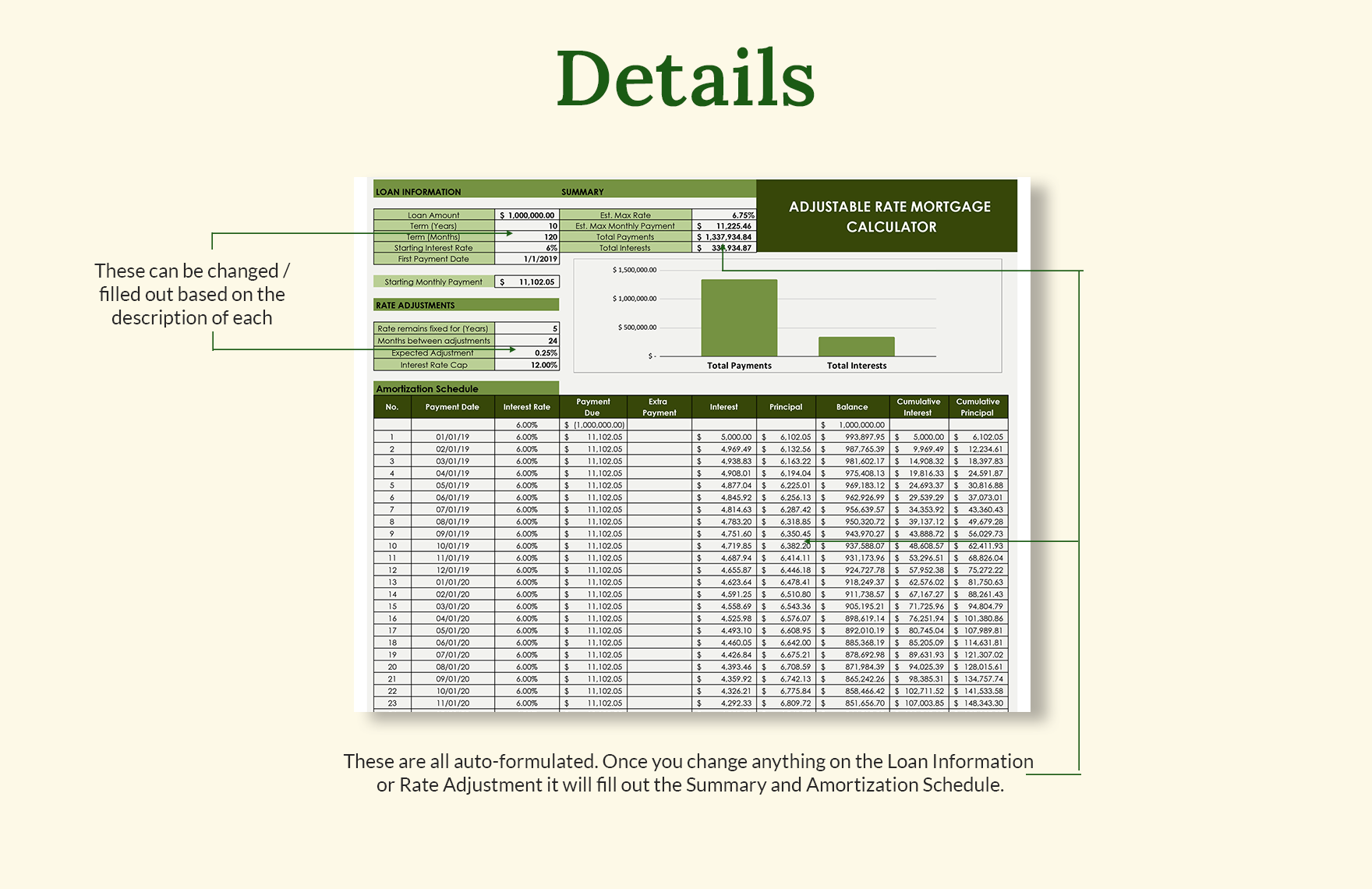
Fees and Closing Costs in a Mortgage Term Sheet
Fees are among the most important areas to structure carefully because the total borrowing cost can be substantially different from the headline interest rate. A term sheet should identify the major categories without implying that preliminary estimates are final closing figures.
Common categories can include origination charges, discount points, appraisal costs, title-related charges, recording charges, legal fees, underwriting or processing charges, inspection costs, prepaid interest, insurance, taxes, and initial escrow deposits, depending on the transaction.
Lender credits deserve their own line because they can offset certain closing costs while potentially being associated with a different interest-rate structure. The term sheet should describe the credit and identify what it is intended to offset.
Borrower-paid and lender-paid amounts should not be mixed into a single unexplained total. A clear fee schedule shows who is expected to pay each item and whether the figure is an estimate, a quoted amount, or subject to change.
When the transaction reaches the formal disclosure stage, the preliminary term sheet should be compared with the applicable lender disclosures and final closing documents rather than being treated as the authoritative statement of final costs.

How to Build a Mortgage Fee Section
Start with a table containing the fee description, estimated amount, payer, status, and notes. The status column can distinguish between estimated, quoted, waived, credited, or pending amounts.
Separate lender-controlled charges from third-party services when practical. This helps the reviewer understand which costs are determined by the lender and which depend on external providers or property-specific circumstances.
Prepaid and escrow amounts should also be distinguished from true loan-origination costs. They may affect the cash required at closing without representing the same type of lender charge.
If a fee is calculated as a percentage of the loan amount, show both the percentage and the resulting amount. For example, a hypothetical 1% origination charge on a $320,000 loan would be $3,200.
Every fee calculation should be traceable. If the number comes from an external quote, underwriting assumption, provider estimate, or formula, record that basis in the notes rather than leaving the reader to guess where it originated.
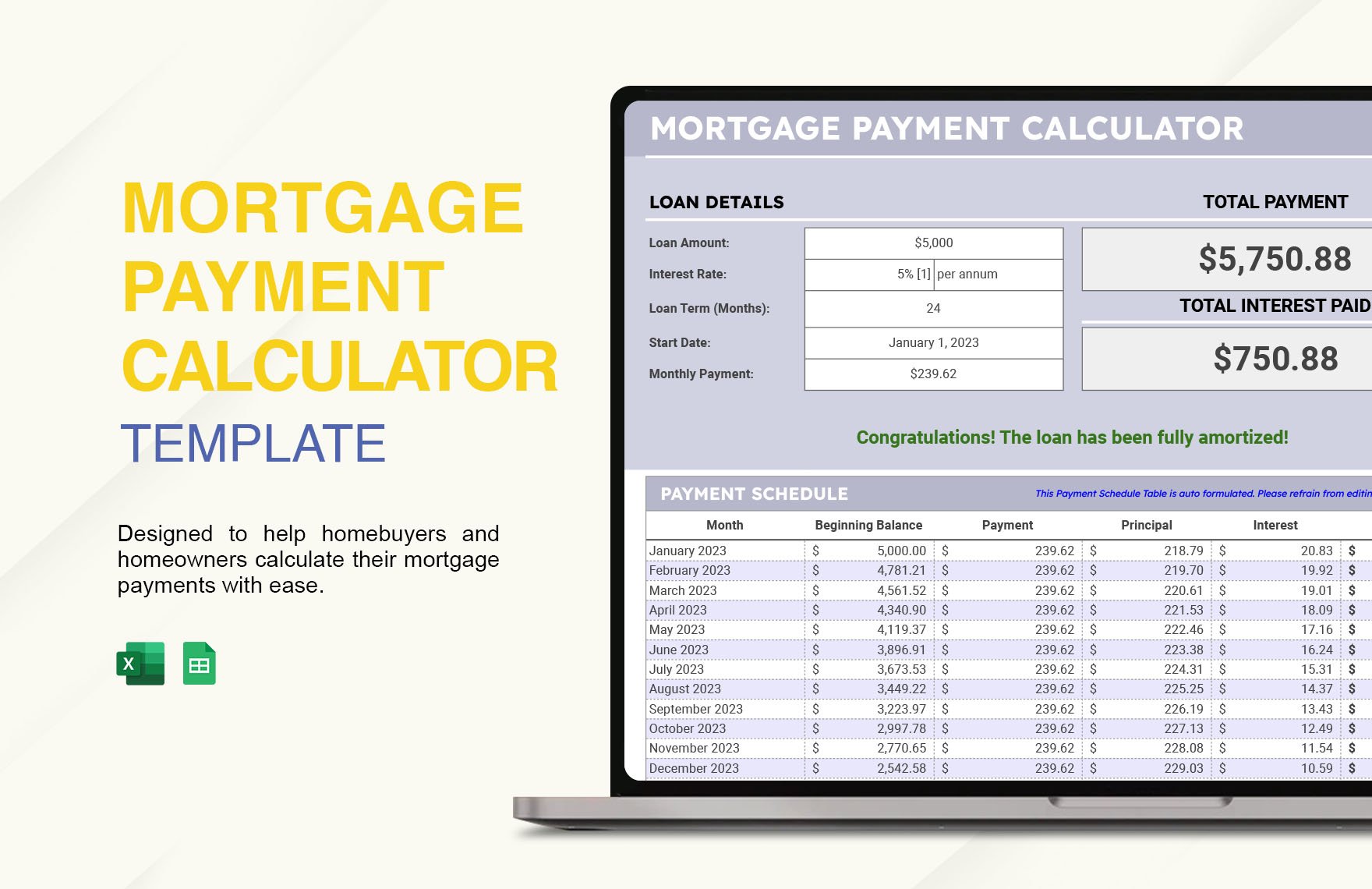
Loan-to-Value, Debt Ratios, and Underwriting Metrics
A mortgage term sheet format Template can include high-level underwriting metrics when they are important to the proposed structure. These metrics help connect the loan amount and pricing to the lender’s risk assessment.
Loan-to-value is commonly calculated by dividing the loan amount by the relevant property value. A proposed $400,000 loan against a hypothetical $500,000 property value would produce an 80% ratio.
Commercial real estate proposals may also include debt-service coverage information. This metric compares property-level cash flow with scheduled debt obligations and is often relevant to income-producing properties.
Debt-to-income information can be relevant for consumer mortgage underwriting. However, a preliminary term sheet should not imply that a borrower has passed underwriting unless the lender has actually made that determination.
When a metric depends on assumptions, label the assumption. This is especially important when property value, rental income, operating expenses, insurance costs, taxes, or other variables have not yet been independently verified.
Prepayment, Default, and Special Terms
Prepayment provisions should be stated clearly because they can affect refinancing, sale, or early payoff decisions. If no prepayment penalty is proposed, the term sheet should say so rather than leaving the field blank.
Late-payment provisions should identify the applicable charge or describe how it is calculated. Because legal restrictions may apply, the final contractual language should be reviewed rather than copied automatically from a generic template.
Balloon payments require special attention. A loan may have regular scheduled payments that do not fully amortize the balance, leaving a larger amount due at maturity. If this structure is proposed, the term sheet should make the maturity balance or repayment mechanism clear.
Default provisions can summarize important triggers such as failure to pay, failure to maintain required insurance, breach of covenants, or other material defaults. The summary should not be presented as a replacement for the final security instrument or loan agreement.
Other special terms may include guarantees, reserves, escrows, construction milestones, reporting requirements, assignment rights, insurance requirements, environmental conditions, and conditions precedent to funding.
Residential and Commercial Mortgage Term Sheets
Residential term sheets generally focus on borrower information, property information, loan amount, rate, term, payment, estimated costs, and major conditions. The document can often remain relatively concise.
Commercial mortgage term sheets tend to be more detailed because the lender may evaluate the property’s income, operating expenses, tenant profile, leases, reserves, debt-service coverage, guarantees, and other risks.
Construction financing can require another layer of detail. A proposal may need to address construction budgets, advances, inspections, completion requirements, interest reserves, contingency reserves, and conversion or stabilization conditions.
Investment-property financing may also include rental-income assumptions and property-management considerations. These should be clearly separated from verified operating results if the transaction is still preliminary.
The same basic structure can support all these transaction types, but the template should be adapted to the financing rather than forcing every transaction into an unnecessarily complex form.
How to Create a Mortgage Term Sheet Step by Step
Step 1: Define the Transaction
Begin with the transaction name, date, version, lender, borrower, property, and loan purpose. Establishing this identity first prevents the financial sections from being detached from the transaction they describe.
Next, identify whether the proposal is for purchase, refinance, construction, bridge financing, commercial acquisition, or another purpose. This determines which additional sections are likely to be relevant.
Record the key property assumptions, including purchase price or estimated value where appropriate. If a number is not verified, label it as an estimate or assumption.
Establish the proposed loan amount and basic financing structure. At this stage, it is better to leave a field clearly marked “pending” than to insert an unsupported number simply to make the document look complete.
Finally, assign a version number or date so future revisions can be distinguished from earlier drafts.
Step 2: Enter the Core Economics
Enter the proposed interest rate, rate type, loan term, amortization period, payment frequency, and maturity date. Keep the fields separate so the reader can understand the structure without interpretation.
Calculate the estimated principal-and-interest payment using consistent assumptions. If taxes, insurance, mortgage insurance, or other recurring costs are included in a total payment estimate, show those components separately.
Add loan-to-value and other relevant metrics after the core inputs are established. Formula-driven calculations are preferable to manually typed ratios because they reduce arithmetic errors during revisions.
Record pricing adjustments such as points and lender credits. If the rate depends on a rate lock or other condition, state that condition explicitly.
Review the economic section independently before moving to legal or administrative provisions. A clear economic summary makes later review much easier.

Step 3: Add Fees and Conditions
Build a fee table that separates lender charges, third-party costs, prepaid items, escrow deposits, and other expected closing expenses. Avoid combining unrelated charges into one unexplained figure.
Add the major conditions required before closing or funding. These may include satisfactory underwriting, appraisal, title, insurance, documentation, verification, or other transaction-specific conditions.
Include prepayment, default, escrow, reserve, guarantee, and collateral provisions where applicable. Use concise summaries rather than attempting to reproduce an entire legal agreement.
If a term is still under negotiation, identify it as such. A field labeled “TBD” or “subject to lender approval” is more accurate than a false appearance of certainty.
Once the fee and condition sections are complete, compare them with the economic assumptions to make sure the numbers and narrative do not contradict one another.
Practical Example of a Mortgage Term Sheet
The following example is hypothetical and is intended only to demonstrate structure. It is not a mortgage offer, approval, quote, or representation of current market pricing.
Assume a hypothetical buyer is purchasing a residential property for $400,000 and is considering a $320,000 fixed-rate mortgage. The preliminary document could show an 80% loan-to-value ratio, a proposed 30-year amortization, and a clearly labeled illustrative interest rate.
The next section could summarize estimated principal and interest, followed separately by estimated property taxes, homeowners insurance, mortgage insurance if applicable, and other recurring costs. This gives the reader a clearer view of the difference between financing cost and total housing payment.
The fee section could then list illustrative origination charges, appraisal, title-related expenses, recording costs, prepaid interest, and escrow deposits. Each number should be labeled as an estimate until confirmed.
Finally, the document could state that the proposal remains subject to underwriting, appraisal, title, documentation, and other applicable conditions. This preserves the distinction between a preliminary term summary and a final loan commitment or contract.
How to Compare Multiple Mortgage Offers
Comparing mortgage offers requires more than placing interest rates side by side. The loan amount, rate, term, points, lender credits, closing costs, payment structure, and special provisions all influence the overall economics.
Start by making the comparison consistent. Compare the same loan amount, property assumptions, loan purpose, and approximate timing whenever possible. Otherwise, differences in the underlying transaction can make the comparison misleading.
Compare lender-controlled origination charges separately from costs that are driven by third-party providers or property circumstances. Then examine the effect of lender credits and discount points on both upfront cash and ongoing payments.
Review the projected payment and the potential for payment changes. A lower introductory payment is not necessarily the lowest long-term-cost structure, especially when the rate can change.
Finally, compare the terms that are not purely numerical. Prepayment restrictions, balloon features, reserve requirements, guarantees, and closing conditions can have substantial practical consequences.
Common Mistakes When Using a Mortgage Term Sheet Template
One common mistake is treating a preliminary term sheet as a final approval. A proposed loan amount or interest rate can still be subject to underwriting, documentation, property valuation, credit review, or other conditions.
Another mistake is entering estimated property taxes or insurance costs as though they were confirmed. These costs can change, and an inaccurate estimate can make the monthly payment appear more affordable than it actually is.
Leaving version information out of a template is another preventable problem. When several revisions circulate, it becomes difficult to know which terms were current at a particular point in the negotiation.
Some templates also combine too many concepts into one field. For example, putting “rate/payment/term” into a single narrative box makes it harder to compare two offers. Separate fields produce better documentation.
Finally, do not copy legal provisions from a generic template without understanding them. A mortgage term sheet can summarize proposed terms, but final legal language should be appropriate for the transaction and jurisdiction.
Best Practices for Professional Mortgage Term Sheets
Use consistent labels throughout the document. If the template calls the loan amount “Proposed Loan Amount” in one section, do not call it “Financing Amount” elsewhere unless the terms genuinely mean different things.
Separate facts from assumptions. A verified loan amount, estimated property value, proposed interest rate, and pending appraisal result should not appear as though they have the same status.
Use tables for numeric information and short paragraphs for provisions that require explanation. A clean visual hierarchy allows readers to find the most important information quickly.
Protect calculation cells in spreadsheets where appropriate. Formula cells should not be accidentally overwritten while users are entering property or loan assumptions.
Maintain an audit trail for significant revisions. A simple revision date, version identifier, and brief change description can prevent disputes over which preliminary terms were discussed.
Practical Solution: Build a Reusable Mortgage Term Sheet Workflow
The most practical approach is to create a master template with a document layer and a calculation layer. The document layer contains the readable term sheet, while the calculation layer handles payment estimates, ratios, fee totals, amortization, and scenarios.
First, create the master fields: parties, property, purpose, loan amount, rate, rate type, term, amortization, payment frequency, maturity, LTV, payment, fees, credits, escrow, prepayment, default, collateral, conditions, and signatures or acknowledgments where appropriate.
Second, create a calculation worksheet. Include clearly labeled input cells for loan amount, annual interest rate, number of payments, taxes, insurance, mortgage insurance, points, fees, and credits. Use formulas rather than manually calculated numbers whenever possible.
Third, create a comparison sheet for multiple offers. Give each lender or proposal its own column and keep the rows consistent. Include rate, loan amount, monthly principal and interest, estimated total payment, points, lender credits, origination costs, other closing costs, and estimated cash to close.
Fourth, establish a review sequence. Check the transaction identity first, then the loan economics, then the payment calculation, then fees, then special provisions, and finally the document version. This order makes errors easier to isolate.
Fifth, label the status of every uncertain item. Use terms such as “estimated,” “proposed,” “subject to verification,” or “pending” when appropriate. Never allow a preliminary assumption to look like a confirmed fact.
Sixth, export a review copy to PDF only after the editable document has been checked. Retain the source file and calculation worksheet so later revisions can be traced.
Seventh, compare the preliminary term sheet with the lender’s official disclosures and final documents when those documents become available. In the United States, the CFPB explains that the Loan Estimate provides important loan terms and estimated costs, while the Closing Disclosure provides the final terms and closing costs before closing.
Finally, use the template as a decision-support and communication tool rather than as a substitute for legal, tax, underwriting, or financial advice. That distinction keeps the document useful without overstating what it represents.
Reference Examples
The following reference examples are visual document resources selected to illustrate the different formats, worksheets, forms, and supporting documents discussed in this guide.
mortgage term sheet format template free

Source: Template.net
mortgage term sheet format template free download
Source: Template.net
mortgage term sheet format template pdf
Source: Template.net
mortgage term sheet format template excel
Source: pdfFiller
mortgage term sheet format template word
Source: Template.net
mortgage term sheet format template download
Source: SampleForms
mortgage term sheet format template google docs

Source: Template.net
loan term sheet template

Source: Template.net
mortgage fee sheet template

Source: Worksheets Library
mortgage payment spreadsheet template
Source: Template.net
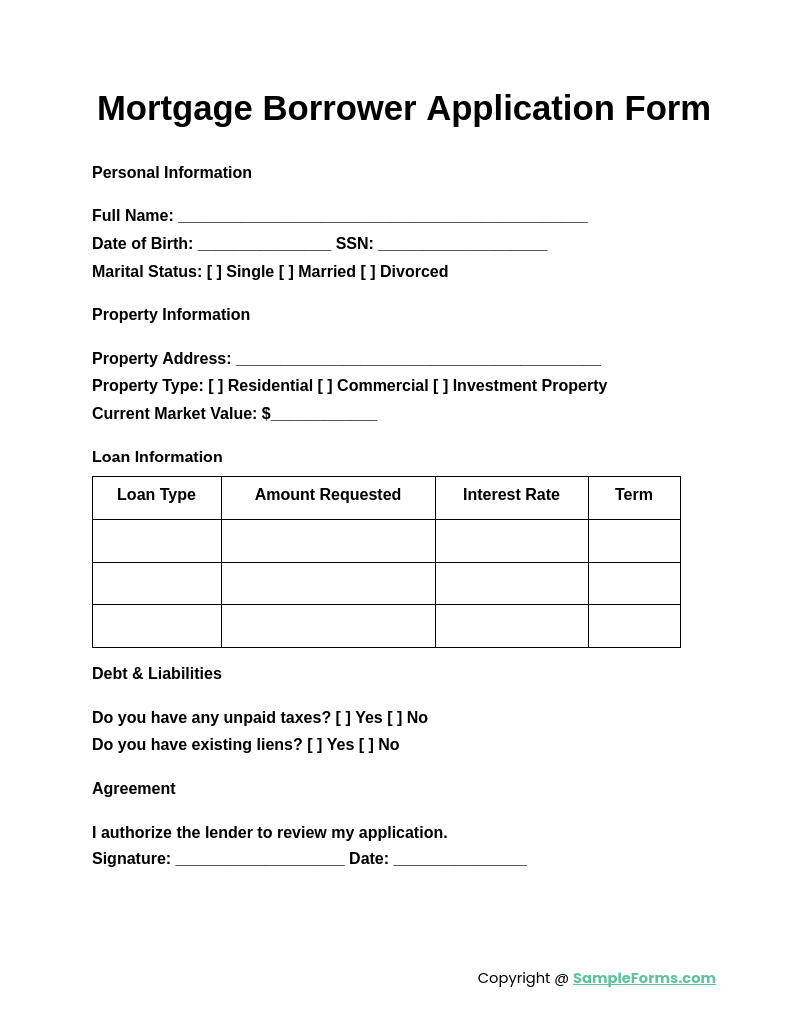
mortgage form pdf template
Source: SampleForms
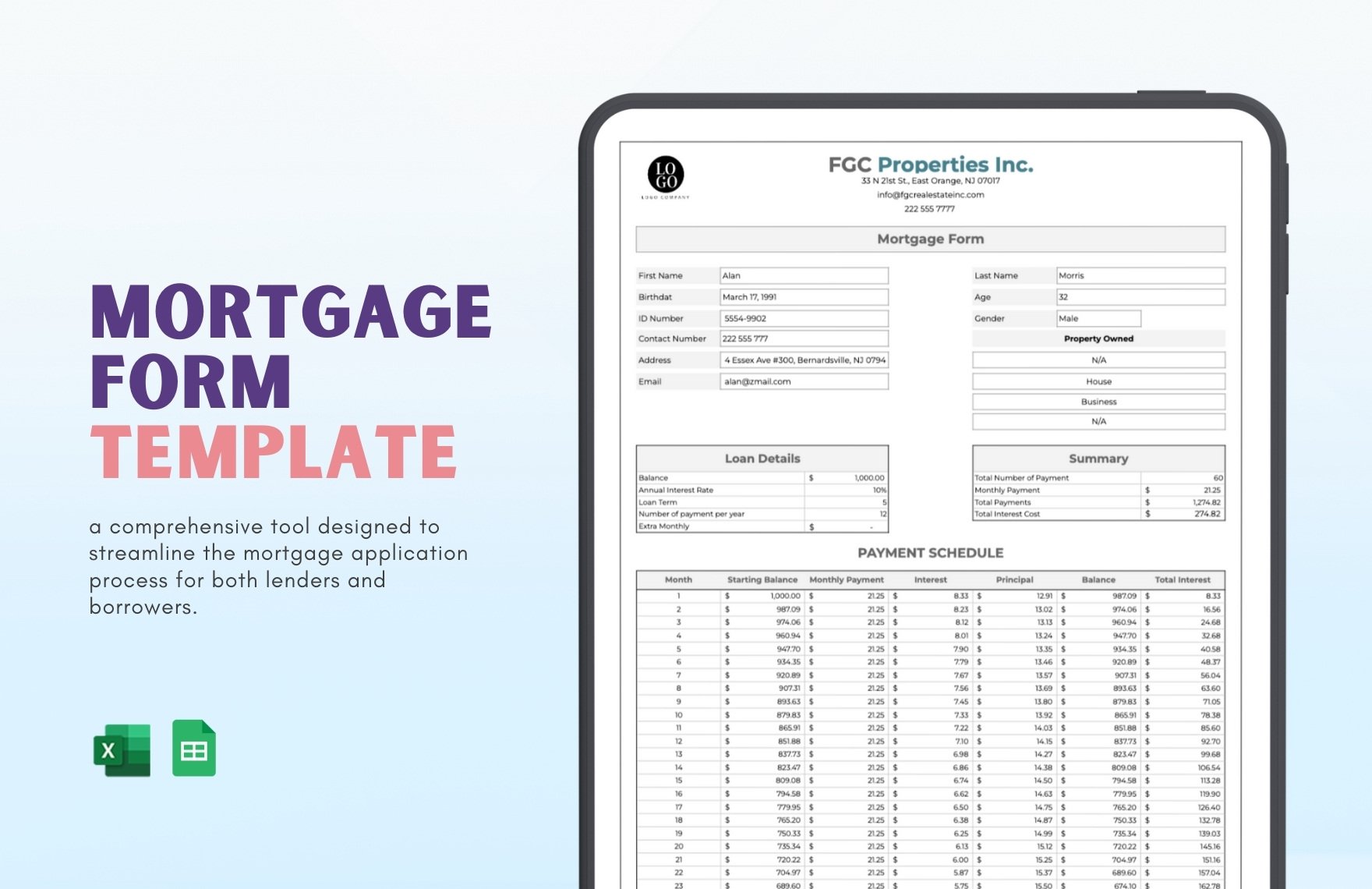
free mortgage document template
Source: Template.net
Frequently Asked Questions
What is a mortgage term sheet format Template?
A mortgage term sheet format Template is a structured document used to summarize proposed mortgage terms, including the parties, property, loan amount, interest rate, repayment structure, fees, collateral, conditions, and other important provisions. It is generally a preliminary organizational and negotiation document rather than a replacement for final loan documents or required disclosures.
Is a mortgage term sheet legally binding?
Not necessarily. Whether a particular term sheet or provision is binding depends on its wording, the transaction, and applicable law. A document can contain both non-binding business terms and specifically binding provisions, so the language should be reviewed carefully.
What should be included in a mortgage term sheet?
A strong template normally includes transaction details, borrower and lender information, property details, loan amount, purpose, interest rate, term, amortization, payment structure, fees, credits, collateral, prepayment provisions, default provisions, escrow, conditions, and important assumptions.
Can I create a mortgage term sheet in Excel?
Yes. Excel is particularly useful when the document needs calculations for payments, amortization, loan-to-value ratios, fee totals, or scenario analysis. A common approach is to keep calculations in a separate worksheet and use a document-oriented summary for presentation.
Can a mortgage term sheet be created in Word or Google Docs?
Yes. Word and Google Docs are well suited to narrative term sheets with tables and explanatory provisions. They are particularly useful when multiple parties need to review wording, comment on terms, or produce a polished PDF for circulation.
What is the difference between a term sheet and a Loan Estimate?
A term sheet is typically a preliminary summary of proposed financing terms and can be customized to the transaction. A U.S. Loan Estimate is a standardized disclosure used in applicable consumer mortgage transactions. The Loan Estimate provides standardized information about important loan terms, projected payments, and estimated closing costs.
Should a mortgage term sheet include closing costs?
Yes, when closing costs are relevant to the proposal. Listing estimated fees helps the reader understand upfront cash requirements and compare offers. Each amount should be identified as estimated or confirmed as appropriate.
Should payment calculations be included?
Payment calculations are useful because they translate the loan amount, rate, and term into a practical cash-flow figure. For detailed analysis, a separate mortgage payment spreadsheet or amortization schedule is usually more effective than placing hundreds of payment rows in the term sheet itself.
How should an adjustable-rate mortgage appear in the template?
The template should identify the initial rate and explain the adjustment structure, including the relevant index, margin, adjustment frequency, caps, floors, and timing when those details are known. A scenario worksheet can then illustrate possible payment changes without presenting those scenarios as forecasts.
What is the most important feature of a good mortgage term sheet?
Clarity is the most important feature. The reader should be able to identify the proposed loan amount, rate, term, payment structure, major costs, collateral, and conditions without searching through dense narrative text.
Conclusion
A well-built mortgage term sheet format Template turns a complicated financing proposal into an organized, reviewable document. The strongest templates separate confirmed facts from assumptions, distinguish principal and interest from total housing costs, identify fees clearly, explain special provisions, and connect the proposed debt to the property and repayment structure.
For practical use, combine a clean document template with a calculation worksheet and a comparison table. Use Word or Google Docs when narrative clarity is the priority, Excel or Google Sheets when calculations are central, and PDF when a stable review copy is needed. Most importantly, keep preliminary terms distinct from official disclosures and final contractual documents.
When the template is maintained carefully, versioned consistently, and checked against the lender’s formal documentation as the transaction progresses, it becomes a useful tool for borrowers, lenders, brokers, advisors, and transaction teams. The goal is not simply to produce a professional-looking form, but to create a reliable framework for understanding, comparing, negotiating, and documenting mortgage financing.
