Property ownership documentation is more than a page containing names and signatures. A useful document connects the parties to the property, identifies the legal description, explains ownership interests, records financial responsibilities, and establishes how future transfers or disputes will be handled. The exact legal requirements vary by jurisdiction, so a generic template should normally be treated as a planning or drafting aid rather than a substitute for state-specific legal documents.
For example, California recognizes sole ownership, tenancy in common, joint tenancy, and community property as primary forms of real property ownership. These ownership structures can have substantially different consequences for survivorship, inheritance, control, and transfer rights. :contentReference[oaicite:0]{index=0}
This guide explains what to include in a property ownership template, how to adapt one for different situations, how to research ownership information, and how to distinguish a private agreement from the deed or other record that actually establishes or transfers legal title. It also examines state-specific considerations for California, Florida, and Texas without treating one state’s rules as universal.
The goal is to help readers create a clearer documentation workflow while avoiding a common mistake: assuming that a generic online form automatically satisfies the recording, witnessing, notarization, tax, or title requirements applicable to a particular property.
What Is a sample property ownership Template?
A sample property ownership Template is a structured document used to organize information about ownership of real estate. Depending on its purpose, it may record the names of owners, ownership percentages, property details, financial contributions, use rights, maintenance obligations, transfer procedures, and signatures. It may be designed as an internal agreement, a transaction worksheet, or a drafting reference for a formal legal document.
The word “sample” is important. A sample demonstrates structure and content, but it does not necessarily establish legal ownership. In the United States, the deed and applicable land-record system generally play a central role in documenting ownership interests. A private agreement can supplement that record by explaining relationships between co-owners, but it should not automatically be treated as a replacement for a properly executed and recorded instrument.
A useful template should therefore separate factual information from legal conclusions. For example, the form can provide a field for “ownership interest” and another for “recorded title.” It can also provide a place to identify the deed book, page, instrument number, parcel number, or other identifier when available. This makes later verification easier.
Templates are particularly useful because real estate transactions generate many documents. A buyer may need to coordinate a purchase agreement, deed, title search, survey, disclosure forms, tax information, financing documents, and closing records. Keeping the ownership information consistent across those documents reduces avoidable discrepancies.
The best template is not necessarily the longest one. It is the one that captures the information needed for the specific transaction without introducing provisions that conflict with local law. For complicated ownership arrangements, professional legal review is often more valuable than adding more generic clauses.
What a basic ownership template should identify
A basic template should begin with the parties. Record the full legal names of every owner and, where appropriate, the legal name of an entity such as a company or trust. Avoid relying on nicknames or informal descriptions because the ownership record needs to be reconciled with the official title documents.
The property section should identify the street address and the legal description when available. A street address is convenient for everyday use, but a legal description and parcel identifier can provide a much more precise connection to the property record. If the legal description is lengthy, the template can reference an attached exhibit instead of reproducing it inaccurately.
The ownership section should explain whether the parties intend to own equal or unequal interests. For example, two investors might contribute different amounts of capital and agree that their beneficial interests are 60% and 40%. That arrangement should be documented clearly rather than inferred from who paid which expense.
Financial terms should identify initial contributions, mortgage obligations, property taxes, insurance, repairs, utilities, association dues, and other recurring expenses where relevant. The agreement should distinguish between expenses that are shared according to ownership percentages and expenses assigned to a particular party.
Finally, the template should address what happens if an owner wants to sell, transfer, refinance, or otherwise dispose of an interest. A well-designed agreement can establish notice procedures, valuation methods, approval requirements, and dispute-resolution processes while still recognizing that local property law controls the enforceability of those provisions.
Why Property Ownership Documentation Matters
Ownership documentation creates a common factual reference point. When multiple documents contain different names, percentages, addresses, or property descriptions, a transaction can become unnecessarily difficult to verify. A consistent template helps the parties identify discrepancies before they become closing problems.
Documentation is also valuable when ownership changes over time. A property might begin with two owners, later be transferred into an entity, and eventually be sold. Each transition creates a record that should be understandable when reviewed years later. A clear ownership schedule can help connect those events.
Another benefit is transparency among co-owners. People can agree verbally about maintenance, contributions, or use of a vacation property, but memories can diverge. A written agreement gives the parties a reference point and can reduce disagreements about what was actually agreed.
Good documentation also supports professional review. Attorneys, title professionals, lenders, accountants, appraisers, and real estate professionals frequently need accurate information about the parties and property. A structured document makes it easier to provide that information without repeatedly reconstructing the ownership history.
Most importantly, documentation should support—not replace—verification. A template can say that a person owns 50% of a property, but the parties should verify that the recorded title and governing law support the intended arrangement. California’s property-tax guidance, for example, distinguishes among several forms of ownership and explains different consequences for tenancy in common and joint tenancy. :contentReference[oaicite:1]{index=1}
Ownership research becomes particularly important when a property has been inherited, transferred between relatives, owned by several investors, or affected by liens or other recorded interests. The longer and more complicated the ownership history, the less appropriate it is to rely on an informal template alone.
A practical workflow begins by collecting the most recent deed or other title document, identifying the current owners, confirming the property description, and checking the applicable county or land-record system. Only after those facts are established should a private ownership agreement be drafted or updated.
The ownership structure should then be compared with the parties’ intended arrangement. If two people intend survivorship but the title instead creates a tenancy in common, the discrepancy needs professional attention rather than being silently corrected inside a private worksheet.
For this reason, a template should include a “verification” area. It can record the date of the title review, the source checked, the document number, and any unresolved questions. This turns the template from a simple form into a useful transaction-control document.

Key Components of a Property Ownership Template
The first component is the identification block. Include the date of the document, the names of all parties, mailing addresses, and any relevant entity information. If the parties are signing in different capacities, such as individually and as trustees or authorized representatives, that capacity should be stated clearly.
The second component is the property identification block. Include the street address, county, state, parcel or tax identification number, and legal description when available. If the property is a condominium, the declaration, unit number, and related legal description may also be important.
The third component is the ownership structure. A template should state the intended form of ownership rather than simply saying “joint ownership.” That phrase can be too vague because different legal structures can produce different results at death, sale, creditor claims, and transfer.
The fourth component is the financial schedule. Record purchase contributions, loan obligations, taxes, insurance, repairs, improvements, and other expenses. If ownership percentages differ from payment responsibilities, the document should explain that distinction explicitly.
The fifth component is the decision-making section. A property may require decisions about leasing, renovations, refinancing, sale, insurance, property management, or major repairs. The agreement can specify whether decisions require unanimous consent, majority approval, or another defined threshold, subject to applicable law.
Ownership percentages and contributions
Ownership percentages are often confused with financial contributions. They can be connected, but they do not have to be identical. For example, one party could contribute 70% of the initial purchase funds while another contributes services or assumes a different financial obligation. The intended ownership arrangement should be stated separately from the contribution schedule.
A useful template can include a table with owner name, ownership percentage, initial contribution, ongoing contribution, and responsibility for debt. This allows readers to see the difference between legal or agreed ownership and cash-flow responsibilities at a glance.
The parties should also consider whether improvements will change the economic relationship. A major renovation paid for by one owner can create disagreement later if the agreement says nothing about reimbursement or ownership consequences. The template should identify whether improvements are treated as shared property expenses, reimbursable advances, or another category.
Expense allocation should be equally precise. “Owners share expenses” is usually less useful than stating which expenses are shared, how they are calculated, when payments are due, and what happens if one owner pays another owner’s portion.
These provisions are particularly valuable when the property is held as an investment. Rental income, vacancies, operating expenses, capital improvements, reserves, and sale proceeds can all create accounting questions. A clear schedule helps prevent a disagreement from becoming a title dispute.

Forms of Property Ownership
The phrase “forms of property ownership” describes the legal structures under which property may be held. The terminology and consequences vary by state, so readers should not assume that a structure available in one jurisdiction operates identically elsewhere.
Sole ownership, sometimes called ownership in severalty, generally means one person or one legal entity holds the ownership interest. It is administratively straightforward, but estate-planning, creditor, tax, and transfer considerations can still be significant.
Tenancy in common allows multiple people to hold undivided interests in the same property. The interests can sometimes be unequal, and an owner’s interest may generally be transferred or inherited according to applicable law. California’s Board of Equalization explains that tenancy in common does not carry the same survivorship feature as joint tenancy. :contentReference[oaicite:2]{index=2}
Joint tenancy can include a right of survivorship, depending on the governing law and how the title is created. California describes joint tenancy as a form of concurrent ownership involving equal undivided interests and explains that survivorship can cause the deceased owner’s interest to pass to surviving joint tenants rather than through the deceased owner’s estate. :contentReference[oaicite:3]{index=3}
Community property is another ownership structure recognized in certain jurisdictions, particularly for married couples. California’s official guidance lists community property alongside sole ownership, tenancy in common, and joint tenancy as primary ownership forms. :contentReference[oaicite:4]{index=4}
Because these structures can affect inheritance, creditor exposure, sale authority, tax treatment, and estate administration, a template should never select an ownership form merely because it sounds familiar. The parties should determine the intended structure with qualified professional guidance when the consequences are significant.
Joint ownership agreements can supplement title by addressing matters that a deed does not fully describe, such as expense allocation, management responsibilities, use schedules, repair approvals, or internal buyout procedures. The agreement should nevertheless be consistent with the recorded ownership.
A useful ownership worksheet can therefore contain three separate fields: “recorded ownership,” “intended economic arrangement,” and “internal management agreement.” Separating those concepts helps prevent an internal agreement from being mistaken for the public title record.
When a property is held by an entity, the template should also distinguish the property owner from the individuals who control the entity. A company may own the real estate even though several people own interests in the company. Those are legally different relationships and should not be blended into one ownership field.

Property Description and Title Research
A property ownership template is only as accurate as the property information entered into it. The street address should be checked against an authoritative record whenever possible, especially when similar addresses exist or when a property has been subdivided.
The parcel number or assessor identification number can provide another verification point. It is particularly useful for connecting tax records, assessor maps, and other property records. However, a parcel number should not be treated as a substitute for the full legal description when a legal document requires that description.
Legal descriptions can take different forms, including metes and bounds, lot-and-block descriptions, condominium descriptions, or references to recorded plats. Copying a legal description manually creates opportunities for transcription errors, so a reliable source document should be used whenever possible.
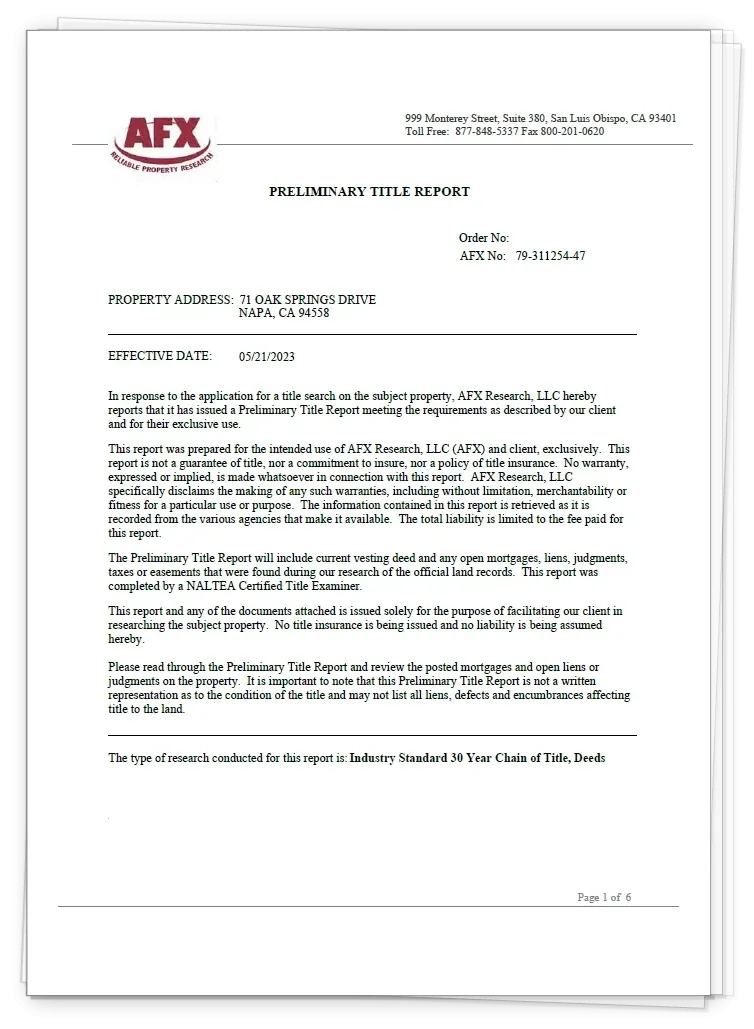
A title search can reveal recorded instruments and potential encumbrances that are not apparent from an informal ownership worksheet. A preliminary title report, for example, may identify deeds, mortgages, liens, judgments, easements, or other matters affecting the property record.
The purpose of title research is not simply to prove who owns the property. It is also to understand whether the ownership is affected by recorded interests or restrictions. A transaction that appears simple on the surface may require additional review when the record contains unusual instruments.
How to verify ownership information
Start with the most recent recorded deed or equivalent ownership instrument. Confirm the grantor, grantee, execution date, recording information, property description, and stated ownership structure. Do not assume that the person paying property taxes is necessarily the same person shown as the record owner.
Next, compare the deed with the current property record maintained by the appropriate local authority. Depending on the jurisdiction, this may involve a county recorder, clerk, register of deeds, land registry, or another designated office.
Then check for subsequent transfers. A prior deed may be accurate for its recording date but no longer represent the current ownership. This is particularly important after inheritance, divorce, entity transfers, refinancing, or transfers between family members.
Finally, document the research date and source. A template can include a short verification log such as “record reviewed,” “recording number,” “date checked,” and “issues requiring follow-up.” This creates a useful audit trail without pretending that the worksheet itself is an official title record.
When the property is being purchased, title research should be integrated with the broader due-diligence process. Purchase agreements commonly address legal descriptions, title searches, surveys, inspections, financing, disclosures, closing costs, and the deed to be delivered at closing. :contentReference[oaicite:5]{index=5}
Creating a sample property ownership Template Step by Step
Begin by defining the purpose. A template intended for co-owners managing a vacation home will look different from a worksheet used by a buyer preparing for a purchase. Decide whether the document is an internal agreement, a data-collection form, a transaction checklist, or a drafting reference.
Next, create the party section. Use complete legal names and identify whether each party is acting individually or through an entity. If a trust, corporation, partnership, or limited liability company is involved, the document should clearly distinguish the entity from its owners or beneficiaries.
Add the property section next. Enter the address, county, state, parcel number, and legal description. If the legal description is attached separately, label it as an exhibit and make sure the attachment can be identified unambiguously.
After that, document the ownership arrangement. State the intended percentages and form of ownership, then explain any economic arrangements that differ from the title structure. This is where many informal agreements become unclear because the parties discuss contributions without stating what those contributions mean for ownership.
Finally, add signatures, dates, acknowledgments, and a verification section. The signature block should reflect the capacity in which each party signs. Whether notarization, witnesses, recording, or additional forms are required depends on the jurisdiction and document involved.

Using PDF, Word, and Spreadsheet Formats
A PDF is useful when the goal is to preserve a final version of a document. Once a PDF is finalized, it can be easier to circulate as a stable reference because the page layout is less likely to change accidentally during routine viewing.
Word documents are useful during drafting because they can be edited, reorganized, and reviewed collaboratively. A word-processing format is often practical for developing an agreement before producing a final signed version, provided the parties understand that an editable template is not necessarily a legally sufficient document.
Spreadsheet formats are useful when the main purpose is organizing ownership data rather than drafting legal clauses. A spreadsheet can track owner names, percentages, contributions, payment dates, expenses, property identifiers, document numbers, and verification dates across multiple properties.
A spreadsheet should not be used to replace a deed or other legally required instrument. Its strength is organization. For example, a property manager could maintain one row for each property and separate columns for current owner, ownership percentage, tax parcel number, insurance renewal date, mortgage status, and the location of supporting records.
Version control is important in every format. A file named “final” can quickly become outdated when multiple versions circulate. A better system records the effective date, revision date, document status, and responsible reviewer. This makes it easier to determine which document was intended to control at a particular time.

State-Specific Considerations
Real estate ownership is highly dependent on state law. A general template can explain concepts, but it should not imply that the same ownership language, execution procedure, or recording requirement applies in every jurisdiction.
California provides a clear example of why state-specific research matters. The California Board of Equalization identifies sole ownership, tenancy in common, joint tenancy, and community property as primary forms of ownership and provides separate explanations of their characteristics. :contentReference[oaicite:6]{index=6}
California also distinguishes tenancy in common from joint tenancy in terms of survivorship. The state’s official property-tax guidance explains that an individual tenant in common’s interest does not automatically pass to the other co-owners through survivorship, while joint tenancy generally includes survivorship characteristics. :contentReference[oaicite:7]{index=7}
Florida uses different terminology and has important rules concerning joint ownership. The Florida Bar identifies tenancy by the entireties, tenancy in common, and joint tenancy with rights of survivorship among common forms of joint ownership. It also explains that tenancy by the entireties is available to married couples and can have distinctive creditor and survivorship consequences. :contentReference[oaicite:8]{index=8}
Texas likewise has its own deed and recording considerations. State-specific forms should be reviewed against Texas law and county recording practices rather than copied from another jurisdiction. A generic template is most useful as a checklist of information, not as proof that the resulting document meets every Texas requirement.
California
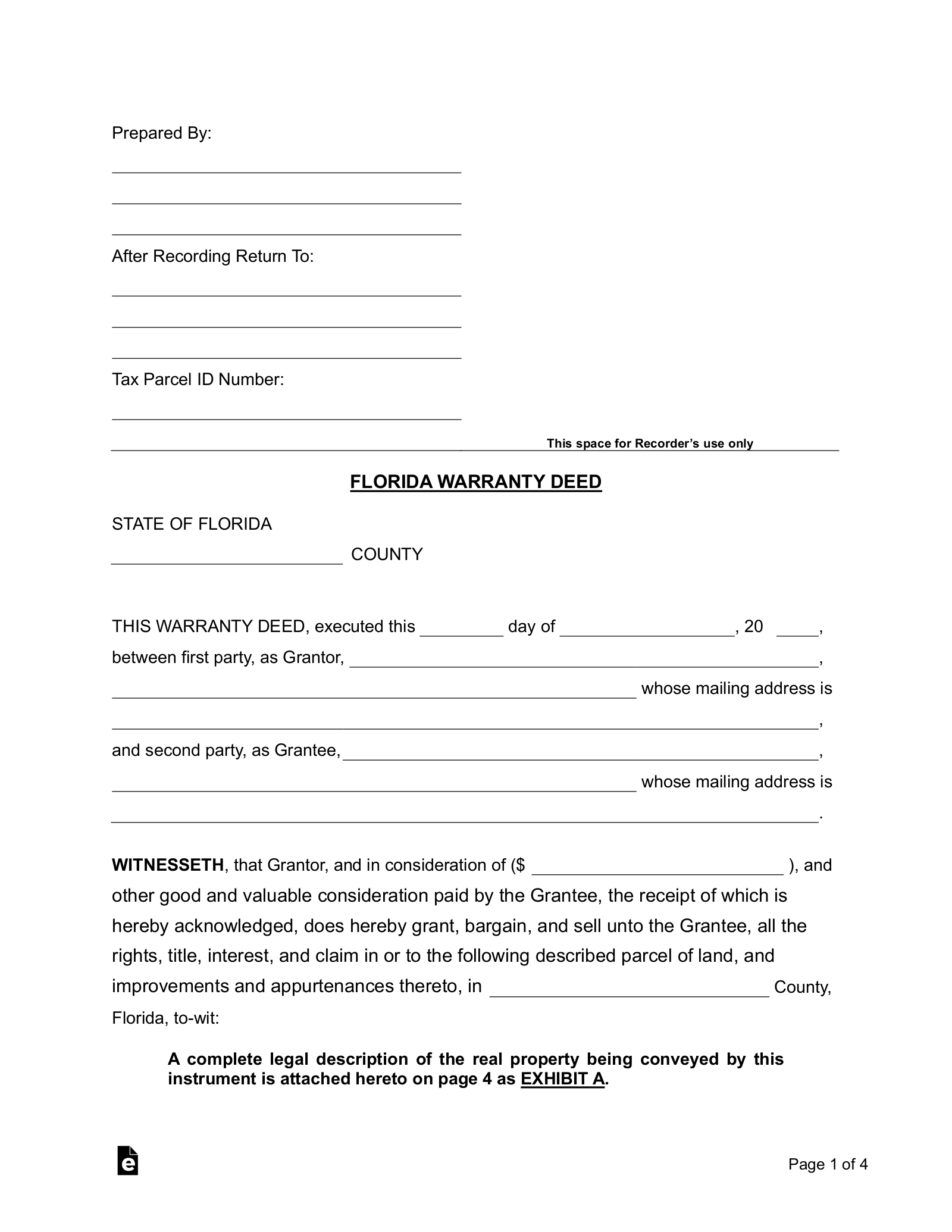
For California properties, a template should allow the parties to identify the ownership form precisely. California’s official guidance notes that tenancy in common, joint tenancy, and community property are concurrent ownership structures, while sole ownership places the property in one person or legal entity. :contentReference[oaicite:9]{index=9}
California documents should also be checked against the applicable recorder and assessor requirements. A private ownership agreement may describe the parties’ intentions, but it does not automatically alter the public title record.
When ownership is being transferred, the legal description and parcel information deserve particular attention. The California Board of Equalization explains that property ownership changes can trigger specific tax-assessment rules and exclusions, which means the documentation should be coordinated with the appropriate official process. :contentReference[oaicite:10]{index=10}
A California-oriented template can therefore include fields for the county, assessor parcel number, current vesting, proposed vesting, transfer date, recorded instrument number, and any related ownership-change filing. Those fields help organize information without claiming that a generic form is itself an official California filing.
For complicated family transfers, estate planning, community-property questions, or changes in title, professional review is especially important because the consequences can extend beyond the wording of a simple ownership worksheet.
Florida
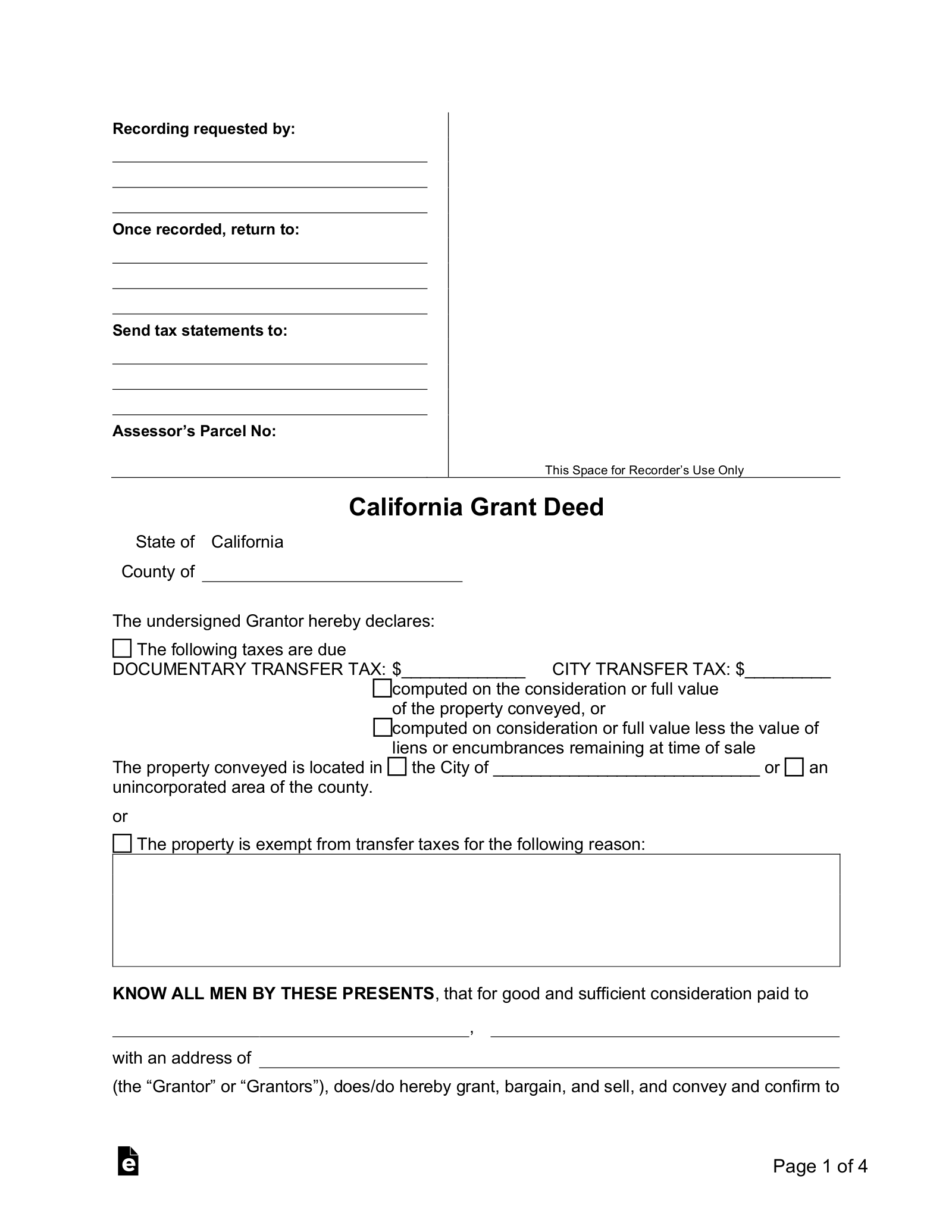
Florida has several ownership structures that can produce different legal consequences. The Florida Bar explains that married couples may hold real property as tenants by the entireties, while other co-owners may hold property as tenants in common or joint tenants with rights of survivorship. :contentReference[oaicite:11]{index=11}
A Florida template should therefore avoid generic language such as “joint owner” when the intended legal structure is important. Instead, the document should identify the intended vesting and leave formal title language to the appropriate deed or professional drafting process.
Florida also has specific considerations involving homestead property. The Florida Bar notes that ownership structure can interact with homestead protections, survivorship, creditors, and restrictions on disposition. These issues can make seemingly simple ownership decisions much more consequential. :contentReference[oaicite:12]{index=12}
For Florida transactions, a template can be particularly useful as a document checklist. It can track the deed, property appraiser information, title work, disclosure materials, survey, insurance, closing documents, and any additional affidavits or certificates required for the transaction.
Because Florida’s rules can be fact-specific, the safest approach is to use a template to organize facts and questions, then confirm the legal form with a qualified Florida professional before execution or recording.

Texas
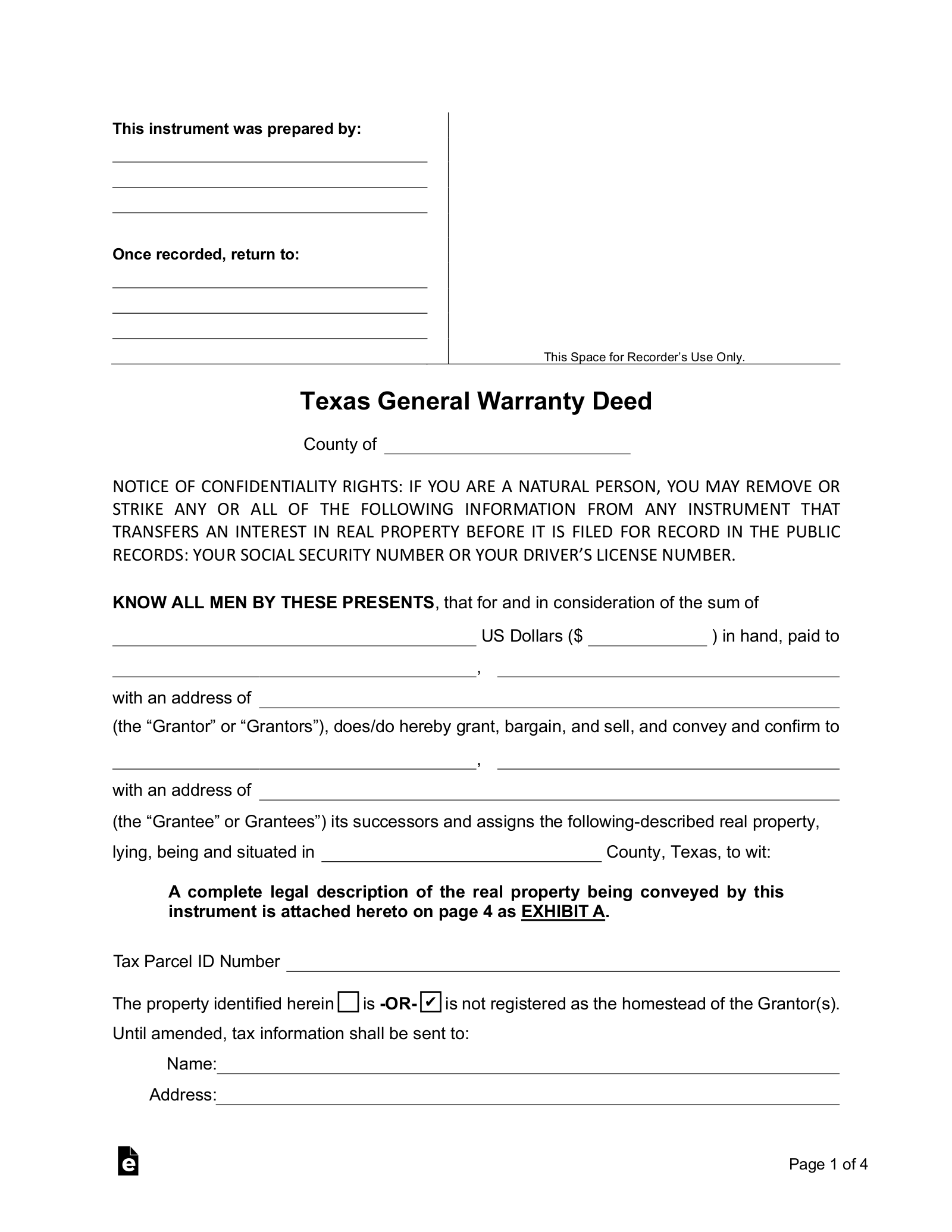
Texas deeds and ownership records also require attention to state-specific language and county procedures. A Texas general warranty deed, for example, can contain particular notices and execution requirements that should not be copied blindly into another state’s document.
A Texas ownership worksheet can record the county, property address, parcel or tax information, current owner, proposed owner, consideration, legal description, and recording information. Keeping those details together can simplify later review.
Texas transactions can also involve affidavits and survey-related information. A T-47 residential real property affidavit, for example, addresses factual statements about the property and its improvements in a title-insurance context. A template should distinguish such specialized documents from a general ownership agreement.
Where a Texas property is jointly owned, the parties should identify how their intended arrangement relates to the recorded deed. If the private agreement and recorded instrument conflict, the parties should obtain legal advice rather than assuming that the private template changes title automatically.
For any transfer, the county recording office and current Texas law should be checked before execution. The purpose of a template is to improve preparation, not to eliminate the need for jurisdiction-specific verification.

Property Ownership Agreements
A property ownership agreement is different from a deed. The agreement generally describes how co-owners intend to manage their relationship, while the deed is an instrument associated with conveying or documenting an interest in real property.
A strong agreement can address use of the property, expense sharing, maintenance, improvements, rental decisions, insurance, refinancing, sale procedures, and dispute resolution. It can also establish what happens when an owner wants to exit the arrangement.
Buyout provisions deserve special attention. A template might specify how the property is valued, whether an independent appraisal is required, how notice is delivered, and how the purchase price is calculated. Without a defined procedure, an exit can become difficult when the owners disagree about value.
Decision-making rules should also be realistic. Requiring unanimous consent for every minor repair can make the property difficult to manage, while giving one owner unlimited authority over major decisions can create unacceptable risk for the others.
Finally, the agreement should explain how amendments are made. Requiring written amendments signed by the affected parties can reduce disputes about whether a later conversation changed the original arrangement.

House for Sale by Owner Documentation
A house sold directly by its owner can involve many of the same documentation issues as a transaction involving an agent. The absence of an agent does not eliminate the need to identify the parties, property, purchase price, contingencies, disclosures, title information, closing arrangements, and deed.
A useful FSBO workflow begins with a property information sheet. The seller can record the legal address, parcel number, approximate property details, known improvements, existing liens or mortgages, and documents that should be made available during due diligence.
The purchase agreement should then establish the commercial terms of the transaction. A typical agreement may address the parties, property description, price, earnest money, financing, inspection, title, closing costs, closing date, and other conditions. The exact requirements vary by jurisdiction.
Seller disclosures should be treated separately from ownership documentation. A disclosure describes known information about the condition or history of the property, whereas ownership documentation addresses who owns or transfers the real estate interest.
Before closing, the buyer and seller should reconcile the purchase agreement, title information, survey if applicable, disclosures, financing, settlement figures, and deed. This is one of the most practical uses for a well-designed sample property ownership Template: it can act as a central checklist for confirming that the important information remains consistent.

Common Mistakes to Avoid
The first mistake is treating a generic template as a legal instrument automatically valid everywhere. Real estate law is jurisdiction-specific, and requirements for execution, notarization, witnesses, recording, taxes, and title language can vary.
The second mistake is using an incorrect property description. A typo in an address may be inconvenient, but an inaccurate legal description can be much more serious. The property description should be copied or verified against a reliable record.
The third mistake is failing to distinguish ownership percentage from contribution percentage. Someone paying 70% of the expenses does not necessarily own 70% of the property unless the parties and applicable legal documents establish that result.
The fourth mistake is ignoring survivorship and inheritance consequences. Co-owners should understand whether an owner’s interest passes automatically to surviving owners or instead becomes part of the deceased owner’s estate.
The fifth mistake is leaving exit procedures undefined. If one owner wants to sell and the other wants to keep the property, a missing buyout procedure can create a dispute at precisely the moment when the parties need clarity.
Another common problem is inconsistent names. The spelling and legal capacity of each owner should remain consistent across the ownership agreement, deed, purchase agreement, title documents, and other transaction records.
Documents should also be dated carefully. If multiple versions exist, a reviewer should be able to determine which version was effective and whether a later amendment replaced an earlier provision.
Finally, avoid copying clauses simply because they appear in an online sample. A clause can be appropriate in one jurisdiction and unsuitable in another. A template should help identify issues for review, not encourage the parties to adopt unexplained legal language.
Practical Solution: A Reliable Property Ownership Documentation Workflow
The most practical solution is to treat the sample property ownership Template as the central information worksheet while keeping official title documents and legally operative agreements in their proper roles. This approach gives the parties one organized place to track facts without confusing the worksheet with the public record.
Step one is to collect the latest ownership document. Record the names, property description, recording information, and stated ownership structure. If the latest document cannot be located, identify that as an unresolved issue instead of filling the field from memory.
Step two is to verify the property identifier. Compare the street address, parcel number, county, and legal description. If the property is part of a subdivision, condominium, or planned development, confirm that the unit or lot information corresponds to the correct property.
Step three is to document the ownership arrangement. Record the intended ownership percentages and identify whether the parties expect survivorship, separate interests, community-property treatment, tenancy in common, or another legally recognized structure. Do not select an ownership form solely because it is the default in an online template.
Step four is to build a financial schedule. Record purchase contributions, mortgage obligations, taxes, insurance, maintenance, improvements, and reserves. If costs are divided differently from ownership percentages, state the arrangement clearly.
Step five is to create an operating plan. Identify who can authorize ordinary repairs, who manages tenants, how rental income is distributed, how major improvements are approved, and how emergency decisions are handled.
Step six is to create an exit plan. Define how an owner gives notice of an intention to sell, whether other owners have a right of first refusal, how value is established, and how closing costs are allocated. These provisions should be reviewed for enforceability under the applicable law.
Step seven is to maintain a document register. List the deed, ownership agreement, title report, survey, tax records, insurance documents, financing documents, disclosures, and amendments. Each record should have a date and a clear description.
Step eight is to review the document before signing. Check every name, percentage, property identifier, date, financial figure, attachment, and signature block. A second-person review can catch simple inconsistencies that the drafter overlooked.
Step nine is to complete the required professional and governmental process. Depending on the transaction, this may include notarization, witnesses, tax filings, recording, title work, lender requirements, or other formalities.
Step ten is to preserve the final version. Keep a signed copy of the agreement and a copy of the recorded instrument or recording confirmation where appropriate. If the document is revised later, preserve the prior version rather than silently overwriting it.

Reference Examples
The following reference examples show different document layouts and property-related forms that can help illustrate how ownership, transfer, title, and transaction information may be organized. They are examples for research and drafting context and should not be assumed to be legally sufficient for a particular jurisdiction.
sample property ownership template
Source: Template.net
sample property ownership template pdf
Source: eForms
sample property ownership template free
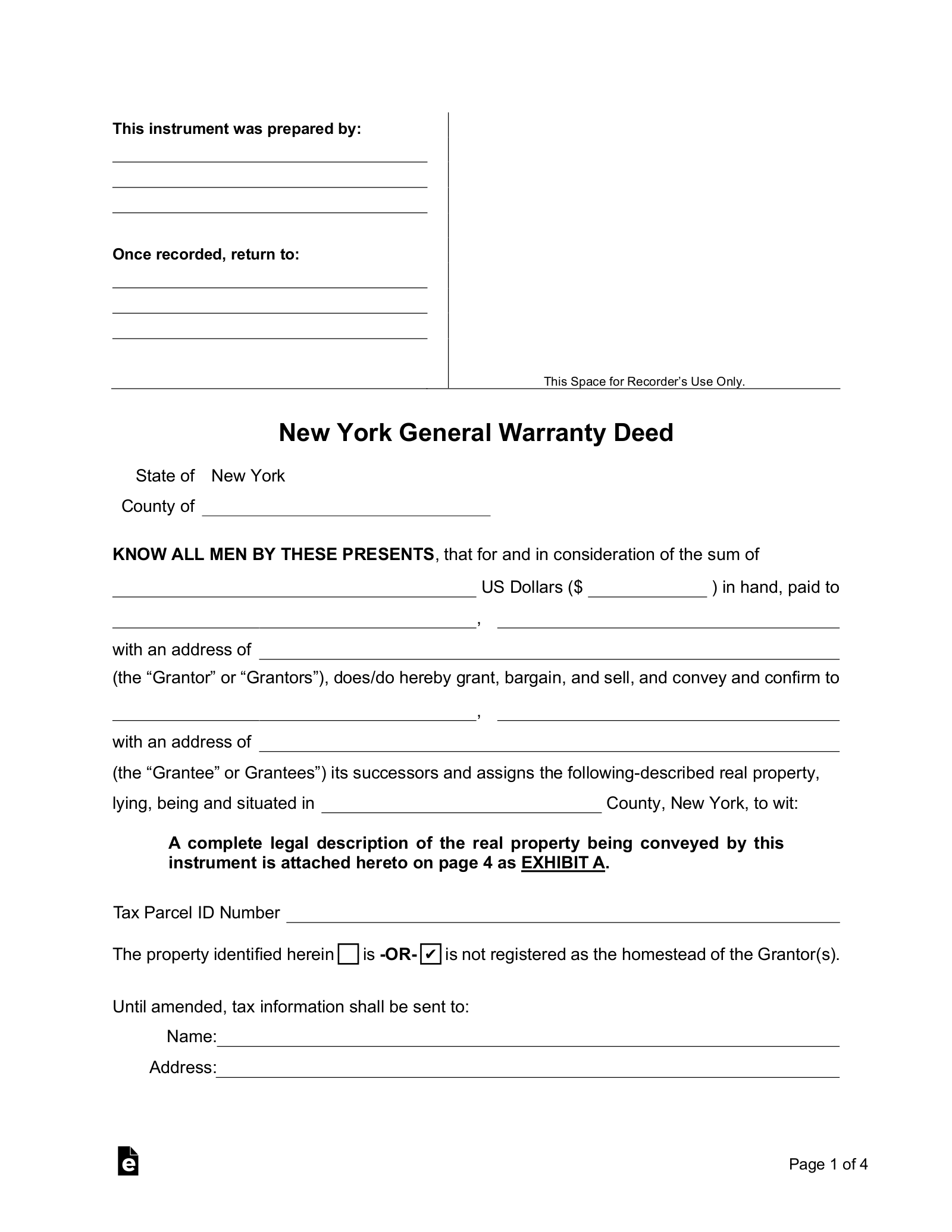
Source: eForms
sample property ownership template free download
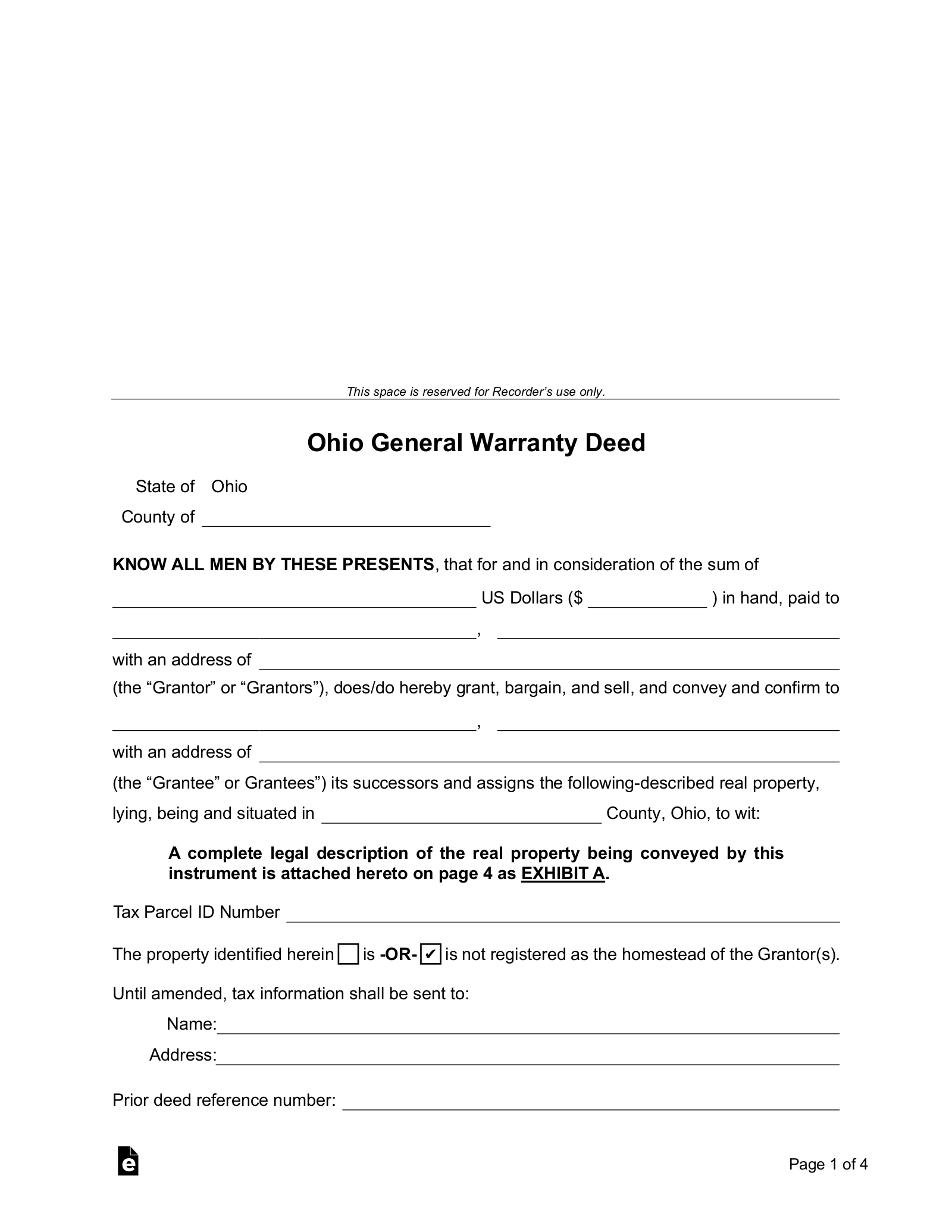
Source: eForms
sample property ownership template california
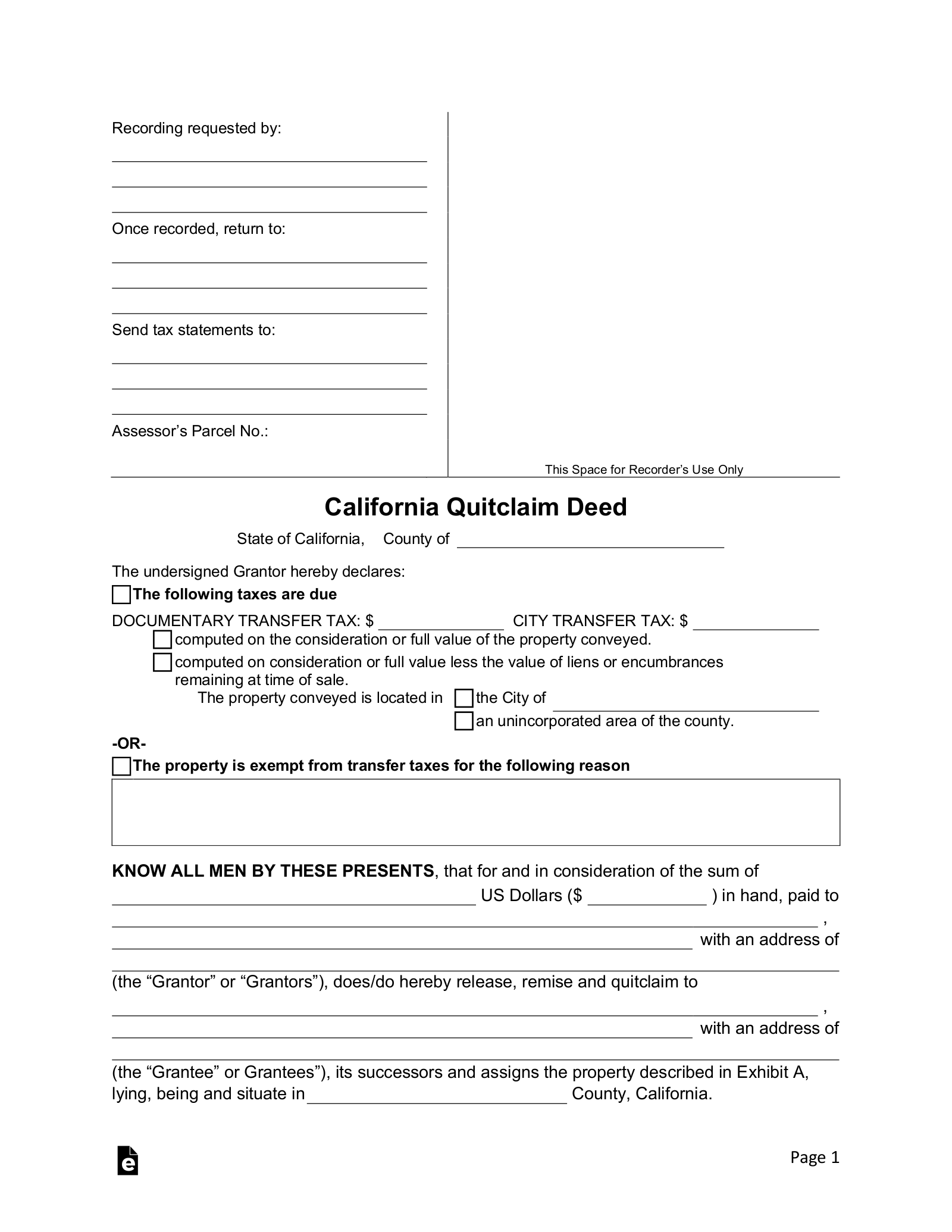
Source: eForms
sample property ownership template word
Source: Documentof
sample property ownership template florida
Source: eForms
sample property ownership template texas
Source: Yumpu
sample property ownership template excel
Source: TitleSearch.com
property ownership agreement template

Source: SampleForms.com
house for sale by owner template
Source: Scribd / Florida Realtors document preview
forms of property ownership
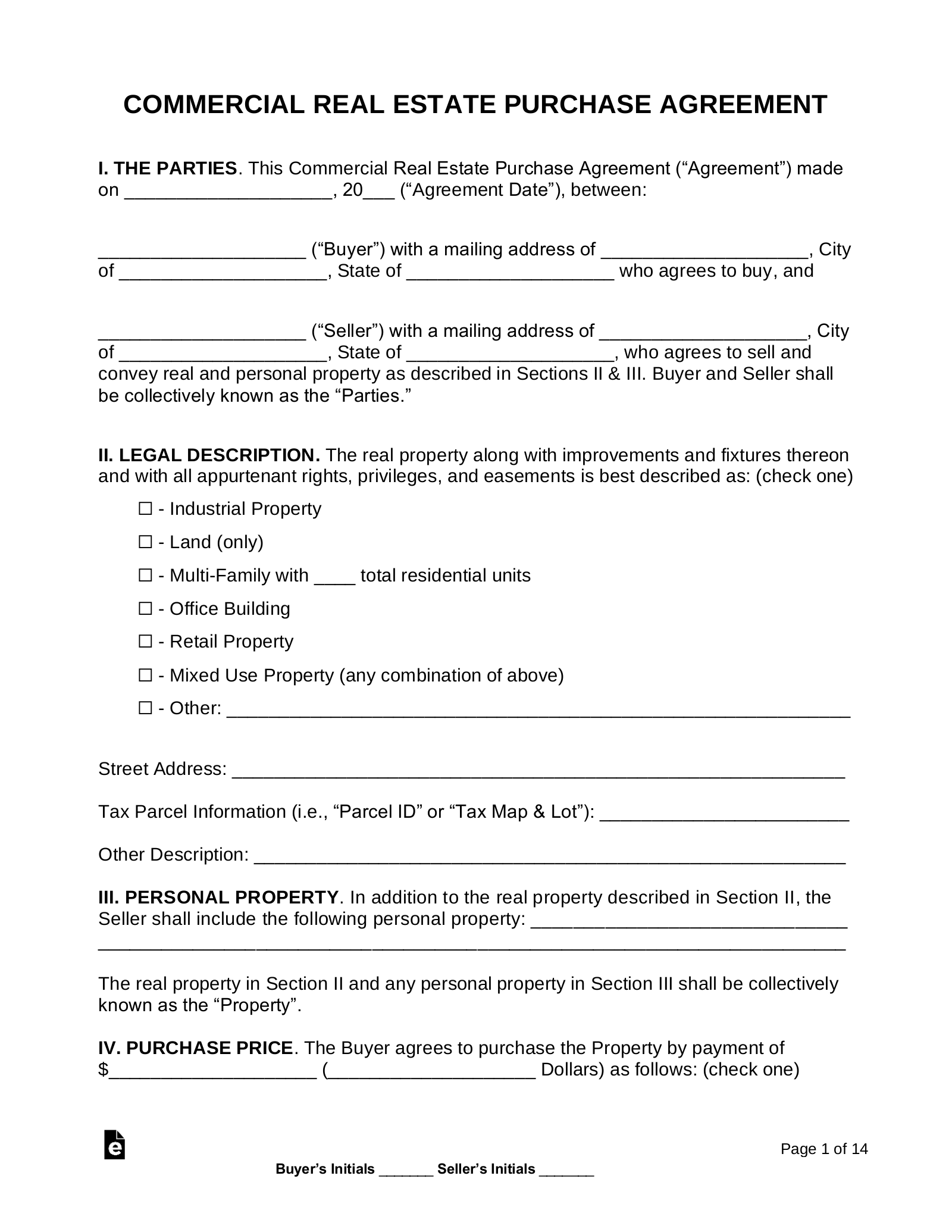
Source: eForms
Frequently Asked Questions
What is a sample property ownership Template used for?
It is generally used as a structured starting point for organizing property ownership information, co-owner responsibilities, financial arrangements, and transaction details. It can support drafting and recordkeeping, but it should not automatically be treated as a substitute for a deed or other legally operative document.
Does a property ownership template prove ownership?
Not necessarily. A private template or agreement may document the parties’ intentions, but ownership is generally established through the legally applicable title and recording system. The controlling documents and local law should be verified.
Can two people own a property with different percentages?
In ownership structures that permit unequal interests, co-owners may hold different percentages. The intended percentages should be documented clearly and checked against the applicable deed and state law. California, for example, distinguishes tenancy in common from joint tenancy and describes different characteristics for each. :contentReference[oaicite:13]{index=13}
Should I use a PDF or Word version?
Word is generally more convenient during drafting and editing, while PDF is useful for preserving a finalized version. Neither format determines whether a document is legally effective. The legal requirements depend on the document type and jurisdiction.
Is a property ownership agreement the same as a deed?
No. A property ownership agreement generally establishes contractual arrangements between parties, while a deed is an instrument used to convey or document an interest in real property. The two can work together but should not be treated as interchangeable.
What should be included in an ownership agreement?
Common subjects include the parties, property description, ownership interests, financial contributions, expenses, management responsibilities, use rights, improvements, insurance, transfer restrictions, buyout procedures, dispute resolution, amendments, and signatures. The appropriate provisions depend on the specific arrangement.
Are state-specific templates better than generic templates?
For a legally operative document, state-specific drafting is generally more appropriate because execution, recording, deed language, and ownership rules vary. A generic template can still be useful for organizing information and identifying issues for professional review.
What should I check before signing a template?
Verify every owner’s legal name, property address, parcel number, legal description, ownership percentage, financial obligation, date, attachment, signature capacity, and required formalities. Also verify whether notarization, witnesses, recording, tax forms, or additional documents are required.
Can a template be used for an FSBO transaction?
It can help organize an FSBO transaction, but it should not replace the purchase agreement, disclosures, title work, deed, or other documents required by the applicable jurisdiction. Direct sellers and buyers should independently verify the transaction requirements.
Conclusion
A well-designed sample property ownership Template is most useful when it brings scattered property information into one consistent framework. It can help co-owners document their intended relationship, help buyers and sellers organize transaction information, and help professionals identify missing or inconsistent records.
The most important principle is to distinguish organization from legal effect. A template can organize names, ownership percentages, property descriptions, contributions, expenses, and transfer procedures, but the legally controlling documents and applicable state and local rules must still be verified.
When creating or reviewing a template, begin with the property record, confirm the parties and legal description, identify the intended ownership structure, document financial responsibilities, establish decision-making and exit procedures, and maintain a clear document history.
State-specific research is essential because forms of ownership and transfer procedures can differ significantly. California, Florida, Texas, and other jurisdictions may use different terminology, execution requirements, recording procedures, and rules concerning survivorship or co-ownership.
The strongest documentation workflow therefore combines a practical template with reliable title research, accurate property information, appropriate transaction documents, and professional review when the circumstances are legally or financially significant.
Before finalizing an ownership arrangement, use the template as a checklist for facts and questions rather than assuming that an online sample automatically creates or transfers legal title. That approach makes the sample property ownership Template more useful, more organized, and less likely to create avoidable problems later.
A final review should confirm that the ownership information matches the relevant deed or title record, the parties understand their rights and responsibilities, and every required formal step has been addressed. With those safeguards in place, a sample property ownership Template can become a practical foundation for clearer real estate documentation and better long-term recordkeeping.

Ultimately, the value of a sample property ownership Template comes from using it carefully: verify the property, identify the owners, document the intended arrangement, distinguish private agreements from official title records, and confirm jurisdiction-specific requirements before relying on the document for an actual property transaction.
