A useful financial plan should answer several straightforward questions: Where are you financially today? What do you want to accomplish? How much will those goals cost? What resources are already available? What needs to change? Which numbers should be monitored regularly? A well-designed blank template makes these questions easier to answer consistently.
The best format depends on the purpose. A personal plan may emphasize household cash flow, debt, savings, insurance, investments, and long-term goals, while a business plan may emphasize revenue, operating costs, working capital, profitability, funding requirements, and projected financial statements. The underlying planning principles are similar, but the level of detail should match the decision being made.
When comparing templates, focus less on visual design and more on whether the document separates historical information from forecasts, identifies assumptions, provides space for measurable goals, and makes calculations understandable. A beautiful spreadsheet with unclear formulas can be less useful than a simple worksheet that you can maintain accurately.
This guide explains how to evaluate a financial plan template blank, how to select the right file format, how to populate it with reliable information, how to interpret the results, and how to turn the completed document into an ongoing decision-making tool.
What Is a Financial Plan Template?
A financial plan template is a pre-structured document or spreadsheet that organizes the main information needed to understand and manage finances. Instead of designing headings, tables, categories, and formulas from scratch, you begin with a framework and customize it to your situation.
A blank template normally contains fields rather than completed financial information. Depending on its purpose, those fields may cover financial goals, income, expenses, assets, liabilities, cash flow, capital requirements, assumptions, forecasts, ratios, and review dates. The blank structure is useful because it separates the planning framework from the numbers that belong to the individual or organization.
The template should not be confused with accounting records. Accounting records describe transactions that have already occurred or are being recorded, while financial planning combines current information with goals, assumptions, forecasts, and decisions about future resources.
A planning template can also be much simpler than a full financial model. Someone managing household finances may need a few pages showing income, recurring expenses, debt, savings, and goals. A growing company may need interconnected schedules for sales, payroll, operating expenses, capital expenditures, working capital, cash flow, and projected financial statements.
The practical objective is clarity. A good template helps the user see relationships between money coming in, money going out, resources owned, obligations owed, and future commitments. Once those relationships are visible, it becomes easier to decide what to prioritize and what assumptions deserve closer examination.

Why Use a Blank Financial Plan Instead of Starting From Scratch?
Starting from a blank page often creates unnecessary friction. People may know that they need a budget, forecast, or goal plan but spend too much time deciding what headings to create. A structured template removes that initial design problem and lets the user concentrate on collecting accurate information.
A template also encourages consistency. If income, expenses, debt, and savings are recorded using the same categories each month, changes become easier to identify. Consistent categories are especially valuable when a plan is reviewed by more than one person, such as business partners, household members, managers, accountants, or advisers.
Another advantage is completeness. A thoughtfully designed template reminds the user to consider categories that might otherwise be overlooked. For example, a business forecast should not focus only on sales; it may also need payment timing, payroll, taxes, inventory, equipment purchases, financing, and other cash requirements.
Templates can also make scenario planning easier. Once a spreadsheet has a consistent structure, you can create alternative cases such as conservative, expected, and optimistic assumptions. The goal is not to predict the future perfectly. It is to understand how different assumptions could affect cash requirements and financial outcomes.
Finally, a reusable template becomes a historical record of decisions. Keeping previous versions or dated review tabs allows you to compare forecasts with actual results. That comparison can reveal where assumptions were too aggressive, where costs were underestimated, or where changes in circumstances require a new plan.

Core Components of a Strong Financial Plan
The first component is a current financial snapshot. For an individual, this may include cash balances, investments, property, debts, recurring income, and recurring expenses. For a business, it may include recent revenue, operating costs, cash balances, outstanding receivables, payables, debt, inventory, and other relevant financial resources.
The second component is the goal structure. Goals should be specific enough to measure. Instead of writing “save more money,” a stronger entry might state a target amount, a deadline, and the intended purpose. Business goals can similarly connect a desired revenue level or cash reserve to a time period and a strategic reason.
The third component is cash flow. Profit and cash are not always the same thing. A business can record a sale before receiving payment, while an individual can have an annual income figure that does not describe the timing of actual cash availability. Cash-flow planning therefore helps identify periods when resources may be tight.
The fourth component is forecasting. Forecasts translate assumptions into expected financial outcomes. Revenue growth, pricing, costs, salary changes, debt payments, investment contributions, inflation assumptions, and major purchases can all affect future results. Forecasts should always be labeled as estimates rather than presented as guaranteed outcomes.
The final component is review and control. A plan becomes useful when it has defined review points, responsible people, updated actual figures, and documented changes. Without a review process, even an excellent template can become an outdated document that no longer reflects reality.
How to Build a Financial Plan Step by Step
Begin by defining the purpose of the plan. Decide whether it is for personal budgeting, debt reduction, a major purchase, retirement preparation, a startup, an established business, financing discussions, internal management, or another specific decision. The purpose determines which sections deserve the most attention.
Next, establish the planning period. A short-term plan may cover the next few months, while a business forecast may extend several years. Longer forecasts should generally use broader assumptions and be treated as strategic scenarios rather than highly precise predictions.
Then gather source information before filling the template. Useful inputs can include bank statements, payroll records, invoices, loan statements, investment records, bills, contracts, tax records, accounting reports, sales histories, and documented business assumptions. Working from source information reduces the risk of building a plan around memory or rough estimates.
Enter current information before forecasting future results. This creates a baseline. Once the starting position is clear, future changes can be calculated from identifiable assumptions. For example, projected savings should have a connection to expected income, planned spending, and the timing of contributions rather than appearing as an arbitrary target.
Finish the first draft by reviewing whether every important figure has an explanation. If a number is unusually high, unusually low, or materially different from the previous period, identify the reason. A financial plan becomes much more useful when the numbers tell a coherent story instead of simply filling empty cells.
Choosing Between PDF, Excel, Word, and Google Sheets
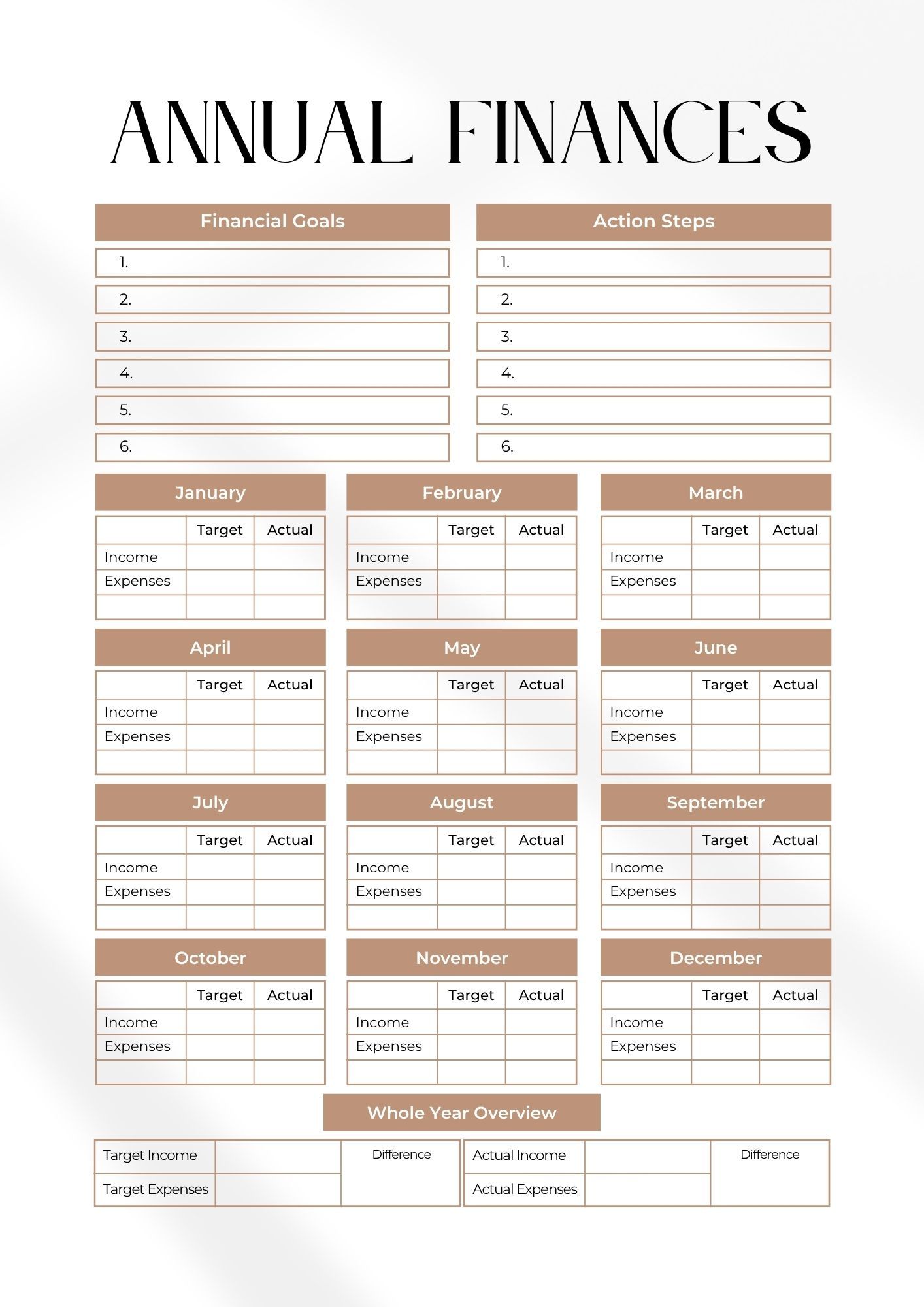
The file format should be selected according to how the plan will be used. A PDF is useful when the primary purpose is printing, reviewing, sharing, or preserving a fixed version. It is less convenient when the document requires frequent calculations or changes.
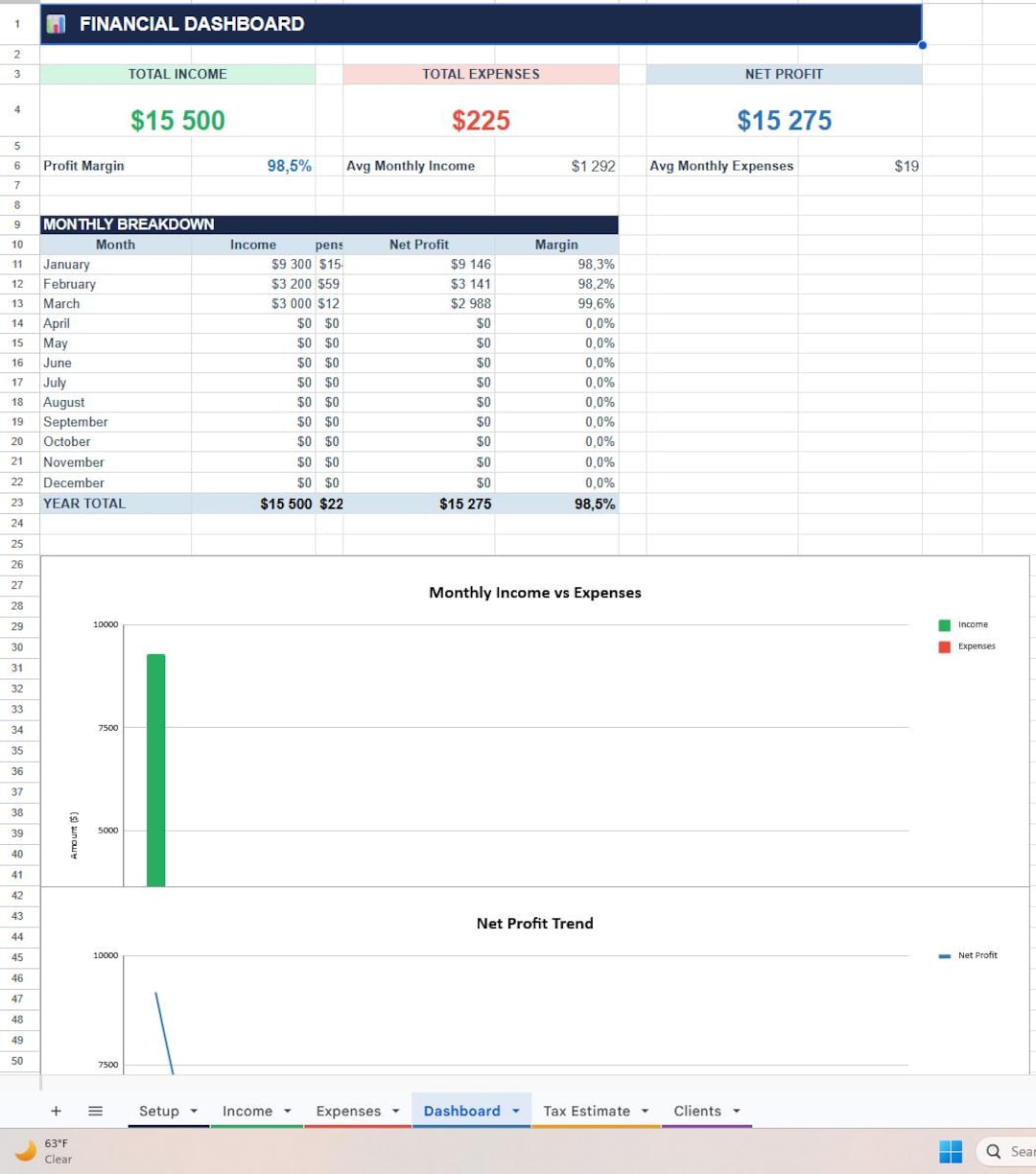
Excel is generally better when formulas, calculations, multiple worksheets, charts, and structured financial models are important. A spreadsheet can automatically calculate totals, variances, growth rates, debt balances, and other relationships, reducing repetitive manual work when formulas are designed correctly.
Word is useful when the financial plan includes substantial narrative. A business proposal, funding document, or strategic plan may require explanations of assumptions, risks, objectives, and implementation steps alongside financial tables. A Word-based financial plan can therefore work well when financial information is part of a larger written document.
Google Sheets is particularly useful when several authorized people need to work on the same planning document. It can support collaboration, comments, shared review, and cloud-based access. Users should still establish appropriate permissions and avoid exposing sensitive financial information unnecessarily.
There is no universal winner. If you are searching for a financial plan template blank pdf, think about whether you need a printable document or an editable working file. If calculations dominate, a spreadsheet is usually more practical. If narrative and presentation dominate, a document format may be preferable.

Financial Plan Template Blank Excel: When a Spreadsheet Makes Sense
A financial plan template blank excel format is useful when calculations are central to the planning process. Excel allows separate worksheets for assumptions, income, expenses, cash flow, assets, liabilities, forecasts, and summaries while keeping the information connected through formulas.
When building an Excel-based plan, use clear input areas and avoid hiding important assumptions inside complex formulas. A reader should be able to identify which cells contain source data, which cells contain calculated values, and which cells contain management assumptions.
Use consistent time periods throughout the workbook. Mixing monthly revenue with annual expenses without clearly defining the relationship can produce misleading results. If monthly data is available, build monthly calculations first and summarize them into quarterly or annual views when appropriate.
Formula checks are also important. Totals should reconcile, cash movement should make sense, and financial statements should balance where applicable. A simple error-check area can flag negative balances, missing inputs, inconsistent dates, or differences between related totals.
A spreadsheet should remain understandable even after several months of updates. Use descriptive worksheet names, clear labels, consistent units, and a short assumptions section. The objective is not to make the workbook look sophisticated; it is to make the financial logic easy to audit and maintain.
Financial Plan Template Personal: Building a Personal Version
A financial plan template personal users can maintain should begin with the current financial position. List reliable income sources, recurring expenses, cash reserves, investments, debts, and other material assets or obligations. Avoid including sensitive account numbers or unnecessary identifying information in a general-purpose template.
Separate fixed and flexible expenses where practical. Housing, insurance, minimum debt payments, and contractual obligations may behave differently from discretionary spending. This distinction helps identify which costs can realistically be adjusted when income changes.
Next, define personal goals. Common categories include emergency savings, education, a home purchase, debt reduction, retirement, major purchases, or other long-term priorities. Each goal should have a target amount, approximate deadline, current progress, and contribution strategy.
Debt deserves its own section because interest costs and required payments can materially affect available cash. Record balances, interest rates, minimum payments, and planned additional payments. A repayment strategy should be based on actual affordability rather than assuming that every available dollar can safely be directed toward debt.
Finally, add a review schedule. A monthly review can focus on cash flow and spending, while a quarterly or annual review can address net worth, longer-term goals, insurance needs, investment allocations, and changes in income or major obligations.

Building a Financial Plan for a Business
Business planning begins with the operating model. Identify how the company earns revenue, what drives sales volume, how prices are determined, and which costs increase as sales increase. A financial plan is stronger when the numbers are connected to actual business activities.
Revenue forecasting should be based on understandable drivers. Depending on the business, those drivers might include customers, transactions, units sold, average order value, subscriptions, contracts, billable hours, or locations. The chosen driver should be consistent with the way the business actually generates revenue.
Expense planning should distinguish recurring operating costs from variable costs and one-time expenditures. Payroll, rent, software, insurance, utilities, materials, marketing, professional fees, equipment, and financing costs may behave differently and should not automatically be grouped into one total.
Working capital deserves special attention. Receivables, inventory, and payables can create cash requirements even when the business appears profitable. A forecast that considers only revenue and profit may miss the timing difference between earning money and receiving it.
A business financial plan should also connect funding needs to specific uses. If external financing is being considered, explain whether funds will support equipment, inventory, hiring, marketing, working capital, debt refinancing, or another purpose. The financial request should be consistent with the underlying forecast.
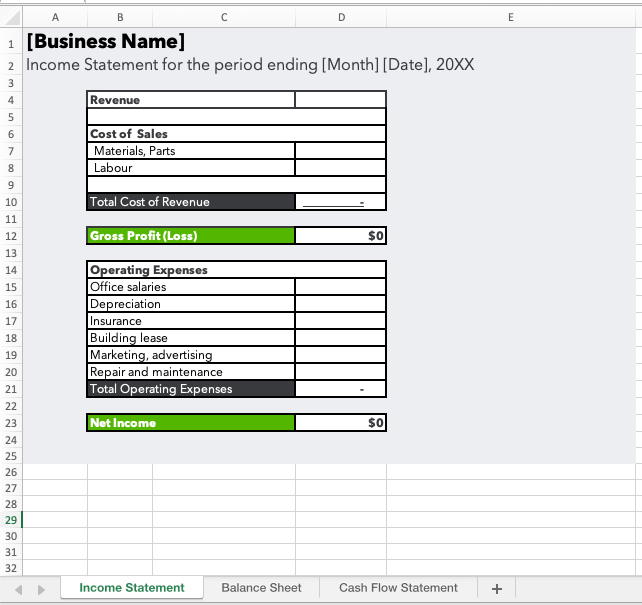
Income, Expenses, and Cash Flow
Income is the starting point for many plans, but income alone does not determine financial health. The important question is how much income is available after necessary expenses, taxes, debt obligations, savings commitments, and other planned uses of money.
Expense categories should be detailed enough to support decisions but not so detailed that maintaining the plan becomes burdensome. If a category is rarely reviewed independently, it may not need its own line. If a category has a major impact on financial decisions, separating it can be valuable.
Cash flow focuses on timing. For example, a business might invoice a customer in one month and receive payment later. Similarly, an individual might receive irregular income that does not align neatly with monthly expenses. Recording expected cash timing can reveal periods where liquidity needs attention.
A simple cash-flow calculation is opening cash plus cash inflows minus cash outflows, producing expected closing cash. The same principle can be extended across months. The important point is that the plan should distinguish cash movement from accounting concepts such as accrued revenue or non-cash expenses.
Reviewing cash flow also helps identify the minimum reserve required to handle ordinary volatility. A reserve target should reflect the specific risks of the individual or organization rather than being treated as a universal number that applies equally to everyone.
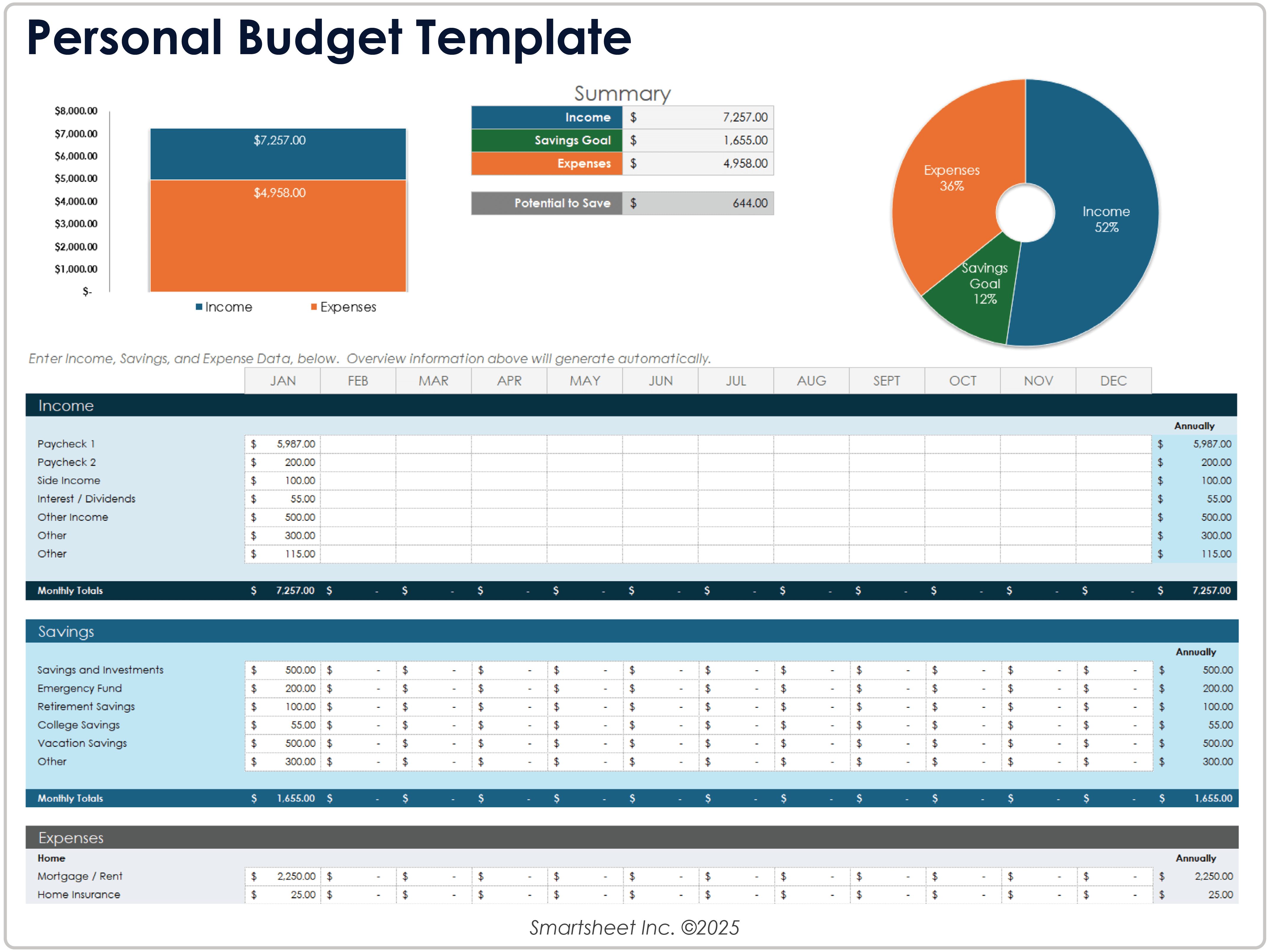
Assets, Liabilities, and Net Worth
Assets are resources with financial value, while liabilities represent obligations. The difference between total assets and total liabilities provides a snapshot of net worth. Tracking this relationship over time can help show whether financial progress is occurring even when monthly cash flow varies.
For personal planning, assets may include cash, investments, property, retirement accounts, or other material resources. Liabilities may include mortgages, student loans, credit cards, vehicle financing, personal loans, and other obligations. The categories should reflect the user’s actual financial situation.
For businesses, asset categories may include cash, accounts receivable, inventory, equipment, property, and other resources. Liabilities can include accounts payable, taxes payable, loans, leases, and other obligations. Equity represents the residual interest after liabilities are considered.
A balance sheet is useful because it provides a point-in-time perspective. Cash flow shows movement over a period, while a balance sheet shows the position at a particular date. Using both views prevents the planner from relying on a single measure of financial condition.
Net worth should also be interpreted carefully. A higher net worth is not automatically equivalent to higher liquidity. Someone may own valuable property while having limited cash available for immediate expenses. The plan should therefore track both overall resources and readily available resources.
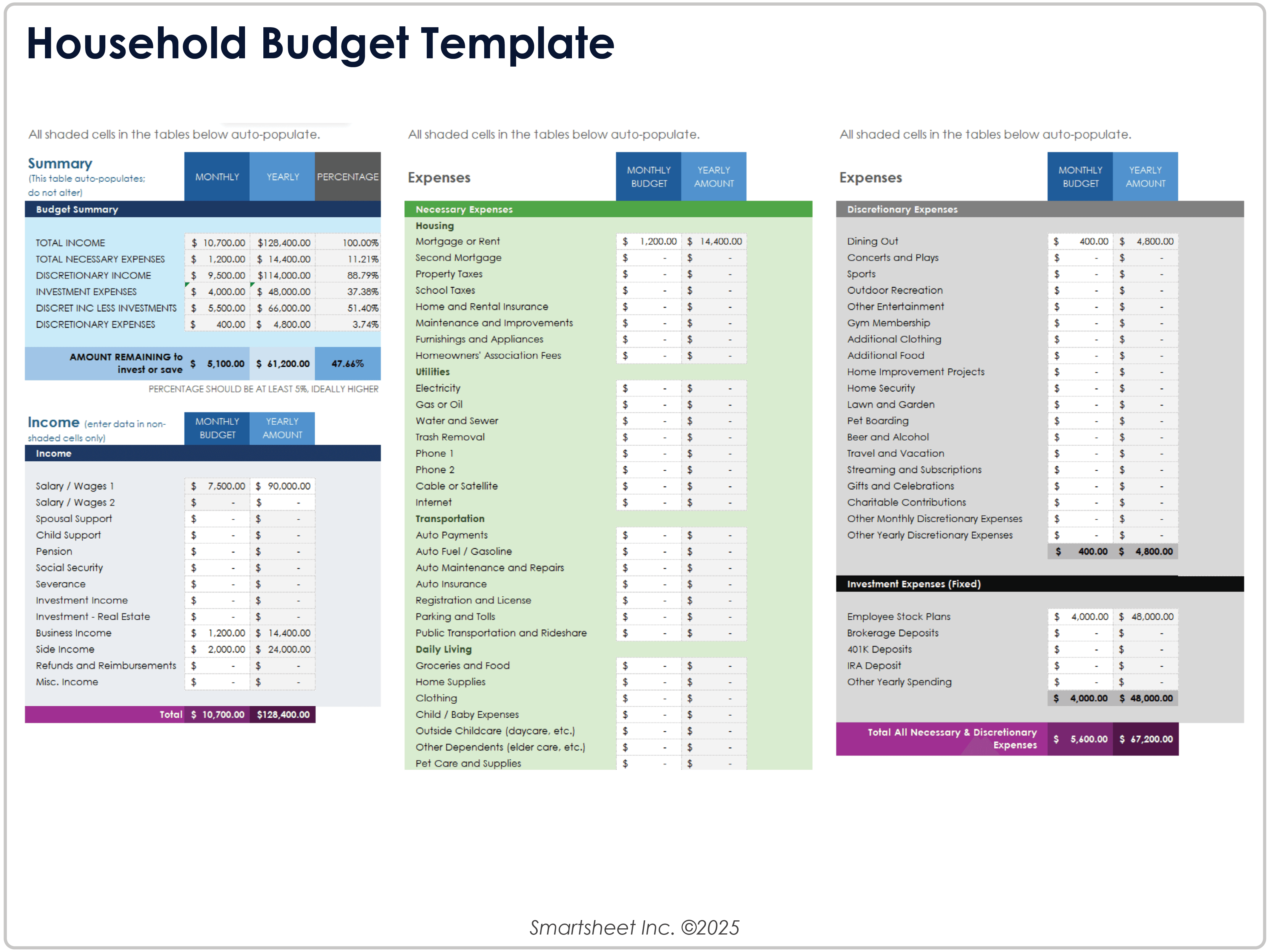
Setting Financial Goals That Can Actually Be Managed
Good financial goals are measurable, time-bound, and connected to a practical action. A goal such as “build savings” is incomplete because it does not define the desired amount or timeframe. A stronger goal might specify an amount, target date, current balance, and regular contribution.
Divide goals by time horizon. Short-term goals may involve upcoming expenses or building cash reserves. Medium-term goals may involve education, a vehicle, a home, business expansion, or debt reduction. Long-term goals may include retirement, financial independence, or major strategic investments.
Prioritize goals when resources are limited. Trying to fund every objective equally can create a plan that is unrealistic. Ranking goals by importance, deadline, financial impact, and flexibility can help determine which objectives should receive attention first.
Attach an action to every important goal. If the target is saving a specific amount, identify the planned contribution. If the target is debt reduction, define the payment strategy. If the target is business growth, connect it to revenue drivers, hiring, capital expenditure, or another measurable operating action.
Review goals when circumstances change. A new job, reduced income, major purchase, new debt, business expansion, or change in household responsibilities can alter the assumptions behind the original plan. Updating the goal is not failure; it is part of maintaining a realistic plan.
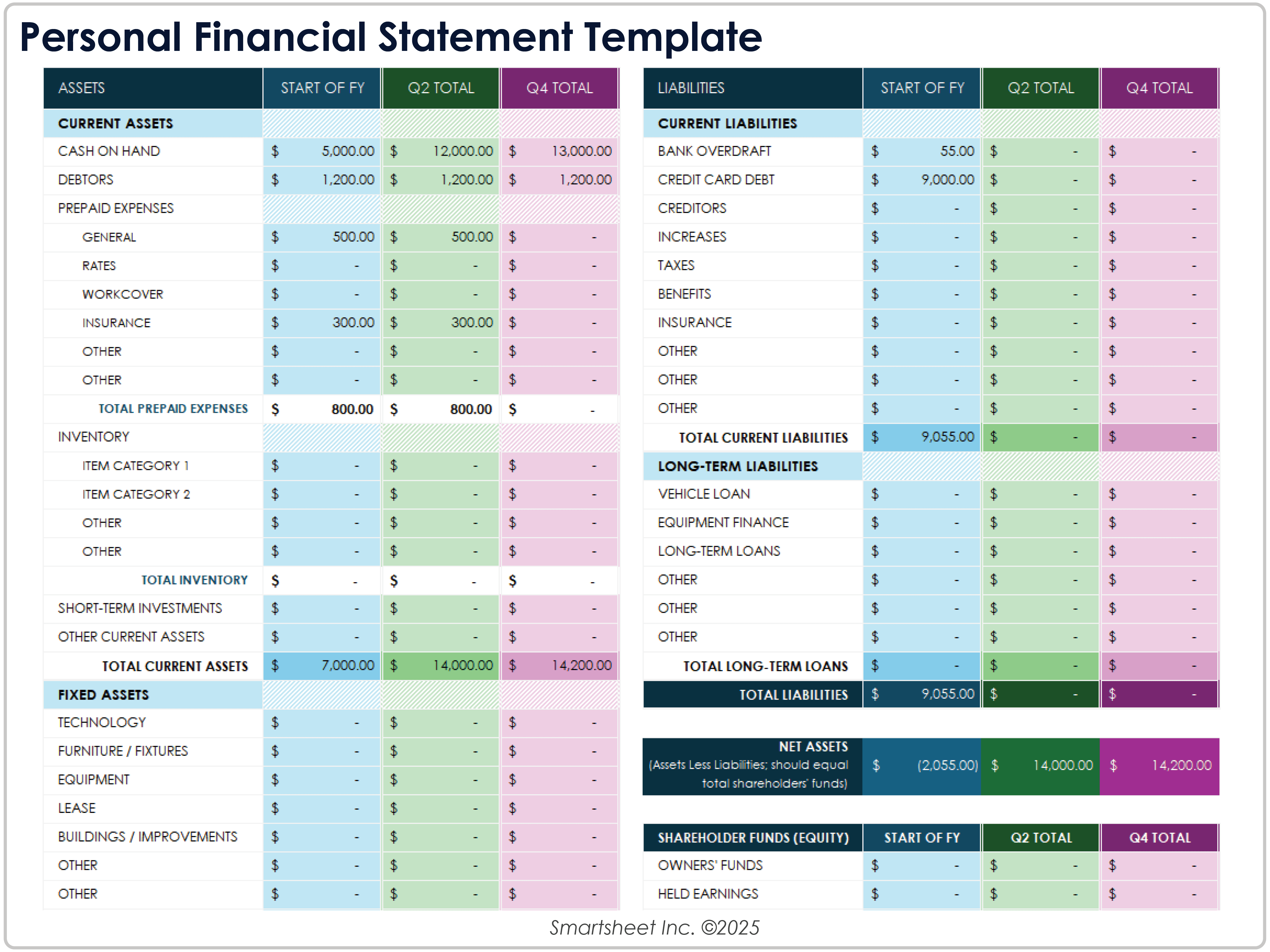
Debt Planning and Financial Risk
Debt should be analyzed using more than the outstanding balance. Interest rate, required payment, remaining term, repayment flexibility, and the purpose of the borrowing can all influence the appropriate strategy.
Separate essential obligations from optional borrowing when reviewing risk. A debt used to finance a productive asset may have a different role from high-cost revolving debt. The template should make enough room to explain these distinctions rather than treating every liability as identical.
Debt-service capacity is also important. Before increasing payments or taking on additional borrowing, evaluate whether normal cash flow can support the obligation under less favorable conditions. A plan based entirely on optimistic income assumptions can make a manageable liability appear safer than it really is.
Scenario analysis is useful for debt planning. Consider what happens if income falls, sales decline, interest costs rise, or an unexpected expense occurs. The purpose is not to predict a crisis but to identify vulnerabilities early enough to create alternatives.
Include a contingency strategy. Depending on the situation, this might involve maintaining a cash reserve, reducing discretionary expenses, delaying a purchase, negotiating payment timing, increasing income, or identifying alternative funding sources. The appropriate response depends on the circumstances and should not be assumed in advance.

Forecasting Revenue, Costs, and Profit
Forecasting starts with assumptions rather than conclusions. Document the expected price, volume, growth rate, cost structure, staffing needs, payment timing, and other drivers that influence the forecast. This makes it possible to change assumptions later without rebuilding the entire plan.
A revenue forecast can be simple. If a business expects a certain number of transactions multiplied by an average transaction value, those two drivers can produce a transparent revenue estimate. More complex organizations can use multiple products, customer segments, locations, or sales channels.
Cost forecasts should use realistic relationships. Some costs may rise with revenue, some may remain relatively stable, and others may change in steps when capacity is expanded. Modeling these behaviors separately generally produces a more informative forecast than applying one percentage to every expense.
Profit is the result of the relationship between revenue and costs, but profitability should not be viewed in isolation. A profitable forecast can still create cash pressure if customers pay slowly, inventory must be purchased in advance, or large capital expenditures occur before the related revenue arrives.
Use multiple scenarios when uncertainty is material. A conservative case can test resilience, a central case can represent the most reasonable expectation, and an upside case can show what additional capacity or demand might achieve. The scenarios should be internally consistent rather than simply assigning arbitrary percentages.
Using Financial Ratios and Performance Measures
Financial ratios help convert raw figures into relationships that are easier to compare. Common examples include liquidity ratios, debt-to-equity measures, operating margins, gross margins, and return measures. The appropriate metrics depend on whether the plan is personal, business-oriented, investment-related, or project-specific.
Ratios should never be interpreted without context. A ratio that looks strong in one business model may be normal or weak in another. Likewise, a personal debt ratio may change because of a temporary event rather than a long-term deterioration in financial management.
Use ratios primarily to identify questions. If a margin falls, investigate the cause. If debt rises faster than assets, examine the reason. If liquidity weakens, determine whether the change is temporary or structural. A ratio is most valuable when it leads to a decision or investigation.
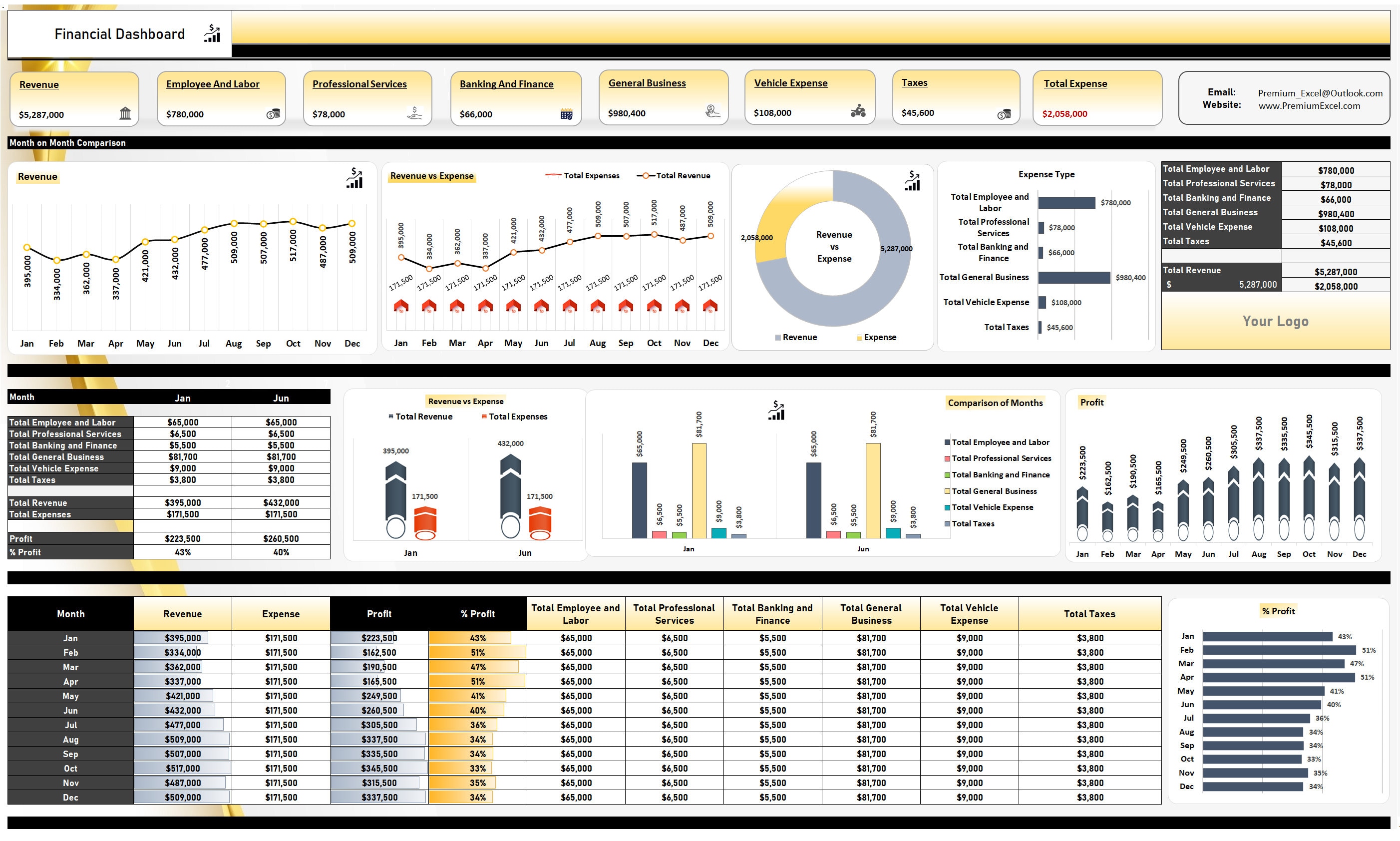
Dashboards can summarize the most important indicators without replacing the underlying schedules. A useful dashboard might show revenue, expenses, cash balance, profit, debt, savings progress, or other selected metrics. The dashboard should link back to detailed data rather than becoming a second disconnected record.
Limit the number of headline metrics. Too many indicators make it difficult to distinguish important changes from noise. Select measures that directly reflect the goals of the plan and review whether each metric still contributes to decision-making.
Break-Even Analysis and Decision-Making
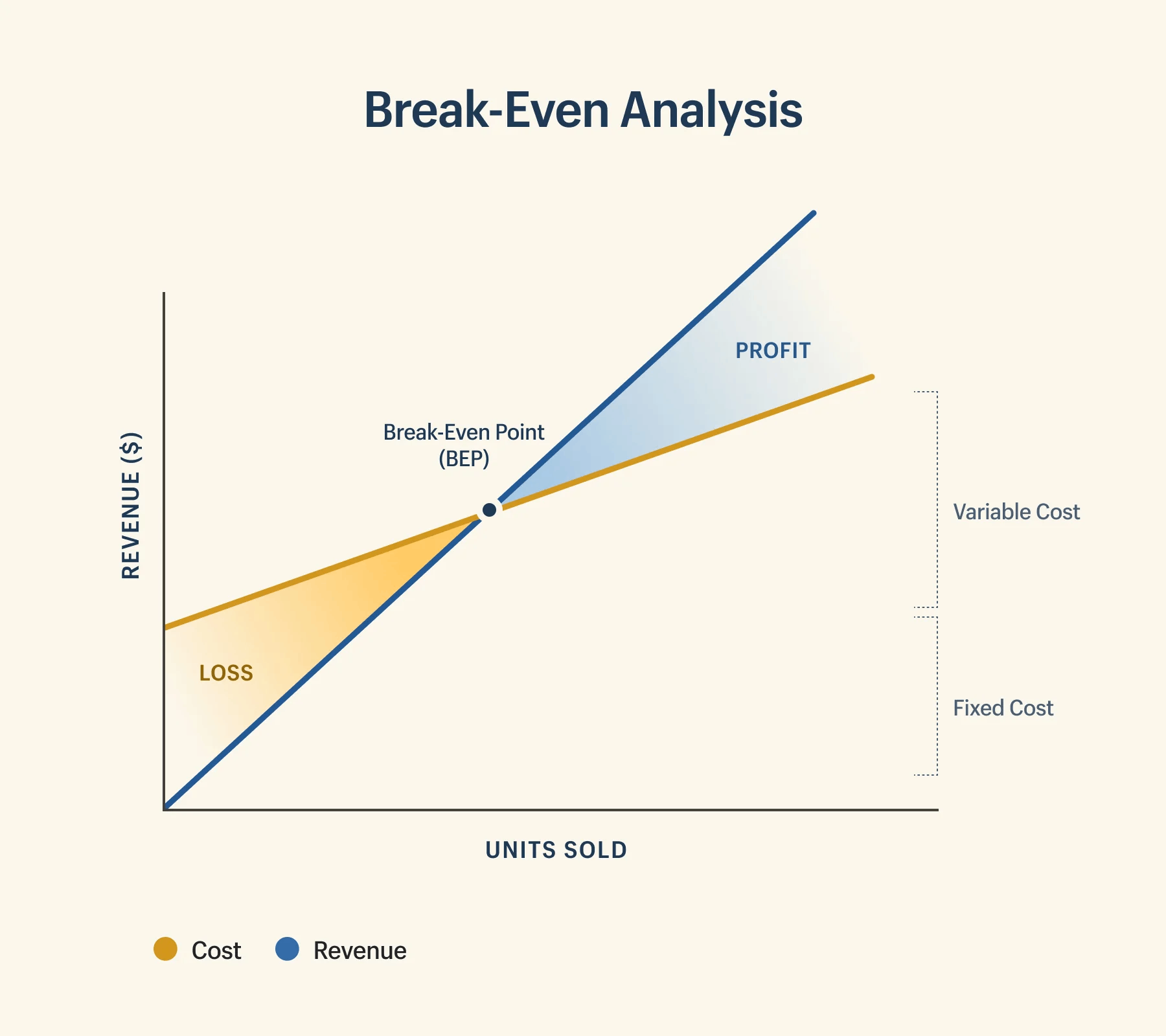
Break-even analysis estimates the level of sales or activity required for revenue to cover relevant costs. It is particularly useful for businesses evaluating pricing, capacity, product launches, or fixed-cost commitments.
For a simplified single-product situation, the break-even quantity can be expressed as fixed costs divided by the contribution per unit. Contribution per unit is the selling price per unit minus the variable cost per unit. This formula becomes less straightforward when a business has multiple products or changing cost structures.
The value of break-even analysis is not the illusion of precision. Its real value is showing how sensitive the result is to pricing, volume, and cost assumptions. If a small change in variable cost produces a large change in the break-even point, that assumption deserves attention.
Use the analysis alongside cash-flow planning. Reaching accounting break-even does not necessarily mean that cash requirements disappear. A business may still need working capital, debt payments, tax payments, or investment spending even after operating revenue covers operating costs.
For personal plans, a similar concept can be applied by calculating the minimum monthly income needed to cover essential obligations. This can help define an income floor and clarify how much flexibility exists for savings, discretionary spending, or additional debt payments.

How to Collect and Validate Financial Data
Reliable planning starts with reliable inputs. Use primary records whenever possible rather than relying on memory. Bank statements, accounting reports, invoices, payroll records, loan statements, investment statements, and documented contracts provide stronger foundations than informal estimates.
Define a consistent period for each dataset. If one figure covers a calendar year while another covers a fiscal year, the comparison may be misleading. Clearly label the reporting period and note any unusual events that materially affect the numbers.
Check for duplicates and omissions. A recurring expense may accidentally be entered twice, while annual payments may be forgotten because they do not appear every month. A separate review of irregular transactions can improve the completeness of the plan.
Separate actuals from assumptions. Historical figures should not be silently mixed with forecasts. Use clear labels such as actual, budget, forecast, or scenario so that readers understand which numbers describe what happened and which numbers describe what may happen.
Finally, document material assumptions. If revenue is expected to grow because of a planned price change, explain it. If expenses are expected to fall because of a contract renegotiation, document that assumption. Clear documentation makes later revisions faster and makes the plan easier for another person to review.
Common Mistakes When Filling Out a Blank Financial Plan
One common mistake is starting with goals before understanding the current position. Ambitious targets can be useful, but without accurate baseline information, the required contribution or funding need may be unrealistic.
Another mistake is confusing revenue with cash. This is especially important in business planning. A sale may be recorded before payment arrives, so the plan should account for the expected timing of collections and other cash movements.
Overly optimistic assumptions are another problem. A forecast that assumes strong growth, stable costs, immediate collections, and no unexpected expenses may look attractive but provide little insight into resilience. Conservative scenarios often reveal more useful planning information.
Excessive complexity can also reduce usefulness. A template with dozens of tabs and intricate formulas may appear professional but become difficult to maintain. The best level of detail is the level that supports the decisions the user actually needs to make.
Finally, many plans fail because they are not updated. A financial plan is not a one-time document. Actual results should be compared with the forecast, significant changes should be documented, and assumptions should be revised when circumstances change.
How to Use a Financial Plan for Monthly and Quarterly Reviews
A monthly review should be relatively focused. Compare actual income and expenses with the plan, identify unusual changes, update cash balances, and confirm whether planned contributions or payments occurred.
A quarterly review can go deeper. Reassess major goals, debt progress, savings rates, business performance, forecast assumptions, and upcoming large expenses. A quarterly review is also a useful time to examine whether the original plan still reflects current priorities.
An annual review should reset the planning framework. Review the previous year’s actual results, identify major deviations, update long-term goals, revise assumptions, and create a new annual budget or forecast. Keep the previous version so that the quality of past assumptions can be evaluated.
Use variance analysis to explain differences rather than merely recording them. If expenses were higher than expected, identify whether the difference resulted from higher prices, increased usage, an unexpected event, or a forecasting error.
The review should finish with decisions. A useful meeting or personal review should produce concrete actions, owners where appropriate, deadlines, and the next review date. Otherwise, the plan risks becoming a reporting exercise rather than a management tool.

Practical Example: A Simple Personal Financial Plan
Consider a hypothetical household with regular monthly take-home income of $5,000. Suppose essential expenses are $2,900, discretionary spending is $800, debt payments are $500, and planned savings are $600. The purpose of this example is to demonstrate structure rather than provide a universal spending recommendation.
The first planning question is whether the monthly cash flow reconciles. Income of $5,000 minus the listed uses of $4,800 leaves $200 of flexibility. That remaining amount can act as a buffer, be assigned to another priority, or be retained until the household has more information about irregular expenses.
Next, the household could establish measurable goals. For example, an emergency reserve might have a target amount and deadline, while a debt-reduction goal might specify the balance to eliminate and the additional payment required each month.
The plan should then identify risks. If the household’s income is variable, the forecast should not assume the highest recent income will continue indefinitely. If an annual insurance payment or major repair is expected, the plan should include a sinking fund or other method of preparing for the expense.
At the monthly review, actual spending would replace estimates while the original plan remains available for comparison. Over several months, this process shows whether the assumptions were realistic and whether the household’s goals need to be adjusted.

Practical Example: A Small Business Financial Plan
Imagine a hypothetical service business that expects to generate revenue from recurring clients and project-based work. Its plan might begin with monthly sales assumptions, average project value, expected client volume, payroll, software, rent, marketing, professional services, taxes, and other operating expenses.
The business could create three forecast cases. The conservative case might assume slower client acquisition and longer payment times. The central case could use the most defensible operating assumptions. The upside case could reflect stronger demand without assuming that every favorable condition occurs simultaneously.
The cash-flow schedule would then show when money is expected to arrive and when expenses must be paid. This is important because payroll, rent, taxes, and supplier payments may occur before customer invoices are collected.
A break-even calculation could show the approximate revenue level required to cover fixed and variable costs. Management could then compare the break-even level with its sales pipeline and decide whether pricing, cost structure, staffing, or sales activity needs attention.
The completed plan could be summarized in a dashboard containing a small set of indicators. Management would still rely on the underlying schedules, but the dashboard would make the most important changes easier to review during regular planning sessions.

How to Make a Financial Plan Easier to Read
Use clear section names and keep terminology consistent. If one worksheet calls a category “operating expenses” and another calls the same category “business costs,” readers may wonder whether the figures are different. Consistent naming reduces unnecessary confusion.
Keep units visible. State whether figures are monthly, quarterly, annual, or cumulative. If a spreadsheet uses thousands or millions as its display unit, make that convention obvious near the table headings.
Separate inputs from calculations. Readers should be able to identify where assumptions are entered without tracing complex formulas. This also makes updates safer because users are less likely to overwrite a calculation accidentally.
Use charts only when they clarify a decision. A revenue trend, cash balance, expense breakdown, or goal-progress chart can communicate patterns quickly. Decorative charts that do not support a decision add visual noise without improving the plan.
Include a concise assumptions section. State the planning period, currency, major growth assumptions, key cost drivers, unusual items, and scenario definitions. This small section can dramatically improve the usefulness of the entire document.

How to Choose a Template That Fits Your Situation
If the goal is simple household budgeting, choose a template that is quick to update and provides clear income, spending, savings, and debt sections. A complex business model is unnecessary if the main objective is understanding monthly cash flow.
If the goal is business planning, look for sections covering revenue assumptions, operating expenses, cash flow, projected profitability, assets, liabilities, and funding requirements. The template should allow assumptions to be explained and revised.
If the document will be shared with lenders, investors, partners, or managers, prioritize readability and traceability. Important figures should be easy to locate, and the relationship between assumptions and projections should be understandable.
If multiple people will update the plan, collaboration and version control become important. Establish who owns the source data, who reviews formulas, who approves assumptions, and when the plan is considered final for a particular reporting period.
Most importantly, choose a template you will actually maintain. A modest plan that is updated consistently is usually more useful than a sophisticated model that becomes too difficult to manage after the first few weeks.
Practical Solution: A Repeatable Financial Planning Workflow
The most practical solution is to treat the blank template as the beginning of a repeatable workflow rather than as a finished product. Start by creating one master version with clearly labeled input sections, calculation sections, assumptions, and a summary page.
Step one is to collect the source information. Gather current income, expenses, assets, liabilities, relevant business records, and known upcoming commitments. Record the date or period associated with each major input so that old information is not accidentally treated as current.
Step two is to establish the baseline. Reconcile totals, remove duplicates, classify expenses consistently, confirm debt balances, and calculate the current financial position. Do not start forecasting until the baseline is sufficiently reliable for the decision the plan is intended to support.
Step three is to define goals and assumptions. Give each major goal a measurable target, timeframe, and action. Document assumptions for revenue, costs, savings, debt payments, major purchases, or other variables that influence the forecast.
Step four is to build the forecast. Use the appropriate monthly, quarterly, or annual periods and distinguish actual results from projected results. Create alternative scenarios when uncertainty could materially affect the decision.
Step five is to review the results. Look for cash shortfalls, unrealistic assumptions, unexpected cost concentrations, debt pressure, insufficient savings, or funding gaps. The purpose of this step is to turn numbers into decisions.
Step six is to assign actions. Record what will change, who is responsible when multiple people are involved, when the action should occur, and how progress will be measured. A plan without actions is primarily a description of the current situation.
Step seven is to schedule the next review. Monthly reviews are useful for operational cash flow and spending, while quarterly or annual reviews can address strategic goals and long-term assumptions. Keep dated versions so that actual performance can be compared with earlier forecasts.
Step eight is to simplify when necessary. If a section never influences a decision, consider whether it needs to remain. If a critical assumption is buried in a complicated formula, make it more visible. The template should evolve with the planning process instead of becoming a permanent source of unnecessary complexity.
Reference Examples
The following examples illustrate different visual approaches to personal and business financial planning documents. They should be treated as reference formats rather than as universal requirements, because the appropriate structure depends on the purpose, user, reporting period, and level of financial detail required.
financial plan template blank pdf

Source: Scribd
financial plan template blank excel

Source: Scribd
financial plan template blank free download
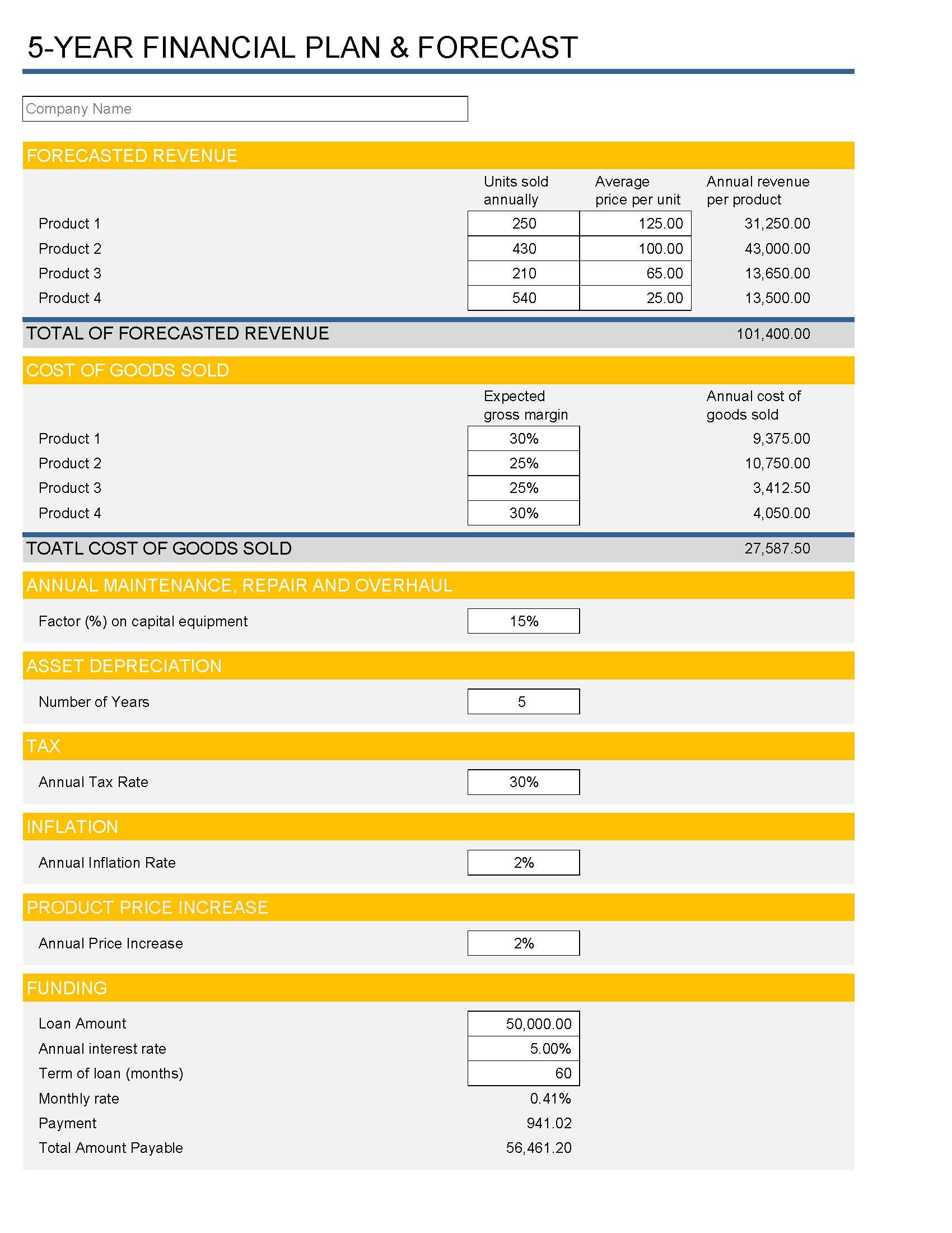
Source: DocuShop
financial plan template blank google sheets

Source: FinancialAha
financial plan template blank word document
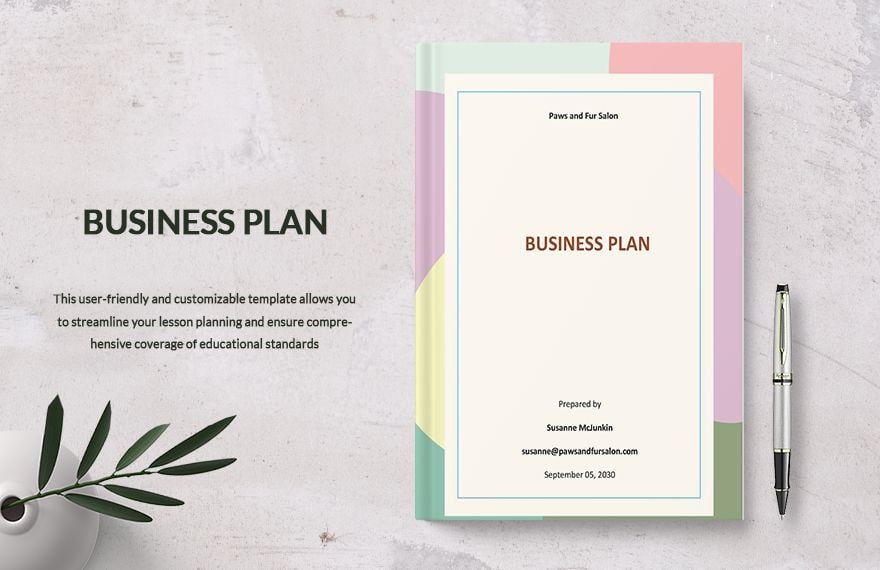
Source: Template.net
financial plan template blank google docs

Source: Venngage
financial plan template blank free

Source: HubSpot
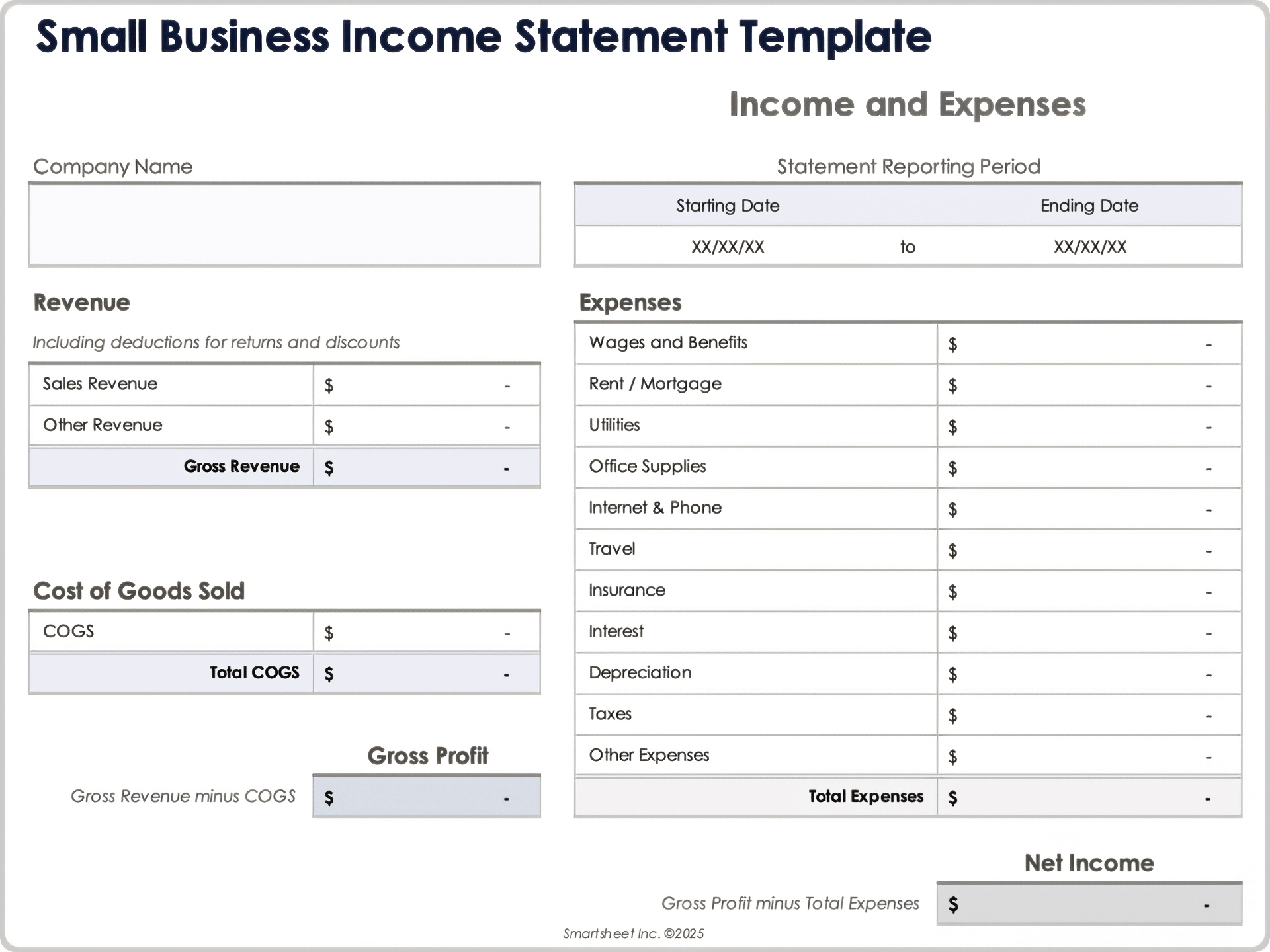
financial plan template blank for business
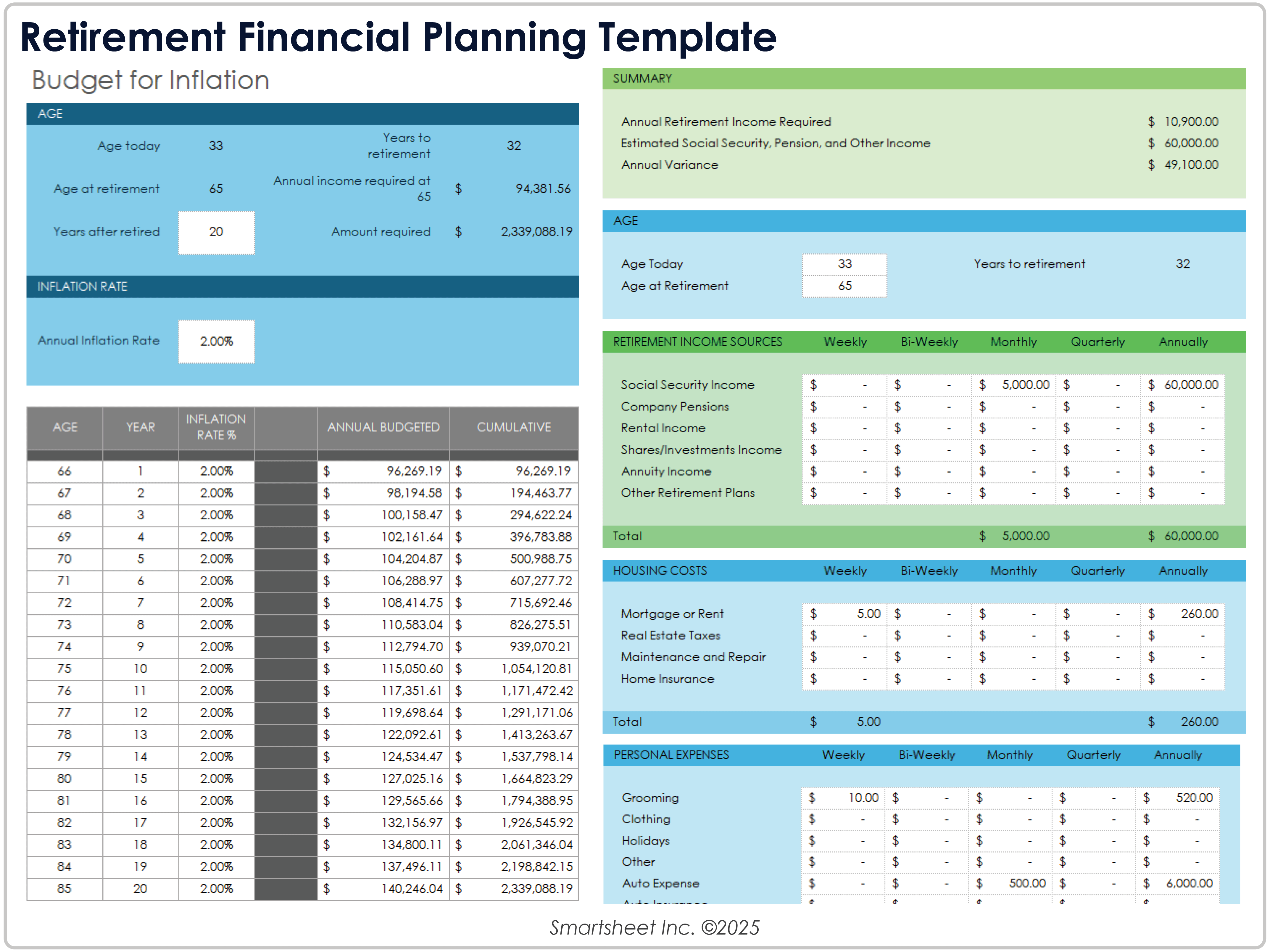
Source: Smartsheet
sample financial plan template

Source: FinancialAha
basic financial plan template
Source: Vergo AI
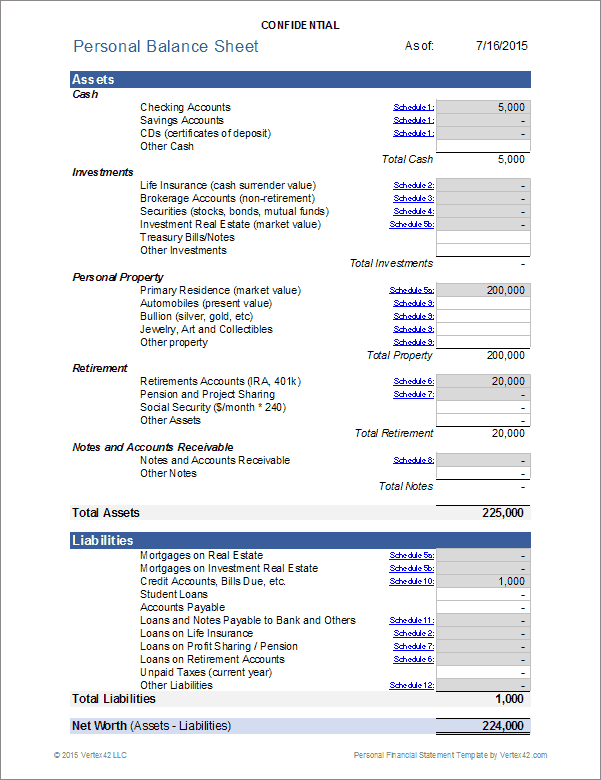
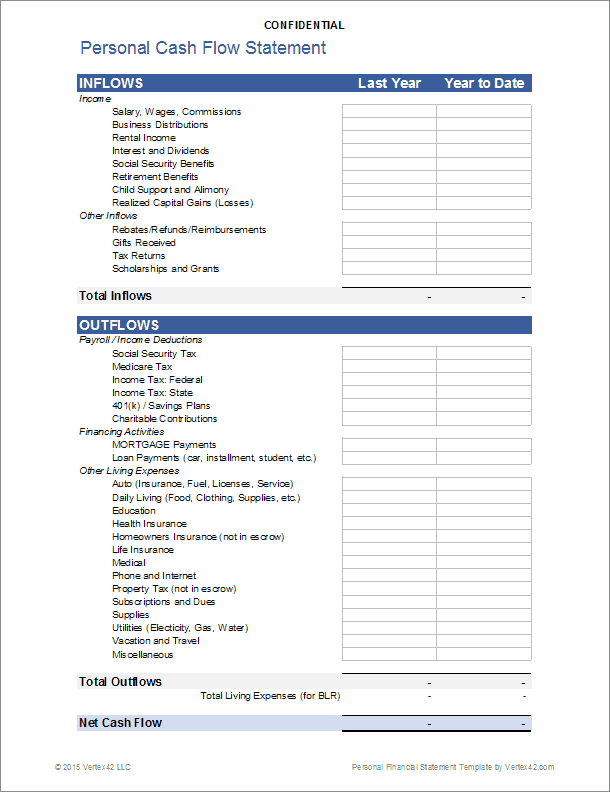
financial plan template personal
Source: Vertex42
i need a financial plan template
Source: Worksheets Library
Frequently Asked Questions
What should a blank financial plan include?
A useful blank plan normally includes a current financial snapshot, goals, income, expenses, assets, liabilities, cash flow, assumptions, forecasts, and a review schedule. Business versions may also include revenue drivers, working capital, projected financial statements, funding requirements, and break-even analysis.
Is a financial plan the same as a budget?
No. A budget is primarily a plan for allocating income and spending over a defined period. A financial plan is broader and can include goals, assets, liabilities, savings, debt, investments, forecasts, risk considerations, and longer-term strategy. A budget can be one component of a financial plan.
Should I use PDF or Excel for financial planning?
Use PDF when a fixed, printable, or review-ready version is the priority. Use Excel when calculations, formulas, forecasting, multiple worksheets, and scenario analysis are important. Many planning workflows use a spreadsheet for calculations and export a PDF for sharing or presentation.
Can Google Sheets be used for a financial plan?
Yes. Google Sheets can be useful when collaboration, shared access, and cloud-based editing are important. A well-designed sheet can contain assumptions, calculations, forecasts, charts, and summaries. Access permissions should be managed carefully when the document contains sensitive financial information.
How often should a financial plan be updated?
The frequency depends on the purpose. Monthly updates work well for household budgets and operating cash flow. Quarterly reviews can be appropriate for broader goals and business forecasts. A more comprehensive annual review can reset assumptions and establish the next planning period.
What is the difference between a sample and a blank template?
A sample demonstrates how information might be organized and may contain illustrative figures or example entries. A blank template provides the structure without relying on completed information. Samples are useful for understanding layout, while blank versions are useful for creating a plan based on your own data.
How can I avoid making a financial template too complicated?
Start with the minimum information needed to make the intended decision. Add detail only when it improves analysis, accountability, forecasting, or reporting. Separate inputs from formulas, document important assumptions, and remove sections that are consistently ignored.
Can a financial plan be used for both personal and business purposes?
The planning principles can be shared, but the structure should normally be different. Personal plans focus on household income, expenses, debt, savings, assets, and personal goals. Business plans usually require operating assumptions, revenue drivers, working capital, profitability, financing, and business-specific financial statements.
Conclusion
A financial plan template blank is most valuable when it turns financial information into a repeatable process for understanding the present, setting measurable goals, testing future assumptions, and making practical decisions. Choose a format that fits the task, build the plan from reliable source data, keep actuals separate from forecasts, document assumptions, review cash flow and financial position regularly, and update the template whenever circumstances change. A simple, accurate, consistently maintained plan will usually provide more practical value than an elaborate document that is difficult to understand or maintain.
