A credit check response letter Template is generally used to organize a written response after a person or organization requests information about credit history, account standing, payment behavior, or the result of a credit review. The phrase can describe several related documents, so the first step is to identify who is responding, who requested the information, whose credit is being discussed, and what purpose the response serves.
For a business, the most common use is a response to a trade-credit or supplier reference inquiry. A creditor may be asked to confirm how long it has dealt with a customer, what payment terms were offered, whether invoices were generally paid within terms, and whether an account currently has an outstanding balance. A useful response should distinguish documented account facts from opinions or predictions about future creditworthiness.
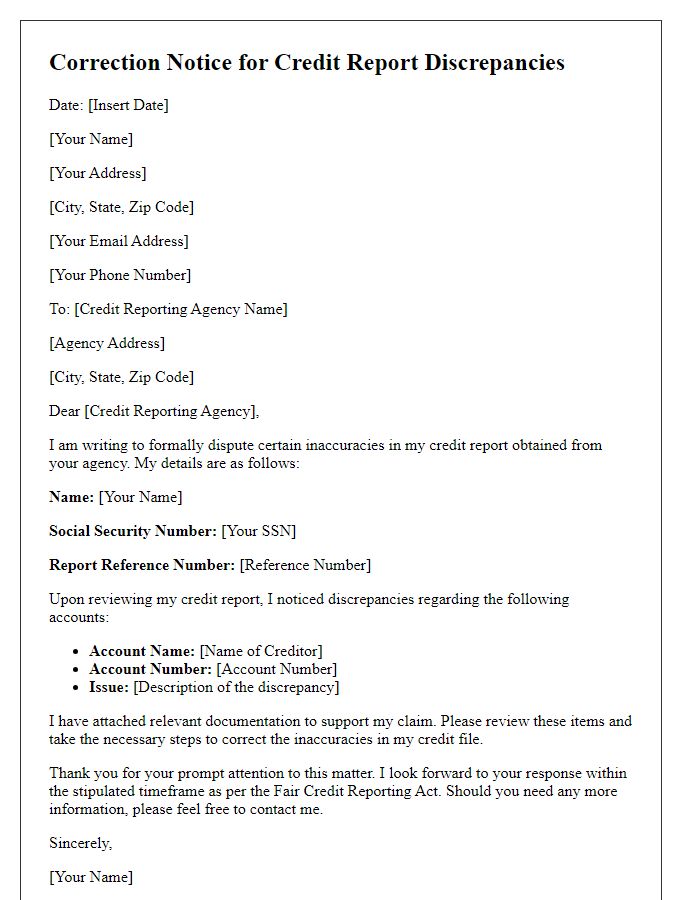
For an individual, the situation may instead involve a credit-report dispute or a request for clarification. The Consumer Financial Protection Bureau explains that consumers have rights to dispute incomplete or inaccurate information in their credit reports and provides a sample dispute letter for that purpose. :contentReference[oaicite:0]{index=0} The structure of a response should therefore match the underlying request rather than treating every credit inquiry as the same kind of correspondence.
What a Credit Check Response Letter Actually Does
A response letter creates a written record of what the responding party is willing to confirm. In a commercial setting, that may include the date the relationship began, the type of goods or services supplied, agreed payment terms, a credit limit, payment history, and the current account status. The document should stay close to the responding organization’s records instead of making broad statements that cannot be supported.
A strong response also establishes context. A statement such as “the account has been maintained satisfactorily” is less informative than a factual description of the payment terms and account history. Where appropriate, the response can identify the period covered by the information, distinguish current balances from historical balances, and identify whether amounts are disputed.
The document should not automatically become a recommendation. A credit reference response can provide factual information while leaving the requesting party to perform its own assessment. This distinction is particularly important because the recipient may use the letter when making a financing, supplier-credit, leasing, or other commercial decision.
When to Use This Type of Letter
A business may receive a request from another supplier, lender, landlord, or commercial partner that wants to verify a customer’s account history. In that situation, the response should identify the customer precisely and explain only the relationship the responding organization can document. A supplier reference is different from a general character reference because its purpose is normally connected to credit or payment decisions.
An individual may also need a response-oriented document after reviewing a credit report. If the concern is inaccurate information, the appropriate communication may be a dispute rather than a general credit reference. The CFPB advises consumers to identify the information being disputed and provide enough detail for the reporting company to investigate the issue. :contentReference[oaicite:1]{index=1}
Employment is another distinct context. In the United States, the CFPB states that employers generally must obtain written permission before obtaining an employment consumer report. If an employer intends to take adverse action based on the report, additional notice requirements can apply, including providing the report and information about the reporting agency. :contentReference[oaicite:2]{index=2} Requirements can vary by jurisdiction, so an employment-related response should be reviewed against the rules where the employer and worker are located.
Core Information to Include
Identify the parties
The first part of the letter should identify the responding organization, the recipient, and the person or business whose account is being referenced. Use legal names where appropriate and include addresses or other contact details needed to distinguish similar entities. If the request contains an account number or reference number, use the same identifier when permitted by the organization’s information-handling procedures.
The subject line should make the purpose obvious. Examples include “Credit Reference Response,” “Response to Credit Information Request,” or “Account Credit Reference.” A clear subject reduces the risk that the letter will later be mistaken for a collection notice, dispute, approval notice, or unrelated financial document.
The letter should also state the date of the request when that information is known. This creates a useful audit trail because a customer’s account status can change after a reference is issued. A dated response makes it easier to understand what information was available when the statement was prepared.
Describe the account relationship
A commercial response normally benefits from a short description of the relationship. For example, the responding business might state that it has supplied goods to the referenced company since a particular month and that purchases have been made under specified payment terms. The statement should reflect the organization’s records and should not exaggerate the length or nature of the relationship.
Payment history is often the most useful section. Rather than using vague language, a response can state whether payments have generally been received within the agreed terms, whether there have been overdue balances, and whether any material account issue remains unresolved. If the organization uses an internal aging system, the letter can refer to the relevant records without exposing unnecessary personal or confidential information.
Current status should be separated from historical experience. An account may have experienced late payments in the past but be current today, or it may have been current for years and recently become overdue. A response that makes the time period explicit gives the recipient a more accurate picture without pretending that one sentence represents the entire credit history.
Credit Limit, Payment Terms, and Account Status
When a credit reference is being supplied for a business customer, the credit limit can be useful if the responding organization is authorized to disclose it. The letter might state the current approved limit, the normal payment terms, and whether the account is active. These facts are more precise than simply describing a customer as reliable or unreliable.
Payment terms should be written clearly, particularly when they differ from standard company terms. A response might explain that the customer operates under a particular number of days from invoice date or under another documented arrangement. If special terms were negotiated, the response should make that distinction rather than presenting them as ordinary terms.
Account status should be stated as of a specific date whenever possible. A useful structure is “As of [date], the account is current,” “As of [date], an outstanding balance remains,” or “The account is subject to a payment arrangement.” These examples are illustrative wording, not universal legal language, and the actual statement should match the organization’s records.
How to Handle Payment History Carefully
Payment history should be factual and appropriately limited. If a business has records showing invoices were paid within agreed terms for a defined period, the response can say so. If there were late payments, the organization should decide what its policy permits it to disclose and should describe the facts consistently with those records.
Disputed balances deserve special attention. A balance that appears overdue in an accounting system may be the subject of an unresolved billing dispute. Calling the entire amount a confirmed delinquency without context can create an incomplete picture. A more careful response identifies the existence of the dispute and avoids presenting an unresolved issue as an uncontested fact.
The same principle applies to older account events. If a reference is intended to describe current account behavior, historical incidents should not be mixed into the current-status statement without dates or context. Separating historical payment experience from the present account position makes the response easier for the recipient to interpret.
Confidentiality and Information Handling
Credit information can contain sensitive financial details, so the responding organization should consider whether it has authorization to provide the requested information. The correct process depends on the jurisdiction, the type of information, the parties involved, and the relationship between the customer and the responding business. Internal policies should be followed before a response is issued.
A response can identify the stated purpose of the inquiry and limit the information to that purpose. For example, the letter may explain that the information is being provided in response to a particular credit inquiry and is based on the responding organization’s records. Whether additional confidentiality or liability language is appropriate depends on the circumstances and should not be treated as universal legal protection.
Personal identifiers should also be minimized. A letter normally does not need to repeat sensitive numbers simply because the original request included them. Where identification is necessary, organizations should use the minimum information required by their procedures and applicable law.
Business Use: A Practical Structure
For companies, a credit check response letter template for business can be organized into seven practical blocks: sender information, recipient information, subject and request date, customer identification, account history, current status, and authorization or signature. This structure works well because it separates administrative information from financial facts.
The account-history section can contain the relationship start date, general transaction history, payment terms, credit limit, and payment experience. The current-status section can then state whether the account is active, current, overdue, disputed, suspended, or closed, but only when the responding organization can support that statement.
A business should also establish an internal review process before sending the response. Someone familiar with the account should verify the figures and dates, while an authorized person should sign the correspondence when company policy requires it. Maintaining a copy of the request and response creates a useful record of what information was supplied.
Employment-Related Credit Check Responses
A credit check response letter template for employees should not be treated as interchangeable with a business trade-reference letter. Employment credit reporting has separate legal considerations, and the rules can differ substantially by jurisdiction. In the United States, federal law includes written-permission requirements for employment reports, while state and local rules may impose additional restrictions. :contentReference[oaicite:3]{index=3}
For an employee or job candidate, a response may involve acknowledging a report, addressing an identified inaccuracy, or explaining the process used by the employer. The document should not unnecessarily disclose financial details beyond what is permitted and needed. If the report is being used in an employment decision, the employer should follow the applicable adverse-action process rather than improvising a letter.
For employers, consistency is important. A standard internal workflow can identify when written authorization is obtained, which reporting provider supplied the report, who reviews the information, and how disputes are handled. The CFPB notes that employment reports can contain consumer-report information beyond traditional credit data, so employers should understand precisely what report they are using. :contentReference[oaicite:4]{index=4}
Credit Report Disputes and Response Letters
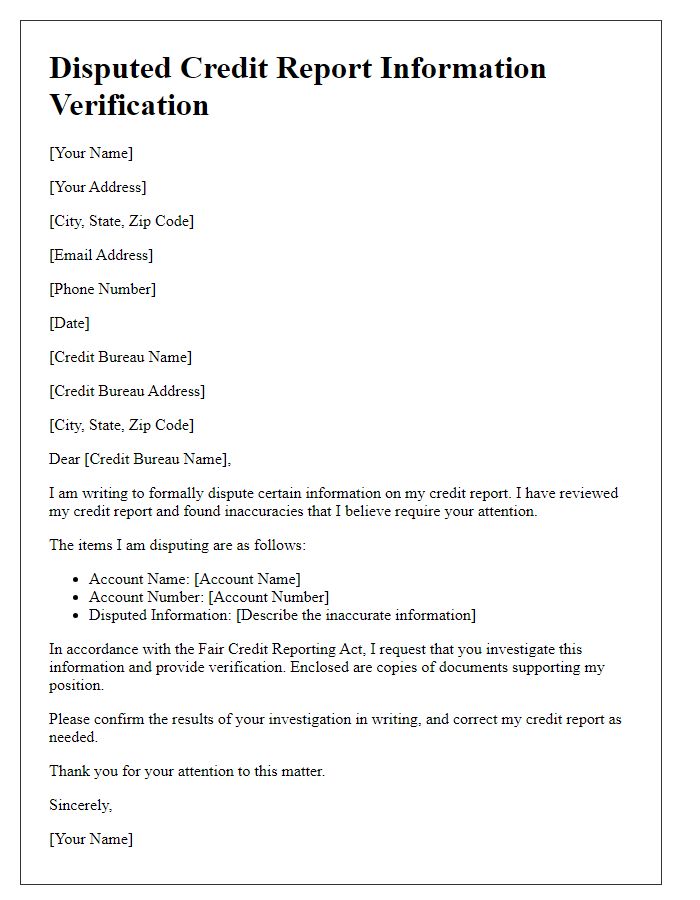
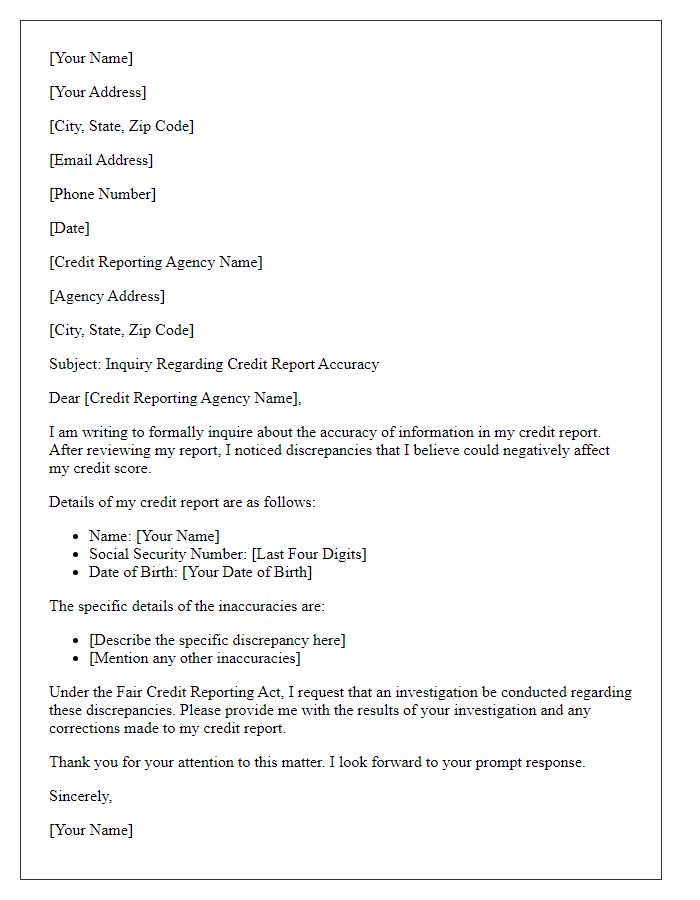
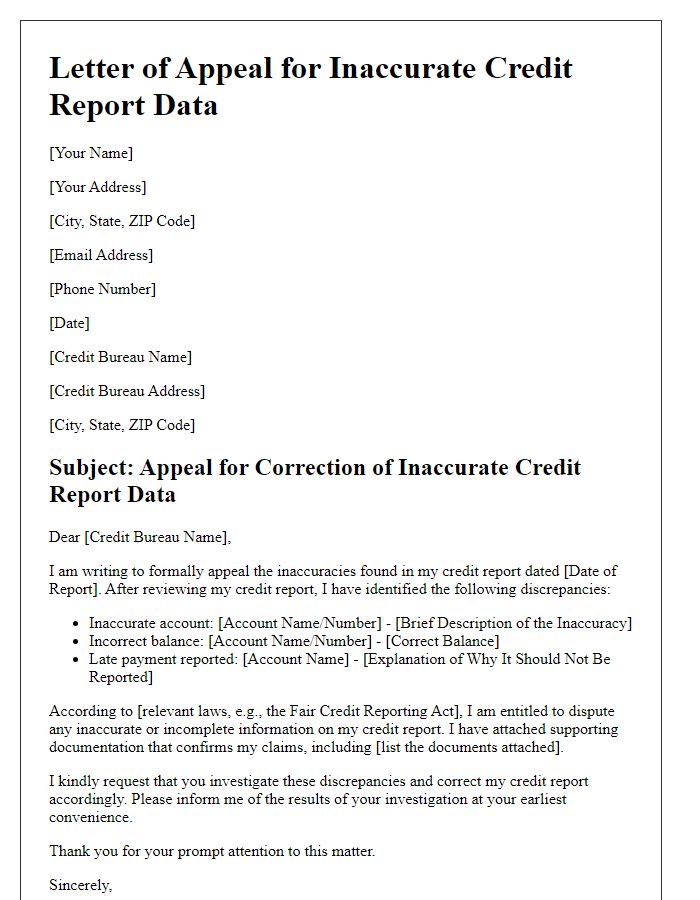
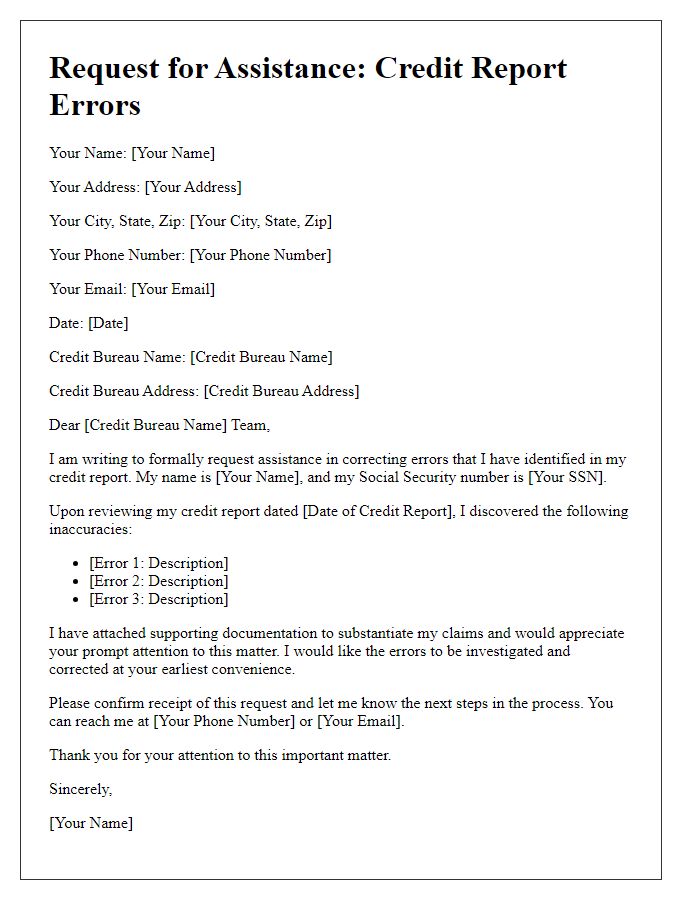
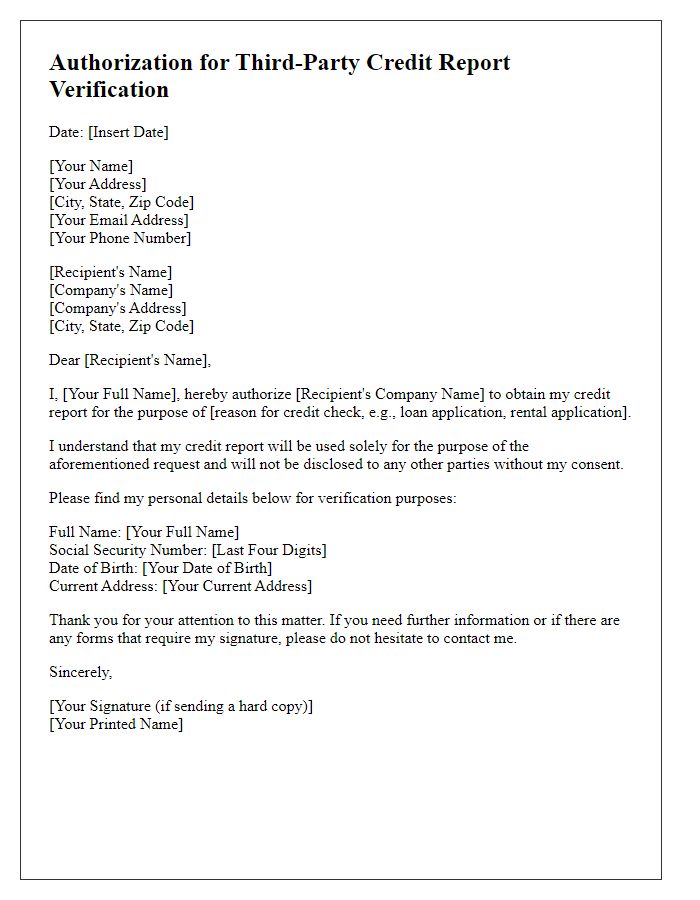
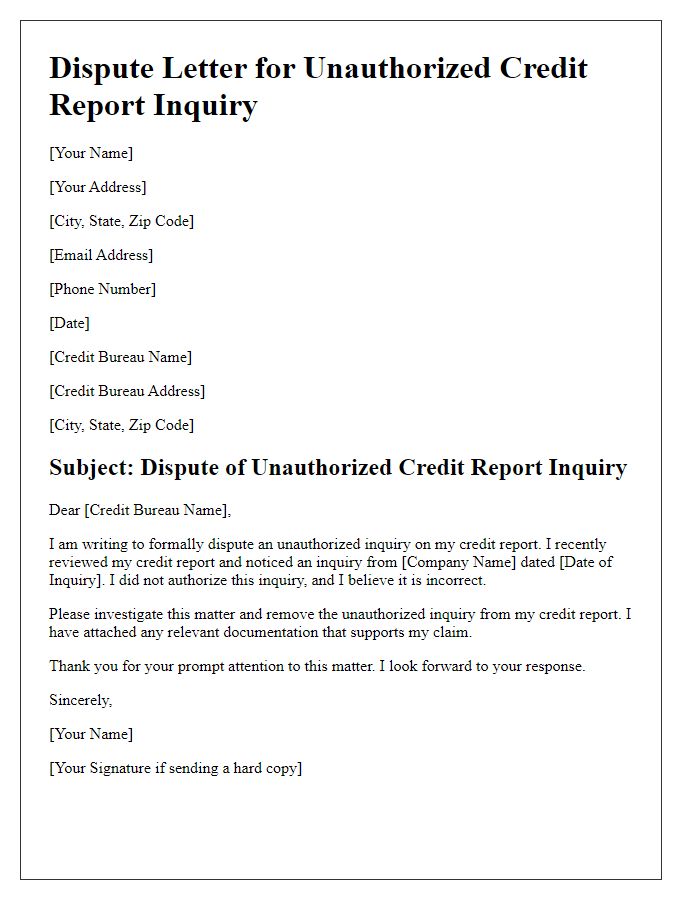
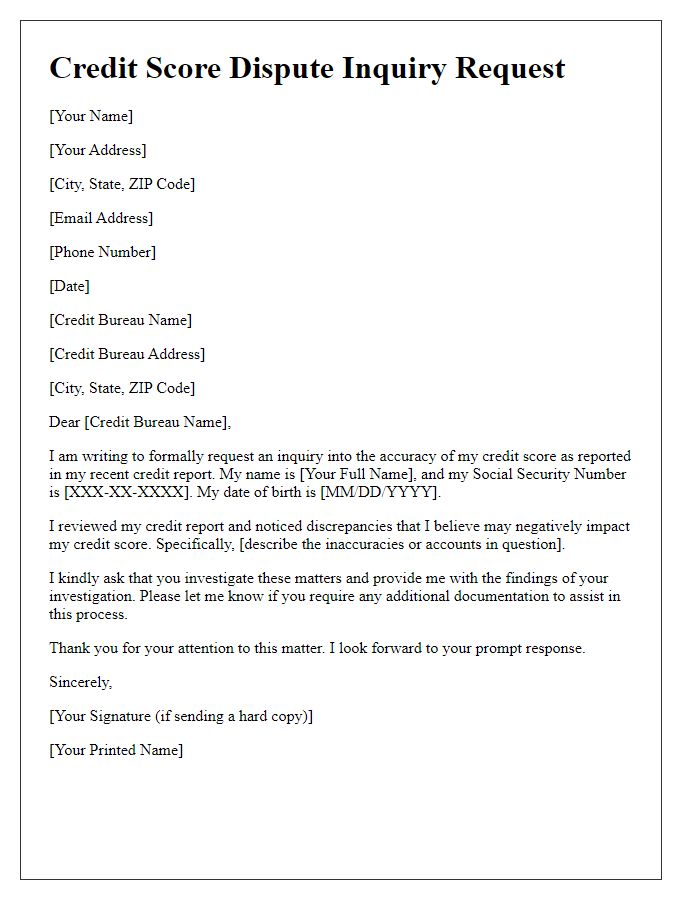
A credit report letter template may be useful when the underlying issue concerns inaccurate or incomplete information rather than a commercial reference. A dispute should identify the specific item, explain why the information is believed to be inaccurate or incomplete, and provide supporting information that allows the reporting company or information provider to investigate.
The CFPB’s sample letter recommends identifying the disputed information accurately and considering supporting documentation, such as relevant statements or correspondence. :contentReference[oaicite:5]{index=5} The goal is clarity: the recipient should be able to determine exactly what account or entry is being challenged without having to infer the issue from a broad complaint.
If the response to a dispute is inadequate, the CFPB states that consumers may have additional rights, including the ability to add a statement to their file in certain circumstances and pursue other remedies provided by law. :contentReference[oaicite:6]{index=6} The appropriate next step depends on the facts and jurisdiction, so a response letter should not promise a legal result or deadline that has not been verified.
Word and PDF Formatting Considerations
People searching for a credit check response letter template word often want a document that can be edited directly. A word-processing format is useful when fields such as names, dates, account identifiers, payment terms, and contact details need to be customized. The document should retain consistent spacing, readable headings, and a professional signature block.
A credit check response letter template pdf is more useful when the final version needs to preserve its appearance across devices or be retained as a fixed record. Before converting a document, check that the recipient’s name, dates, amounts, account status, and contact details are correct. A visually polished letter does not compensate for inaccurate financial information.
Searches for phrases such as credit check response letter template word free or credit check response letter template free can produce many different document styles. Readers should distinguish between a genuine sample, an editable document, and a service page describing a template. The existence of a page does not by itself establish that a particular document is suitable for a specific legal or business situation.
What to Look For in Online Template Examples
Searchers sometimes use credit check response letter template reddit to find discussions about wording, business practices, or personal experiences. Community discussions can reveal common questions, but they should not be treated as authoritative legal guidance. A useful approach is to compare the practical discussion with official information from regulators, reporting agencies, or qualified professionals.
Likewise, a search for credit check response letter template pdf may produce documents that look professional but contain outdated language or assumptions from another jurisdiction. A template should be evaluated for its intended audience, date, source, factual structure, and legal context before being adapted.
A credit check response letter template free download search phrase may also lead to pages whose wording suggests a document exists in a particular format. Verify what is actually provided before relying on it. If the goal is simply to create a letter, the structure matters more than the branding or visual design of the source.
Common Mistakes to Avoid
One common mistake is confusing a credit reference with a recommendation. A reference can report payment history without declaring that the subject will continue to pay in the same manner. Avoid predictions unless the purpose of the document genuinely requires an opinion and the person giving that opinion is authorized to provide it.
Another mistake is using vague statements without dates. “The account has always been current” is difficult to evaluate if the letter does not identify the period covered. More precise wording identifies the relevant timeframe and distinguishes current status from historical experience.
A third mistake is sending more information than the request requires. Credit information can be sensitive, and excessive disclosure can create unnecessary privacy and record-management concerns. The response should be limited to information the sender is authorized to provide and that is relevant to the stated purpose.
Returned Checks Are a Different Letter Type
A returned check letter to customer template is normally used for a different purpose from a credit reference response. It informs a customer that a payment instrument was returned by the bank and explains what action is required to resolve the outstanding amount. The document may mention the check date, check number, amount, return reason, and instructions for replacement payment.
A returned check letter template should therefore not be inserted into a credit-reference workflow merely because both documents concern payments. A returned-check notice focuses on collection or resolution of a particular payment event, while a credit response describes account history or responds to a request for credit information.
Keeping the two documents separate helps accounting and customer-service teams use consistent language. A returned payment can be relevant to an account’s payment history, but the existence of one returned check does not automatically determine the entire credit relationship. The response should explain the relevant facts rather than blending collection language into a reference letter.

Sample Structure for a Credit Check Response
The following is an original structural example rather than a statement of any official required wording. It illustrates how a response can move from identification to factual account information without making unsupported predictions.
A suitable opening could identify the requesting party and say that the organization is responding to a credit information request concerning a named customer. The next paragraph could state the length of the business relationship, the type of account, and the general payment terms. A separate paragraph could summarize payment experience for a defined period.
The final factual section could identify the current account status as of a stated date. If the organization is not prepared or authorized to provide a recommendation, the letter can say that the information is supplied from its records and that the recipient should conduct its own assessment. The letter should then be signed and dated by an authorized representative.
Practical Solution
Start by classifying the request before opening a template. Ask whether the sender is responding to a business credit reference, a consumer credit-report dispute, an employment screening matter, or a returned payment. This single classification prevents many structural mistakes because each situation requires different information and may involve different legal rules.
Next, collect only verified records. For a business reference, that can include the account opening date, agreed terms, credit limit, invoice history, current balance, and documented payment experience. For a consumer dispute, identify the precise report entry and gather records supporting the claimed inaccuracy. For employment screening, confirm that the required authorization and notice procedures have been followed.
Then draft the response in a factual sequence: identify the parties, identify the request, describe the relevant account or report, state the verified facts, explain any material limitation or unresolved issue, and provide contact information for legitimate follow-up. Avoid unnecessary predictions and avoid language that could be interpreted as a guarantee about future payment or creditworthiness.
Finally, perform a two-stage review before sending. First check every name, date, amount, account identifier, and status against the underlying records. Then review whether the disclosure is authorized and appropriately limited. Keep a dated copy of the request and final response according to the organization’s records policy. This workflow makes a free credit check response concept useful as a writing structure without confusing a generic example with a verified legal form.
How to Make the Letter More Professional
Professional credit correspondence is usually concise, specific, and easy to audit. Use a clear subject line, consistent date format, descriptive section labels, and complete contact information. Avoid decorative language that makes financial statements sound promotional. The recipient should be able to identify the purpose and important facts quickly.
Use neutral descriptions for account conditions. Instead of emotionally charged terms, identify whether an amount is current, overdue, disputed, under arrangement, or closed. If the organization’s records use a particular internal status, translate it into plain language so an outside recipient does not need access to the internal accounting system to understand it.
Before issuing the final letter, consider whether the response should be reviewed by a credit manager, compliance professional, privacy officer, or legal adviser. That review can be especially useful when the request involves sensitive personal information, a disputed account, an employment decision, litigation, or a significant commercial relationship.
Reference Examples
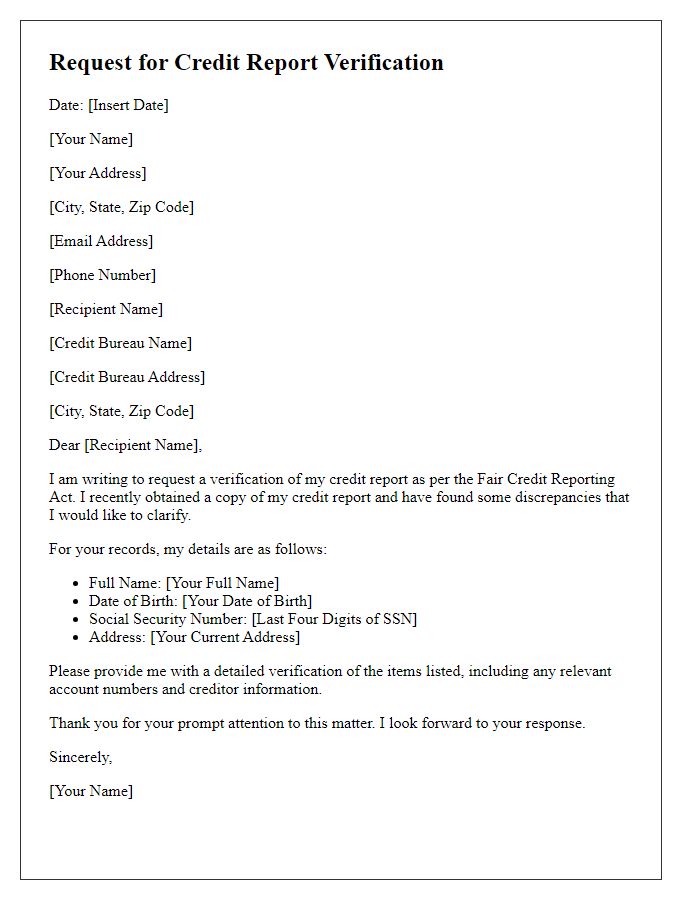
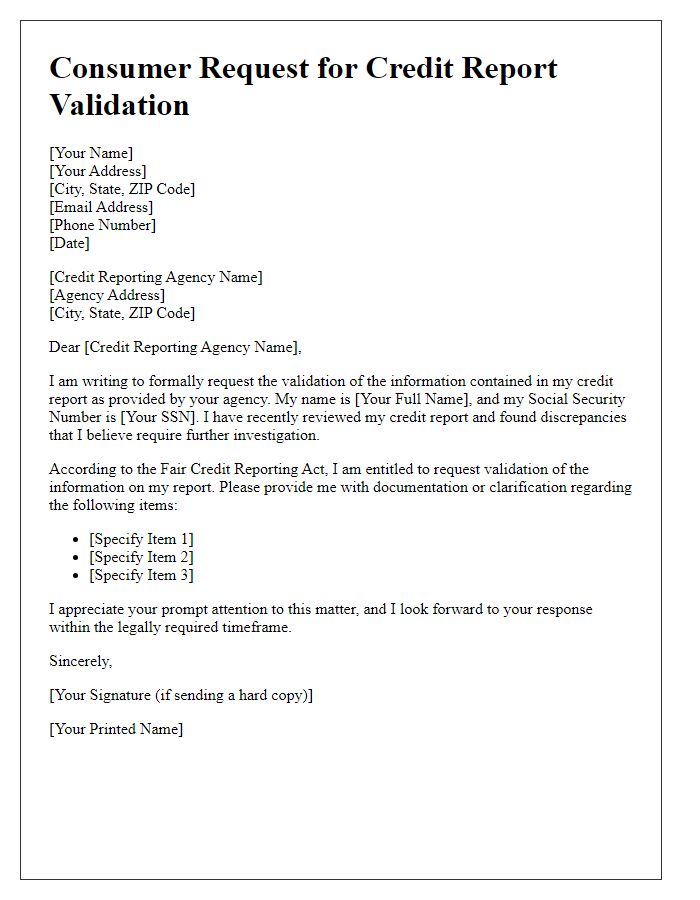
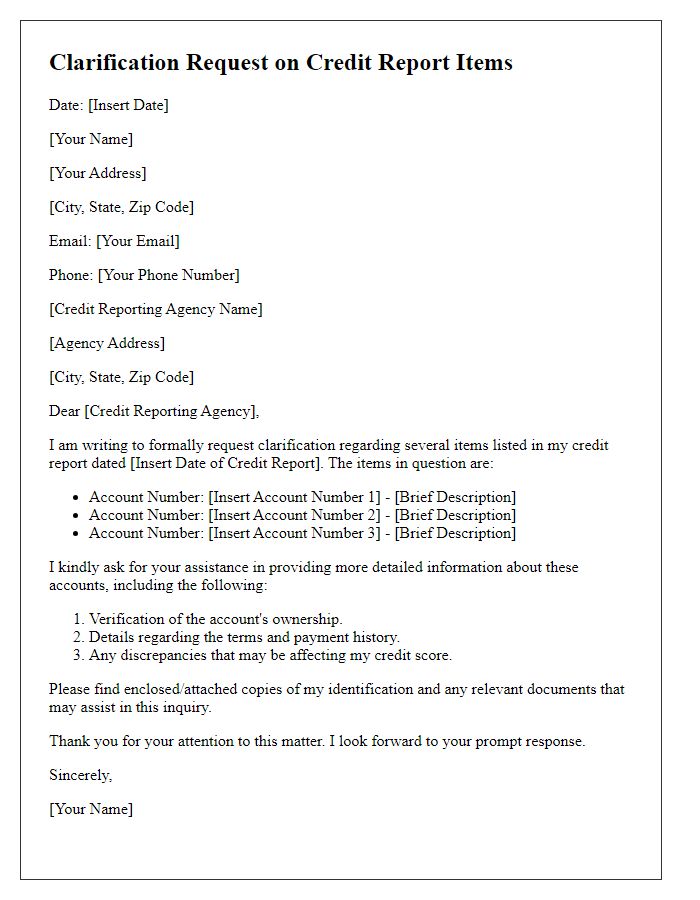
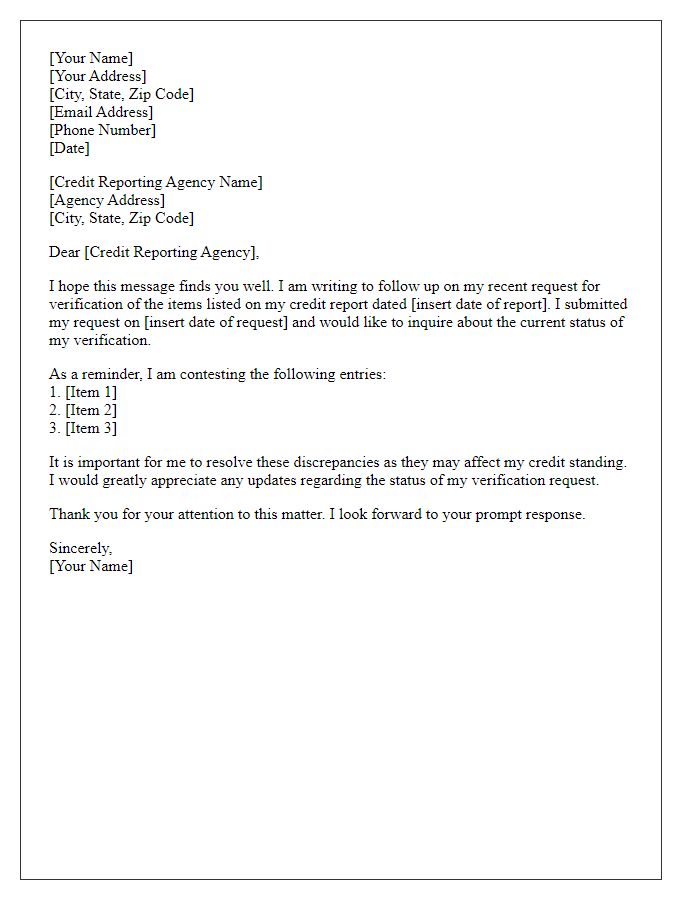
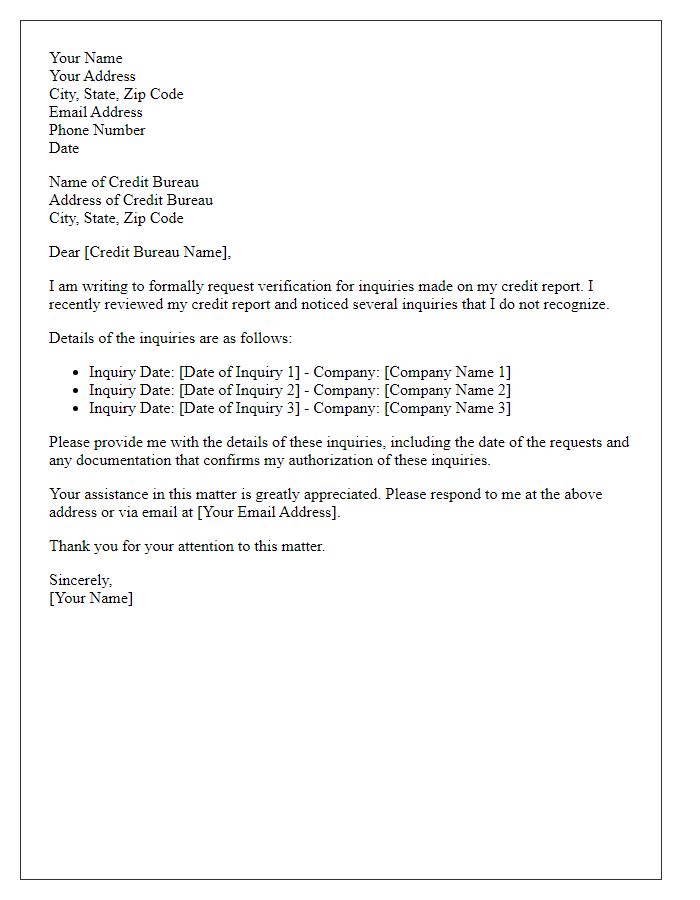
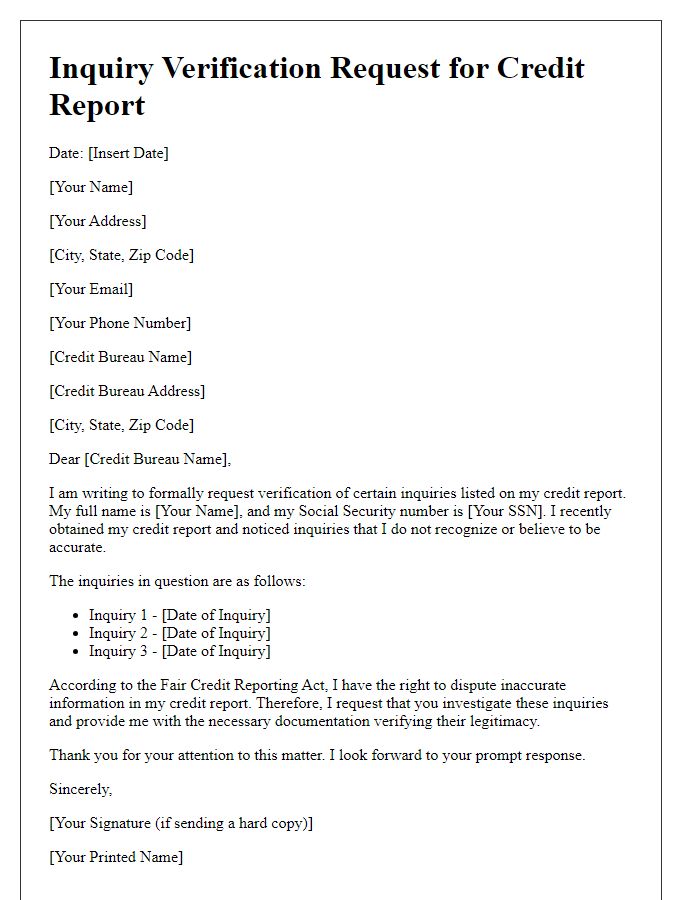
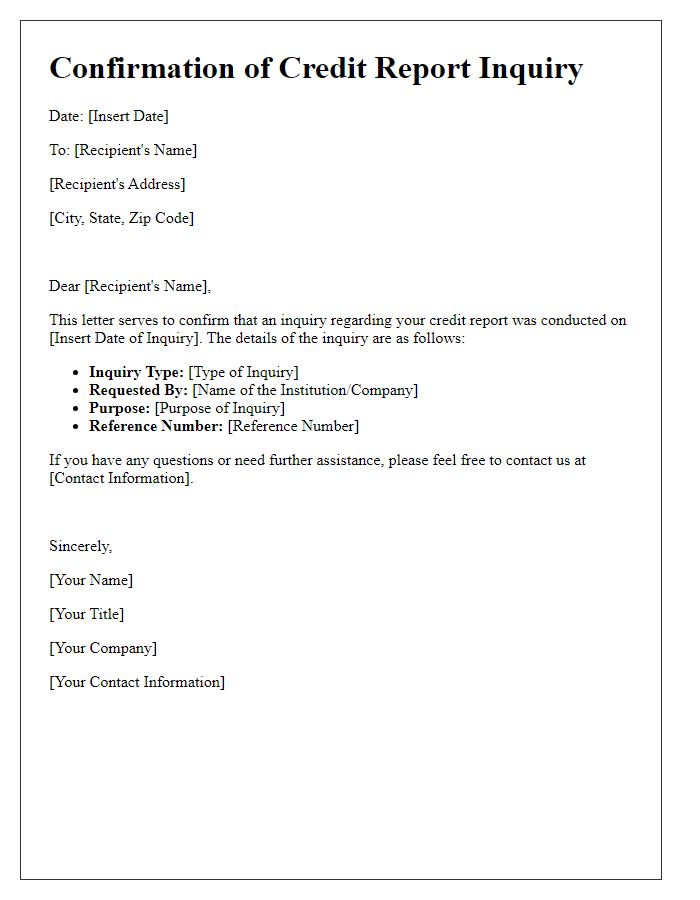
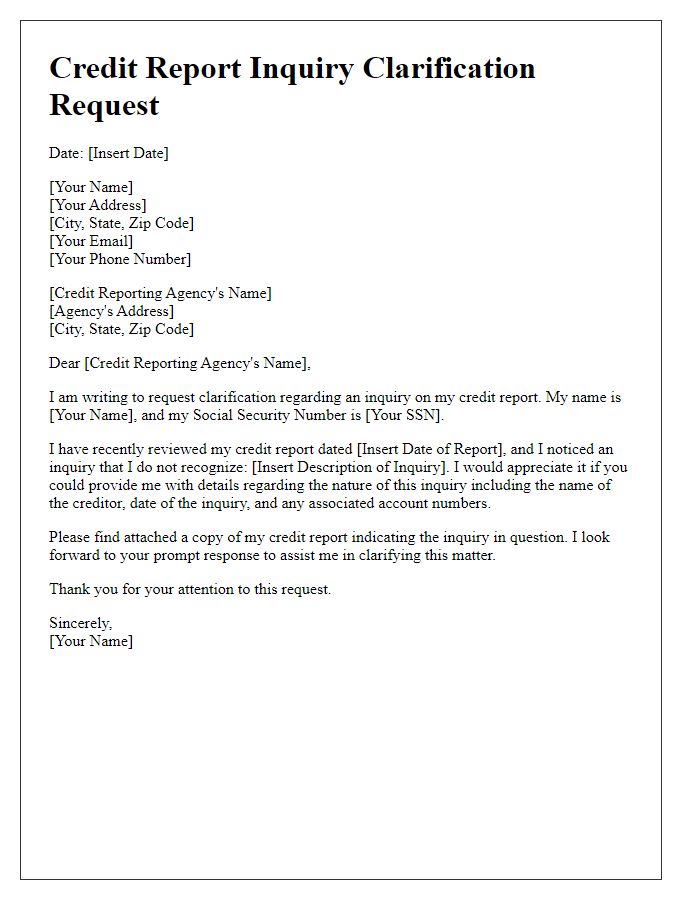
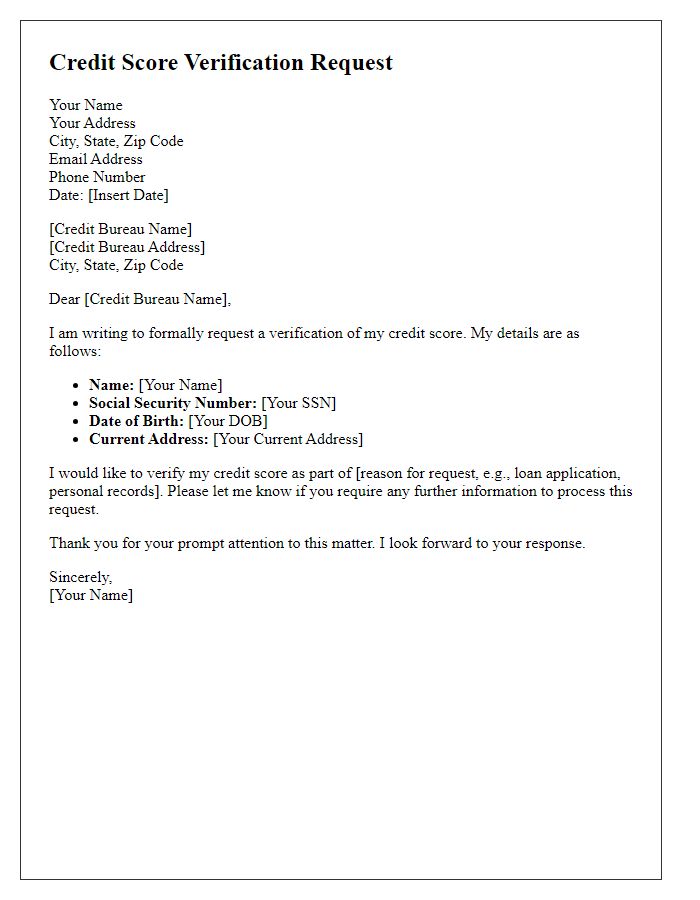
A credit check response letter Template is easiest to understand when its visual structure is compared with related credit correspondence. The examples below show different document layouts involving credit responses, inquiries, approvals, requests, denials, and reference communications. They are useful for recognizing how headings, recipient information, account details, explanatory paragraphs, and signature areas can be arranged. A visual example should be treated as a formatting reference rather than evidence that its wording is legally required. The appropriate content depends on the purpose of the letter, the parties involved, the information being disclosed, and the rules governing that particular transaction.
These reference images also demonstrate why a credit response should be tailored instead of copied mechanically. A business credit reference may need payment terms and account history, while a consumer dispute may need a precise description of an inaccurate report entry. An employment-related credit matter can require separate consent and notice procedures. By comparing the examples, readers can recognize which elements belong in a particular response and which elements should be omitted. The visual references are therefore best used to understand document architecture, clarity, and professional presentation before preparing a final letter from verified information.

Credit Check Response Letter Template
Source: Template.net

Credit Letter Template
Source: Template.net

Credit Application Approval Letter Template
Source: Template.net

Sample Credit Request Letter Template
Source: Template.net

Credit Card Approval Letter Template
Source: Template.net

Simple Credit Denial Letter Template
Source: Template.net

Credit Inquiry Letter Template
Source: Template.net

Business Outline Credit Letter Template
Source: Template.net

Credit Increase Request Letter Template
Source: Template.net
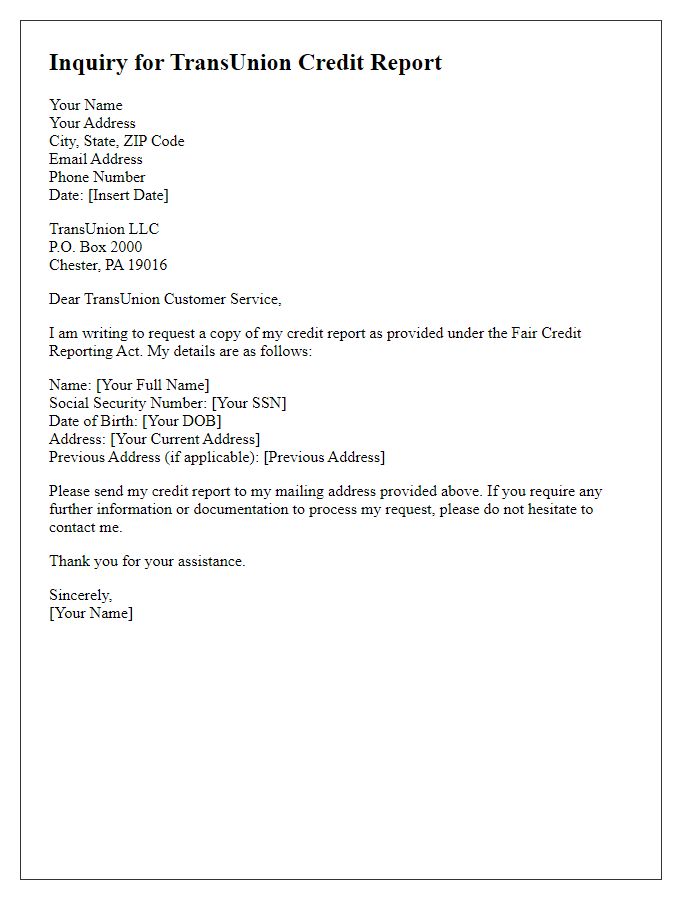
Inquiry for TransUnion Credit Report
Source: Letterin
