A data privacy and security law Template is best understood as a structured working document that helps an organization translate legal obligations, privacy principles, security safeguards, and internal responsibilities into an organized compliance framework. A useful template is not simply a generic policy with blanks. It should connect the information an organization collects with the reasons for collection, applicable legal requirements, retention practices, access controls, security measures, third-party sharing, individual rights, incident response, and review responsibilities.
The search intent behind this topic is usually practical. People looking for a template often want to know what a credible document should contain, which format is appropriate, how California requirements affect the structure, whether a privacy policy is enough, and how privacy obligations should connect with information security controls. The answer depends heavily on the organization, the data involved, and the jurisdictions in which the organization operates. A template should therefore provide a strong structure while leaving enough room for jurisdiction-specific customization.
Current privacy governance increasingly treats privacy risk and cybersecurity risk as related but distinct management concerns. NIST describes its Privacy Framework as a voluntary enterprise-risk tool, while the California Privacy Protection Agency administers California privacy requirements and regulations. The FTC also emphasizes that organizations should understand what sensitive information they hold, where it resides, who can access it, and how reasonable safeguards protect it.

What a Data Privacy and Security Template Actually Does
A strong template establishes a repeatable structure for documenting how personal information is governed. It can identify the organization responsible for the data, define the scope of the policy, describe categories of personal information, explain processing purposes, identify relevant legal requirements, and establish responsibilities for privacy and security activities. The document should make it possible for someone outside the drafting team to understand the organization’s intended rules without having to reconstruct them from separate emails, spreadsheets, contracts, and technical documents.
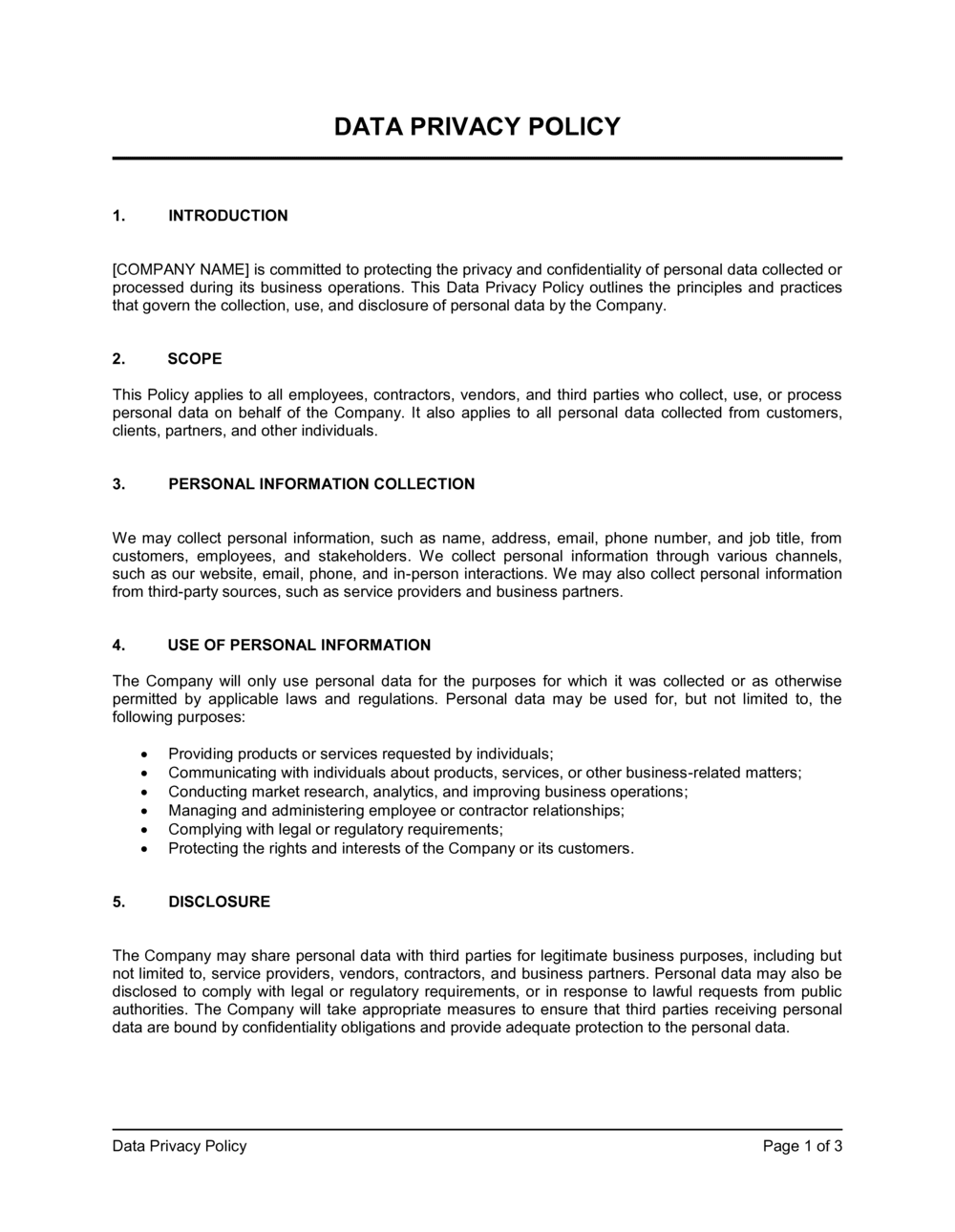
The distinction between a public privacy notice and an internal governance document is especially important. A data privacy policy template generally focuses on communicating what information an organization collects, why it is collected, how it is used or shared, retention practices, individual rights, and contact mechanisms. An internal security policy is more operational: it addresses access, authentication, encryption, incident handling, system protection, and other controls. A comprehensive compliance structure may use both documents and cross-reference them rather than attempting to make one document perform every function.
NIST’s Privacy Framework provides a useful conceptual model because it separates privacy risk management into organizational functions while emphasizing that the framework is voluntary and does not itself create legal obligations. Its structure can help an organization organize governance, identify privacy risks, establish controls, and communicate practices. That makes it useful as a drafting reference, but it should not be presented as a substitute for applicable legislation, regulations, contractual requirements, or professional legal review.

The practical value of a template comes from its ability to turn broad principles into evidence. For example, saying that an organization protects personal data is less useful than documenting who owns access approvals, where sensitive records are stored, how access is reviewed, how long records are retained, how vendors are assessed, and what happens when an incident is discovered. The document becomes a management tool rather than a statement of aspiration.
Understanding Privacy and Security Law Before Drafting
When people ask what is data privacy law, they are usually asking about a collection of legal rules governing the collection, use, disclosure, retention, protection, and individual control of personal information. There is no single worldwide privacy statute that provides one universal template. Different jurisdictions establish different rights, definitions, thresholds, notice requirements, contractual duties, security expectations, and enforcement mechanisms.
The phrase privacy and data protection law is therefore broader than a single policy document. A business may need to consider federal rules, state privacy laws, sector-specific requirements, contractual obligations, breach notification rules, consumer rights, and rules applicable to international transfers. The resulting template should begin with a legal applicability assessment rather than assuming that one familiar framework applies to every organization.
The broader landscape of data privacy and protection laws also changes over time. California is an important example because the CCPA has been amended and supplemented through subsequent rulemaking. The California Privacy Protection Agency currently identifies CCPA regulations and additional regulatory packages concerning subjects including cybersecurity audits, risk assessments, automated decisionmaking technology, and other privacy matters.

A good drafting process therefore starts with a jurisdiction map. Identify where the organization is established, where customers or employees are located, what sectors are involved, what categories of personal information are processed, whether children or other sensitive populations are involved, and which vendors or processors receive information. The template can then include a section that records the laws and contractual requirements determined to be relevant.
Core Sections of a Data Privacy and Security Law Template
The first section should normally establish purpose, scope, ownership, and definitions. Purpose explains why the document exists. Scope identifies the business units, systems, information categories, locations, personnel, contractors, and vendors covered by the rules. Ownership identifies who maintains the document and who approves material changes. Definitions prevent ambiguity around terms such as personal information, sensitive information, controller, processor, confidential information, security incident, retention, and deletion.
The next section should describe the organization’s information lifecycle. A useful structure follows data from collection through use, storage, disclosure, retention, archival where appropriate, and secure disposal. This lifecycle perspective is valuable because privacy risk can arise at any stage. Information that was appropriately collected can still become a problem if it is retained unnecessarily, shared with an unexpected recipient, stored in an uncontrolled location, or left accessible after a person’s role changes.
The third major area should document privacy principles and decision rules. Depending on the applicable legal framework, these may include transparency, purpose limitation, data minimization, accuracy, retention limitation, security, accountability, and individual participation. The template should avoid claiming that every principle has identical legal status everywhere. Instead, it should identify which principles are legal obligations, which are organizational policies, and which are adopted as good governance practices.
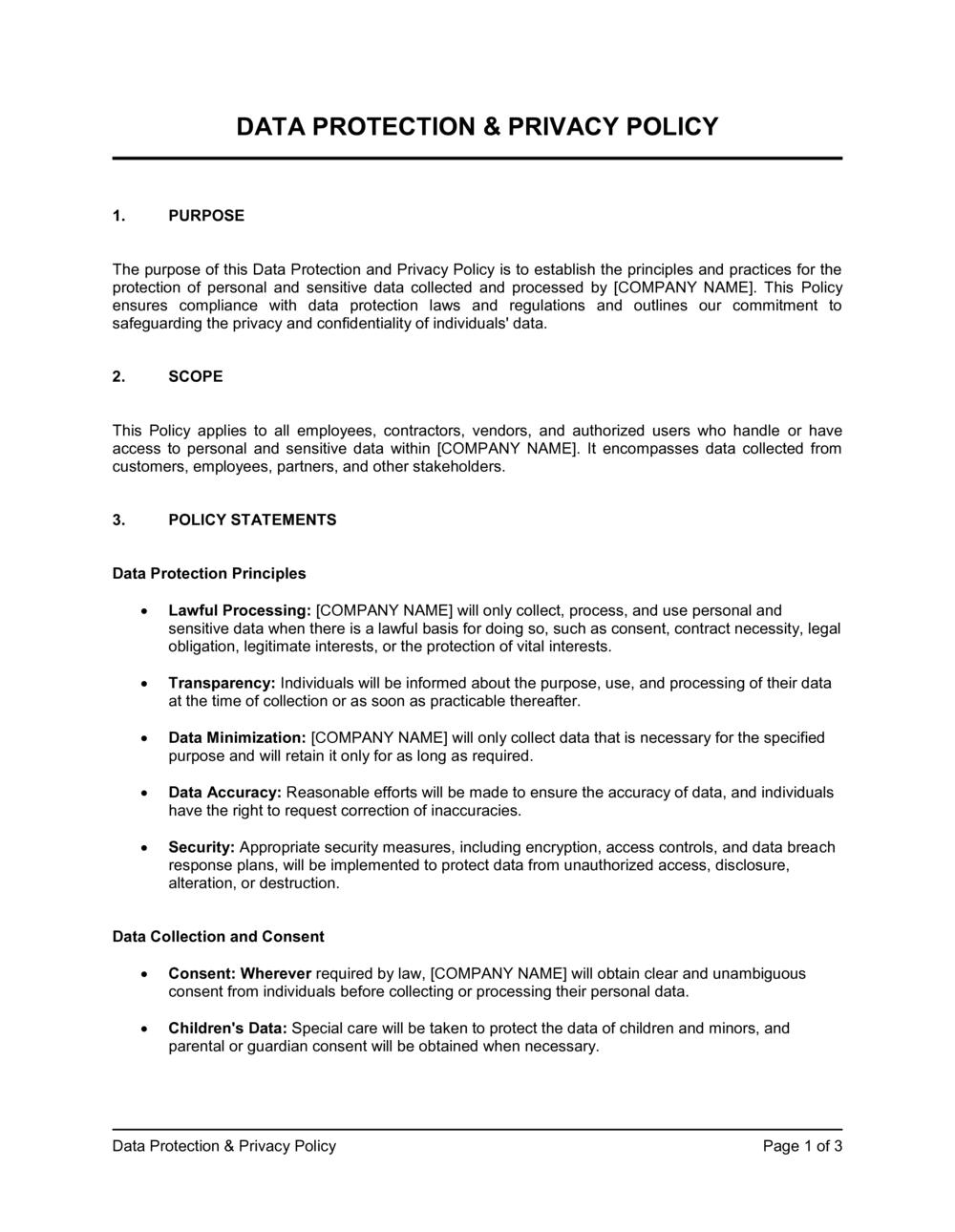
Another important section should describe data categories. A useful inventory might distinguish ordinary contact information, account information, transaction records, employee records, identifiers, online activity information, location information, financial information, health-related information, children’s information, and other sensitive categories where relevant. The purpose is not to create an unnecessarily long list, but to create categories that can actually be mapped to systems, purposes, recipients, retention periods, and controls.
The template should also identify processing purposes. Instead of a vague statement such as “we use information to operate our business,” describe legitimate operational purposes at an appropriate level of specificity. Examples might include account administration, order fulfillment, customer support, fraud prevention, security monitoring, regulatory compliance, employee administration, service improvement, or communications. Each purpose should be connected to the actual information required for that purpose.
Finally, the document should explain individual rights and request handling. The exact rights vary by jurisdiction, but the operational workflow should answer practical questions: where requests arrive, who verifies the requester, who assigns the request, which systems must be searched, who determines whether an exception applies, who approves the response, how completion is recorded, and how unresolved issues are escalated. A rights section without an operational workflow is difficult to implement consistently.
Security Controls That Belong in the Template
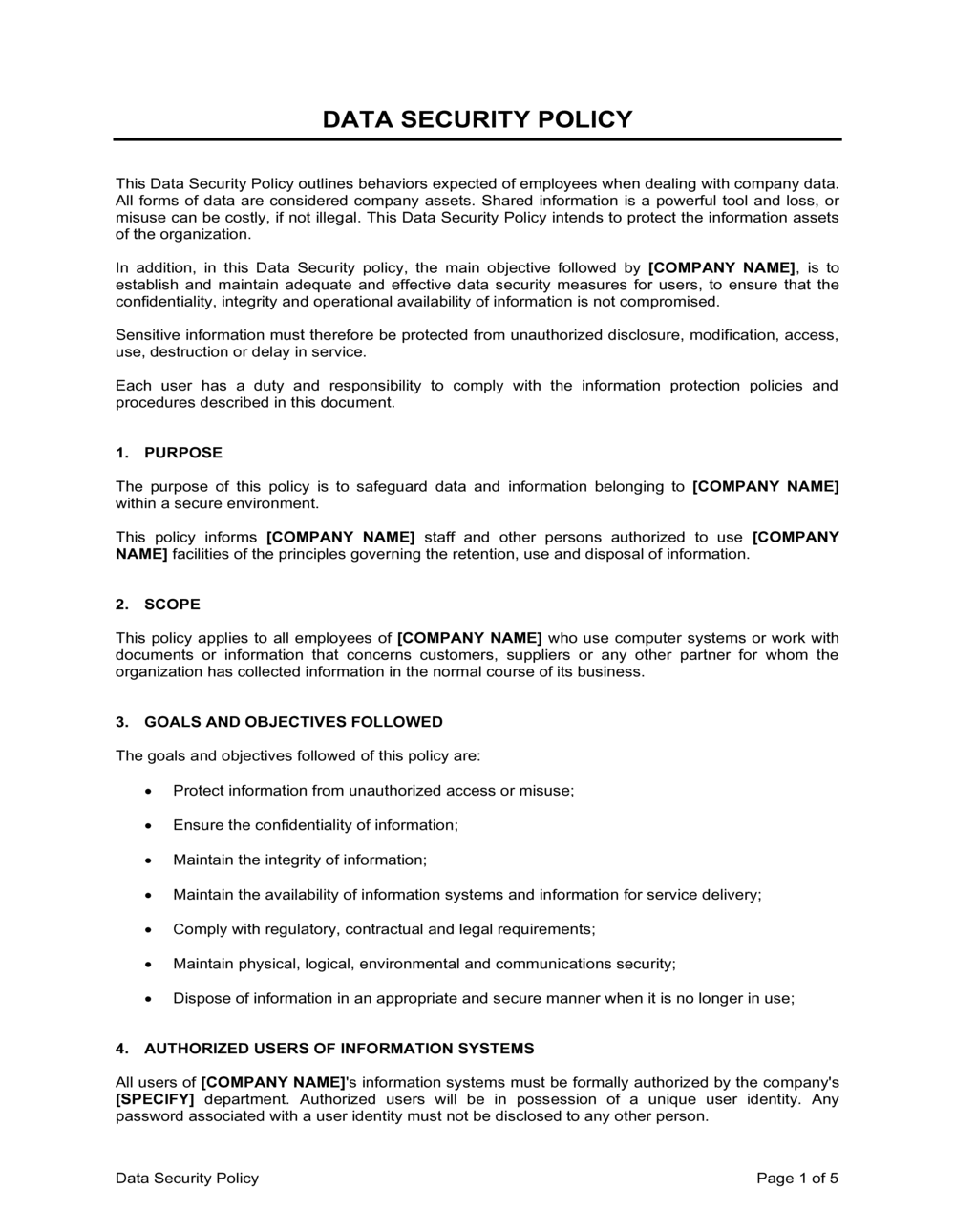
Privacy documentation should not promise security controls that the organization does not actually operate. A useful template therefore separates policy requirements from technical implementation details. The policy might require appropriate access control, encryption, secure disposal, monitoring, incident response, and vendor oversight, while separate technical standards specify exactly how those controls are implemented.
Access control should be documented using a least-privilege approach. The organization should identify which roles need access to particular categories of personal information, who approves that access, how access is provisioned, how it is reviewed, and how it is revoked. The FTC similarly advises organizations to restrict access to sensitive information according to legitimate business need and to review service-provider security expectations.
Encryption should be addressed according to the organization’s actual environment. The document can distinguish information stored on systems from information transmitted between systems and can identify where encryption requirements apply. It should also address key management at an appropriate level. Avoid inserting a particular technical standard simply because it sounds sophisticated; the control should be selected based on risk, data sensitivity, technology, legal obligations, and the organization’s security architecture.
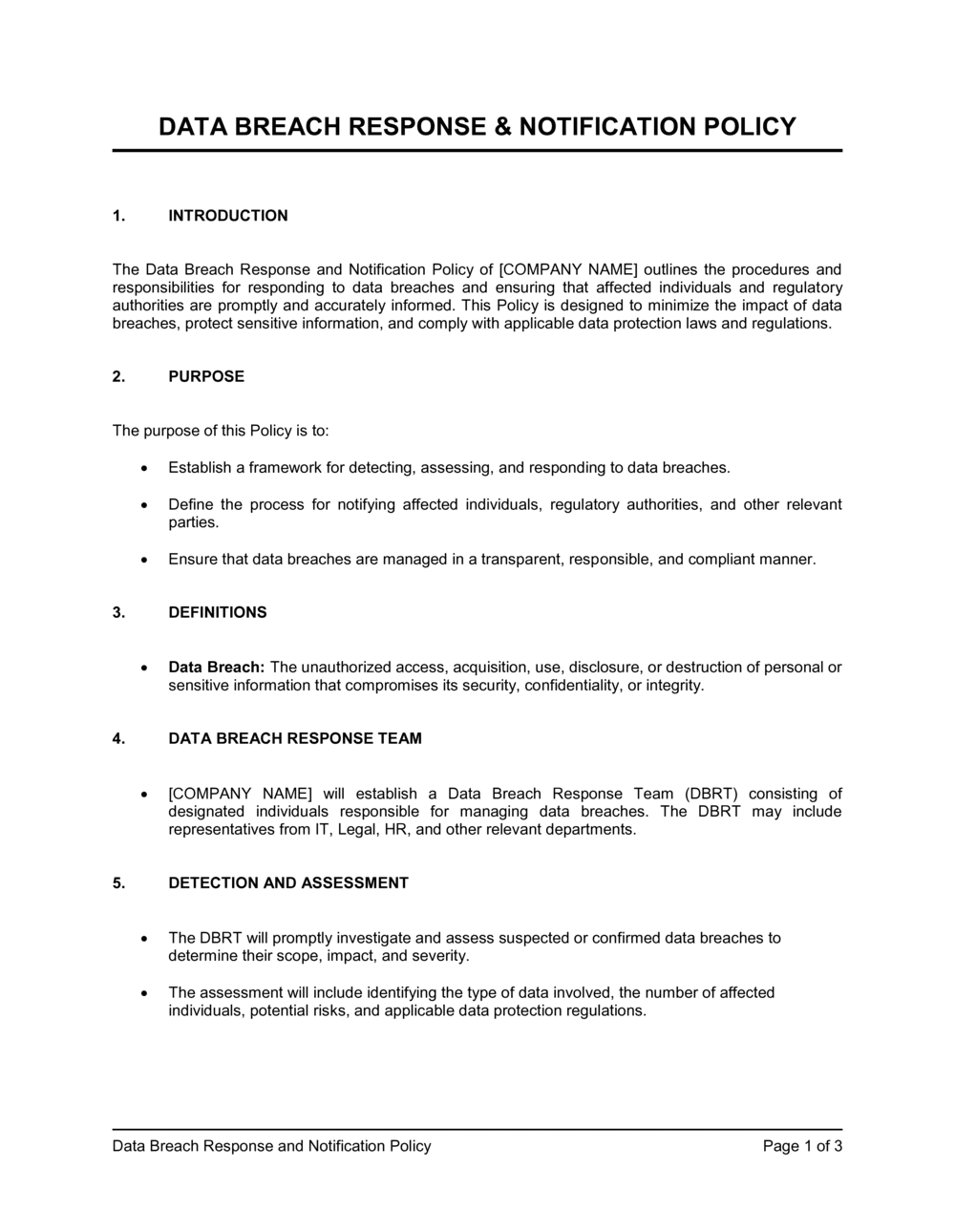
Incident management deserves its own section because a privacy program is incomplete if it only addresses normal operations. The policy should define what constitutes a suspected incident, how employees report it, who performs the initial assessment, how affected systems are contained, who evaluates legal notification obligations, how evidence is preserved, and how corrective actions are tracked. Regulatory notification timelines differ by law, so the template should avoid using one universal deadline for every situation.
The FTC’s Safeguards Rule provides an example of how a sector-specific federal rule can require a written information security program with administrative, technical, and physical safeguards for covered financial institutions. The FTC also states that the program must be appropriate to the organization’s size, complexity, activities, and sensitivity of the information involved. This illustrates why a template should be adaptable rather than treated as a universal legal formula.

California Considerations
Organizations specifically searching for a data privacy and security law template california should treat California as a jurisdiction requiring careful applicability analysis. The CCPA gives qualifying California consumers rights that include knowing about personal information collected and how it is used or shared, requesting deletion subject to exceptions, opting out of certain sale or sharing activities, and receiving non-discriminatory treatment for exercising applicable rights.
A California-oriented template should therefore have enough structure to document notice practices, consumer request handling, applicable opt-out mechanisms, data categories, purposes, disclosures, and relevant security governance. It should also leave room for organization-specific determinations concerning whether particular CCPA provisions apply. A business should not assume that the presence of California customers alone answers every applicability question.
California’s regulatory environment also demonstrates why templates require version control. The CPPA states that regulations effective January 1, 2026 include updates concerning cybersecurity audits, risk assessments, automated decisionmaking technology, and related CCPA requirements. A template that was accurate several years ago may therefore require substantial review before it is reused.
For California operations, it is particularly useful to maintain a regulatory change log alongside the policy. The log can record the date of a legal or regulatory change, the affected section, the owner responsible for reviewing the change, the decision made, and the resulting document version. This creates a traceable relationship between regulatory monitoring and policy maintenance without pretending that a static template itself guarantees compliance.
Choosing Between PDF, Word, and Spreadsheet Structures
A request for a data privacy and security law template pdf often reflects a need for a stable document that can be reviewed, circulated, printed, or retained as a formal record. PDF is useful when the document has reached an approved state because it preserves the appearance of the policy and makes uncontrolled editing less likely. It is less convenient as the primary drafting format when multiple stakeholders need to make substantial revisions.
A data privacy and security law template word structure is usually better suited to drafting because sections, headings, placeholders, review notes, and tracked revisions can be managed more easily. Word-style documents are particularly useful during legal, compliance, security, and business review. Once approved, the organization can preserve a controlled final version in a stable distribution format.
A data privacy and security law template excel structure is better suited to structured information than narrative policy text. A spreadsheet can support data inventories, processing registers, vendor reviews, retention schedules, control matrices, legal applicability assessments, risk registers, and implementation tracking. NIST’s Privacy Framework itself provides Core materials in spreadsheet and document formats, illustrating how structured and narrative artifacts can complement one another.
For practical governance, the strongest approach is often a document plus structured supporting registers. The main policy explains the rules and responsibilities. A data inventory records systems and categories. A vendor register records recipients and assessments. A risk register records identified privacy and security risks. A retention schedule records periods and disposal requirements. A rights-request register records operational handling. These supporting artifacts should be cross-referenced so that the policy remains readable without sacrificing operational detail.
How to Structure a High-Quality Template
Start with a document-control block containing the document name, owner, approver, version, effective date, review date, and classification. Then define scope and applicability. Follow this with definitions and governance roles. The next sections can cover data categories, purposes, collection, lawful processing considerations, sharing, retention, individual rights, security safeguards, incident management, vendor oversight, training, records, exceptions, enforcement, and review.
The template should contain explicit placeholders rather than vague instructions. For example, instead of writing “describe your vendors,” create fields for vendor name, service purpose, data categories, processing location, contractual status, security review date, subprocessor considerations, and owner. Instead of writing “describe retention,” create fields for data category, purpose, retention period, legal or operational rationale, storage location, disposal method, and responsible owner.
Good templates also distinguish requirements from evidence. A requirement might state that access to sensitive personal information must be limited to authorized roles. Evidence could include an access matrix, approval record, periodic review record, or system configuration. This distinction helps during audits because the organization can demonstrate not only what its policy says, but also how the policy is implemented.
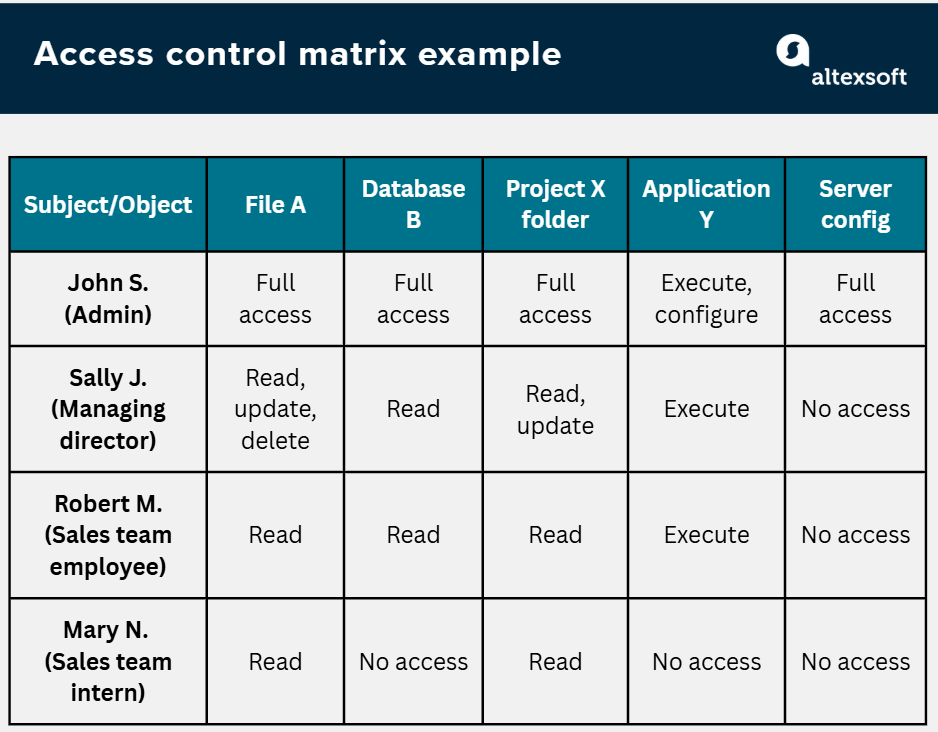
A template should also contain a change-management mechanism. When a new analytics service, CRM, payment provider, cloud platform, or automated decision system is introduced, someone should determine whether the privacy documentation must change. This prevents a common governance failure in which the policy remains polished but describes an environment that no longer exists.
Common Data Security and Privacy Law Issues
Common data security and privacy law issues include collecting more information than necessary, retaining information without a defensible purpose, failing to disclose relevant processing activities, granting excessive access, overlooking vendors, using inconsistent deletion procedures, and failing to update policies after systems or laws change. These problems are rarely solved by adding more paragraphs to a policy. They require a connection between governance documentation and actual business processes.
Another recurring problem is treating the privacy notice as if it were the entire privacy program. A notice tells individuals what an organization says about its data practices, but it cannot substitute for internal procedures that determine how rights requests are fulfilled, how vendors are assessed, how access is revoked, how retention is enforced, or how incidents are escalated. The policy architecture should make those connections explicit.
Risk assessment is another area where documentation can become superficial. NIST describes privacy risk assessment as a way to analyze, assess, and prioritize privacy risks so that organizations can determine appropriate responses and controls. A useful template should therefore record the risk, affected data or individuals, likelihood, potential impact, existing controls, proposed treatment, residual risk, owner, and review status.

A risk matrix can make those judgments easier to communicate. The exact scoring method should be chosen by the organization and documented consistently rather than copied blindly from another framework. What matters is that the organization can explain how it determines whether a privacy or security risk requires treatment, acceptance, escalation, or additional analysis.

Privacy Impact Assessments and Data Mapping
Data mapping is one of the most useful supporting activities for a privacy and security template. A data map can show where information enters an organization, which systems process it, where it is stored, which vendors receive it, where it moves, and how it is ultimately deleted or anonymized. NIST specifically describes data maps as artifacts that illustrate data processing environments and interactions with systems, products, and services.
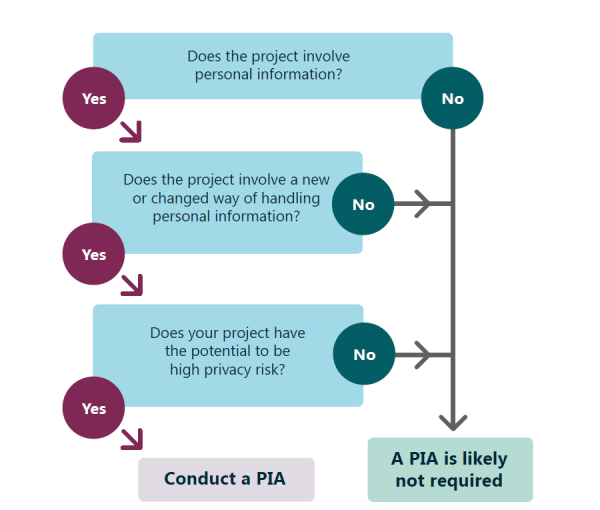
A privacy impact assessment can then use that map to examine whether a new or changed processing activity creates significant privacy risks. The Australian Office of the Information Commissioner describes a threshold assessment process for determining whether a project may present high privacy risk and emphasizes that assessments should be proportionate to the project’s size, complexity, and risk.
A template for this purpose should capture the project description, data categories, affected individuals, processing purposes, information flows, potential impacts, existing safeguards, risk analysis, mitigation measures, consultation requirements, decisions, and review arrangements. The objective is not to produce paperwork for its own sake. The assessment should influence project design before problematic processing becomes difficult or expensive to change.
For a mature program, the privacy impact assessment can be connected to project governance. A new system cannot move to a defined stage until the responsible owner confirms that the privacy assessment has been completed or determines that one is not required. This creates a practical control point instead of leaving privacy review as an informal recommendation.
Retention, Deletion, and Data Minimization
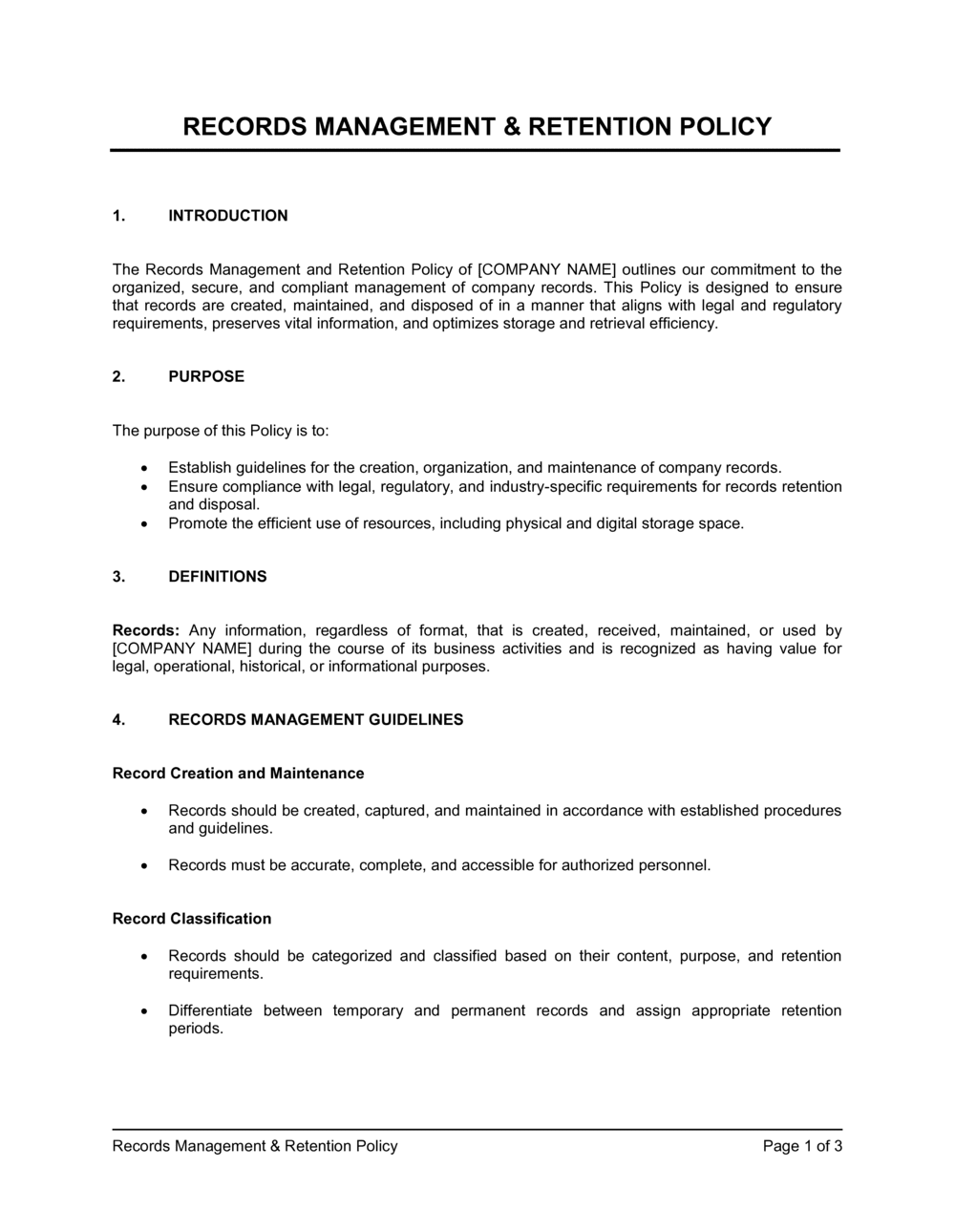
Retention is often overlooked when organizations focus primarily on collection and security. A privacy-oriented template should explain that information should not remain indefinitely simply because storage is inexpensive. Each category should have an identified business or legal rationale, an approved retention period, a responsible owner, and a method for deletion, anonymization, or archival where appropriate.
A retention schedule works especially well as a structured companion to the main policy. Categories might include customer accounts, transactional records, marketing information, employee records, support tickets, security logs, and legal records. The organization should document why each period exists and distinguish mandatory retention from discretionary operational retention.
Data minimization should also be reflected in collection forms, databases, integrations, and reporting processes. If a field is not necessary for the stated purpose, the organization should question why it exists. Reducing unnecessary information can reduce both privacy exposure and security exposure because there is less information to protect, search, disclose, correct, or delete later.

Retention controls should not exist only on paper. A review process can compare the documented schedule with actual databases and repositories. Where automated deletion is possible, the organization can define the expected behavior and retain evidence that scheduled processes operate correctly. Where manual deletion is necessary, ownership and completion records become particularly important.
Vendor and Third-Party Data Governance
Third-party services can create privacy obligations that are easy to miss because the data may leave the organization’s immediate infrastructure. A template should therefore include a vendor section covering the service provider, purpose, data categories, geographic considerations, contractual protections, security review, subprocessors where relevant, incident notification obligations, and termination or deletion requirements.
The FTC’s business guidance recommends taking reasonable steps to select service providers capable of implementing appropriate security measures and putting security expectations into contracts. This reinforces an important drafting principle: vendor management should not be isolated from privacy policy work. The organization’s contractual controls and internal policy should tell a consistent story.
A vendor register can also serve as a practical evidence source. If the privacy notice says information is shared with certain categories of providers, the internal register should make it possible to identify those providers and understand what information each receives. Changes to vendors should trigger a review of the privacy notice, data map, contractual records, security assessment, and retention arrangements.

Practical Solution
The most practical way to create a data privacy and security law Template is to build it around the organization’s actual data lifecycle rather than beginning with legal language. First, identify the jurisdictions and sectors that may apply. Second, inventory the personal information and systems involved. Third, map purposes, recipients, retention periods, and access requirements. Fourth, identify privacy and security risks. Fifth, map those risks to controls, procedures, contracts, and evidence. Only after that should the policy language be finalized.
Next, create a document-control system. Give the policy a named owner, approval authority, version number, effective date, review date, and change history. Maintain separate supporting registers for data inventory, vendors, retention, rights requests, risks, incidents, and controls when the organization is large enough to need them. For smaller organizations, these may be consolidated into a manageable workbook, provided that ownership and review responsibilities remain clear.
Then test the template against realistic scenarios. Consider what happens when a customer requests deletion, when an employee changes departments, when a vendor is replaced, when a new analytics service is introduced, when a security incident occurs, or when a new jurisdiction becomes relevant. If the document does not tell the responsible person what to do next, revise the workflow rather than simply adding more legal language.
The final step is controlled review. Legal or privacy specialists should assess jurisdiction-specific requirements when the organization’s risk profile warrants it. Security personnel should verify that the stated safeguards reflect actual controls. Business owners should confirm that the purposes and workflows are accurate. The document should then be approved, distributed to the appropriate audience, and reviewed whenever there is a material change to data processing, technology, business operations, or applicable law.
Using Templates Without Creating False Compliance
A template is a starting structure, not proof that an organization satisfies every applicable requirement. This distinction is particularly important when searching for a data privacy and security law template free download, because a generic document may contain terminology or clauses that do not match the organization’s systems, jurisdiction, business model, or data flows.
The same caution applies to a data privacy and security law template free resource. The absence of a purchase price does not make a document legally sufficient, and a professionally designed document can still be unsuitable if its assumptions are wrong. The safest approach is to treat any generic template as a drafting framework and validate every statement against actual practices and applicable law.
Organizations should also avoid confusing a policy template with legal advice. A template can organize information, expose missing controls, support internal discussion, and make review more efficient. It cannot determine every legal obligation for an organization with complex activities. Where sensitive data, multiple jurisdictions, automated decision systems, children, healthcare, financial services, or significant cross-border processing are involved, specialized review may be appropriate.

Maintaining the Template Over Time
Privacy governance is not a one-time drafting exercise. A policy can become inaccurate when the organization adds a new vendor, changes its analytics configuration, launches a new product, enters a new market, changes retention practices, or adopts a new automated processing capability. Each material change should therefore trigger a question about whether the template, supporting records, and public disclosures remain accurate.
A scheduled review should examine both legal developments and operational reality. The reviewer should compare the policy against current systems, vendor lists, data flows, retention schedules, access controls, incident procedures, and rights-request processes. A policy review that only checks spelling and regulatory references is not enough; the central question is whether the document still describes what the organization actually does.
Evidence should be retained alongside each major version. Approval records, review notes, risk assessments, control mappings, and material change decisions can demonstrate how the organization maintains accountability. This also makes future updates easier because the organization can understand why earlier decisions were made rather than starting the analysis from zero each time.
The most durable template is therefore modular. The core policy should remain readable and relatively stable, while supporting registers and technical standards can change more frequently. This approach reduces unnecessary rewriting while keeping operational evidence current.
Reference Examples
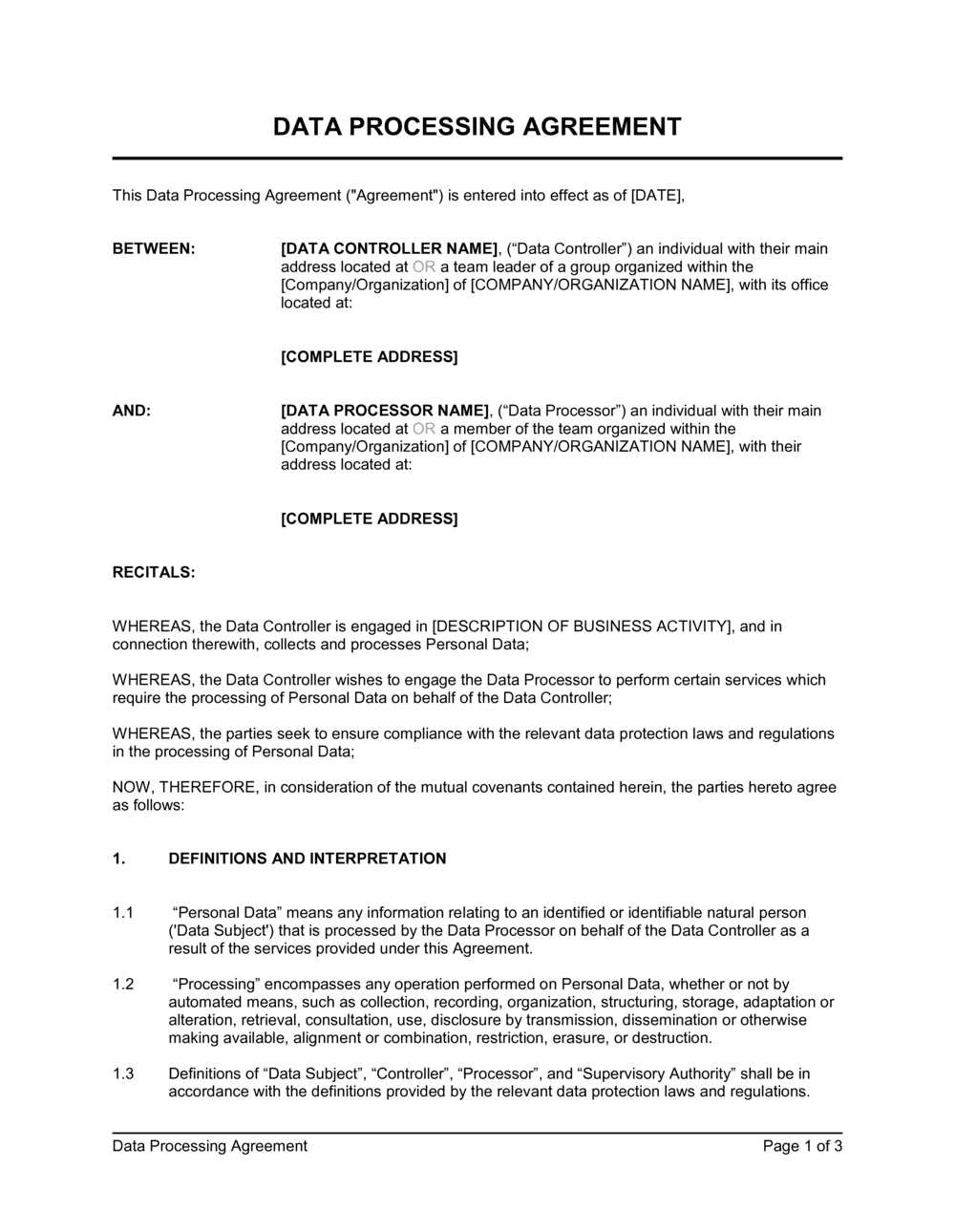
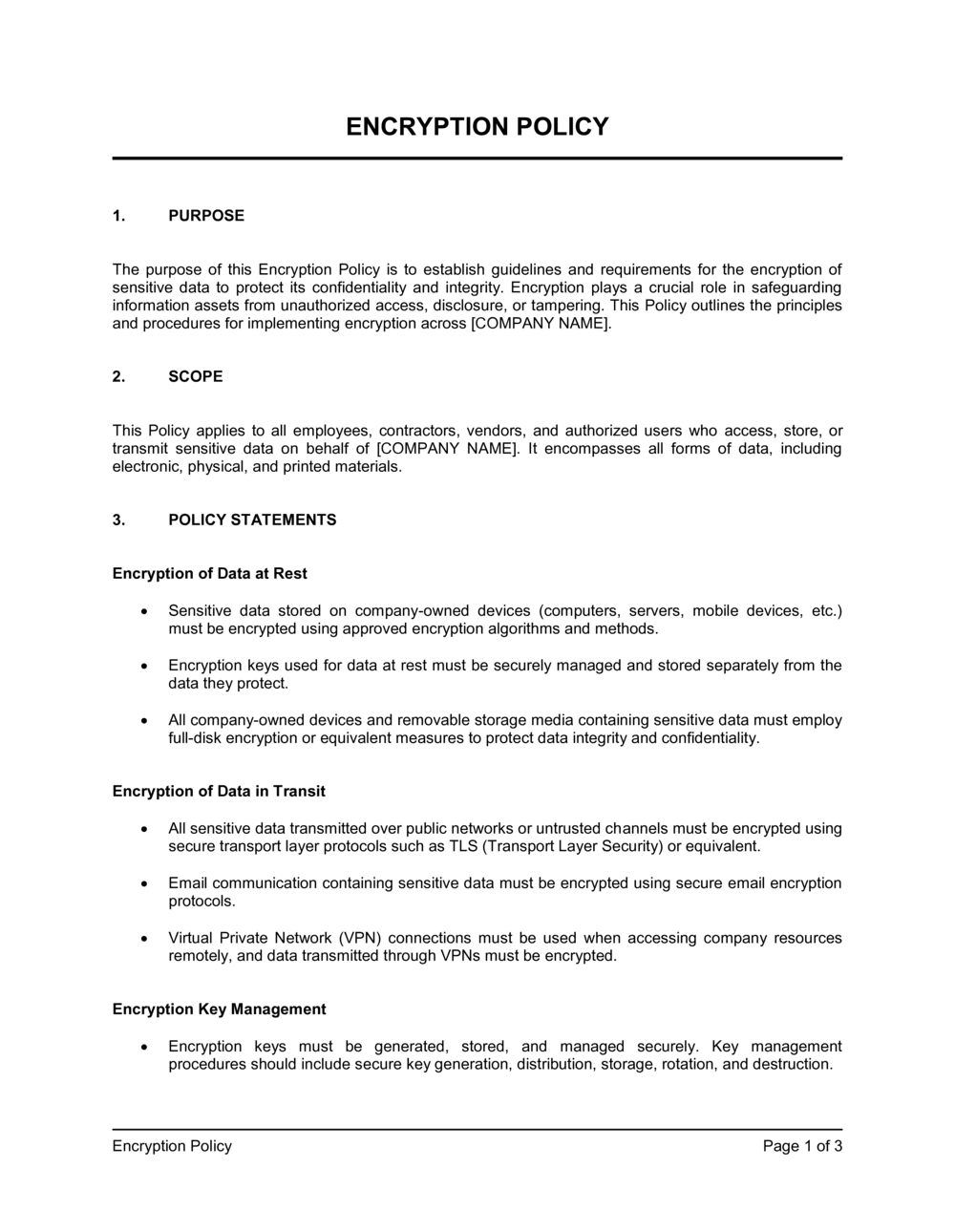
A data privacy and security law Template is easiest to evaluate when readers can see how different governance artifacts translate abstract requirements into concrete document structures. Useful references include privacy policies, data protection policies, security policies, access-control documents, processing agreements, breach procedures, retention schedules, risk assessments, and privacy impact assessment forms. These examples should be treated as visual references rather than universal legal models, because the correct structure depends on jurisdiction, industry, organizational size, data sensitivity, and actual processing activities.
The following examples illustrate different ways to organize the information that a privacy and security governance program may need to manage. Comparing them can help identify useful sections, field types, control relationships, and document boundaries. The strongest approach is to select the structural ideas that match the organization’s actual needs, verify the relevant legal requirements, and then adapt the resulting document so every statement accurately reflects real data practices and security controls.

Privacy Policy Template
Source: eForms
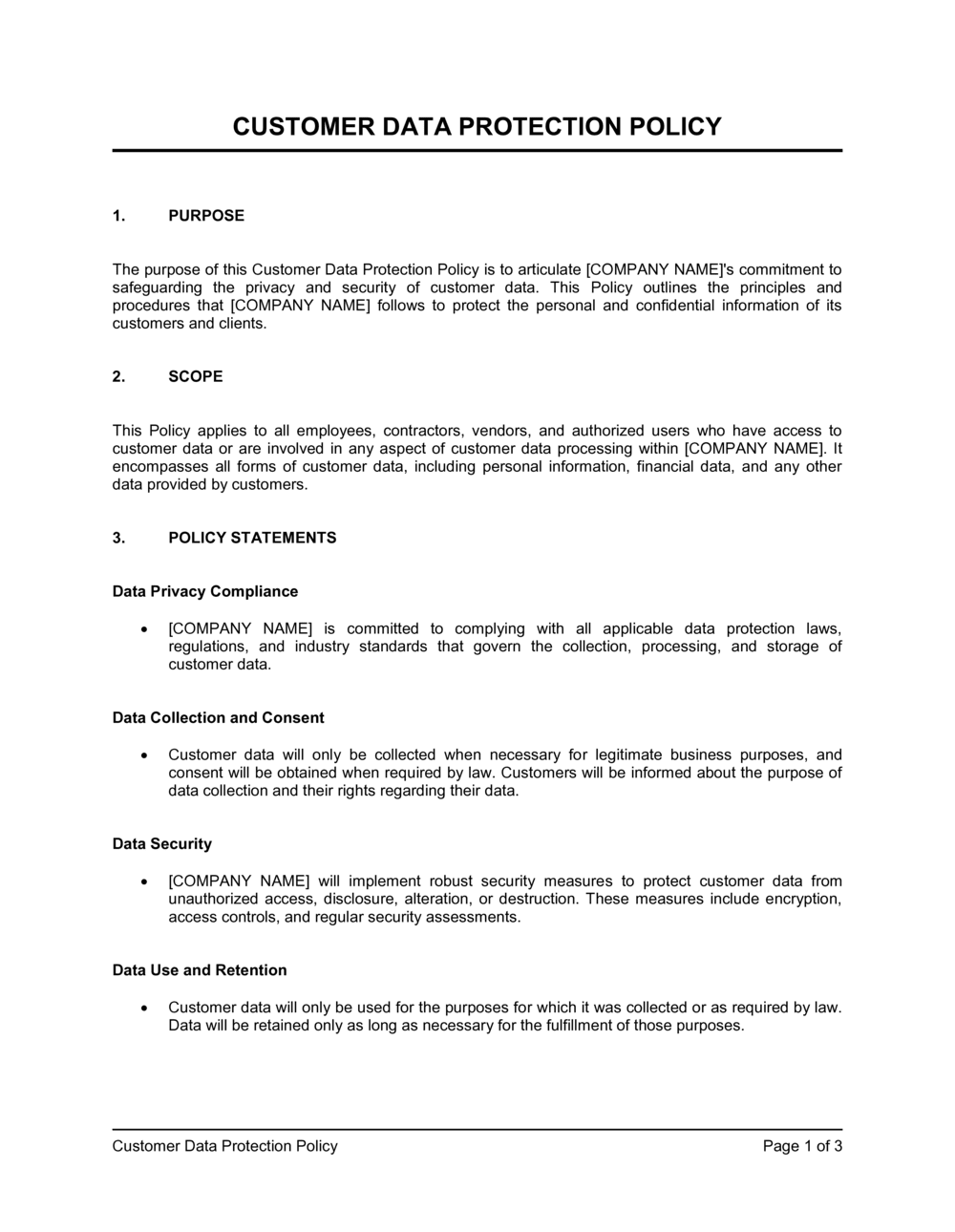
Customer Data Protection Policy Template
Source: Business in a Box
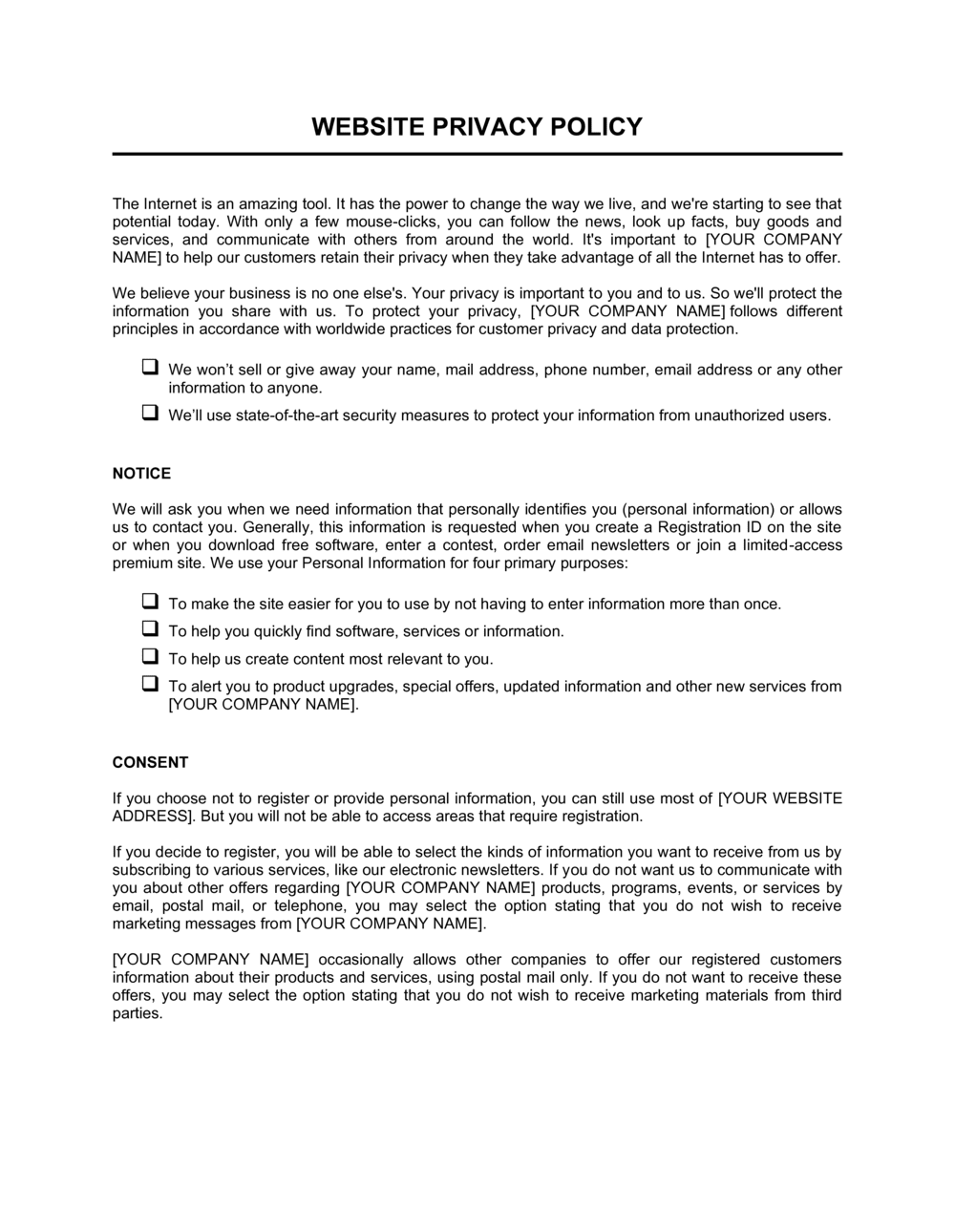
Website Privacy Policy Template
Source: Business in a Box
Data Processing Agreement
Source: Business in a Box
Data Breach Response and Notification Policy
Source: Business in a Box
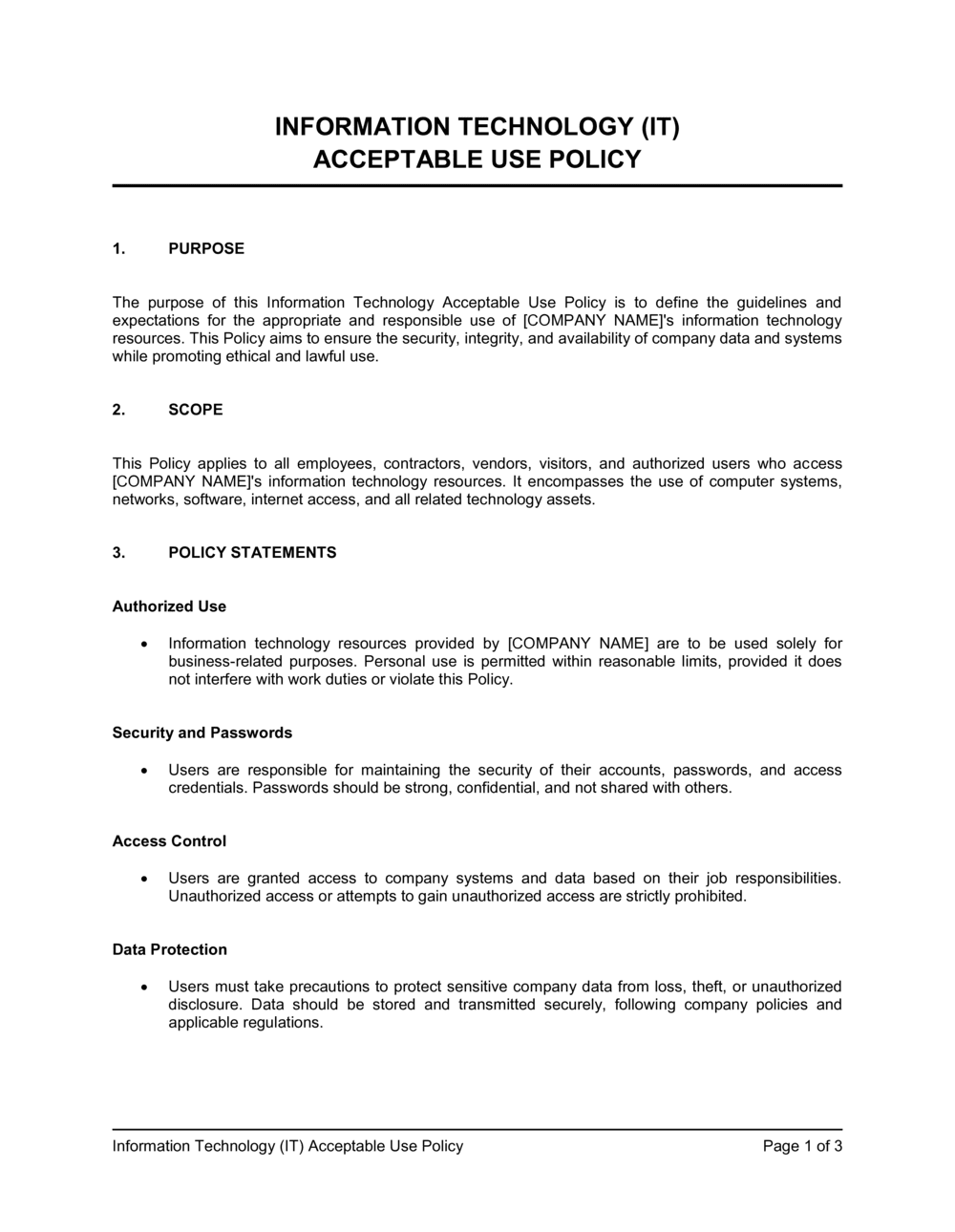
Information Technology Acceptable Use Policy
Source: Business in a Box
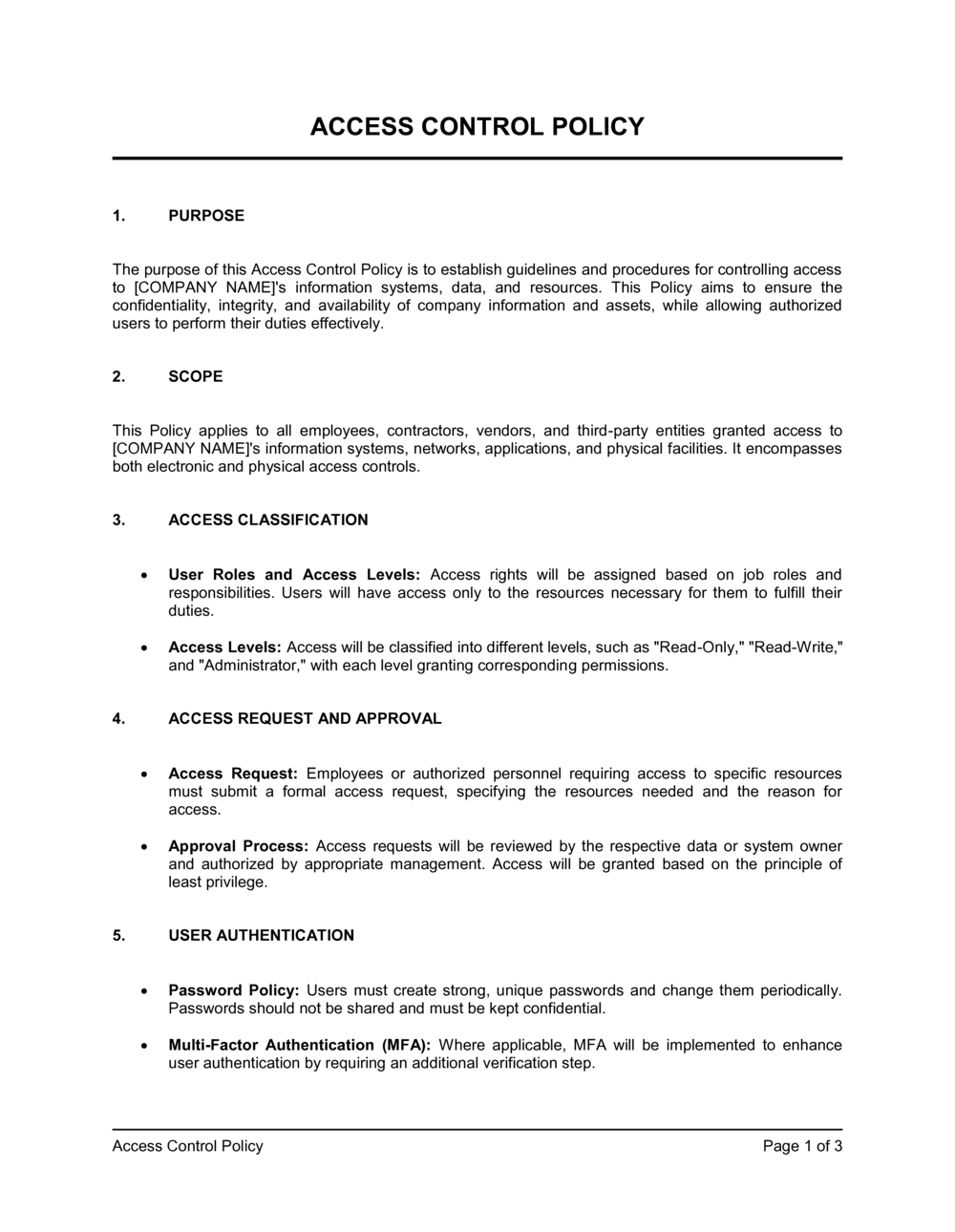
Access Control Policy
Source: Business in a Box
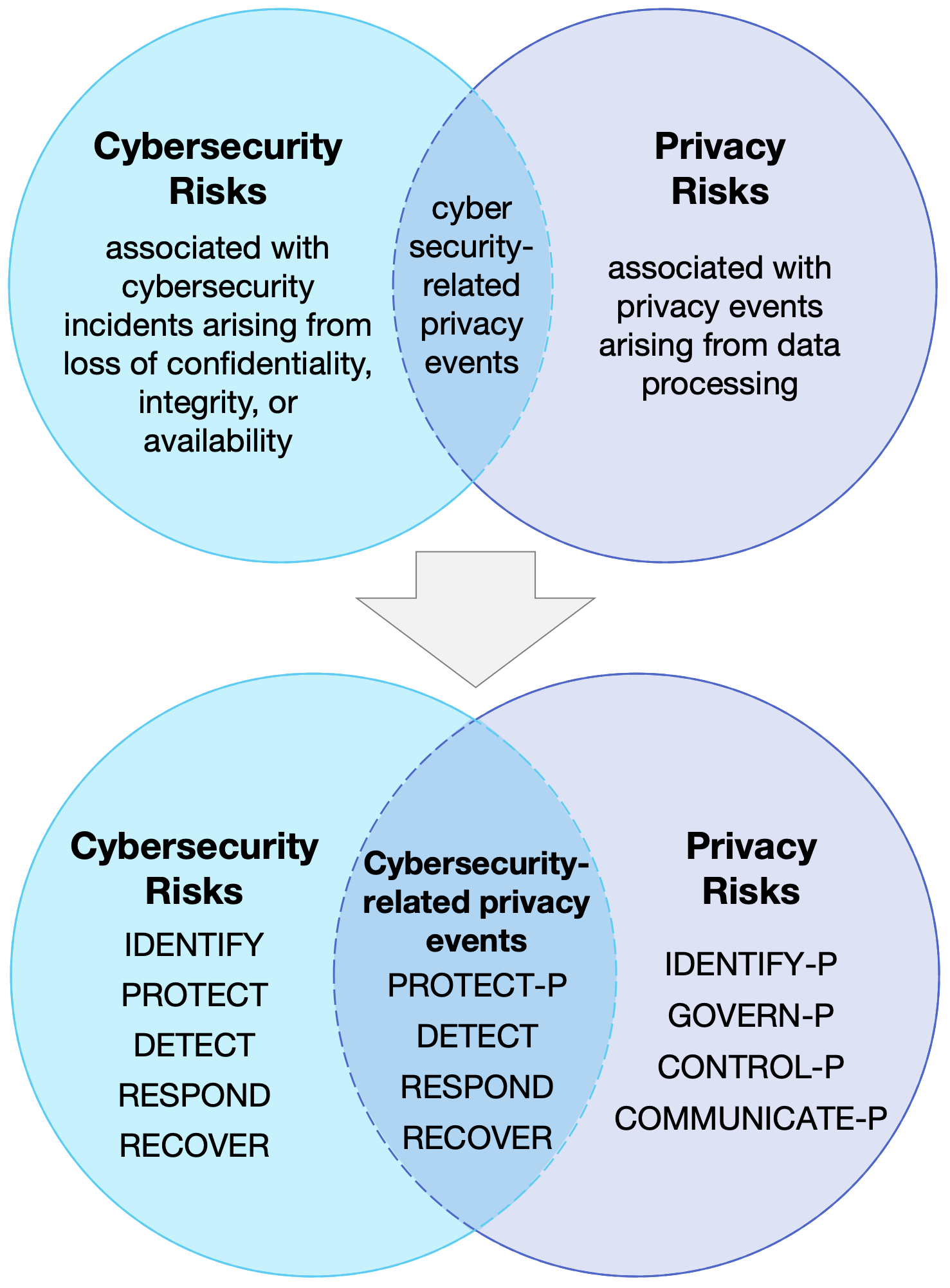
Privacy and Cybersecurity Risk Relationship Diagram
Source: National Institute of Standards and Technology
Privacy Risk Flowchart
Source: Office of the Australian Information Commissioner
Data Security Policy
Source: Business in a Box
