A marketing product launch case study Template is most useful when it does more than describe what a marketing team did. A strong template creates a clear record of the market situation, launch objective, target audience, positioning, channel strategy, execution, measurement, results, and lessons learned. It turns a complicated launch into a structured story that another marketer, manager, client, or executive can understand quickly and evaluate critically.
Search intent around this topic usually combines two needs: finding a practical structure and learning how to document a real product launch. Readers may be looking for a report they can adapt, a presentation structure for leadership, a worksheet for campaign data, or a case study format that makes results easy to compare. The best solution is therefore not one rigid document. It is a modular framework that can work as a written report, presentation, spreadsheet-led analysis, or collaborative document while keeping the same underlying evidence.
Current product-launch guidance consistently emphasizes several connected phases: preparation, launch execution, and post-launch analysis. Strong launch planning also connects positioning, audience, messaging, channels, responsibilities, timelines, and success measures instead of treating them as unrelated checklists. A case study should preserve that connection so the reader can understand not only what happened, but also why particular decisions were made and how those decisions relate to observed outcomes.
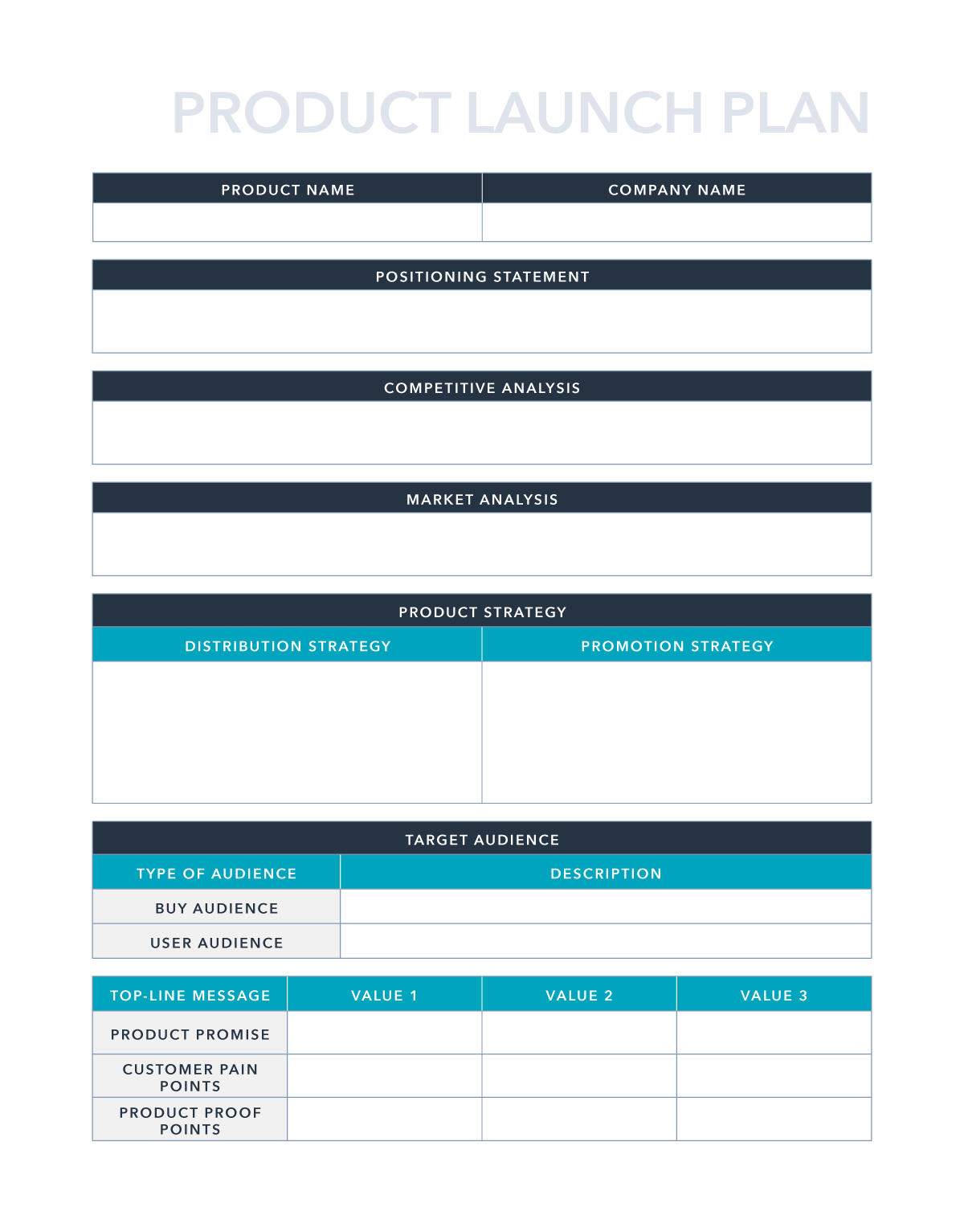
What a marketing product launch case study Template should accomplish
The central purpose of a launch case study is to create a defensible chain from situation to decision to execution to outcome. Instead of presenting a collection of promotional activities, the document should establish the original business context, identify the launch problem or opportunity, explain the strategic response, and then show the evidence used to judge performance. This makes the document useful both as a historical record and as a learning tool for future launches.
A good structure also separates facts from interpretation. For example, the number of leads generated during a launch is an observed result, while the statement that a particular message caused the increase is an interpretation that requires supporting evidence. Keeping these categories distinct makes the case study more credible. It also prevents marketers from turning correlation into causation simply because two events occurred during the same campaign period.
The template should therefore encourage disciplined documentation. Each major claim should have a source, measurement period, definition, and relevant comparison where possible. If a metric is presented as an improvement, state what it is being compared with: a previous period, a forecast, a control group, a launch target, or another clearly defined benchmark. If the numbers are hypothetical, label them as hypothetical rather than presenting them as a real company result.

The essential structure of the case study
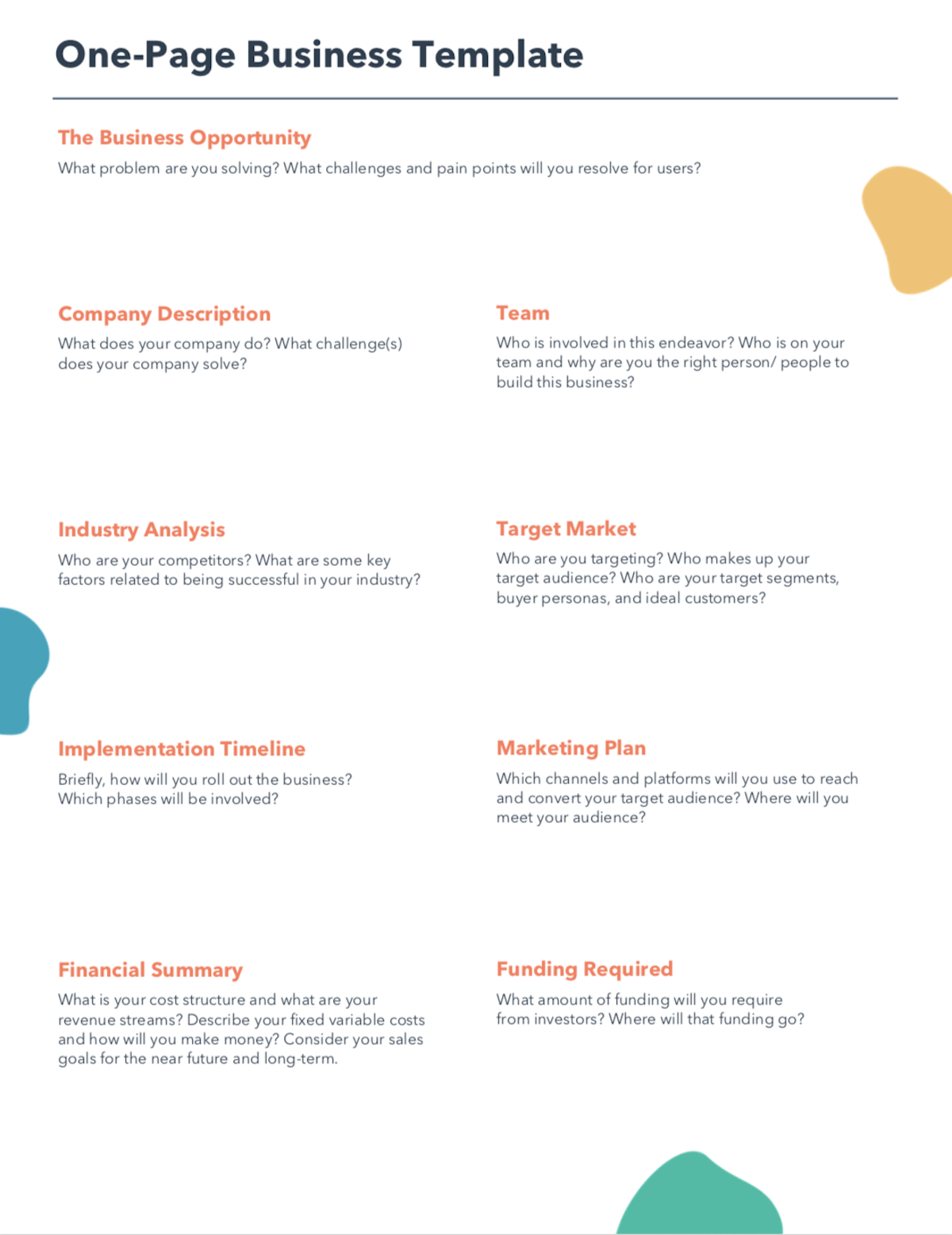
The first section should be an executive snapshot. Include the product, market, launch period, business objective, target audience, principal strategy, and most important verified outcome. A reader should be able to understand the case without reading every supporting detail. If the document is being presented to executives, this section may be only a page or a few slides; if it is intended for a detailed internal review, it can point toward the evidence contained later in the report.
The second section establishes context. Describe the market condition before launch, the customer problem, competitive environment, existing brand position, and reason for launching. Avoid vague statements such as “the market was competitive” unless the statement is supported by relevant research. Instead, describe the specific condition that influenced the launch decision, such as an unmet customer need, a positioning gap, a new category opportunity, a distribution change, or a strategic product expansion.
The third section explains the challenge and objective. A useful objective contains a measurable outcome and a time boundary. “Increase awareness” is incomplete because it does not establish how awareness will be measured or when success will be judged. A stronger structure is “increase qualified awareness within the defined launch audience during the initial launch period,” followed by the actual measurement definition selected by the team.
Document the audience and market evidence
Audience definition is one of the most important parts of a launch case study because marketing performance cannot be interpreted without knowing whom the campaign was designed to reach. Record the priority segment, relevant customer characteristics, use case, pain point, buying motivation, objections, and preferred channels. When customer research is available, distinguish observed findings from assumptions made by the marketing team.
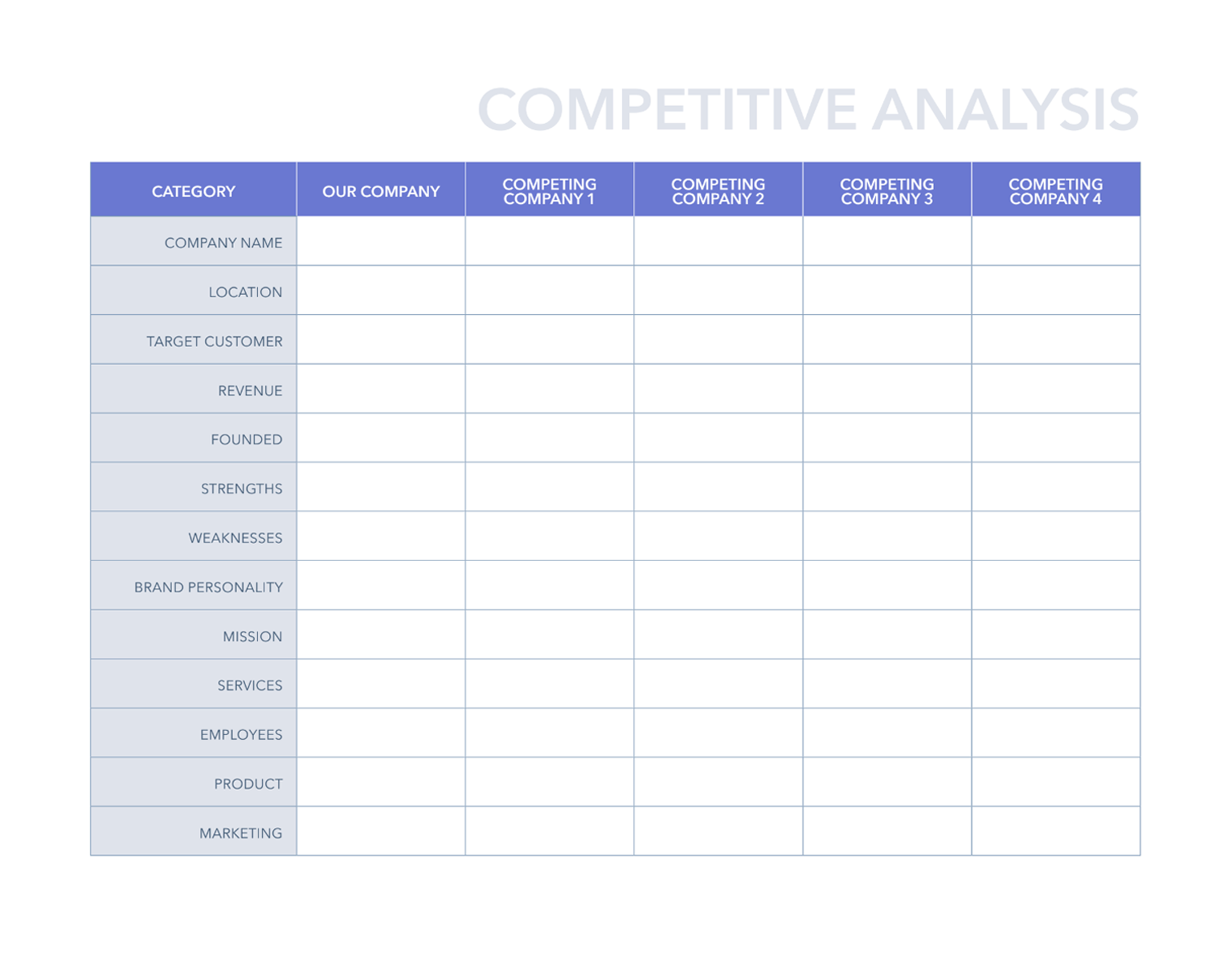
Competitive analysis belongs close to audience research because positioning is relative. A product can appear differentiated internally while looking similar to buyers who compare alternatives. The case study should therefore document meaningful competitor dimensions such as positioning, feature emphasis, price architecture, distribution, promotional message, customer segment, and perceived strengths. The goal is not to create a large competitor database; it is to explain the strategic choice made for the launch.
Market evidence should also have a defined collection method. Possible inputs include customer interviews, surveys, existing customer data, sales feedback, search behavior, competitive reviews, category research, campaign history, and product usage information. Record the date range and scope of the evidence. This makes later interpretation easier because market conditions can change quickly, especially when the launch takes place across multiple quarters or regions.

Positioning, messaging, and value proposition
A launch case study should explain how research became a market-facing message. Start with the customer problem, then identify the product benefit that directly addresses that problem. After that, document the supporting proof points. This sequence prevents the report from becoming a feature catalogue and makes it easier to evaluate whether the campaign communicated a meaningful reason to choose the product.
Messaging should be documented at several levels. The primary message is the central promise. Supporting messages explain specific benefits or use cases. Proof points provide evidence for those claims. Channel-specific adaptations can then be recorded without changing the underlying strategic idea. This creates consistency while allowing email, search, social, sales materials, landing pages, and presentations to use different formats.
A case study is especially valuable when it records messaging decisions that were changed during the launch. If an initial headline performed poorly and a revised value proposition improved a defined metric, document both versions, the testing period, the audience exposed to each version, and the measurement method. Without those details, the report may show a before-and-after result without enough information to determine what actually changed.

Channel strategy and launch execution
The channel section should explain where the audience was reached and why those channels were selected. A launch may combine owned channels, paid media, search, social platforms, email, partnerships, public relations, events, retail activity, sales outreach, or other routes to market. The case study does not need to include every possible channel. It should document the channels actually used and the role each one played in the launch journey.
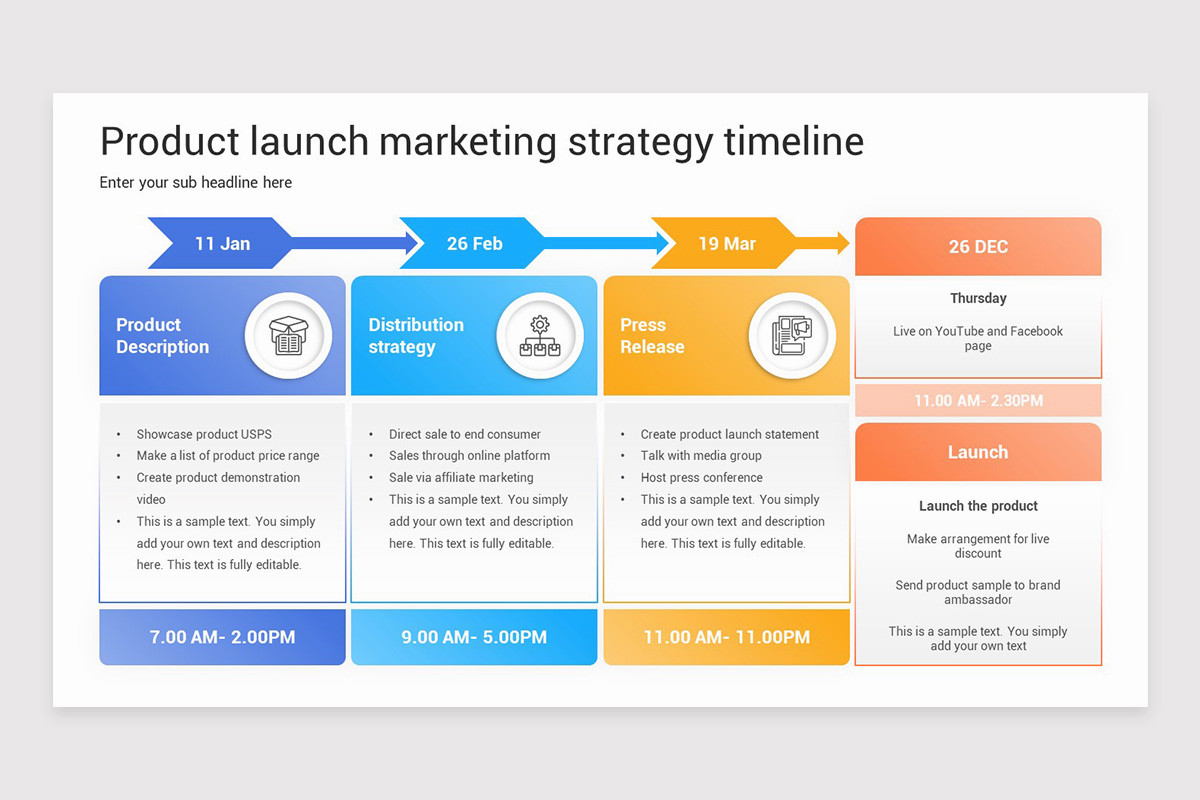
Timing is equally important. A product launch is usually a sequence rather than a single event. Pre-launch work can establish awareness, educate priority audiences, collect early signals, and prepare sales or support teams. Launch-period activity can concentrate attention around availability or a major announcement. Post-launch activity can address objections, reinforce benefits, collect customer feedback, and optimize channel allocation.
Responsibilities should be visible in the operational record. Assigning an owner to each significant deliverable makes it easier to explain why a task was completed, delayed, changed, or cancelled. A useful case study can include the responsible function, milestone, dependency, approval point, and status. This is particularly valuable when multiple teams contribute to the same launch and when later analysis needs to distinguish strategy problems from execution problems.


Build a useful launch timeline
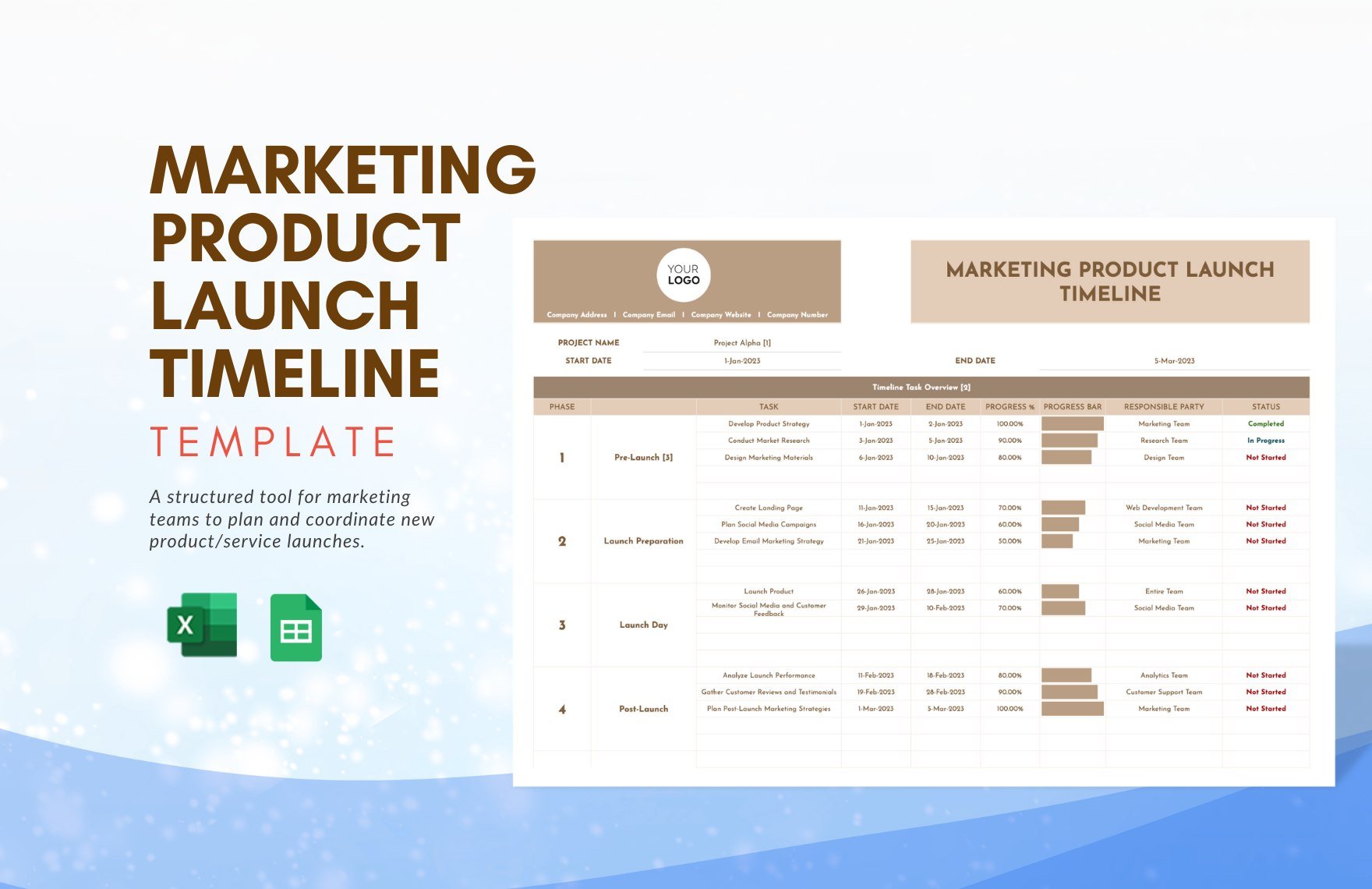
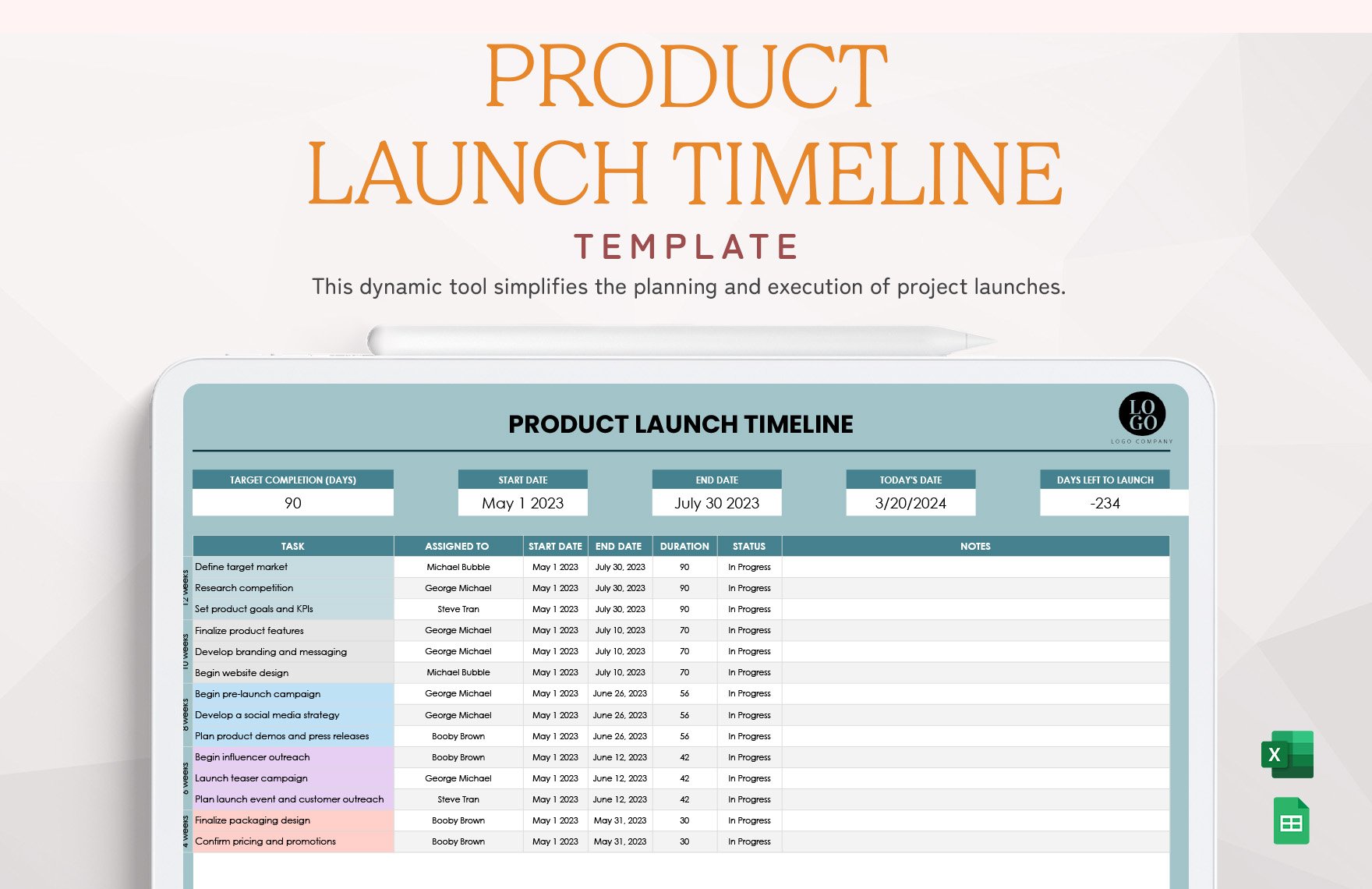
A timeline should show dependencies rather than simply list dates. For example, positioning must be established before creative production can be finalized, and final messaging may need approval before channel scheduling begins. A case study timeline should reveal those relationships because they often explain execution delays or changes in campaign sequencing.
Divide the timeline into logical phases. A practical structure is preparation, launch readiness, launch execution, and post-launch optimization. Each phase can contain tasks for research, content, creative, media, sales enablement, customer support, public relations, measurement, and governance. The exact phases can vary by product type, but the underlying principle is consistent: the reader should understand how work moved from strategy into market activity.
When creating the final case study, compare planned timing with actual timing. A delay is not automatically a failure. A delayed asset may have allowed additional testing or prevented an incorrect claim from reaching the market. The case study becomes more valuable when it records the decision behind the change and its consequence rather than simply marking a task as late.
Metrics that belong in a launch case study
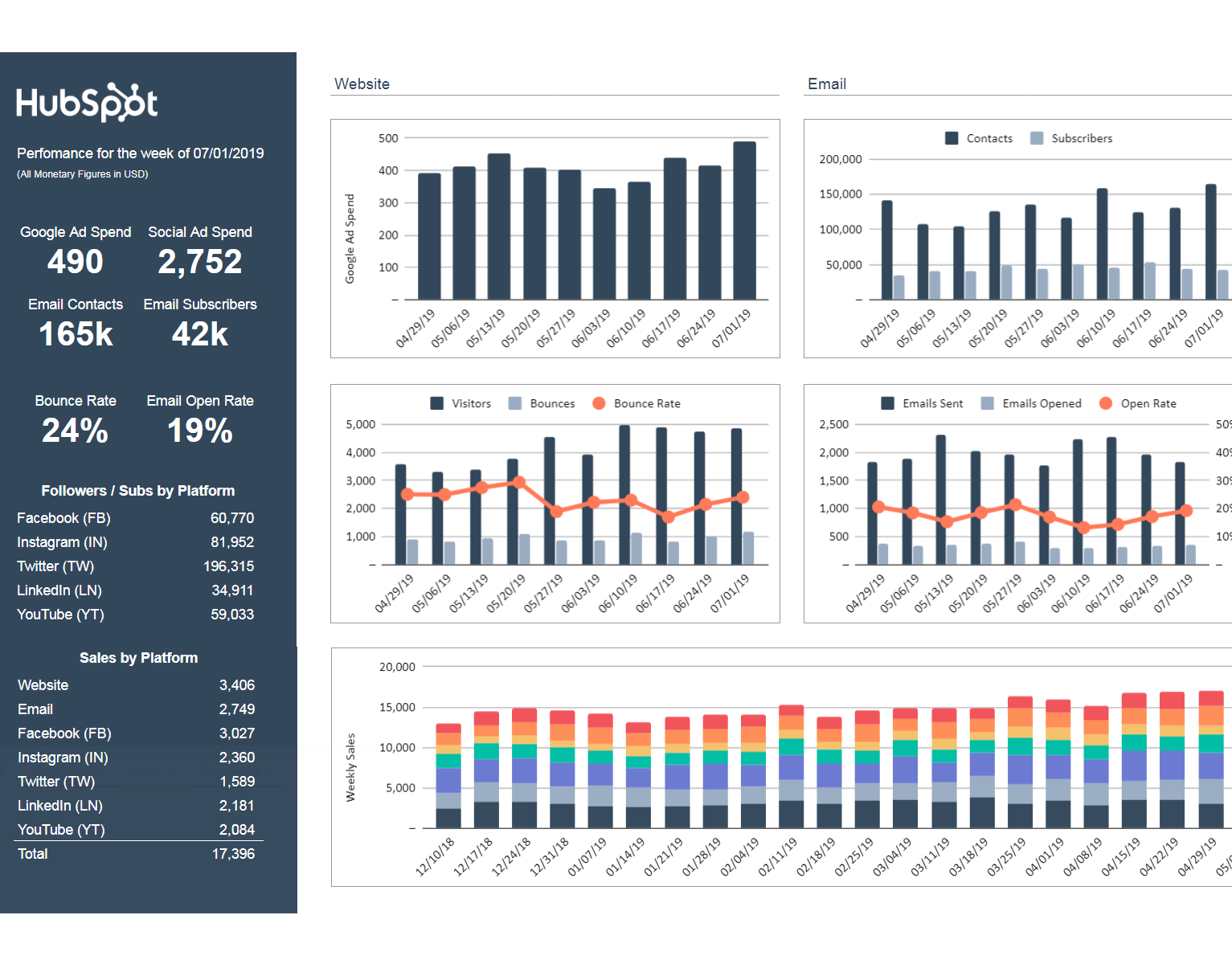
Metrics should be selected according to the launch objective rather than copied from a generic dashboard. Awareness-focused launches may track qualified reach, branded search activity, media visibility, or another defined awareness measure. Acquisition-focused launches may emphasize qualified leads, conversion rate, customer acquisition cost, or revenue. Adoption-focused launches may require activation, repeat usage, retention, or product-specific behavioral measures.
Separate leading indicators from business outcomes. Traffic, impressions, clicks, engagement, and leads can help explain the movement of a launch funnel, but they do not automatically prove commercial success. Revenue, contribution, qualified pipeline, retention, adoption, or other business outcomes may occur later. The case study should show how the early signals connect to later outcomes without claiming that one metric necessarily caused another.
Every metric needs a definition. State the numerator and denominator when dealing with rates, the measurement period, source system, attribution method, and comparison point. If different platforms define conversions differently, do not combine them without documenting the reconciliation method. Consistent definitions are especially important when a case study will be reused as a benchmark for future launches.


How to analyze campaign and funnel performance
A useful analysis moves from aggregate performance toward specific drivers. Start with the overall result, then examine the funnel stages that contributed to it. If traffic increased but qualified conversions did not, the case study should investigate audience quality, message alignment, landing-page experience, offer relevance, or channel mix rather than celebrating traffic alone.
Channel analysis should compare performance using metrics that match each channel’s role. A discovery channel may be judged differently from a conversion channel. Likewise, a launch email may be evaluated through delivery, engagement, click behavior, and downstream action, while a public-relations effort may require a different measurement model. The template should leave room for channel-specific metrics without forcing every activity into the same formula.
Creative analysis can reveal another layer of learning. Record which message, format, offer, or asset was tested, who saw it, how long the test ran, and what outcome was measured. Avoid declaring a creative winner from very small or poorly controlled comparisons. Instead, describe the evidence and its limitations. A professional case study is stronger when it acknowledges uncertainty rather than presenting every movement in a dashboard as a definitive lesson.


Using written reports and spreadsheets together
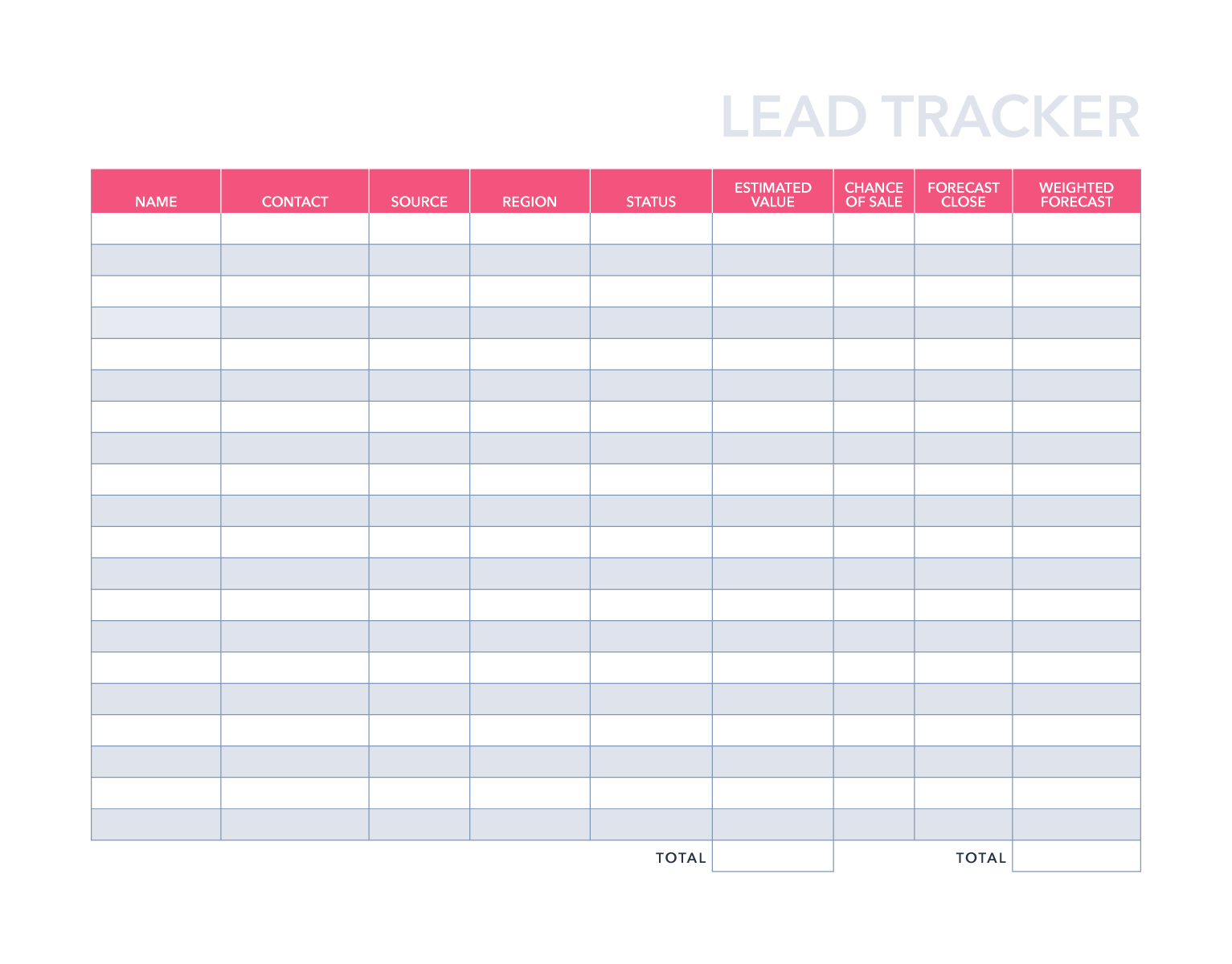
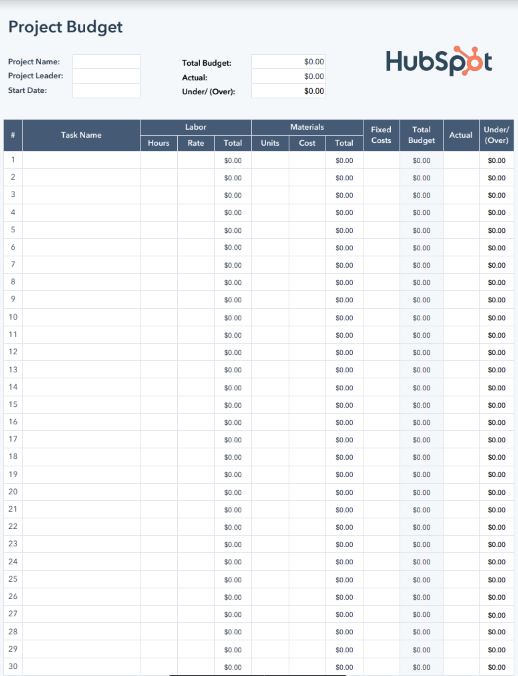
A written case study is best for explaining context, decisions, interpretation, and lessons. A spreadsheet is often better for storing detailed observations, channel-level numbers, dates, assumptions, and calculations. Keeping those roles distinct improves readability. The report can present the most important findings while the underlying workbook preserves the detailed evidence used to reach those findings.
For readers specifically searching for marketing product launch case study template excel, the strongest structure is usually a workbook that separates raw inputs, metric definitions, calculations, campaign activity, and summary views. Do not mix manually typed conclusions into the same area as raw data. Clearly labeled sheets or sections make later audits easier and reduce the risk of overwriting source information.
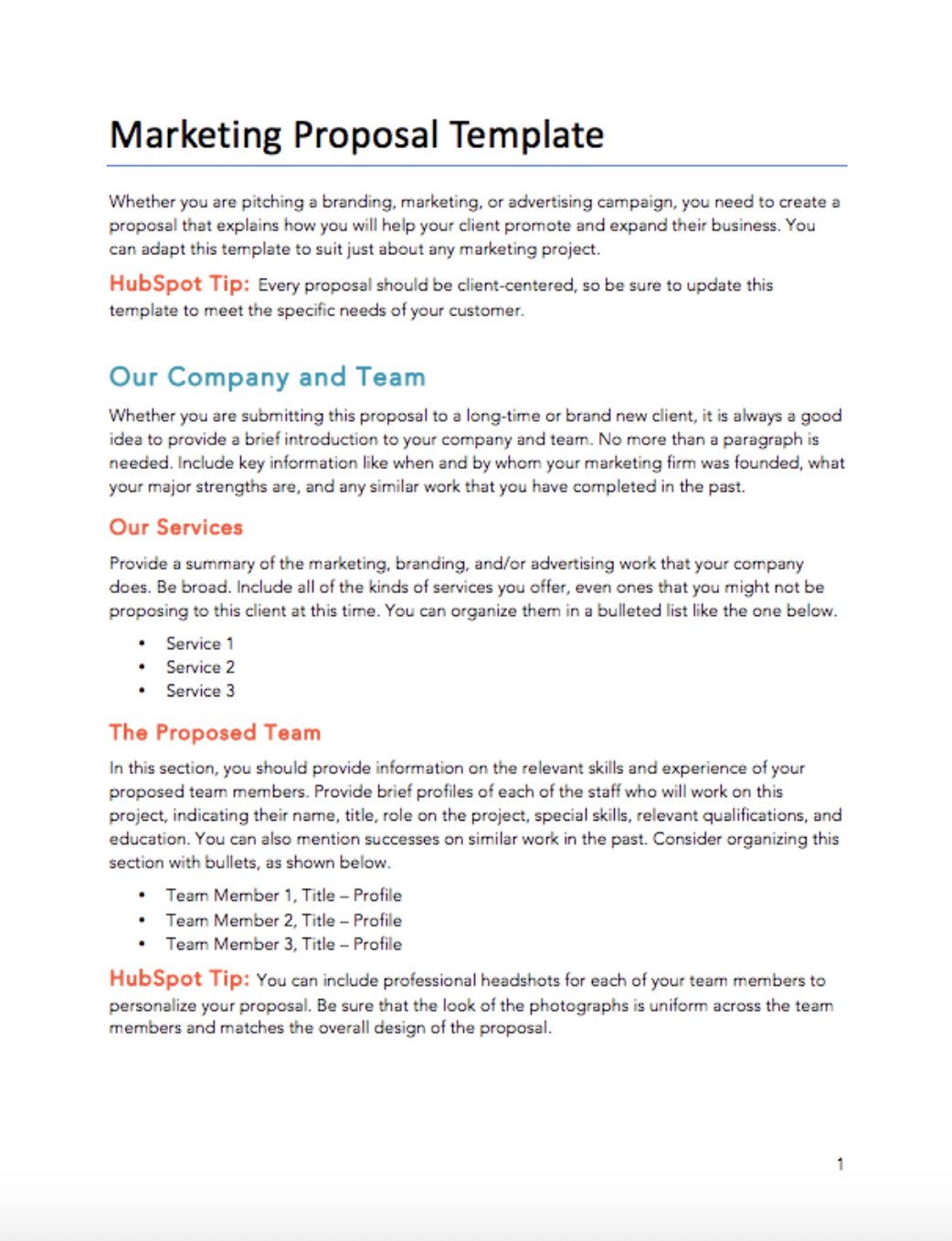
For narrative teams, marketing product launch case study template word can work well when the emphasis is on explanation, approvals, quotations, research notes, and a polished written story. A collaborative workflow may instead use marketing product launch case study template google docs when several stakeholders need to review the narrative and leave comments. For presentations, marketing product launch case study template ppt is most effective when each slide has one clear purpose rather than attempting to reproduce an entire report on screen.
Choosing the right format for the final case study
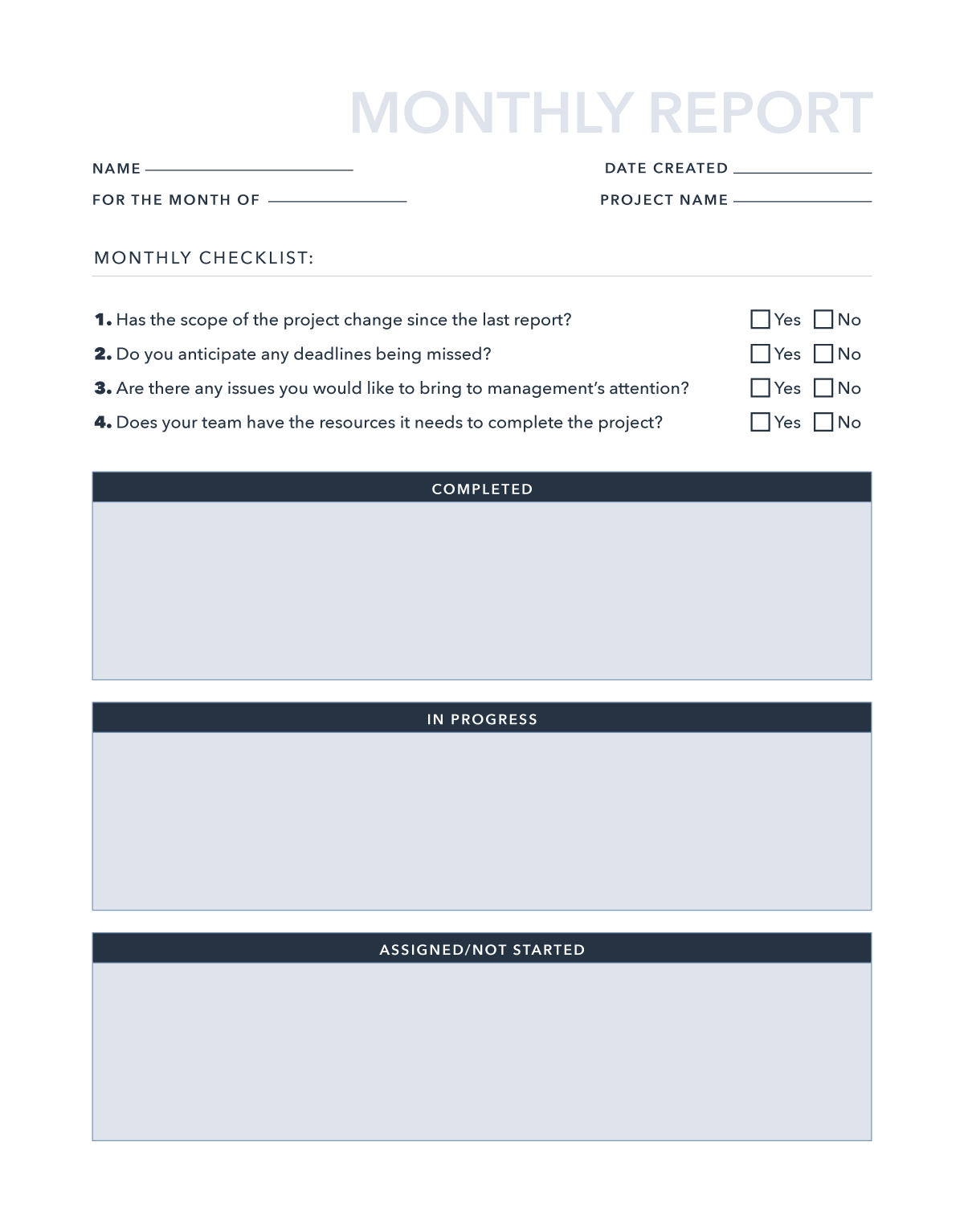
A PDF-oriented version is useful when the finished case study must preserve a fixed visual layout across devices or be circulated as a formal report. A presentation format is more suitable when the audience needs a concise narrative during a review meeting. A word-processing format works well for long-form documentation and editorial revision, while a spreadsheet format is better for detailed metrics, calculations, timelines, and structured datasets.
Readers searching for marketing product launch case study template pdf are generally looking for a presentation-ready report structure rather than raw data alone. The report should therefore prioritize clear hierarchy: executive snapshot, context, challenge, strategy, execution, results, interpretation, and lessons. Visual elements should support that hierarchy rather than overwhelm it.
A reusable case study can also be designed so the same source information feeds multiple outputs. For example, the spreadsheet can hold the metric definitions and evidence, the written report can explain the strategic narrative, and the presentation can condense the strongest findings. This approach reduces inconsistencies between documents because the numbers and terminology originate from one documented evidence base.

Practical examples of a launch case study narrative
Consider a hypothetical consumer product launch. The company discovers through customer interviews that its intended audience values convenience but considers competing products complicated. The launch objective is therefore not simply to create awareness. The strategic hypothesis is that a simpler positioning message and demonstration-led content will reduce perceived complexity and improve qualified purchase intent.
The case study would document the original customer insight, the positioning decision, the content strategy, the channels selected, the launch timeline, and the measurement framework. Suppose the team tests two messages during the launch. One emphasizes technical features, while the other focuses on a simplified customer outcome. If the second message produces a stronger qualified conversion rate in a properly defined test, that result can become a learning point. The example remains hypothetical and should not be presented as evidence from a real company.
Another hypothetical example could involve a B2B software release. The launch team identifies three buyer groups but prioritizes one because its problem is most urgent and the sales team has the strongest supporting evidence. The case study records why that segment was prioritized, which objections were discovered during research, how the message changed, and which launch channels were used. Post-launch analysis then compares the actual buyer response with the original assumptions.

How to make the template evidence-based
The first discipline is source tracking. For every important result, record where the number came from and when it was collected. A dashboard screenshot may provide context, but the case study should also preserve the underlying metric definition. If a number comes from a platform report, identify the reporting period and any filters that affected the result.
The second discipline is assumption tracking. Launch decisions often rely on assumptions about customer behavior, market size, pricing, positioning, or channel performance. Put those assumptions into a clearly labeled section. After launch, mark which assumptions were supported, contradicted, or left unresolved. This creates a much stronger learning loop than simply listing successful activities.
The third discipline is causal caution. Marketing results can be influenced by seasonality, pricing, distribution, product changes, competitor actions, media events, or broader market conditions. If a case study cannot isolate the effect of one campaign, say so. A qualified statement such as “performance improved during the launch period while several variables changed” is more credible than an unsupported claim that one tactic caused the entire outcome.


Practical Solution
Start by creating one master case-study record before writing polished prose. Define the product, launch period, objective, target audience, market context, and success measures. Then create separate evidence areas for research findings, strategic decisions, campaign activity, channel metrics, commercial outcomes, customer feedback, and lessons. This prevents the common mistake of writing the story first and searching for evidence afterward.
Next, build the case study around a simple decision chain: context → challenge → objective → insight → strategy → execution → evidence → result → learning. Each section should answer a different question. Context explains the starting position. The challenge identifies what needed to change. The objective defines success. Insight explains what research revealed. Strategy describes the chosen direction. Execution shows what happened. Evidence establishes what was observed. Results summarize outcomes, and learning identifies what should change next time.
Finally, create three levels of output from the same evidence base. Use a detailed written report for internal knowledge, a concise presentation for leadership or client communication, and a structured spreadsheet for the underlying metrics. If you need a marketing product launch case study template word, prioritize narrative prompts and evidence notes. If you need a marketing product launch case study template pdf, prioritize page hierarchy and visual consistency. If the team wants marketing product launch case study template excel, prioritize clean data structure, formulas, definitions, and comparison fields.
Before publishing, perform a credibility review. Check every number, date, product claim, comparison, and quotation against its original source. Remove unsupported causal statements. Label hypothetical examples clearly. Make sure the executive summary agrees with the detailed analysis. Then review the document from the perspective of someone who knows nothing about the launch: if that reader can understand the original problem, the strategic choice, the execution, the evidence, and the lesson, the template is doing its job.


Common mistakes to avoid
One common mistake is turning the case study into a promotional brochure. A credible report should include challenges, limitations, and decisions that did not work as expected. Showing only favorable results makes the document less useful for learning and can make sophisticated readers question the reliability of the analysis.
Another mistake is confusing activity with strategy. Listing ten social posts, three email campaigns, and several advertisements does not explain why those activities were chosen. The case study should connect each major activity to a strategic objective, audience need, or testable hypothesis. This creates a narrative that can be evaluated rather than a chronological list of tasks.
A third mistake is using too many metrics. A dashboard containing dozens of numbers may look analytical but can make the central story difficult to find. Select a small group of primary measures and use secondary metrics to explain movement in those measures. The right balance depends on the launch, but every metric should have a reason for being present.


How to evaluate existing template examples
When reviewing marketing product launch case study template examples, look first at information architecture rather than colors or decorative elements. Ask whether the example makes the challenge obvious, whether the strategy is connected to the challenge, whether results are measurable, and whether the reader can distinguish facts from interpretation. A visually attractive template is useful only when its structure supports comprehension.
Look for enough space to explain the research and decision logic. Some compact case-study formats are excellent for executive communication but too limited for complex analysis. Other reports provide extensive room for evidence but can become difficult to scan. The right format depends on audience, decision complexity, and how much supporting evidence needs to remain visible.
A useful template should also make future reuse easy. Consistent section names, metric definitions, source fields, dates, and lesson categories allow multiple launches to be compared. Over time, this creates a library of institutional knowledge rather than a collection of unrelated campaign reports.
Reference Examples
A strong marketing product launch case study Template should make a launch understandable at both strategic and operational levels. The examples below illustrate different visual approaches for documenting launch performance, campaign reporting, timelines, success metrics, advertising expenditure, public-relations activity, and channel measurement. Some are highly structured report covers, while others emphasize spreadsheets or dashboard-style summaries. Their value is not in copying the visual design exactly, but in observing how information can be organized so that a reader can identify the purpose of the document, the evidence being presented, and the relationship between launch activity and measurable outcomes.
These references are especially useful when deciding how much detail belongs in a final case study. A concise launch report can prioritize executive findings and key metrics, while a longer research document can provide context, assumptions, methodology, channel analysis, and lessons learned. Comparing different formats also helps clarify which sections belong in a written report, which belong in a spreadsheet, and which are better represented visually. Use the underlying structure as inspiration while keeping your own product, audience, evidence, measurements, and strategic decisions accurate to the real launch being documented.

Marketing Year-End Report on Product Launch Success Metrics Template
Source: Template.net

Marketing Ad Spend Analysis Report Template
Source: Template.net

Marketing Monthly PR Metrics Report Template
Source: Template.net

Email Marketing Click-Through Rate Report Template
Source: Template.net

Video Marketing Performance Report Template
Source: Template.net
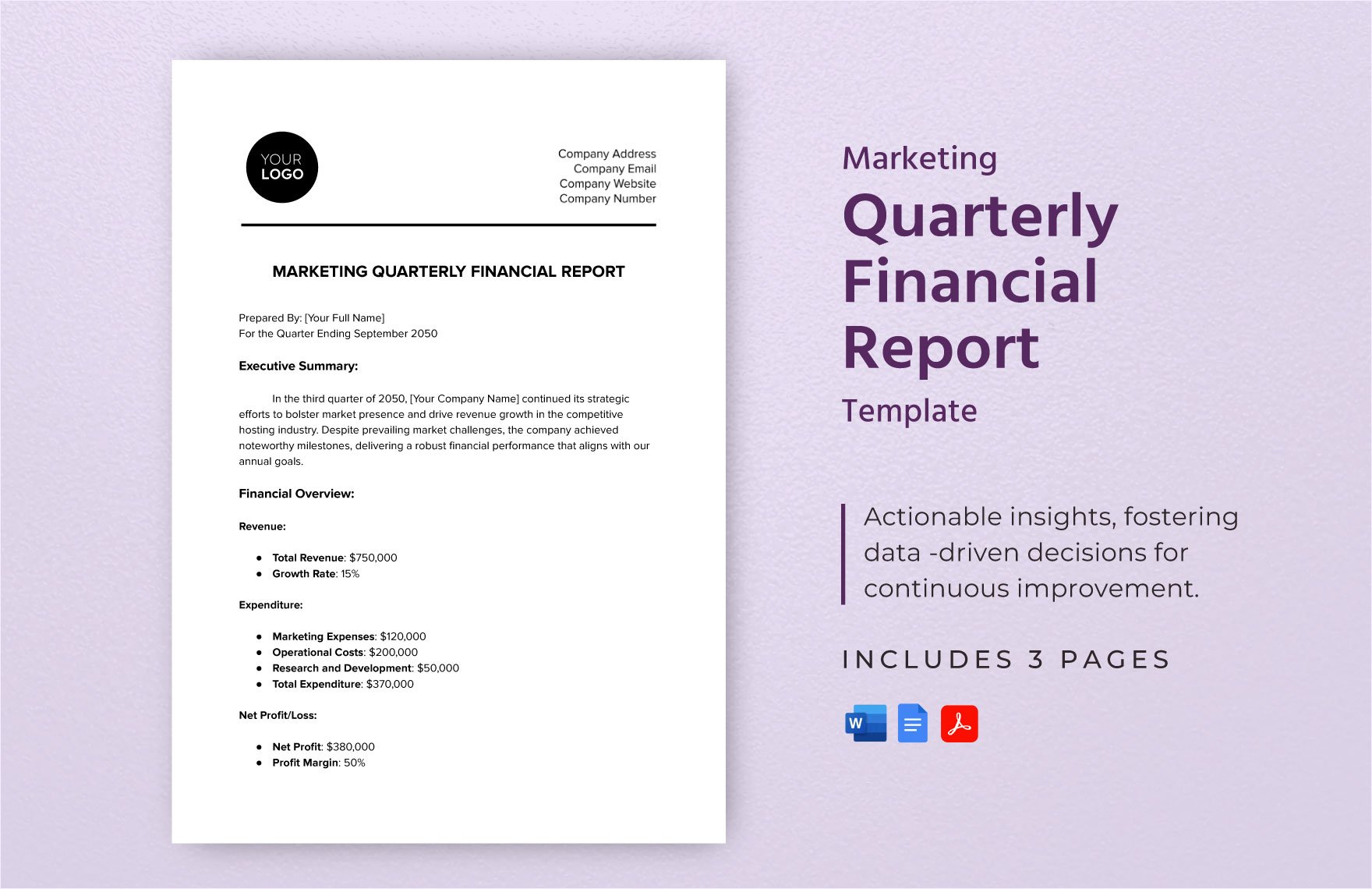
Marketing Quarterly Financial Report Template
Source: Template.net
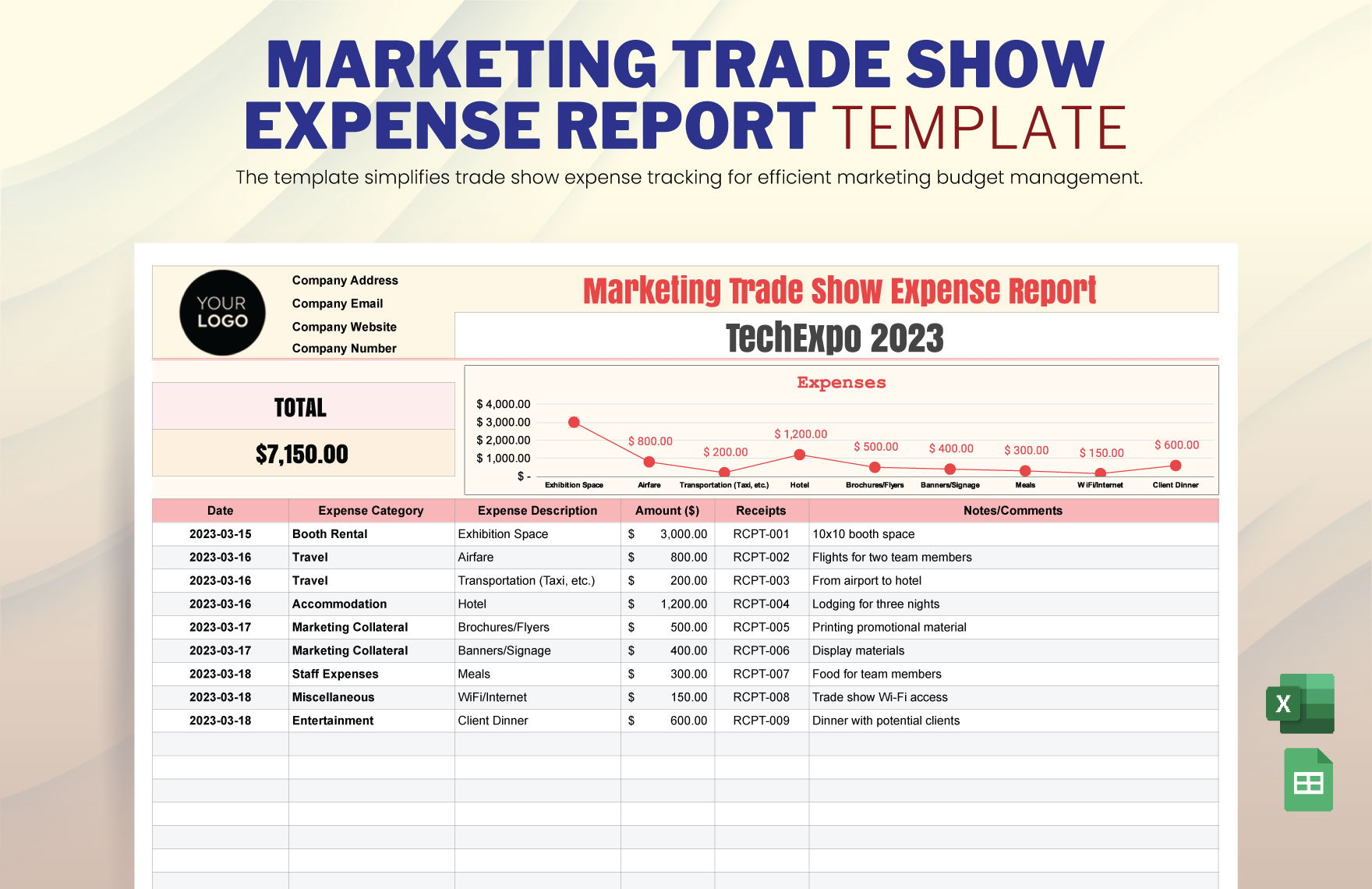
Marketing Trade Show Expense Report Template
Source: Template.net
Marketing Event Budgeting and Finance Report Template
Source: Template.net

Marketing Launch Campaign Report Template
Source: Template.net

Marketing Launch Phase Report Template
Source: Template.net
