A rack card is not a substitute for legal advice, a contract, a filing, a license, or an official government form. Instead, it works best as a communication and control document. It can summarize important responsibilities, identify owners, show review dates, and direct a team toward the underlying records that prove compliance.
The U.S. Small Business Administration explains that legal responsibilities depend on business structure and location, while licenses and permits vary according to business activity and jurisdiction. That makes a flexible template more useful than a supposedly universal checklist. A startup should customize its compliance materials to its actual operations rather than assuming that one format applies everywhere.
This guide explains how to design, research, customize, use, review, and distribute a compliance-focused rack card. It also explains how PDF, Word, Excel, Google Docs, printable, customized, and service-oriented approaches fit into a broader compliance workflow without treating a template as an official legal requirement.
The visual examples throughout the article emphasize document layouts, checklists, trackers, forms, and compliance materials. They are useful as design references, but readers should verify the underlying legal requirements with the appropriate government authority or qualified professional before relying on them for a specific business.
What Is a Legal Compliance for Startups Rack Card Template?
A legal compliance rack card template is a compact document layout designed to communicate essential compliance information in a small, highly scannable format. It can resemble a traditional promotional rack card while functioning as an internal reference sheet for legal, regulatory, operational, or governance tasks.
The important distinction is between the communication layer and the evidence layer. The rack card belongs primarily to the communication layer. It tells a reader what needs attention, who owns the task, when it should be reviewed, and where the supporting evidence can be found.
The evidence layer contains the actual records: formation documents, licenses, permits, tax records, contracts, employment documents, privacy policies, intellectual-property records, insurance documents, approvals, meeting minutes, and other materials applicable to the startup.
This distinction prevents a common mistake. A founder might create an attractive checklist and assume that checking a box means the business is legally compliant. In reality, the box should represent a documented control or verified action. The rack card should therefore point toward evidence rather than pretending to be evidence itself.
A useful design can fit on one or both sides of a printed card. The front can present the highest-priority compliance areas, while the reverse can contain review ownership, escalation instructions, document locations, and update information. The final format should be determined by the intended use rather than by appearance alone.
Why Startups Benefit From a Compact Compliance Format
Startups often operate with limited administrative capacity. The same founder may oversee fundraising, product development, hiring, sales, vendor management, and regulatory tasks. A compact reference document can reduce the cognitive burden of remembering every recurring obligation.
A concise card can also help establish a common vocabulary. Instead of one employee calling something a license renewal while another calls it a regulatory filing, the startup can define the control, owner, deadline, evidence, and escalation route in one consistent format.
Another advantage is visibility. Long compliance manuals can contain valuable information but may not be consulted frequently. A rack card can sit near a workstation, inside an operations binder, in a compliance folder, or beside a recurring review calendar where it is easier to notice.
Visibility is especially valuable when responsibilities change. A startup that moves from founder-only operations to a team structure needs a simple way to communicate who monitors tax, employment, privacy, intellectual-property, contract, and licensing matters.
The strongest approach is therefore not to make the card contain everything. Its purpose is to make the important controls easy to find while connecting each control to a more detailed source document or record.

How Rack Card Design Principles Apply to Compliance
Traditional rack cards are designed for rapid reading. That same principle works well for compliance communication because a busy team member should be able to identify the relevant requirement without reading several pages.
The visual hierarchy should begin with a clear title, followed by a short explanation of the card’s purpose. Next, group requirements into recognizable categories such as formation, tax, employment, privacy, intellectual property, contracts, licenses, insurance, and governance.
Each category should use consistent labels. A simple structure might include “Requirement,” “Owner,” “Review,” “Evidence,” and “Status.” If space is limited, the card can replace full descriptions with short action phrases and use a document-management system for supporting details.
Color should be used carefully. Compliance documents benefit from clear status signals, but excessive color can make a printed card difficult to scan. Neutral backgrounds, strong headings, readable typography, and sufficient whitespace generally create a more professional result.
Print specifications also matter. If the card will be physically distributed, margins, bleed, trim areas, paper stock, and readability at actual size should be tested before production. The rack-card diagram below illustrates why trim and safe areas matter when designing a print-ready layout.
Using the Card as a Compliance Communication Tool
A good card does not attempt to summarize every statute or regulation. Instead, it translates the startup’s compliance program into operational language. For example, “Review customer-data collection practices” is usually more useful to a team than reproducing a lengthy privacy regulation.
The card should also avoid absolute statements such as “this business is compliant” unless that conclusion has actually been assessed. A better wording is “review required,” “evidence verified,” “renewal due,” or “professional review required.” This preserves accuracy and encourages ongoing monitoring.
Every control should ideally have a responsible person or function. Ownership prevents the classic problem in which everyone assumes somebody else is handling the requirement.
Dates should be treated as operational controls rather than decorative information. A card may include the next review date, renewal date, or policy-review month, while the detailed calendar contains the exact filing deadlines and reminders.
The objective is to make compliance actionable. When a reader can immediately understand what to check, who should check it, what evidence should exist, and when the review occurs, the card becomes part of the startup’s operating system rather than merely another piece of printed material.

Core Legal Areas to Include
The exact legal areas will vary by country, state, industry, business structure, and activities. The SBA notes that registration, licenses, permits, tax obligations, insurance, employment rules, and other requirements can depend on location and business activity.
A useful startup card should therefore begin with a scope statement. For example, it can say that the checklist is an internal reminder and must be adapted to the company’s jurisdiction, industry, structure, employees, customers, and regulated activities.
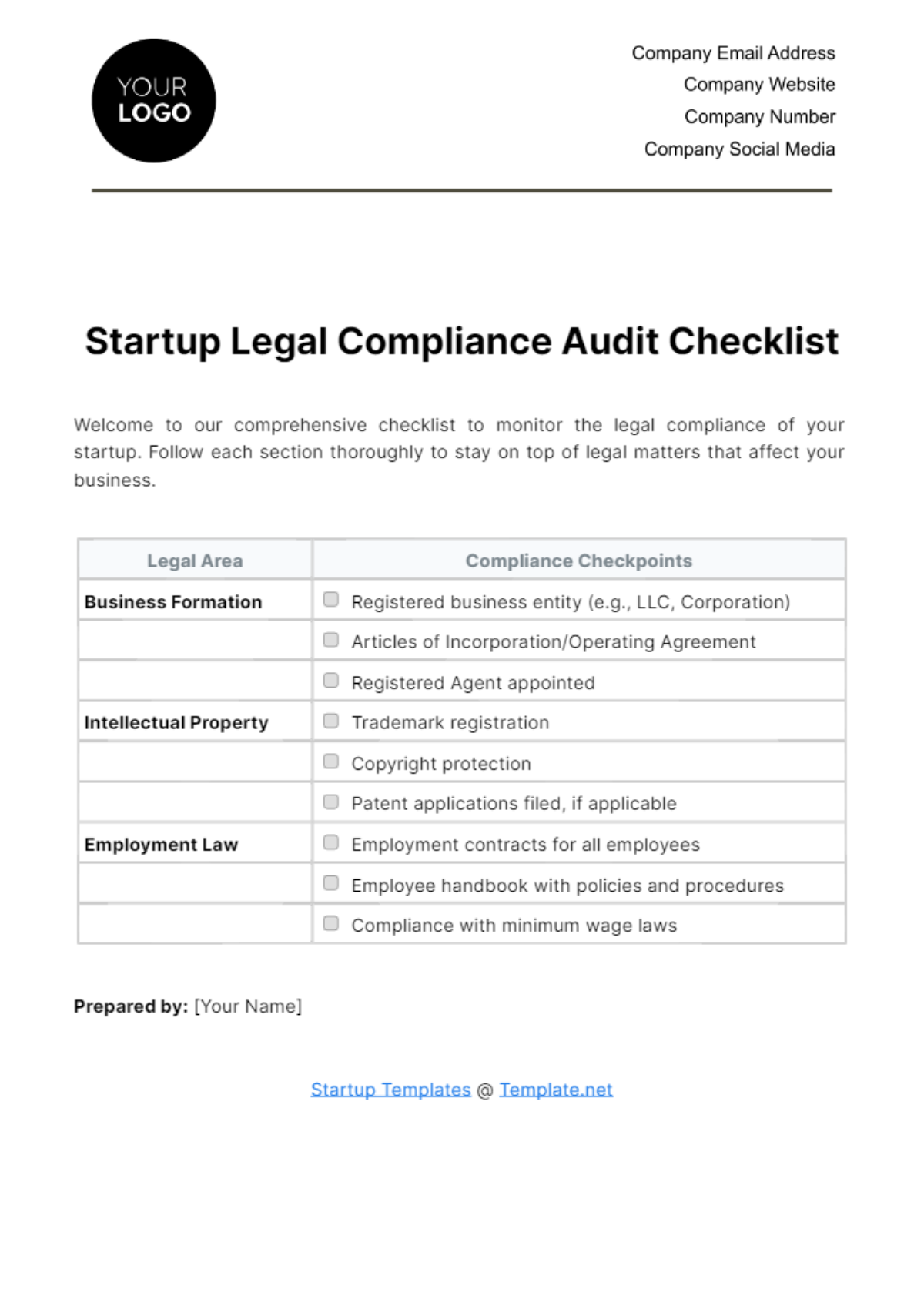
Business formation is usually one of the first categories to consider. The underlying records may include formation documents, ownership records, operating agreements, bylaws, registrations, registered-agent information, or other documents applicable to the entity.
Tax compliance should be represented as a recurring process rather than a one-time task. Depending on the jurisdiction and business model, the startup may have income-tax, payroll, sales-tax, value-added-tax, withholding, or other responsibilities.
Licenses and permits deserve their own category because requirements can be highly activity-specific. A technology company, restaurant, healthcare provider, financial business, construction company, and professional practice may face very different regulatory frameworks.

Business Formation and Governance
Formation controls establish the legal identity and governance foundation of a startup. The exact documents depend on the entity type and jurisdiction, so the rack card should use adaptable language rather than presenting one structure as universally correct.
A practical card can include a formation-status field, the legal entity name, jurisdiction, formation date, responsible owner, and location of the authoritative records. Sensitive personal information should not be unnecessarily printed on a widely circulated card.
Governance controls may include maintaining required corporate records, recording significant decisions, keeping ownership information current, and observing applicable meeting or approval procedures. The SBA distinguishes between external compliance requirements and internal record-keeping responsibilities.
For corporations, governance may involve more formal records than for some other structures. Depending on jurisdiction, these can include bylaws, resolutions, meeting minutes, stock records, or other corporate records.
The rack card should not claim that a particular governance procedure is legally mandatory unless that requirement has been verified for the startup’s structure and jurisdiction. A safe design can instead label the item “applicable governance requirement” and direct the reader to the company’s legal records.

Licenses, Permits, and Regulatory Approvals
Licensing is one of the areas where generic startup templates can become misleading. Requirements can depend on the location where the company operates, the location where it sells, the industry, the products or services involved, and the activities performed.
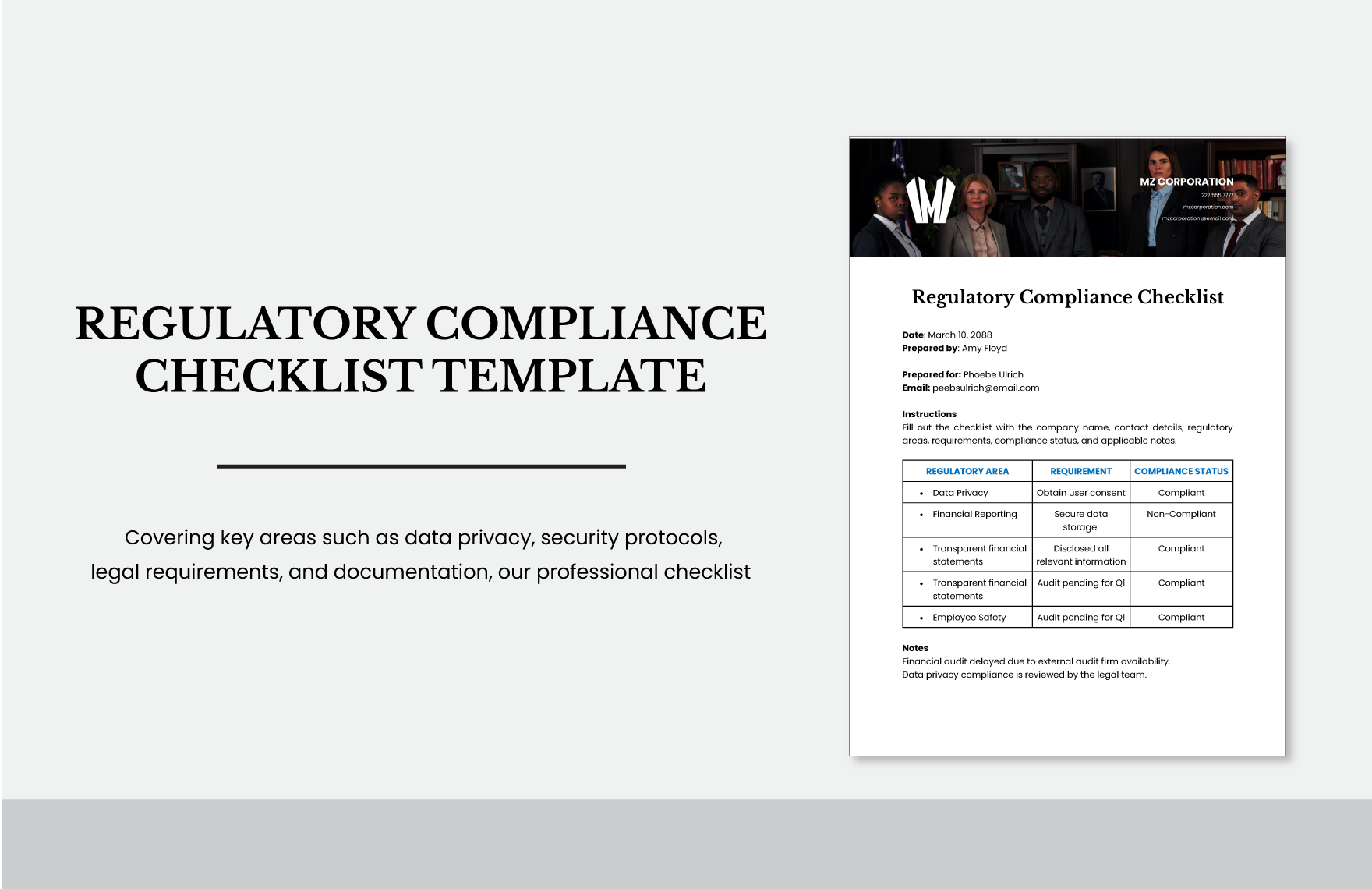
A better card uses a licensing register. Each row can identify the permit or license, issuing authority, business activity, expiration or review date, responsible owner, evidence location, and current status.
For a startup with multiple operating locations, the register can distinguish federal, national, state, regional, county, city, or other relevant authorities. This avoids combining unrelated obligations into a single vague “license” checkbox.
Renewal tracking is equally important. A permit that was valid when the startup launched may later expire, require recertification, or become insufficient after the business expands into a new activity.
The compliance card can show only the highest-level status while a spreadsheet or document contains the full register. This creates a useful division between quick communication and detailed compliance management.
Employment and Workplace Compliance
Hiring introduces a new set of legal and administrative responsibilities. These can include employment classification, contracts, payroll, wage rules, workplace policies, required notices, benefits, health and safety obligations, and record retention, depending on jurisdiction and workforce structure.
The card should not attempt to reproduce employment law. Instead, it can identify the control areas that need periodic review. Examples include employment agreements, payroll setup, required notices, worker classification, leave policies, workplace safety, and employee-record controls.
Confidentiality is especially important for employment information. A publicly visible rack card should never become a container for employee personal data, compensation information, identification numbers, or other sensitive records.
Instead, each item should point toward a controlled HR folder or document-management system. The card can contain a document identifier or general storage location without exposing the contents of confidential records.
When employment rules change, the startup should update the underlying policies first and then update the card. The card should be the communication endpoint of the compliance process, not the only place where the rule exists.
Privacy and Data Protection
Data protection is increasingly important because startups frequently collect customer, employee, prospect, payment, analytics, or account information. The applicable requirements depend on the data, business activities, locations, and laws that apply to the organization.
The Federal Trade Commission advises businesses to limit the personal information they collect and retain, keep information only as long as needed for legitimate business purposes, and protect sensitive information with appropriate safeguards.
A compliance rack card can therefore include controls such as data inventory, privacy-policy review, retention rules, access management, security procedures, vendor assessments, incident response, and periodic policy review.
For startups serving people in multiple jurisdictions, the card can include a simple “jurisdictions reviewed” field. The underlying compliance register should contain the detailed legal analysis rather than forcing the card to become an oversized legal document.
Privacy language should also be carefully distinguished from a privacy policy. A card may remind employees that a policy exists, but it does not replace the actual policy or the company’s substantive data-protection controls.

Intellectual Property Controls
Startups often depend heavily on intellectual property. Depending on the business, this may include trademarks, copyrights, patents, designs, trade secrets, software, domain names, databases, branding assets, and confidential know-how.
A useful IP section can separate ownership, registration, licensing, confidentiality, monitoring, renewal, and enforcement. This makes it easier to identify whether an asset is merely being used or is actually documented as belonging to the appropriate entity.
Founder-created and employee-created materials deserve particular attention. Ownership arrangements should be documented appropriately rather than assumed simply because someone created the work while working for the startup.
Vendor and contractor arrangements can create additional questions about ownership and permitted use. The compliance card can remind the responsible owner to verify relevant agreements before distributing or commercializing important intellectual property.
The card can also include a “next review” date for trademark renewals, licenses, registrations, or other recurring IP tasks. Detailed registration numbers and confidential information should generally remain in the authoritative IP register.

Contracts, Vendors, and Commercial Commitments
Contracts create operational obligations that can easily become disconnected from a startup’s compliance program. A contract may contain renewal dates, insurance requirements, confidentiality duties, data-protection provisions, service levels, payment conditions, intellectual-property clauses, or termination rights.
A compliance card can therefore include a contract-review control rather than attempting to list every agreement. The underlying register should identify material contracts, counterparties, responsible owners, renewal dates, and important obligations.
Vendor compliance should be considered separately where third parties handle customer information, provide regulated services, host systems, process payments, or perform important operational functions.
Contract review is particularly valuable before major changes such as launching a new market, changing suppliers, introducing a new product, or processing a new category of customer data.
A clear escalation field can tell employees when a contract should be reviewed by counsel or another qualified professional. The card should encourage escalation rather than implying that non-lawyers can resolve every legal question themselves.

Tax and Financial Record Controls
Financial compliance is easier to manage when recurring responsibilities are visible. A startup can use the card to identify tax reviews, bookkeeping checks, payroll controls, invoice procedures, expense documentation, and financial-record retention.
Separate accounting records from legal conclusions. A spreadsheet may show that a filing was completed, but the underlying tax return, payment confirmation, or professional workpaper is the actual evidence.
Business and personal funds should also be kept appropriately separate where required or advisable. The SBA recommends establishing a business bank account when a business is ready to start accepting or spending money, and notes that separate banking supports legal and operational separation.
Financial controls should be assigned to a responsible person even when an external accountant performs the work. Someone inside the startup should know which obligations exist, where records are stored, and when professional follow-up is needed.
The rack card can show only a status such as “current,” “review due,” or “action required.” Detailed amounts, account numbers, tax identifiers, and other sensitive financial information should remain outside the printed card.
How to Build the Template Step by Step
Start by defining the audience. A founder-facing card can contain strategic compliance categories, while an operations-facing card can focus on recurring actions. A legal team may need more precise control identifiers and evidence references.
Next, define the jurisdiction and business scope. Identify where the entity is registered, where it operates, where employees work, where customers are located when relevant, and which regulated activities the startup performs.
Then create the underlying compliance register. The register should contain the detailed requirement, authority, applicability rationale, owner, frequency, due date, evidence, status, last review, next review, and escalation path.
Only after the register exists should the rack card be designed. Select the highest-value controls and reduce them to concise operational statements. This approach prevents the visual format from driving the compliance analysis.
Finally, test the card with someone who did not create it. Ask whether they can understand what each item means, who owns it, what “complete” means, and where they would find supporting evidence. Any ambiguity should be corrected before distribution.

Choosing Between PDF, Word, Excel, and Google Docs
A PDF is usually strongest when the objective is controlled distribution and consistent visual presentation. It preserves the intended layout and works well for printing, internal reference, or sharing a finalized version.
Word is more useful when the card is expected to undergo frequent text editing. It can be convenient for teams that already use Microsoft Word and need to modify headings, instructions, or fields without changing the underlying design system.
Excel or Google Sheets is better suited to the detailed compliance register than to the final rack card. Spreadsheet formats can support status fields, owners, dates, filters, sorting, and recurring tracking.
Google Docs can be useful for collaborative drafting and review. A team can work together on the wording before exporting a controlled PDF version for distribution.
The best workflow may use all four formats for different purposes: spreadsheet for tracking, Word or Google Docs for drafting, and PDF for controlled distribution. The important point is to establish one authoritative version and avoid uncontrolled copies.

Research Methods for Building an Accurate Compliance Card
Research should begin with primary sources. Government agencies, official regulators, legislation databases, and authoritative institutional guidance should be prioritized over generic blog posts when determining whether a requirement actually applies.
Secondary sources can help explain complex requirements, identify common terminology, or reveal issues that deserve further investigation. They should not automatically be treated as proof that a particular rule applies to the startup.
For each proposed control, record the authority, source date, jurisdiction, applicable business activity, and reason the requirement matters. This creates an audit trail for why the item appears on the card.
Legal research should also include an applicability question. A regulation can be real without applying to every company. The correct question is not merely “does this law exist?” but “does this requirement apply to this company under these facts?”
Because laws and administrative guidance change, assign a review cadence. A startup operating in a heavily regulated field may need more frequent reviews than a startup with relatively simple obligations. The card should make that review visible without pretending that the card itself performs the review.
How to Analyze Compliance Data
A compliance register creates useful operational data. The startup can count open actions, overdue reviews, missing evidence, unresolved issues, and controls awaiting professional assessment.
However, simple counts can be misleading. Ten low-risk open tasks are not necessarily more serious than one unresolved requirement with significant legal or operational consequences.
A better analysis combines status with risk. Each control can be classified using criteria such as impact, likelihood, urgency, evidence quality, regulatory significance, and dependency on other tasks.
For example, a missing internal policy may be a medium-priority documentation issue, while an expired license required to conduct a regulated activity could demand immediate escalation. The rack card can highlight the latter without displaying every detail of the risk assessment.
Dashboards and spreadsheets can support this analysis, while the rack card communicates the resulting priorities. This separation keeps the printed document readable while preserving analytical depth elsewhere.

Printable and Customized Design Considerations
A printable compliance card should be designed at its final physical size. Text that looks comfortable on a large monitor can become difficult to read after reduction to a small printed format.
Use short sentences, strong headings, adequate contrast, and generous spacing. Avoid filling every available area merely because the design software permits it. Compliance materials need clarity more than visual density.
Customization should focus on actual operational needs. Add the startup’s legal name, internal document identifier, responsible function, review date, and approved version information when those fields are useful.
A customized card should still avoid becoming an unofficial legal document. It can summarize the startup’s controls without making unsupported statements about legal obligations or guaranteeing compliance.
Before printing, review the card for spelling, outdated dates, obsolete references, inconsistent terminology, and unnecessary confidential information. A professional-looking error can be more dangerous than an obviously unfinished document because readers may trust it without question.
Common Mistakes to Avoid
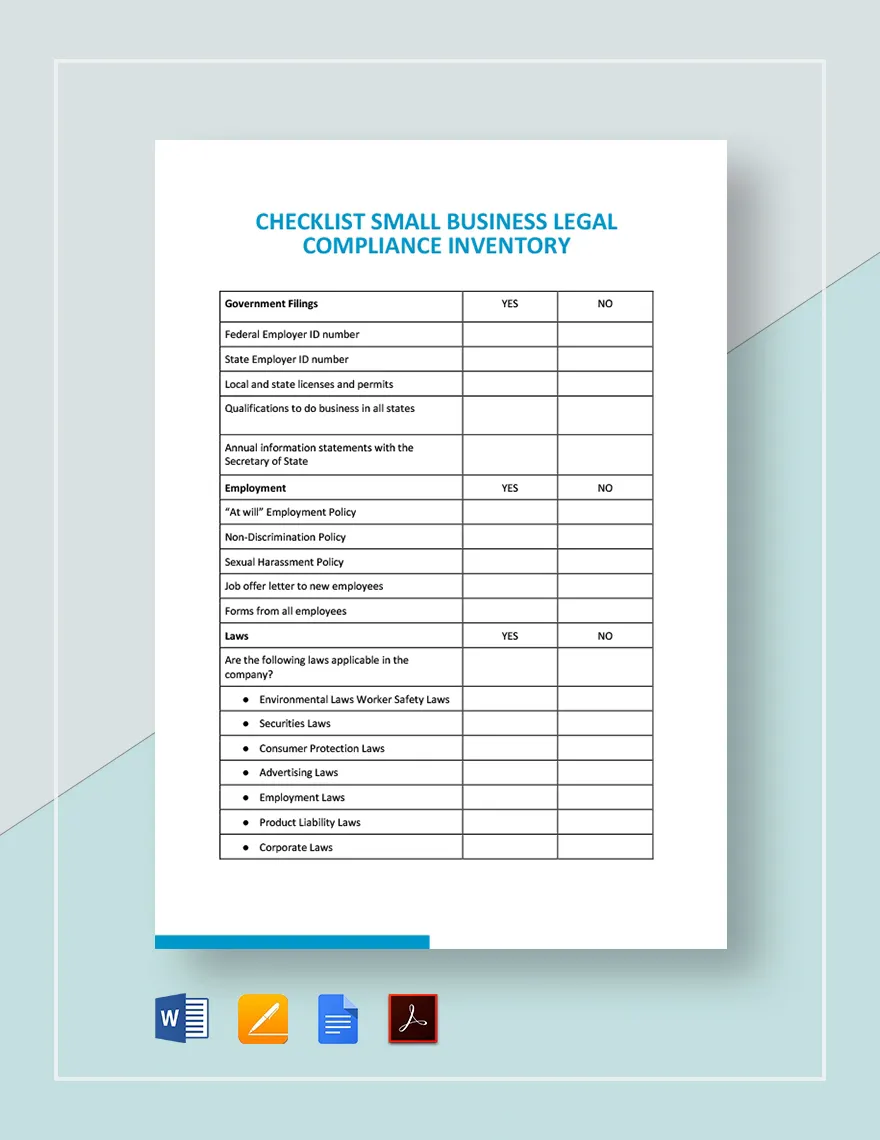
One common mistake is treating a generic template as a complete legal checklist. Templates provide structure, not jurisdiction-specific legal analysis. A startup should verify which controls actually apply to its circumstances.
Another mistake is including too much text. A rack card should be scannable. If every requirement requires a paragraph of explanation, the detailed compliance manual or register is the appropriate place for that content.
Startups also make the mistake of failing to assign ownership. A compliance item without a responsible owner can remain open indefinitely because nobody considers it their responsibility.
Another problem is failing to maintain evidence. Marking a control “complete” without identifying the supporting record creates a weak audit trail and makes later verification difficult.
Finally, do not allow old versions to circulate. A version number, review date, document owner, and controlled storage location can help prevent employees from relying on obsolete information.
Practical Solution: Create a Two-Layer Compliance System
The most practical solution is to treat the rack card as the front end of a two-layer compliance system. The first layer is the concise card; the second layer is the detailed compliance register and evidence repository.
Step 1: Define scope. Record the startup’s legal structure, locations, products, services, workforce, customer types, and regulated activities. This establishes the factual context needed to determine which requirements may apply.
Step 2: Build the master register. Create columns for requirement, jurisdiction, authority, applicability, owner, frequency, due date, evidence, status, risk, last review, next review, and escalation route.
Step 3: Verify the requirements. Use official sources wherever possible. If a requirement is unclear, flag it for review rather than converting uncertainty into a definitive statement.
Step 4: Design the card. Select only the most important controls. Group them logically and use concise action language. Include the version date and a reference to the detailed register.
Step 5: Connect every item to evidence. A card entry should lead the responsible person to the document, record, filing confirmation, policy, contract, license, or other evidence supporting the control.
Step 6: Assign ownership. Each control should have a responsible role. Where outside counsel, accountants, consultants, or other professionals are involved, identify the internal person responsible for coordinating with them.
Step 7: Establish review cycles. Some items may be reviewed monthly, quarterly, annually, upon renewal, or after a material business change. The appropriate interval depends on the requirement.
Step 8: Control versions. Archive obsolete cards and publish one current version. A controlled PDF can serve as the approved communication copy while the editable source remains restricted to authorized users.
Step 9: Audit the system. Periodically compare the card with the detailed register. Check whether controls have changed, whether evidence is still available, and whether the responsible owners are correct.
Step 10: Escalate uncertainty. If the team cannot determine whether a requirement applies, whether a contract creates a legal obligation, or whether a filing is sufficient, route the issue to an appropriately qualified professional or relevant authority.
Reference Examples
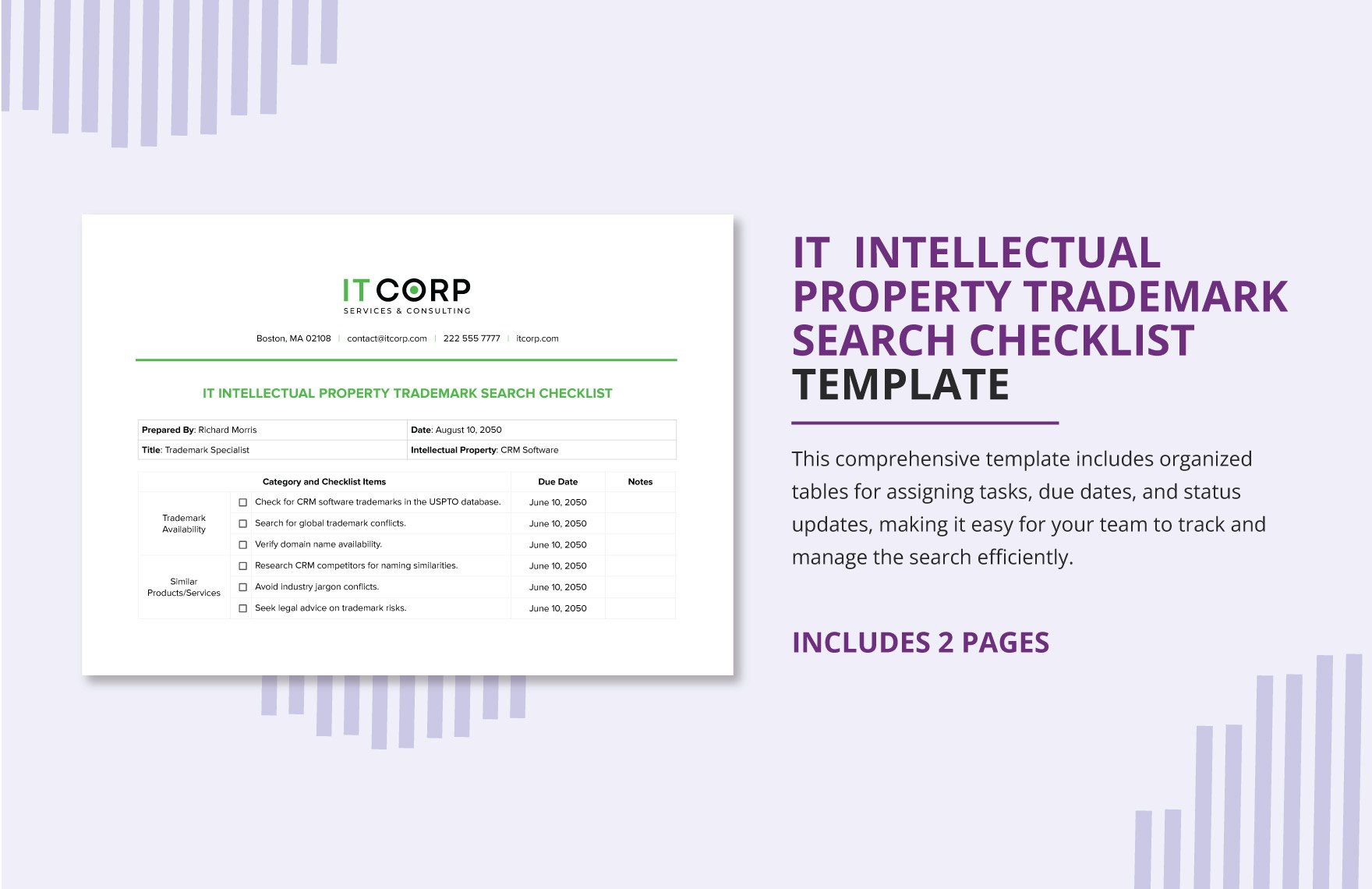
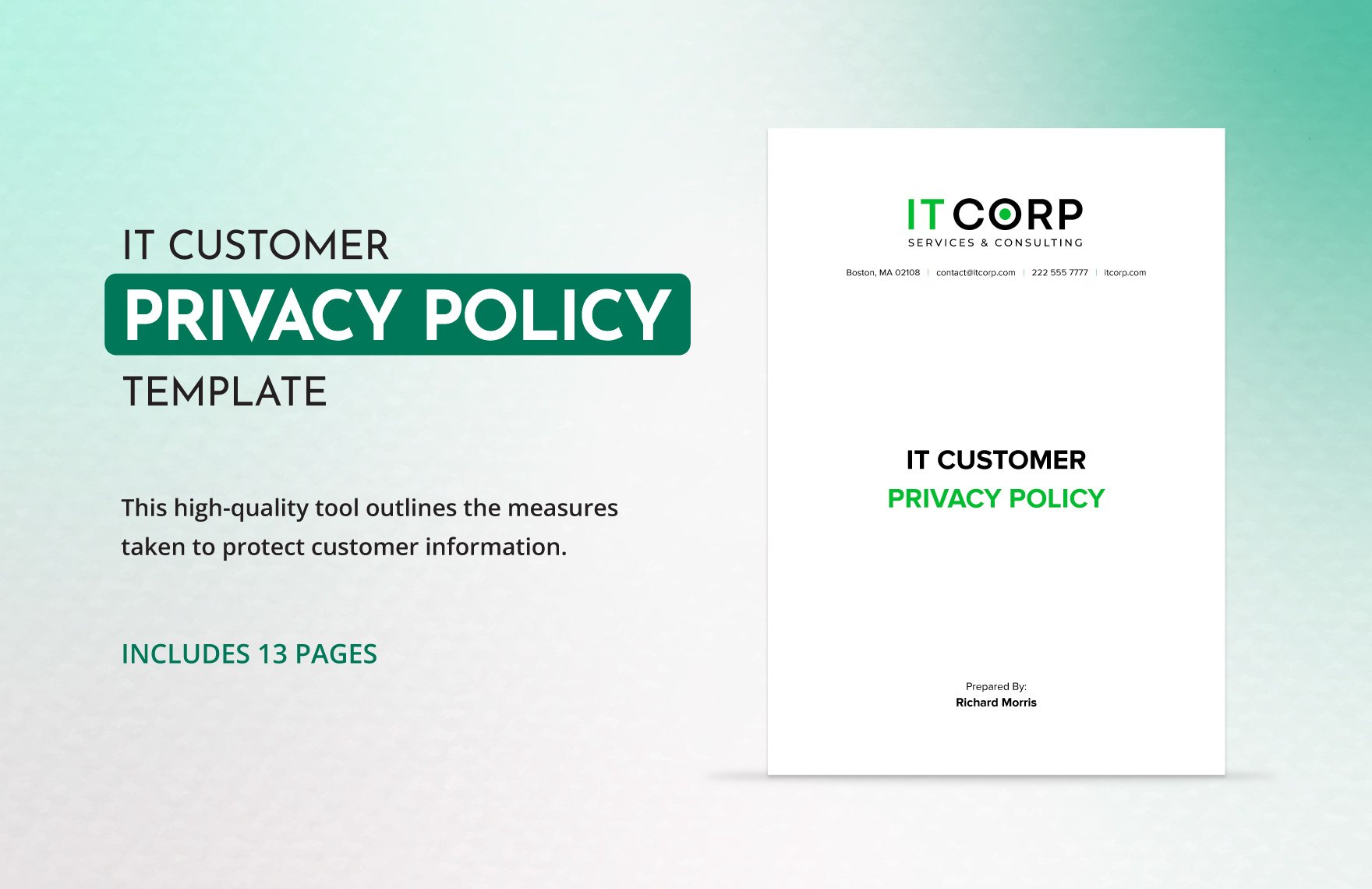
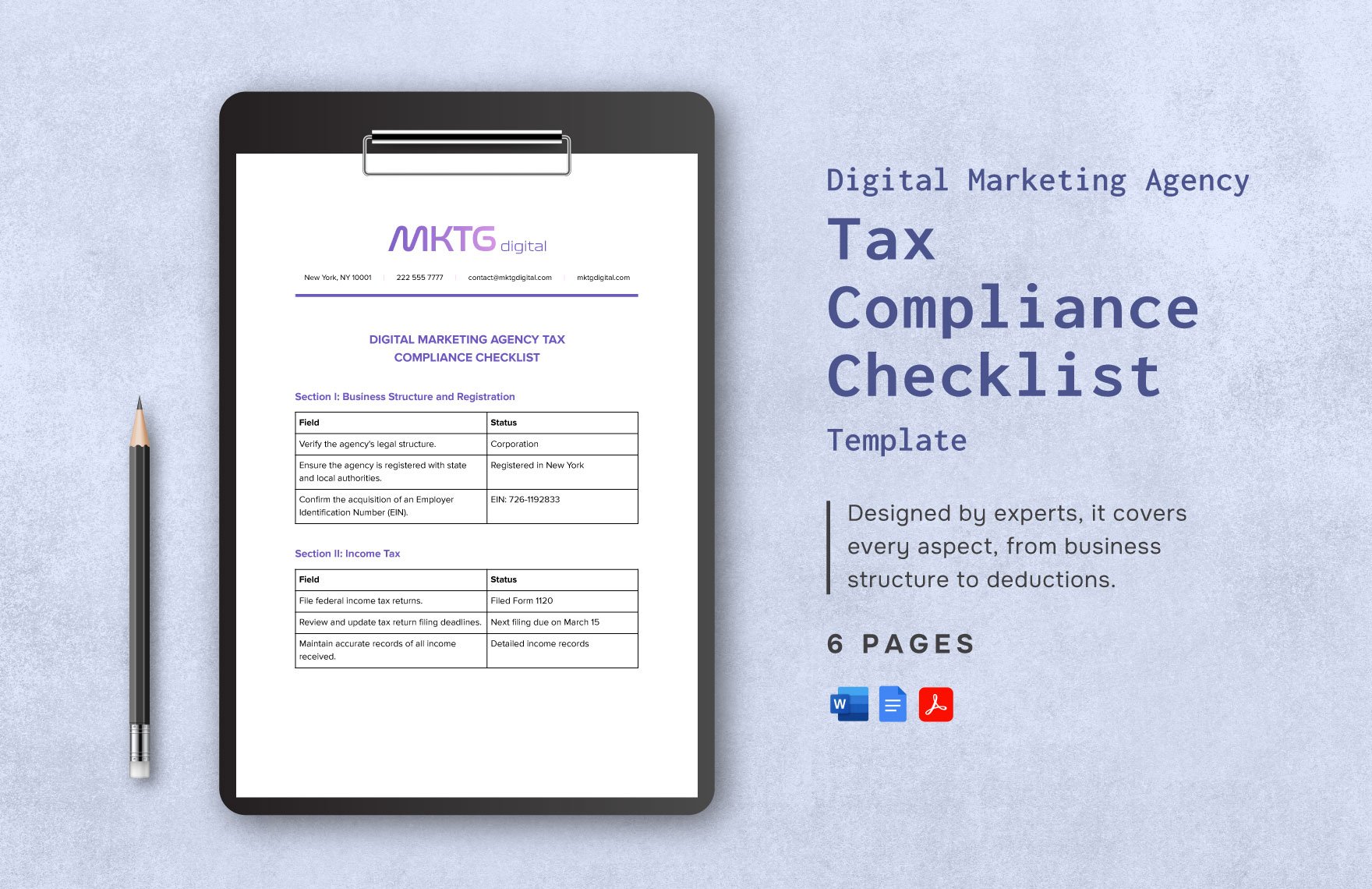
The following examples illustrate different document structures that can inform a compliance communication system. They are reference visuals rather than statements that any particular template is an official government form or universal legal requirement.
legal compliance for startups rack card template pdf

Source: Template.net
legal compliance for startups rack card template free download
Source: Template.net
legal compliance for startups rack card template free

Source: Template.net
legal compliance for startups rack card template excel

Source: Template.net
legal compliance for startups rack card template word

Source: Template.net
legal compliance for startups rack card template google docs

Source: Template.net
legal compliance for startups rack card template reddit

Source: Template.net
legal compliance for startups rack card template uk

Source: Template.net
legal compliance for startups rack card template customized
Source: Template.net
legal compliance for startups rack card template service
Source: Template.net
legal compliance for startups rack card template printable

Source: Template.net
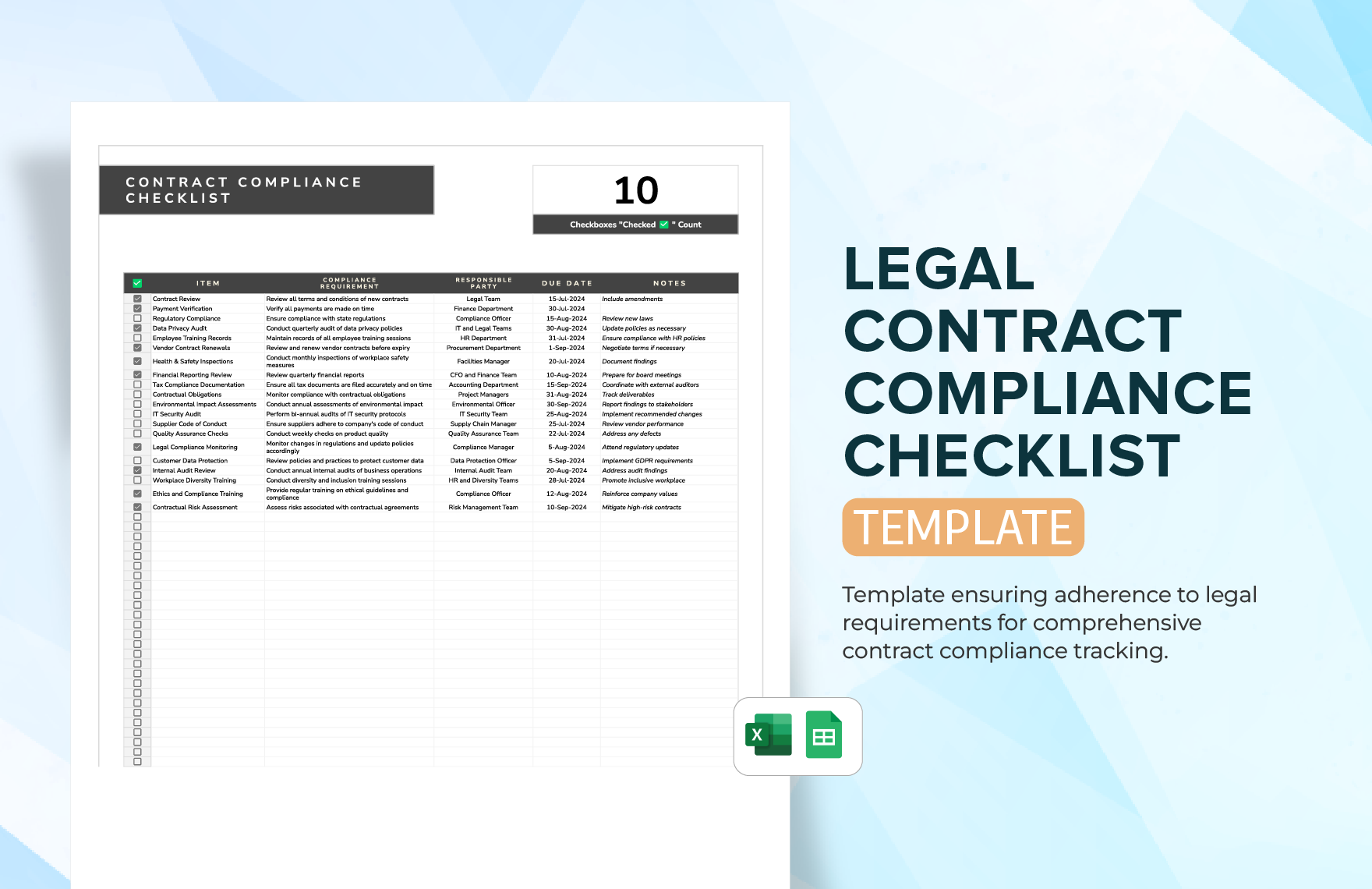
legal compliance for startups rack card template download
Source: Template.net
Frequently Asked Questions
What should a legal compliance for startups rack card Template contain?
It should contain concise compliance categories, responsible owners, review dates, status indicators, evidence references, and escalation instructions. It should not attempt to replace the startup’s detailed legal documents or official filings.
Is a rack card a legal document?
Usually, no. A rack card is better understood as a communication or operational reference tool. Whether any particular content has legal significance depends on what the document says and how it is used.
Can a startup use one template for every jurisdiction?
No universal template should be assumed to cover every jurisdiction. Legal obligations depend on factors such as business structure, location, industry, employees, products, customers, and regulated activities.
Should the card contain actual legal text?
Usually only in very limited circumstances. Short operational instructions are easier to maintain and understand. Detailed legal language belongs in the authoritative policy, agreement, filing, or legal record.
Should the startup use PDF or an editable format?
Both can be useful. An editable format is helpful during drafting and maintenance, while PDF is often better for controlled distribution and consistent printing. The detailed compliance register may be better maintained in a spreadsheet.
How often should a compliance card be reviewed?
The review frequency should reflect the underlying requirements and the startup’s risk profile. The card should also be reviewed after major events such as expansion, hiring, launching a new product, entering a new jurisdiction, or changing how customer data is processed.
Can a free template guarantee compliance?
No. A free or paid template provides structure, not a legal guarantee. Compliance depends on whether the correct requirements were identified, interpreted, implemented, documented, and maintained.
What makes a printable compliance card effective?
Readable typography, strong hierarchy, concise wording, logical grouping, adequate margins, clear status fields, and a connection to detailed evidence make a printed card more useful.
Final Implementation Checklist
Before publishing the final card, confirm that every listed control has a clear purpose and that the wording accurately reflects the startup’s actual process. Remove statements that sound like universal legal requirements when they are only examples or internal policies.
Confirm that every important control has an owner and that every owner knows where the supporting evidence is stored. A card is significantly more useful when it can guide a reader from a short reminder to an authoritative record.
Review all dates, renewal periods, document references, and version information. A stale compliance card can create false confidence, especially when a requirement or business activity has changed.
Check privacy and security before distribution. Do not place sensitive identifiers, confidential contract details, employee information, customer information, credentials, or unnecessary financial information on a broadly distributed card.
Finally, have appropriate professionals review areas that require legal, tax, accounting, employment, privacy, or regulatory judgment. The startup should use the card to improve organization and accountability, while relying on authoritative requirements and qualified advice for questions that require professional interpretation.
Conclusion
A legal compliance for startups rack card Template can be a practical way to make a complicated compliance program visible, concise, and easier to manage. Its greatest value comes from connecting a simple visual checklist to a detailed register, authoritative evidence, responsible owners, review dates, and a clear escalation process. Used this way, the rack card is not a replacement for legal documents or professional advice; it is a disciplined communication layer that helps a growing startup remember what needs attention and keep its compliance workflow organized.
