An incident management business plan Template is most useful when it turns a broad intention to “handle incidents better” into a documented operating model. A strong plan explains what qualifies as an incident, which business services are protected, who owns decisions, how incidents are classified, how escalation works, how stakeholders are informed, how recovery is verified, and how lessons are converted into improvements. Current guidance from NIST, ISO, and national cyber-security organizations consistently emphasizes preparation, defined responsibilities, documented processes, communication, recovery, and continual improvement as connected parts of incident management.
The search intent behind this topic is therefore broader than finding a blank document. Readers usually need a practical structure they can adapt to an organization, department, service desk, security team, operations function, or business continuity program. They may also be comparing an incident management plan pdf, Word-based document, spreadsheet, presentation format, or form. The best choice depends on how the document will be maintained, reviewed, presented, and used during an actual disruption.
A business plan for incident management should also connect response activity to business objectives. It should show how incident work supports service availability, customer confidence, operational resilience, risk reduction, regulatory coordination where relevant, and measurable performance. NIST’s current incident-response guidance places response within broader cybersecurity risk management and highlights Detect, Respond, Recover, and continuous improvement, while ISO/IEC 27035-2:2023 focuses on planning and preparation for information-security incident response.

What an Incident Management Business Plan Should Accomplish
The central purpose of an incident management business plan is to create a repeatable management system rather than a collection of emergency instructions. The plan should define the desired outcome of incident handling and explain how the organization moves from detection to stabilization and recovery. For an IT service, this may mean restoring a disrupted service. For a broader operational environment, it may involve protecting people, facilities, supply chains, information, customers, or critical business activities.
A useful plan separates policy, process, procedure, and supporting records. Policy establishes management intent and boundaries. The process explains the sequence of activities. Procedures provide detailed instructions for particular situations. Forms, logs, registers, checklists, dashboards, and reports create the evidence needed to coordinate work and evaluate performance. Keeping these layers distinct prevents the main plan from becoming an enormous document that responders cannot use quickly.
The plan should also explain what the organization means by impact, urgency, severity, priority, major incident, escalation, resolution, and closure. These terms are often confused. Impact describes the business effect, while urgency concerns how quickly action is needed. Severity can combine these factors into a response level. Priority then helps determine which incidents receive attention first. The exact scale should be designed for the organization’s services rather than copied blindly from another company.
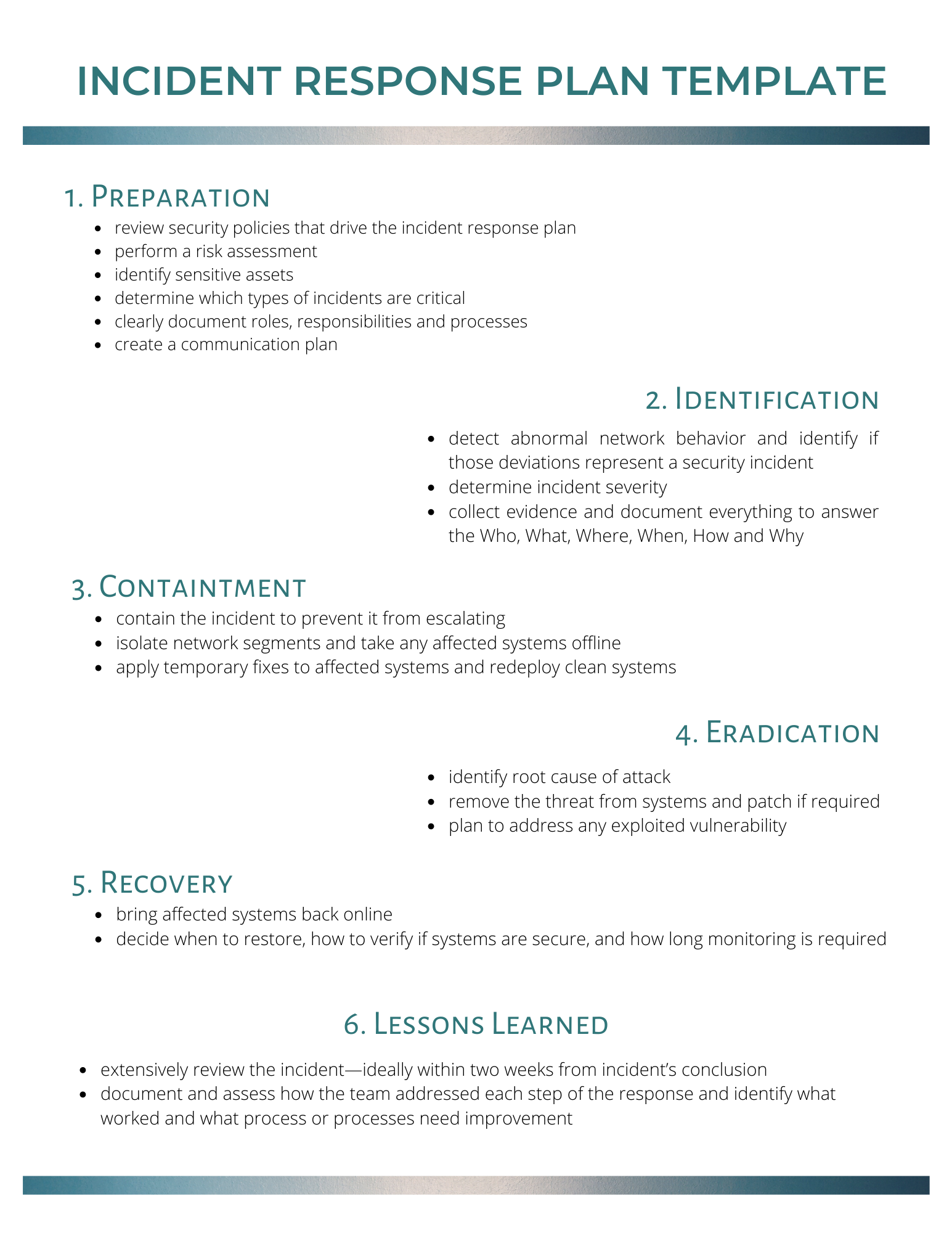
A practical plan should identify the services and processes that matter most. Instead of treating every incident equally, document critical services, supporting systems, important suppliers, essential data, key dependencies, and business owners. This allows the response team to judge an incident according to actual business consequences. A database outage, for example, may be minor for one department but critical when it supports customer transactions.
Another important objective is decision clarity. During a serious incident, several teams may receive incomplete information simultaneously. The plan should therefore identify who can declare a major incident, who can authorize emergency changes, who communicates externally, who coordinates technical work, and who owns business decisions. Clear authority reduces conflicting instructions and prevents important decisions from being delayed simply because nobody knows who has final responsibility.

Core Components of an Incident Management Business Plan
A strong template normally begins with document control. Record the plan name, owner, version, approval authority, effective date, review date, scope, and distribution rules. These details make it possible to determine whether responders are using the current plan. Version control is especially important when contact information, escalation paths, suppliers, infrastructure, or legal obligations change.
The next component is the purpose and scope statement. Explain which incidents the plan covers and which related plans are connected to it. An organization may have separate business continuity, disaster recovery, crisis communication, cybersecurity, physical security, safety, or emergency plans. The incident management plan should explain how those documents interact without duplicating their entire contents.
Roles and responsibilities are another essential section. Typical roles may include incident manager, service owner, technical lead, communications lead, business representative, security specialist, legal adviser, supplier coordinator, and executive decision-maker. Smaller organizations can combine several roles, but the responsibilities should still be explicit. A role-based structure is usually more durable than naming individuals because personnel change.

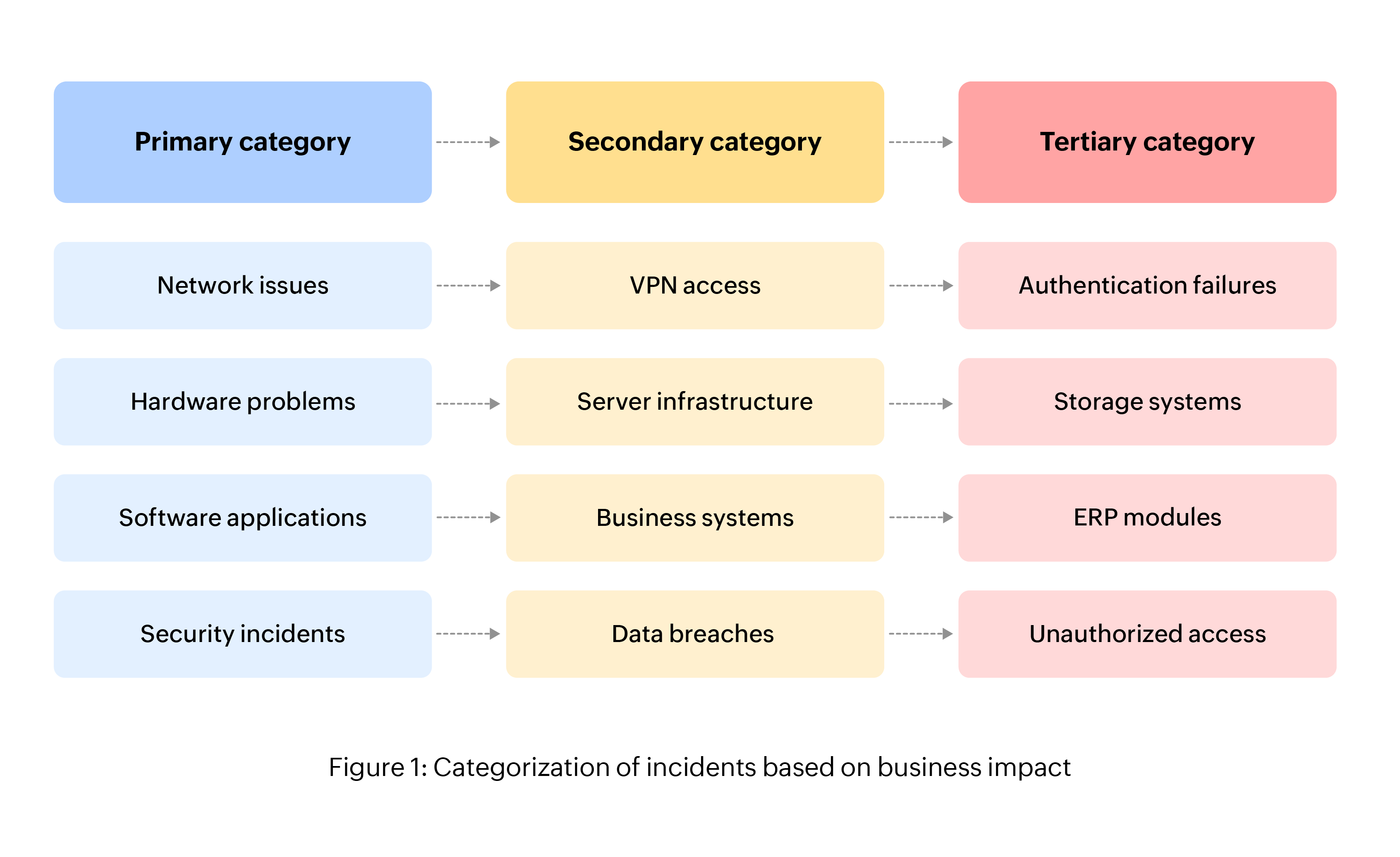
The incident classification section should define categories that help teams route work consistently. Categories might include infrastructure, network, software, access, security, data, facilities, supplier, customer-facing service, or operational disruption. Avoid creating dozens of categories that are difficult to distinguish. Classification is valuable when it improves ownership, reporting, analysis, or decision-making.
Prioritization should then translate business impact and urgency into an operational response level. A simple matrix can be easier to use than a long narrative. For example, a low-impact event affecting one internal user might receive routine handling, while a high-impact outage affecting a critical customer service may require immediate escalation. These are illustrative categories rather than universal standards; each organization should set thresholds according to its services and risk tolerance.
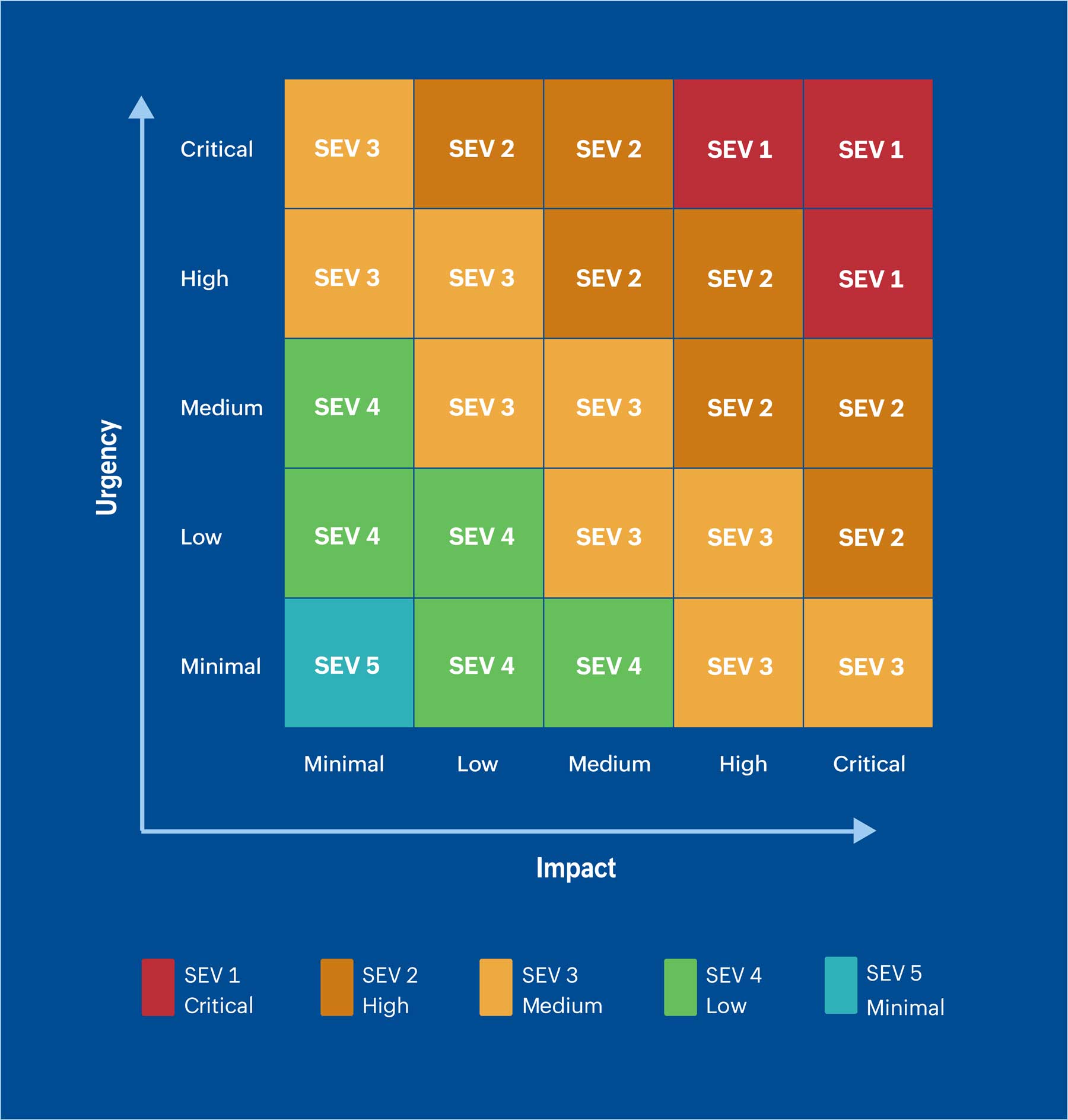
The escalation model should define both functional escalation and hierarchical escalation. Functional escalation moves an incident to a team with deeper technical or operational expertise. Hierarchical escalation moves the issue to a higher level of authority because of impact, risk, cost, customer exposure, or decision requirements. A good plan explains when each route is triggered and what information must accompany the escalation.
Communication deserves its own section because incident management is not only a technical activity. Stakeholders need accurate information about what is known, what is being investigated, what services are affected, and when the next update is expected. Communication frequency should reflect severity and audience. Executives may need concise business-impact updates, while technical responders require detailed operational information.

Designing the Incident Management Process
A practical process usually begins when an event is detected or reported. The first task is to establish whether the event meets the organization’s definition of an incident. The record should capture the time, reporting channel, affected service, symptoms, known impact, initial category, and person or team receiving the report. Early documentation matters because details can become difficult to reconstruct later.
The next stage is triage and prioritization. The responder determines what is affected, who is affected, how serious the disruption appears to be, and whether escalation is necessary. The first assessment may be incomplete, so the plan should allow severity to change as new information becomes available. This avoids locking the team into an early classification that no longer reflects the actual business impact.
Assignment follows triage. The incident should be routed to the team with the right authority and capability. Ownership should remain visible throughout the lifecycle so that an incident cannot become effectively ownerless during reassignment. A useful record also captures timestamps for important state changes because these provide the evidence needed for later performance analysis.
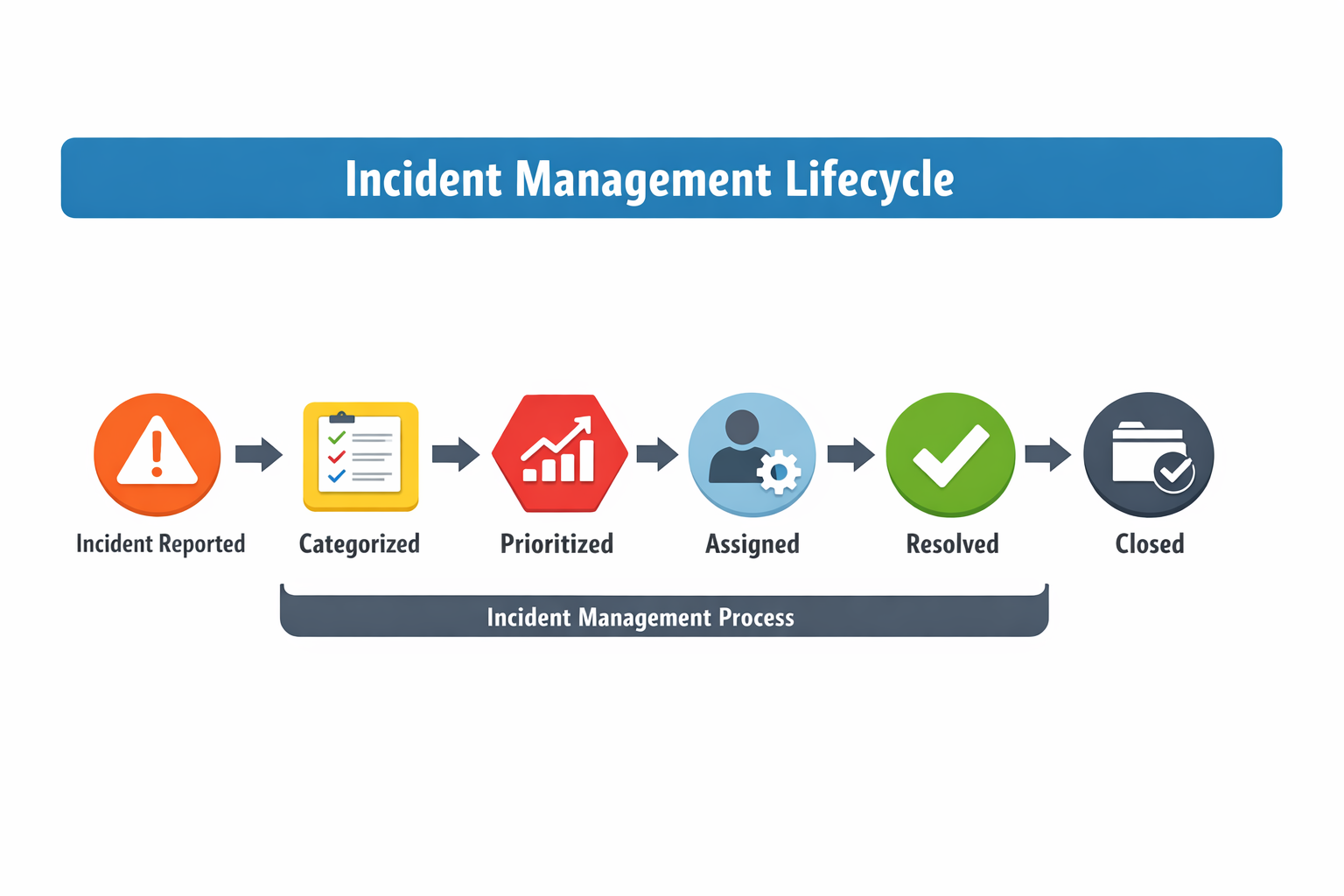
Investigation and diagnosis should distinguish symptoms from causes. The immediate goal of incident management is generally service restoration or stabilization, while deeper root-cause work may belong to problem management or a separate investigation. The plan should therefore permit a temporary workaround when that safely restores service while a longer-term corrective action continues elsewhere.
Resolution should not be declared merely because a technical action was performed. The affected service should be tested or otherwise verified against defined criteria. Where relevant, confirmation may come from monitoring, service owners, customers, business representatives, or another trusted validation method. Closure then records the final status, resolution details, related records, communications, and any required follow-up actions.
For a mature program, the lifecycle should also include post-incident learning. NIST emphasizes continual improvement, while the UK National Cyber Security Centre recommends maintaining forms for incident tracking and post-incident review. The objective is not simply to produce a report; it is to identify changes that can reduce recurrence, improve detection, strengthen communication, or make future response more efficient.
Choosing the Right Template Format
People searching for an incident management business plan template pdf are often looking for a polished document that is easy to circulate, print, review, or archive. PDF is useful for a controlled final version because the layout is generally stable across devices. It is less convenient for extensive editing, so organizations should normally maintain an editable master separately and produce a controlled PDF version for distribution.
An incident management business plan template word is useful when the plan requires substantial narrative editing. Word works well for policy statements, roles, procedures, revision histories, and detailed guidance. It is particularly suitable during the development stage because different stakeholders can review and revise sections before the document is finalized.
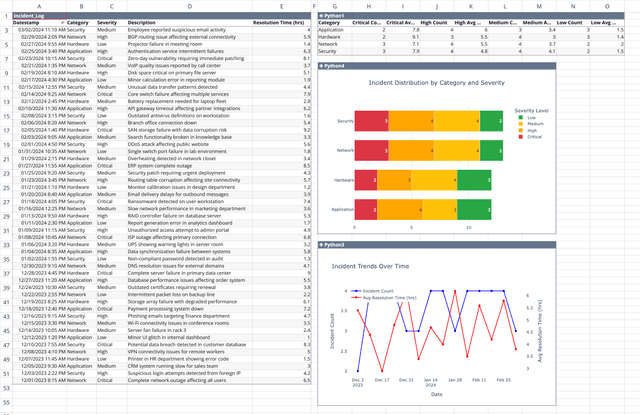
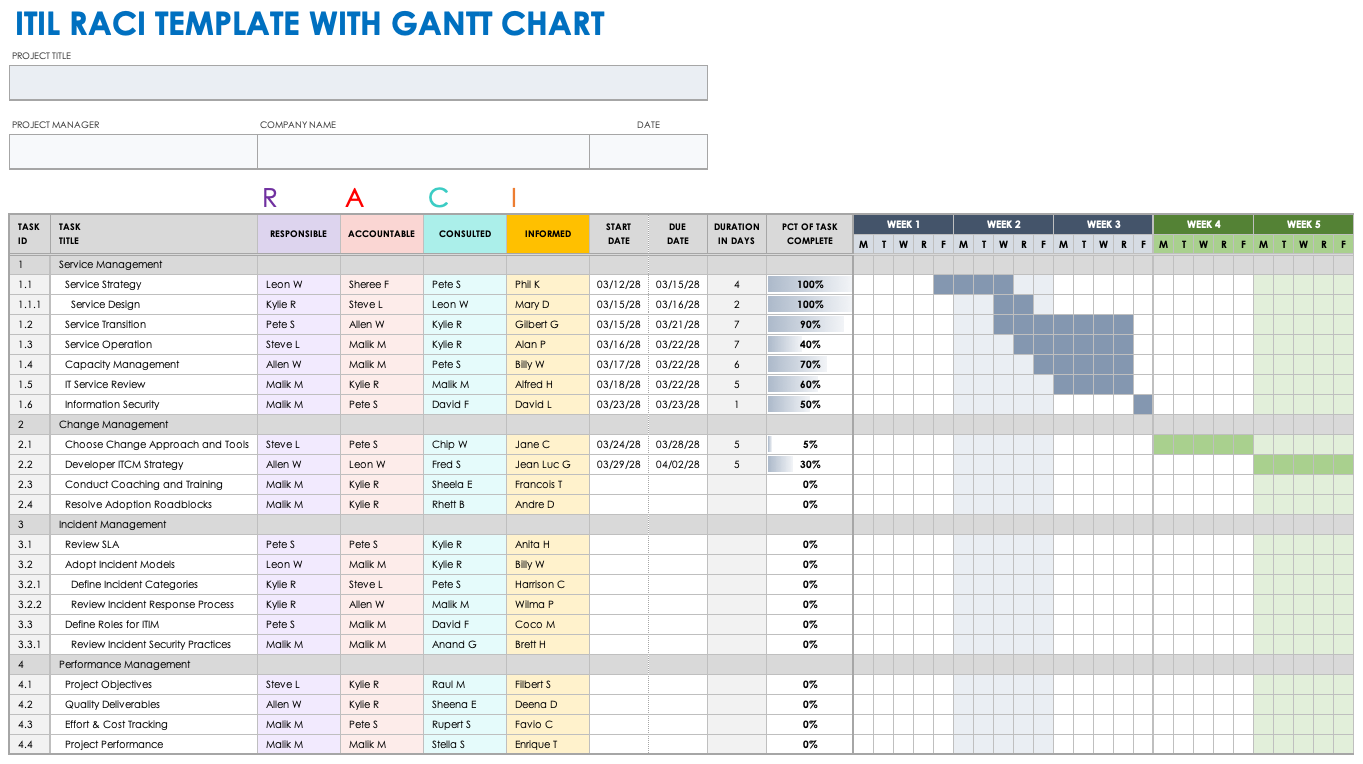
An incident management business plan template excel can be useful for structured registers, incident inventories, action tracking, ownership, deadlines, performance calculations, and trend analysis. However, a spreadsheet should not automatically become the entire plan. Narrative policy, authority, communication rules, and procedures are generally easier to maintain in a document, while structured operational records can benefit from spreadsheet organization.
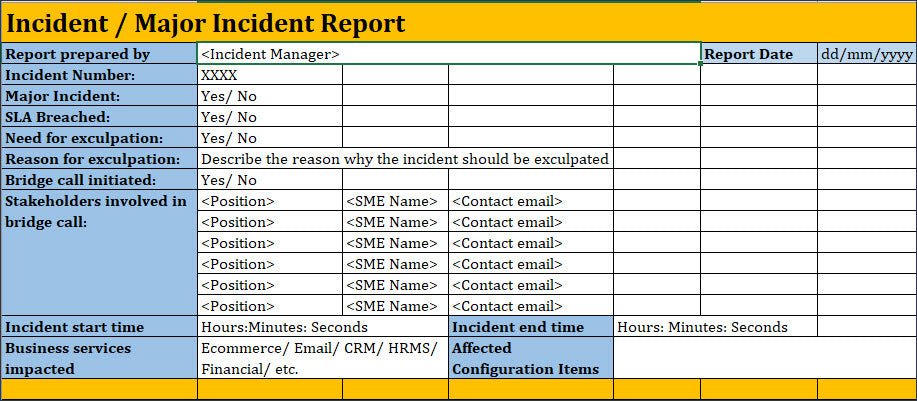
An incident management business plan template ppt is most useful for executive briefings, training, governance reviews, and explaining the operating model visually. Presentation slides can show the incident lifecycle, escalation model, roles, performance indicators, and decision gates without forcing an audience to read a long policy document. They should complement the operational plan rather than replace it.
For organizations looking for an incident management business plan template free download, the important question is not simply whether a document costs anything. The more useful evaluation criteria are whether the structure is clear, whether the source is trustworthy, whether the content fits the organization’s environment, whether licensing permits the intended use, and whether the document can be maintained over time.

An incident management business plan template download search can also indicate that the reader wants a ready-made starting structure. Before using any external document, inspect its scope and assumptions. A template designed for cybersecurity may not adequately cover facilities, safety, supplier interruptions, or operational incidents. Conversely, a broad business continuity template may not contain enough detail for IT incident triage and escalation.
Building Roles, Escalation, and Accountability
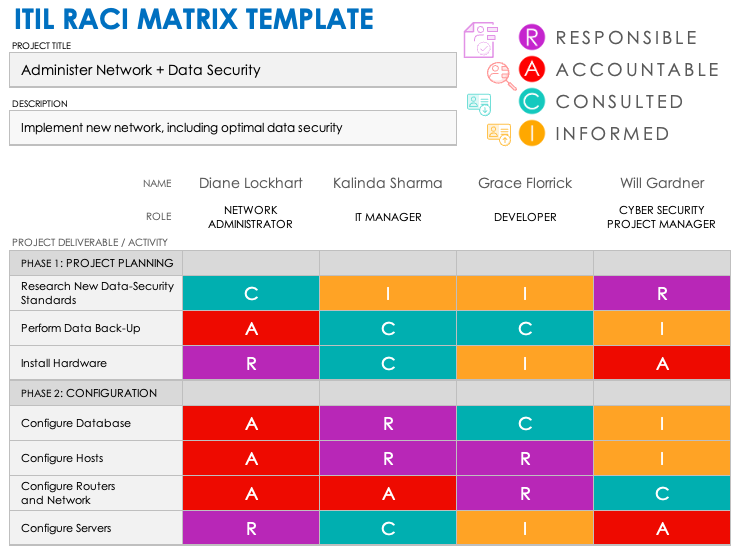
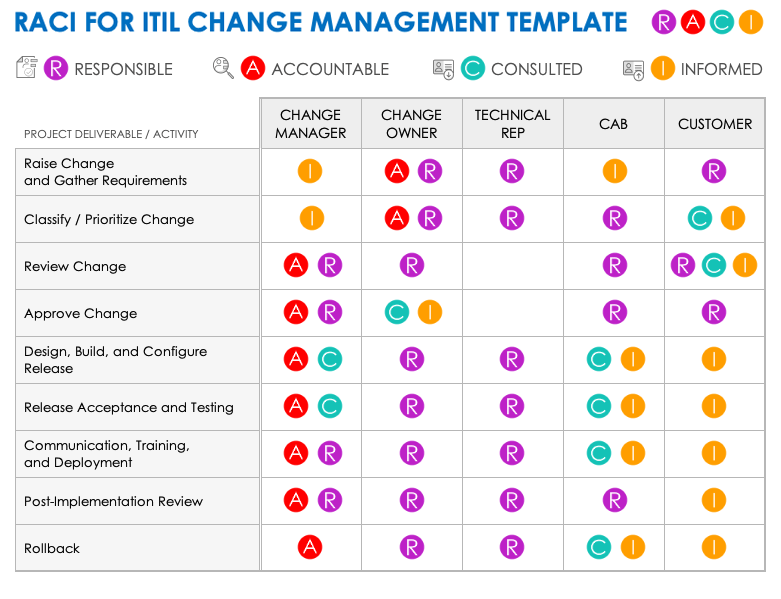
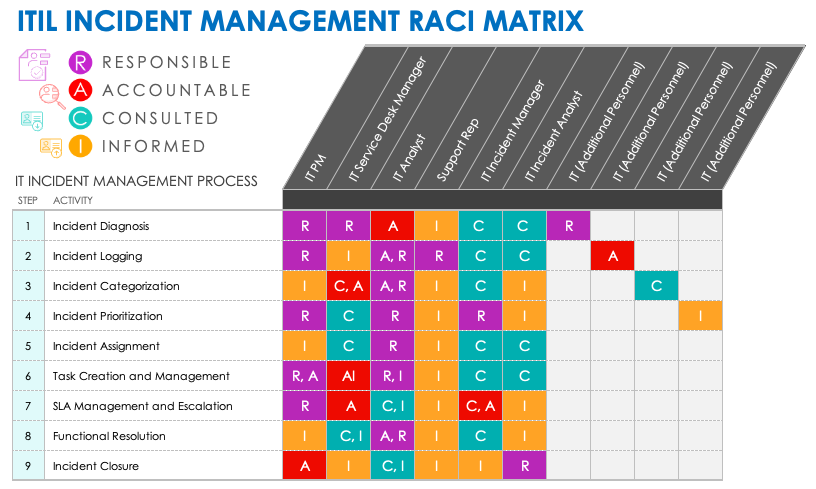
Responsibility should be designed around decisions rather than titles alone. The incident manager coordinates the response, but different decisions may belong to service owners, security leaders, business executives, legal advisers, or technical specialists. A RACI-style model can clarify who is responsible, accountable, consulted, and informed for important activities.
The plan should define what information is required when an incident is escalated. A useful escalation record may include incident identifier, summary, affected service, current impact, severity, actions already taken, current hypothesis, risks, decisions required, owner, and next update time. This prevents escalation from becoming a simple handoff with little useful context.
Major incidents deserve additional governance because normal workflows may not be sufficient. The organization should define declaration criteria, command roles, communication expectations, technical coordination, business decision authority, and closure criteria. The purpose is not to create bureaucracy; it is to create enough structure to prevent confusion when the business impact is significant.

An incident management policy template should support the business plan by establishing management expectations. It can state that incidents must be reported promptly, records must be maintained accurately, roles must be understood, critical incidents must be escalated according to defined criteria, and lessons learned should be converted into improvement actions. The policy should remain high-level enough to survive operational changes.
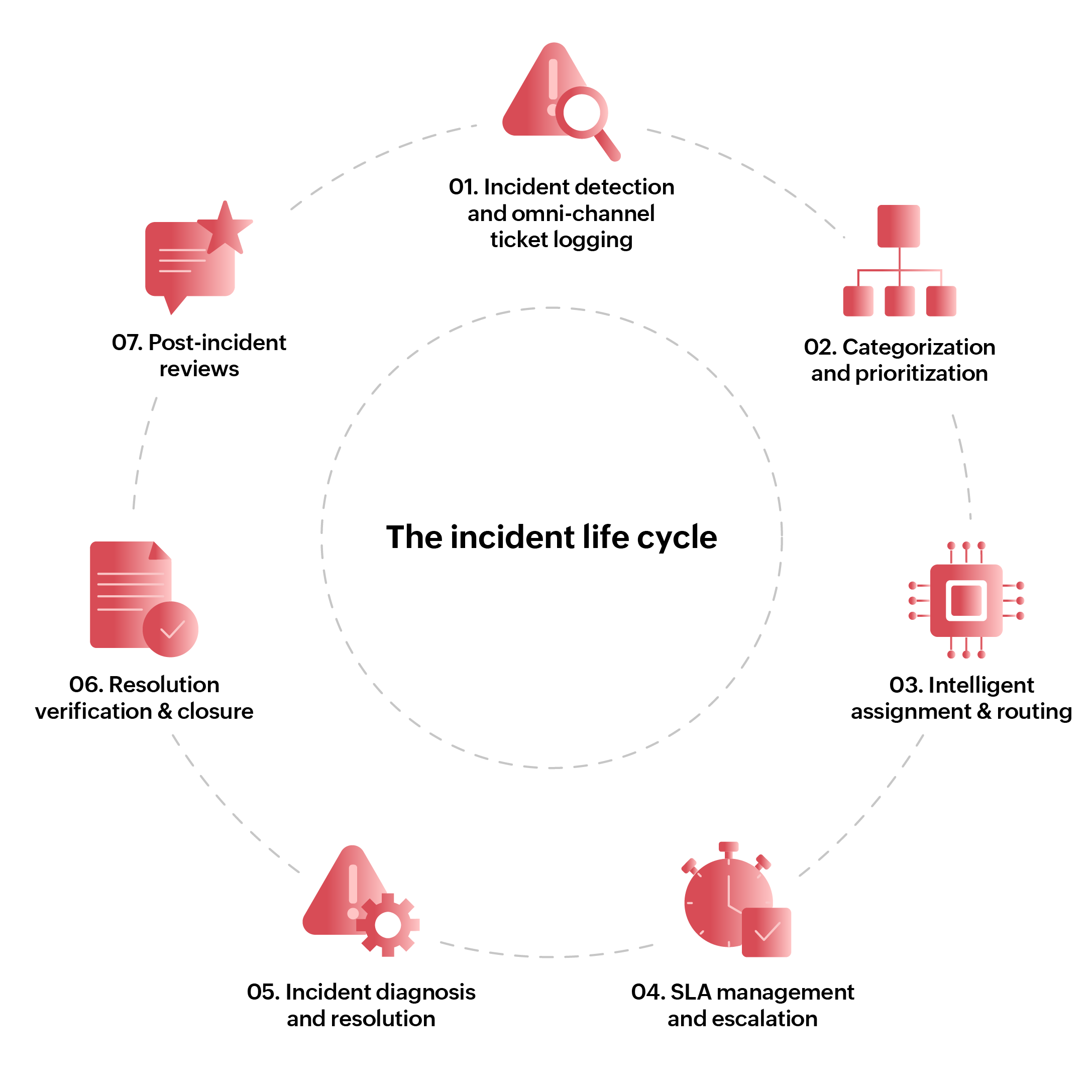
The process document can then provide operational detail. An incident management process template word can contain the sequence from detection and logging through categorization, prioritization, assignment, diagnosis, resolution, validation, communication, and closure. Procedures for specific incident types can sit beside the main process without making the core document excessively complicated.
Documentation, Forms, and Records
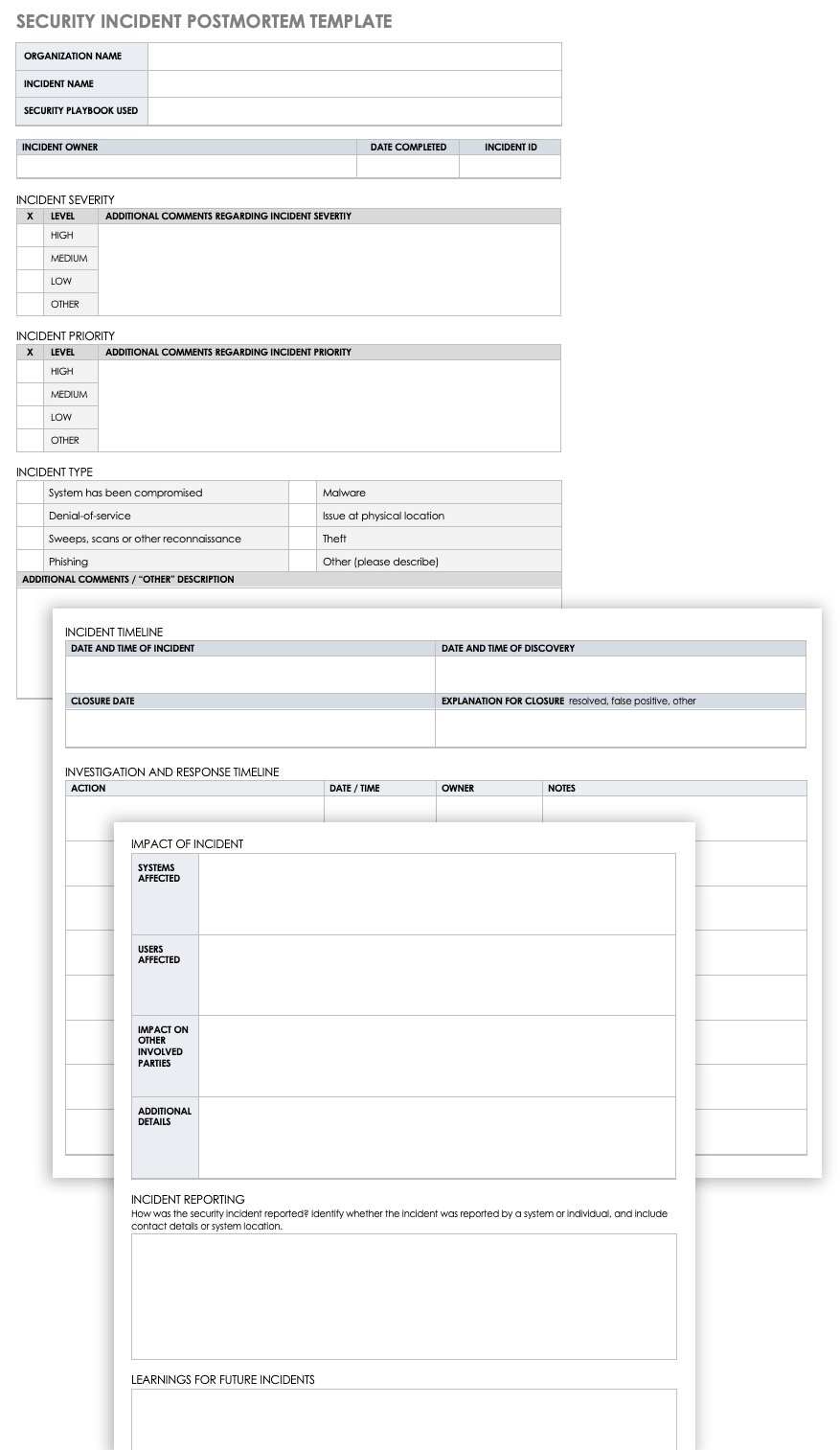
Good incident management depends on reliable records. An incident management form template should capture enough information to support triage, ownership, communication, investigation, and closure. Typical fields include incident title, date and time, reporter, location or service, category, impact, urgency, severity, description, actions taken, escalation details, resolution, verification, and follow-up actions.
An incident management template excel can serve as a structured incident register when a full service-management platform is unnecessary or when an organization needs a supplementary analytical record. Useful columns include incident identifier, opened time, category, priority, owner, current state, affected service, resolution time, escalation status, closure date, and lessons-learned status. Avoid collecting unnecessary personal or sensitive information.
Records should be consistent enough to support trend analysis. If one team records an outage as “network,” another uses “connectivity,” and a third uses “internet,” aggregate reporting becomes unreliable. Controlled categories and definitions make historical data more useful. The same principle applies to severity, closure reasons, escalation types, and root-cause classifications.
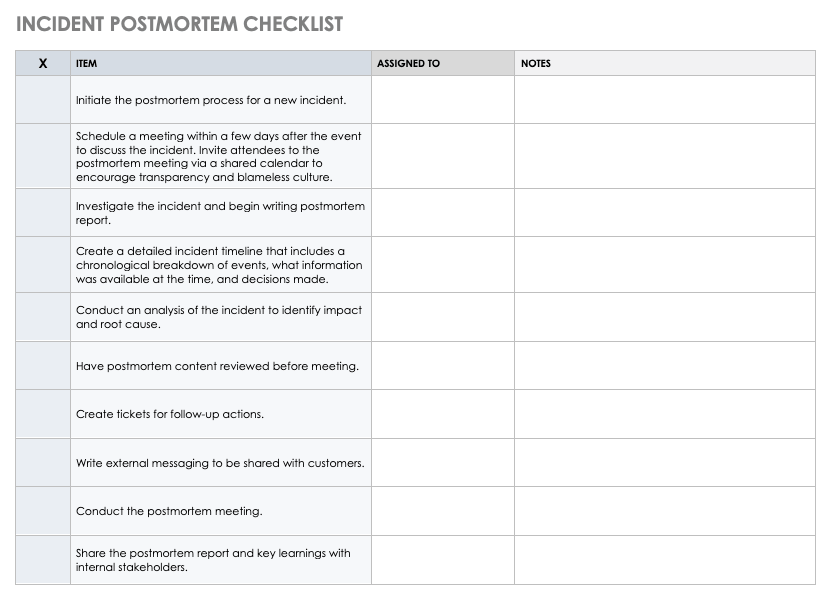
Incident records should also capture chronology. Time-based records allow teams to reconstruct when an incident was detected, acknowledged, escalated, investigated, mitigated, resolved, and closed. This is especially valuable when performance commitments or regulatory questions require an evidence-based explanation of what happened.
Metrics That Make the Business Plan Measurable
A plan becomes more useful when it defines how performance will be evaluated. Common measures include incident volume, severity distribution, time to acknowledge, time to respond, time to restore, backlog age, reassignment frequency, reopened incidents, escalation frequency, and service-level performance. Metrics should be interpreted in context rather than treated as isolated scores.
For example, a lower average resolution time is not automatically a sign of better management if teams are closing records prematurely or failing to document recurring problems. Similarly, a higher incident count may reflect better detection and reporting rather than deteriorating service. Metrics should therefore be combined with quality indicators, customer impact, recurrence patterns, and review findings.
Management reporting should focus on decisions. Executives may need trends, business impact, major incidents, recurring service weaknesses, and improvement priorities. Operational leaders may need workload, aging, ownership, and escalation data. Technical teams may need categories, affected components, diagnostic patterns, and resolution knowledge. The same underlying records can support these views when data definitions are consistent.
Where service-level commitments exist, the plan should explain how they are measured and what happens when they are at risk. The purpose is not simply to create a compliance report. SLA information can reveal whether priorities are realistic, whether escalation happens early enough, whether certain teams have capacity constraints, or whether recurring incidents require structural improvement.

Connecting Incident Management With Business Continuity
Incident management and business continuity are closely related but are not identical. Incident management focuses on coordinating the handling and restoration of incidents. Business continuity focuses on maintaining or restoring critical business functions through broader resilience strategies. A serious incident may therefore trigger business continuity procedures when the impact exceeds normal incident-management capacity.
The business plan should define these boundaries. For example, a temporary service interruption might remain within incident management, while a prolonged loss of a critical facility, supplier, workforce capability, or core system may require business continuity activation. The precise threshold should be based on the organization’s own impact analysis and recovery objectives.
Recovery priorities should be linked to business importance. Critical services should have identified owners, dependencies, recovery strategies, communication paths, and validation criteria. This allows incident managers to understand which restoration decisions matter most to the business instead of treating every technical component as equally important.

Post-Incident Review and Continuous Improvement
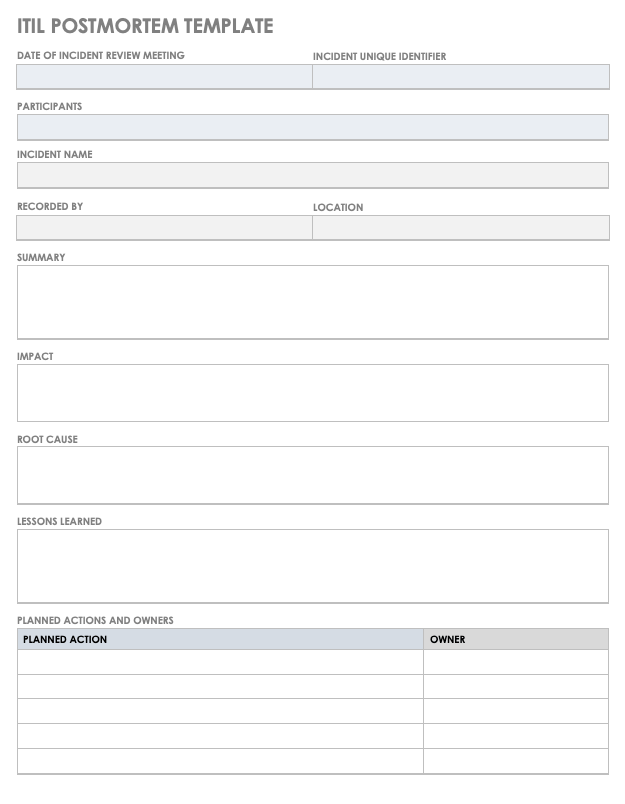
A post-incident review should ask what happened, how the organization detected it, how the response progressed, what decisions were made, what worked, what created delay, and what should change. The emphasis should be on systems and processes rather than personal blame. A useful review produces concrete improvement actions with owners and target dates.
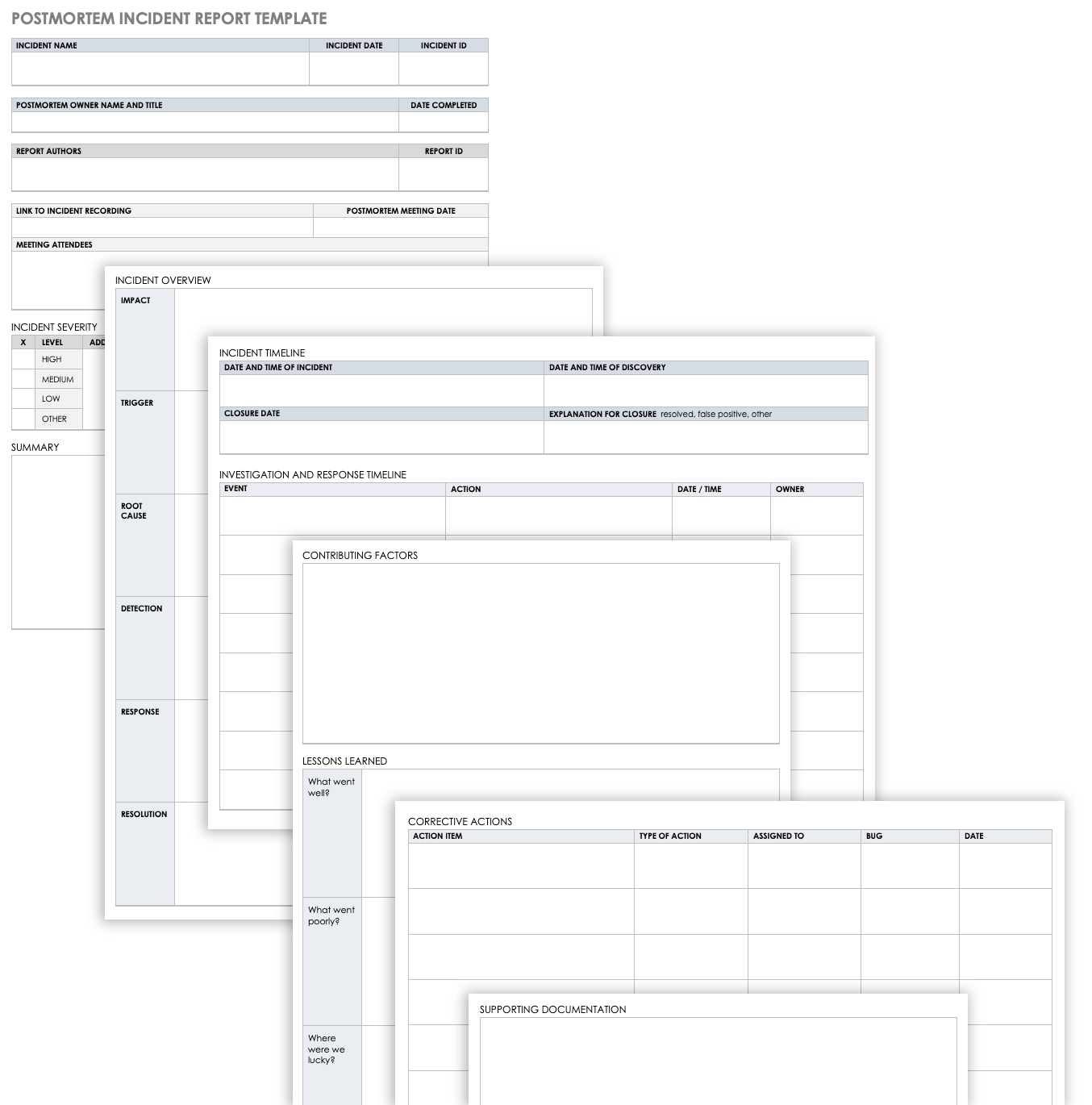
An incident management form template can be extended with review fields for root cause, contributing factors, detection gaps, communication issues, recovery obstacles, control weaknesses, and corrective actions. This creates a bridge between the incident record and the improvement program. The review should also identify whether the main plan, a specific procedure, training, monitoring rule, supplier arrangement, or technical control needs revision.
A post-incident report can be short for routine events and more detailed for major incidents. The important characteristic is consistency. If every major incident is reviewed using a predictable structure, management can compare lessons over time and identify recurring weaknesses that may otherwise remain hidden across individual reports.
Follow-up actions should be tracked until completion rather than disappearing into the review document. Each action should have an owner, priority, target date, status, and evidence of completion. Management should periodically examine overdue actions because unresolved corrective measures can leave known weaknesses in place long after the original incident has been forgotten.
Practical Solution
The most practical way to build an incident management business plan is to begin with a short operating model and expand only where the organization needs more control. Start by listing critical business services, common incident categories, major stakeholders, decision authorities, and escalation triggers. Then map the lifecycle from detection to closure. This produces the skeleton of the plan before detailed procedures are added.
Next, create a controlled set of supporting records. Use one incident record structure, one severity model, one escalation method, one communication framework, and one post-incident review format. Where structured data is required, an incident management template excel can support registers and analysis. Where narrative governance is required, a document format is more suitable. Where leadership needs a visual explanation, a presentation format can summarize the model.
Finally, test the plan through realistic exercises. Walk through a hypothetical outage, security event, supplier failure, or customer-impacting disruption. Check whether the team can identify the incident, assign ownership, determine severity, escalate correctly, communicate with stakeholders, restore the service, validate recovery, and record the event. Any point where participants become uncertain is a signal that the plan needs clearer instructions or better role definition.
For a small organization, the plan may be only a few pages plus supporting forms. For a large organization, it may be a controlled framework containing multiple procedures and playbooks. The correct size is determined by operational complexity, risk, regulatory exposure, service dependencies, and the number of teams involved. More pages do not automatically mean better incident management.
Review the plan after major incidents, organizational changes, new critical services, supplier changes, technology migrations, or changes in risk. Contact lists and escalation routes should be maintained particularly carefully because outdated contact information can undermine an otherwise well-designed plan. The plan should remain a living management document rather than an artifact that is stored and forgotten.
Common Mistakes to Avoid
One common mistake is creating a plan that describes ideal behavior without specifying decision points. Statements such as “notify management immediately” are difficult to execute unless the plan defines who qualifies as management, what event triggers notification, what information should be provided, and which channel should be used.
Another mistake is making severity classifications too complicated. If responders need to consult several pages before deciding whether an incident is critical, the classification model may fail under pressure. A small number of clearly defined levels is often easier to operate, provided the criteria reflect business impact and urgency.

A third mistake is separating incident records from improvement work. If post-incident actions are written in a report but never assigned or tracked, the organization loses much of the value of the review process. Every significant lesson should be converted into a visible action or a documented decision not to act, with an accountable owner.
Another problem is confusing incident management with root-cause analysis. Responders need to restore or stabilize service, while root-cause investigation may require more time and specialist expertise. The business plan should show how those activities connect without requiring responders to complete an extensive investigation before restoration can occur.
How to Evaluate a Template Before Adopting It
When reviewing an external template, first check whether its terminology matches the organization’s operating model. A template built around cybersecurity incidents may emphasize evidence preservation and containment, while an IT service-management template may emphasize ticket states, prioritization, service restoration, and service-level targets. A broader operational plan may need both perspectives.
Second, examine whether the template has enough space for real decisions. Look for purpose, scope, roles, classification, escalation, communications, response procedures, recovery, closure, metrics, and review. If one of these is missing, determine whether it belongs elsewhere or needs to be added to the organization’s version.
Third, examine maintenance requirements. A template that looks impressive but requires frequent manual restructuring may become outdated. The best structure is one that teams can actually maintain, review, test, and use during pressure. A simple, well-governed document is usually more valuable than a highly elaborate template that nobody updates.

Current NIST guidance is especially useful when the plan has a cybersecurity component. NIST’s 2025 revision places incident response inside the Cybersecurity Framework 2.0 risk-management context and emphasizes Detect, Respond, Recover, and continuous improvement. ISO/IEC 27035-2:2023 likewise addresses planning and preparation for information-security incident response. These sources can inform structure, but an organization’s final plan should still reflect its own services, responsibilities, risk profile, and governance arrangements.

For general incident management beyond cybersecurity, ISO 22320:2018 provides guidance on incident-management principles, structure, roles, responsibilities, resource management, and cooperation. ISO/IEC/IEEE 23612:2026 also defines a generic incident-management process and supporting documentation applicable across organizations, projects, services, software, and products. These references demonstrate why an effective plan should be adaptable rather than tied to one narrow incident type.

Practical Template Structure
A practical business plan can be organized into a sequence that mirrors the way management decisions occur. Begin with document control and purpose. Follow with scope, definitions, services covered, risk assumptions, governance, roles, classification, severity, escalation, communications, response procedures, recovery, closure, reporting, metrics, review, and supporting records. This structure keeps governance and operational execution connected.
Supporting materials can include an incident log, contact sheet, severity matrix, escalation matrix, communication matrix, action tracker, post-incident review form, root-cause record, and service-impact assessment. Each supporting document should have a clear relationship to the main plan. Avoid maintaining multiple versions of the same information in different places because inconsistencies can appear quickly.
For organizations comparing an incident management business plan template free option with a paid or internally developed structure, focus on fit rather than price alone. A useful template saves design effort only when its assumptions match the organization’s needs. Always review licensing, source credibility, update history, editable fields, document ownership, and suitability for the intended operating environment.

Likewise, an incident management business plan template download should be treated as a starting point rather than an automatically complete management system. Replace generic role names, thresholds, communication instructions, services, escalation contacts, and assumptions with organization-specific information. Test every major instruction before relying on it during a real incident.
The final test is simple: give the plan to someone who did not create it and ask them to explain what they would do during a realistic incident. If they cannot identify the first action, decision owner, severity path, escalation route, communication method, and closure requirement, the document needs refinement. Usability under pressure is one of the strongest indicators that the plan is genuinely operational.
Reference Examples
Reference examples are useful when evaluating an incident management business plan Template because the structure of a plan is easier to understand when readers can see how information is organized visually. Incident-management documents commonly use process diagrams, priority matrices, responsibility grids, incident forms, dashboards, timelines, and post-incident reports. These visual structures help show relationships that can be difficult to recognize from narrative text alone. When comparing examples, look for practical elements such as clear ownership, defined severity, visible escalation, chronology, business impact, resolution evidence, and follow-up actions. The strongest example is not necessarily the most elaborate; it is the one that makes operational decisions easy to understand.
The following visual references complement an incident management business plan Template by illustrating two different perspectives: performance oversight and broader operational response. A dashboard can show how incident management is measured through response and resolution indicators, while a process diagram can show how response activity connects to modified operations and eventual return to normal business activity. Use these references as structural inspiration rather than as organizational requirements. A final plan should reflect the organization’s own services, risk thresholds, governance model, responsibilities, communication requirements, recovery priorities, and review practices.
Incident SLA Performance Dashboard
Source: BMC Helix Documentation
Tempest Risk Incident Management Process
Source: LinkedIn
