An incident management business plan Template is most useful when it does more than describe what a team should do after something goes wrong. A strong plan connects incident identification, prioritization, response, recovery, communication, documentation, measurement, training, and continuous improvement to the wider objectives of the organization. Current guidance from CISA emphasizes that an incident management plan should address the organization’s approach, process structure, objectives, roles, resources, costs, communications, testing, and improvement. That makes the document both an operational guide and a management planning instrument.
The search intent behind this topic is usually practical: readers want to understand what belongs in a business-oriented incident management plan, how to organize it, which document formats are useful, and how to turn a blank page into a usable operating framework. The best approach is to design the plan around decisions that must be made during disruption rather than filling pages with generic policy language. A useful template should make responsibilities obvious, provide consistent escalation rules, preserve important records, and help management evaluate whether the response capability is improving over time.
Incident management is also closely connected to continuity planning. NIST describes a business continuity plan as predetermined instructions and procedures for sustaining mission or business processes during and after a significant disruption. An incident management plan complements that broader continuity objective by defining how an organization detects an event, decides whether it is an incident, coordinates the response, restores affected services, and learns from the experience. The two documents should therefore be aligned rather than maintained as isolated pieces of paperwork.

What an incident management business plan should accomplish
The central purpose of the plan is to reduce uncertainty. During a significant incident, people may have incomplete information, competing priorities, unclear authority, and pressure from customers or executives. A written framework gives responders a common operating model. It establishes what qualifies as an incident, who can declare one, who owns coordination, which teams must be engaged, how severity is assessed, how updates are issued, and what evidence must be recorded.
A business-oriented plan should also explain why incident management matters to organizational performance. An outage, security event, facility disruption, supplier failure, or operational error can affect revenue, customer experience, employee productivity, compliance, reputation, and critical business processes. The plan should therefore describe impact in business terms rather than limiting the discussion to technical symptoms. For example, “database unavailable” describes a condition, while “order processing unavailable for customers” explains the operational consequence.
CISA guidance specifically identifies incident management planning activities such as detection, triage and analysis, declaration, response and recovery, communications, post-incident improvement, role assignment, training, resources, and costs. These elements provide a useful foundation for a business plan because they connect operational procedures with management decisions. They also make it easier to identify gaps before a real event occurs.
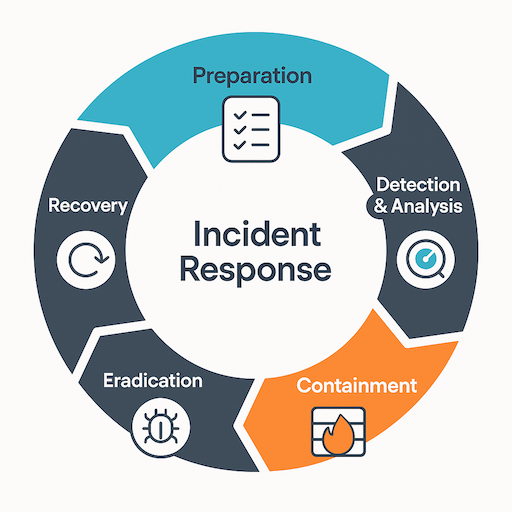
A good plan should be written so that a person unfamiliar with the organization can understand the basic response model without needing a private conversation with a senior employee. That means defining terminology, roles, escalation paths, severity criteria, communication expectations, and documentation standards. The plan does not need to contain every technical troubleshooting procedure; detailed technical actions can live in separate playbooks that are referenced by the main framework.
Core sections of an incident management business plan
The first section should establish the purpose, scope, and objectives. State why the organization maintains the plan, what types of incidents it covers, which locations or business units are included, and where responsibility begins and ends. The scope might cover technology outages, cybersecurity events, operational disruptions, facility incidents, supplier failures, or other categories relevant to the organization. Avoid writing the scope so broadly that every minor issue becomes a major incident.
The next section should establish governance. Identify the owner of the plan, approval authority, review frequency, revision history, and relationship with other organizational documents. Useful related documents can include continuity plans, disaster recovery procedures, security policies, crisis communications guidance, supplier-management procedures, and occupational safety processes. The objective is not to duplicate those documents but to show how they connect when an incident crosses organizational boundaries.
A third section should define the incident lifecycle. A practical structure may include detection and reporting, initial assessment, logging, categorization, prioritization, declaration, response coordination, containment or mitigation, recovery, validation, closure, and post-incident review. The precise terminology can vary between organizations. What matters most is that the sequence is understandable and that each stage has an accountable owner.

The document should also contain a clear roles and responsibilities model. Common roles include an incident commander or coordinator, technical or operational leads, communications lead, business owner, security representative, legal or compliance adviser, supplier contact, and executive decision-maker. Roles should be defined independently from individual names where possible, because personnel change. Contact lists can be maintained separately and referenced by the plan.
Another important section covers resources and capability. Identify the people, facilities, communication channels, systems, records, vendor relationships, backup arrangements, and specialist expertise required for different severity levels. CISA’s incident management planning guidance explicitly includes resources, funding, training, and testing among the areas that should be considered. This is where the “business plan” aspect becomes important: management needs visibility into what capability costs and what capability gaps remain.

Severity, impact, urgency, and escalation
One of the most important parts of an incident management business plan Template is the classification model. A useful model separates impact from urgency. Impact describes the scale of business consequence, such as affected customers, critical services, locations, data, revenue processes, or safety. Urgency describes how quickly action is required. Combining these dimensions can produce a priority level without relying entirely on subjective judgment.
Severity definitions should include practical examples. A low-severity event might affect one internal process with a straightforward workaround. A high-severity event might interrupt an important customer-facing service across multiple regions. A critical event might create widespread operational disruption, serious security consequences, or another condition requiring executive coordination. The exact labels and thresholds should be customized to the organization rather than copied blindly from another company.
Escalation rules should answer three questions: when should the incident move upward, who becomes involved, and what authority changes? Escalation can be triggered by impact, elapsed response time, inability to contain the problem, expanding scope, regulatory considerations, security risk, or failure to meet an agreed service target. A strong escalation matrix should specify roles and decision rights rather than simply listing telephone numbers.

The visual matrix above illustrates why severity and communication should be connected. A critical event may require more frequent updates and broader stakeholder involvement than a low-impact event. However, communication frequency should be determined by actual organizational needs. A template provides the structure, while management should establish the thresholds that fit its services, contractual obligations, and risk tolerance.

Prioritization should be reviewed during the incident because impact can change. A disruption that initially affects one internal group may expand into a customer-facing outage. Conversely, an apparently serious alert may be confirmed as a limited event. The plan should therefore permit reclassification while requiring the reason for the change to be recorded.
Building the operational workflow
The workflow should begin with a reliable reporting mechanism. Every potential incident needs enough information to support an initial assessment: when it was observed, what happened, which service or process is affected, who reported it, what symptoms are visible, and whether immediate safety or security concerns exist. A standardized incident management form template can make this intake process consistent across teams.
The next stage is triage. Triage should establish whether the event is genuinely an incident, identify the likely business impact, determine priority, and assign ownership. The responder does not need to know the root cause immediately. Early documentation should distinguish observed facts from assumptions so that later investigators can understand what was known at each stage.
Investigation and response should then proceed according to the severity and category. The plan can reference specialized playbooks for network failures, data security events, supplier outages, facilities incidents, or other scenarios. This keeps the main document concise while still providing detailed procedures where they are needed.
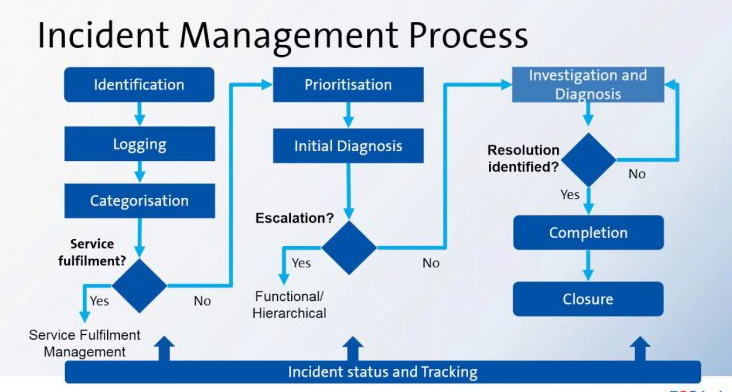
Containment and mitigation are particularly important during high-impact incidents. The objective is to limit further damage while the team works toward a durable resolution. Depending on the incident, containment might involve isolating an affected service, switching to a backup process, restricting access, suspending a faulty change, engaging a supplier, or activating continuity procedures. The business plan should define who can authorize significant actions.

Recovery should include validation rather than simply declaring success when a system becomes available. Teams should confirm that the affected business process is functioning, dependencies are healthy, data integrity is acceptable, monitoring is operating, and stakeholders understand the status. If a temporary workaround remains in place, the incident should not automatically be considered fully resolved until the organization decides how that workaround will be managed.
Documentation and recordkeeping
Documentation is the memory of the response. During the event, the record should capture timestamps, decisions, observations, actions, owners, communications, escalations, and changes in severity. This record helps responders coordinate while the incident is active and later provides evidence for analysis. It can also reveal where the response process itself created delays or confusion.
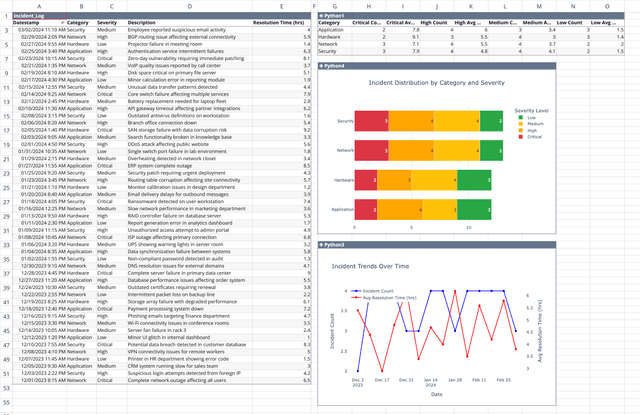
A structured incident management template excel format can be useful for organizations that need a straightforward incident register. A spreadsheet can contain fields such as incident identifier, date and time, category, affected service, severity, owner, status, response time, resolution time, root cause, corrective action, and closure date. The important design principle is consistency: each row should represent a clearly defined incident record, and field meanings should be documented.
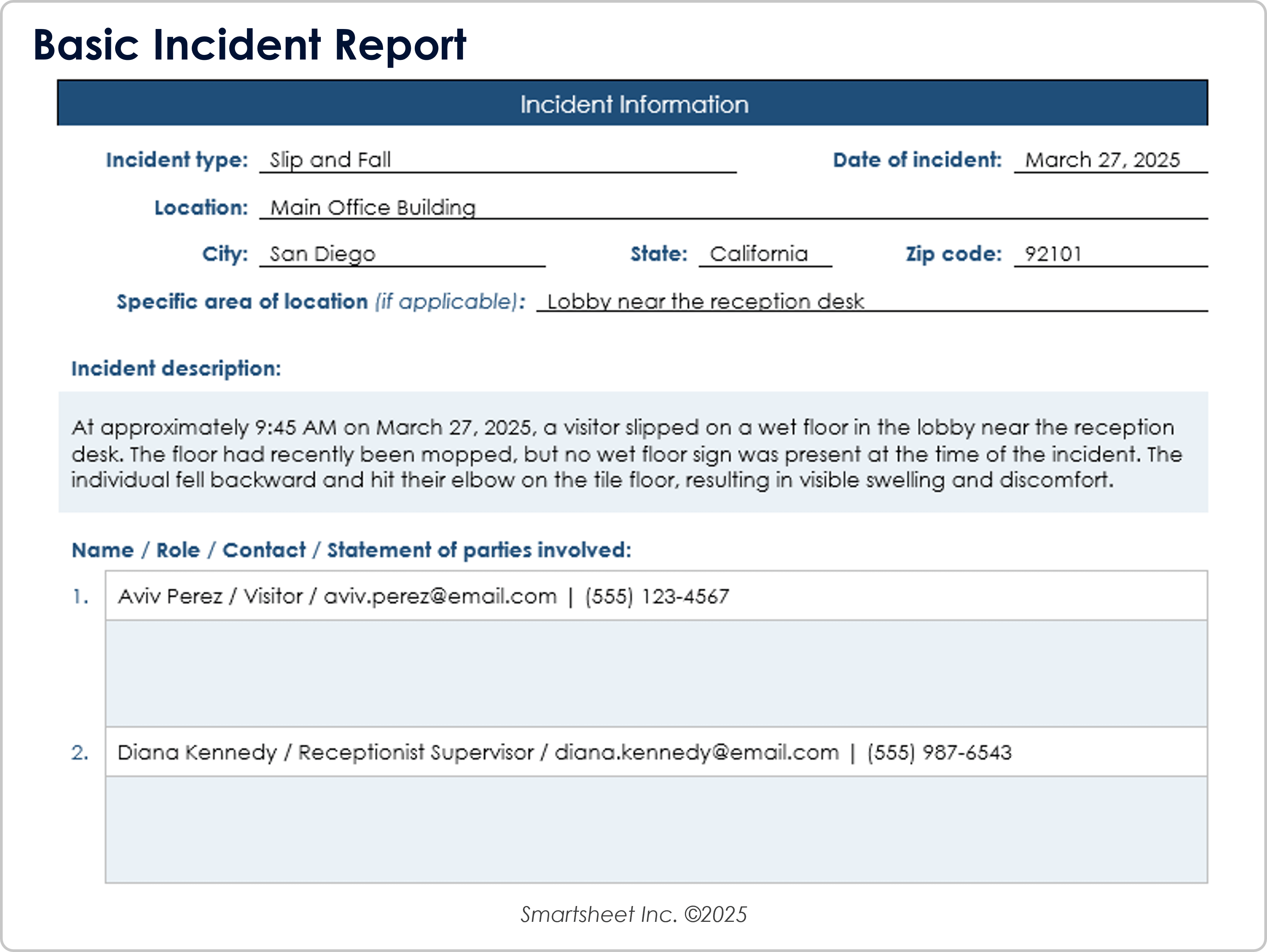
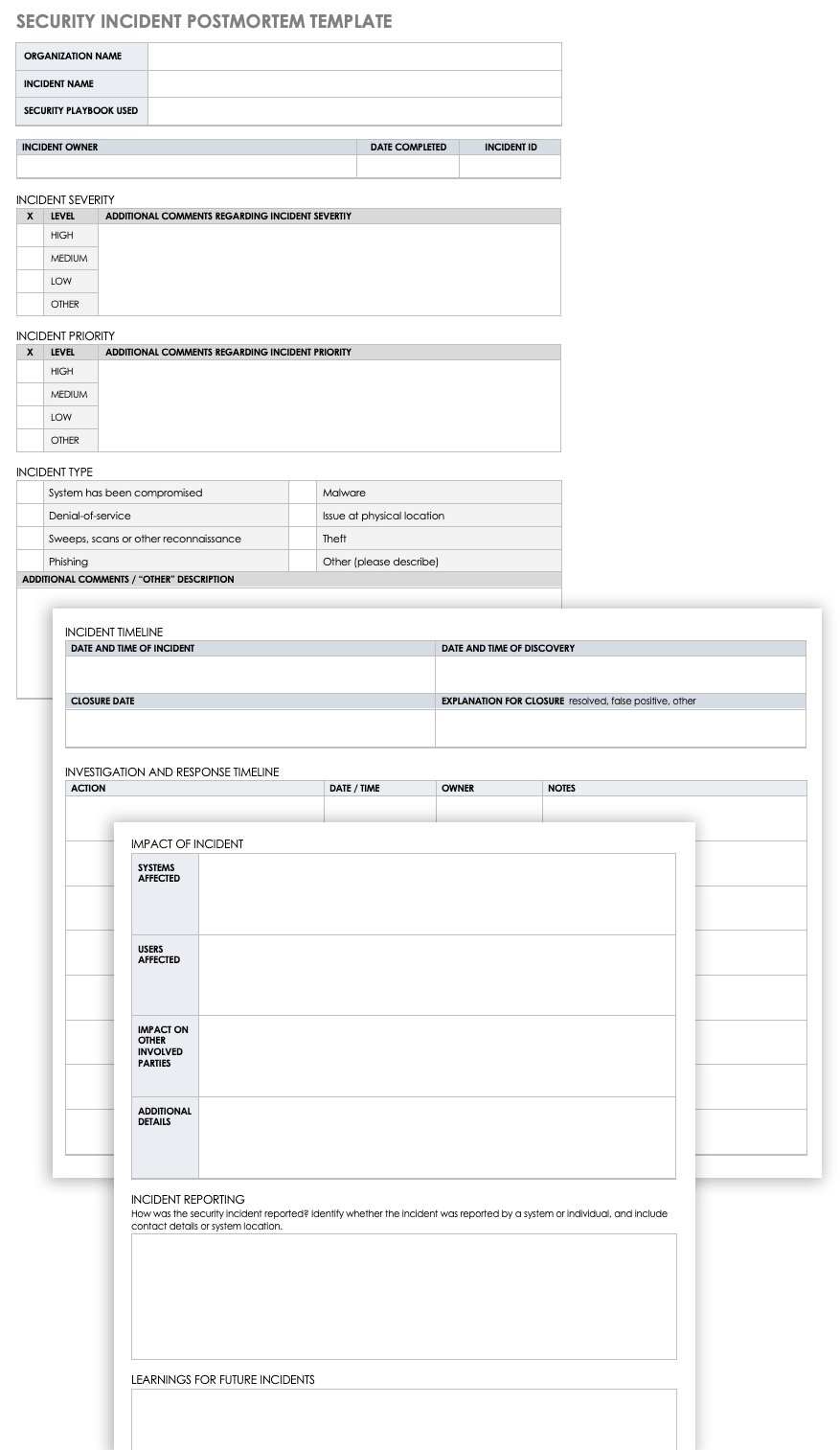
For narrative records, an incident management process template word structure may be more appropriate. A document can provide sections for incident summary, business impact, timeline, response actions, communications, root cause, contributing factors, lessons learned, and corrective actions. The choice between a spreadsheet and a document should be based on the information being captured rather than personal preference.
For organizations that want a formal policy layer, an incident management policy template can establish governance while the operational plan explains how incidents are handled. The policy may define authority, accountability, reporting expectations, review requirements, and management oversight. The plan then translates those expectations into operational steps, roles, thresholds, and procedures.

Communication planning for incidents
Communication should be designed before an incident occurs. During disruption, teams should not have to invent stakeholder messages while simultaneously diagnosing the problem. The plan should identify internal audiences, customers or partners where relevant, executives, suppliers, regulators where applicable, and other stakeholders. Each audience may require different levels of technical detail and different communication channels.
A practical communication section should define who is authorized to issue external statements, who approves sensitive messages, what information must be included in status updates, and how frequently updates should be reviewed. The message should distinguish confirmed facts from ongoing investigation. Overly technical language can confuse business stakeholders, while vague statements can reduce trust.
Communication records should become part of the incident record. Keeping a timeline of important notifications makes it easier to assess whether the organization communicated at the right time and to the right audiences. Post-incident reviews can then identify whether delays were caused by missing contacts, unclear approval authority, incomplete information, or ineffective channels.

Business continuity and recovery alignment
An incident management plan should not operate independently from business continuity planning. Business continuity focuses on sustaining important business processes during significant disruption, while incident management focuses on coordinating the handling of the incident itself. A single event can therefore activate both processes at different points or simultaneously.
For example, a technology outage may begin as an incident managed by an IT or operations team. If the outage threatens a critical customer process beyond the organization’s defined tolerance, continuity arrangements may be activated. The business plan should make that transition clear so responders know when to move from ordinary incident handling into a broader continuity response.
Recovery objectives should be realistic and linked to business priorities. Critical processes should have identified dependencies, alternate procedures, responsible roles, and recovery considerations. NIST emphasizes prioritizing organizational resources and using realistic scenarios when developing recovery capability. This means recovery planning should be based on actual business processes rather than simply listing technical systems.


The relationship between incident response and continuity is also visible in recovery planning. The incident team may restore a technical service while the business team determines whether normal operations can safely resume. These decisions should be coordinated. A technically restored system is not necessarily equivalent to a fully recovered business process.
Metrics and management reporting
A business plan should define how incident performance will be measured. Useful metrics can include incident volume, severity distribution, mean time to acknowledge, mean time to respond, mean time to resolve, backlog age, escalation frequency, repeat incidents, service-level performance, and the percentage of corrective actions completed on schedule. Metrics should be selected because they help management make decisions, not because they make a dashboard look sophisticated.
Trend analysis is more valuable than isolated numbers. A rising incident count may indicate increased demand, weaker controls, improved detection, or a change in reporting behavior. A lower average resolution time may represent better processes, but it could also result from more simple incidents entering the dataset. Metrics therefore require context and consistent definitions.
Management reporting should connect operational measures with business outcomes. For example, a report can distinguish incidents affecting customer transactions from incidents affecting internal productivity. It can also show recurring categories and whether corrective actions are reducing repeat events. A dashboard should help leaders decide where additional training, staffing, resilience investment, supplier review, or process improvement may be needed.

Service management dashboards commonly expose measures such as overdue incidents, incidents approaching service-level thresholds, incidents created by priority, mean resolution time, reassignment activity, and outage duration. These metrics can be adapted to a business plan when they genuinely support management decisions. Avoid presenting a metric without defining its calculation, data source, reporting frequency, and intended interpretation.
Choosing a practical document format
Different formats serve different purposes. A narrative plan is usually best for governance, scope, roles, policy relationships, decision authority, and lifecycle explanations. A spreadsheet is useful for registers, contact lists, action tracking, incident histories, and trend analysis. A presentation format can be useful for executive briefings, training sessions, tabletop exercises, and visual process maps. A PDF can be useful when an approved version needs to be distributed as a controlled reference document.
People searching for an incident management business plan template pdf generally want a structured document that can be reviewed, printed, or circulated. The important consideration is not the file extension itself but whether the content includes the necessary sections. A PDF should still have clear headings, version control, roles, escalation criteria, communication rules, recovery procedures, and review requirements.
Those looking for an incident management business plan template word format may prefer a narrative structure that is easy to revise during planning workshops. A spreadsheet-oriented workflow is more appropriate when the main need is incident tracking, metrics, or action ownership. An incident management business plan template excel approach can therefore complement rather than replace the main plan.
A presentation format may be useful when the goal is to explain the response framework to leadership or operational teams. An incident management business plan template ppt can visually show lifecycle stages, escalation levels, governance, responsibilities, communication paths, and performance measures. The presentation should support the controlled plan rather than becoming the only source of operational detail.
How to build the plan step by step
Step 1: Identify business-critical services. Begin with the processes and services whose disruption would create meaningful operational consequences. List dependencies, owners, suppliers, locations, systems, and key stakeholders. This prevents the plan from becoming an abstract IT document disconnected from actual business priorities.
Step 2: Define incident categories. Create categories that make sense for the organization, such as technology, security, facilities, supplier, operational, data, or customer-impacting events. Keep the taxonomy manageable. Too many categories make reporting inconsistent, while too few categories make trend analysis difficult.
Step 3: Define severity and priority. Establish impact and urgency criteria, then test them against realistic scenarios. Ask different people to classify the same hypothetical events. If they produce very different results, the criteria need clarification.
Step 4: Assign roles. Define an incident commander or coordinator, response leads, business owners, communications responsibilities, executive escalation, and specialist support. Specify decision authority for actions that could affect customers, production environments, safety, contractual commitments, or regulatory obligations.
Step 5: Create the response workflow. Document detection, logging, triage, prioritization, escalation, investigation, mitigation, recovery, validation, closure, and review. Keep the main workflow simple enough to use under pressure. Link specialized procedures rather than embedding every technical command in the business plan.

Step 6: Define communications. Establish audiences, owners, channels, approval requirements, update frequency, and message principles. Include both internal and external communication considerations where appropriate. Make sure the contact mechanism remains usable if normal corporate systems are unavailable.
Step 7: Establish documentation requirements. Decide what must be recorded during the incident and what belongs in the post-incident review. Define incident identifiers, timestamps, decisions, actions, owners, communications, evidence, resolution details, and corrective actions. Consistent records make later analysis substantially easier.
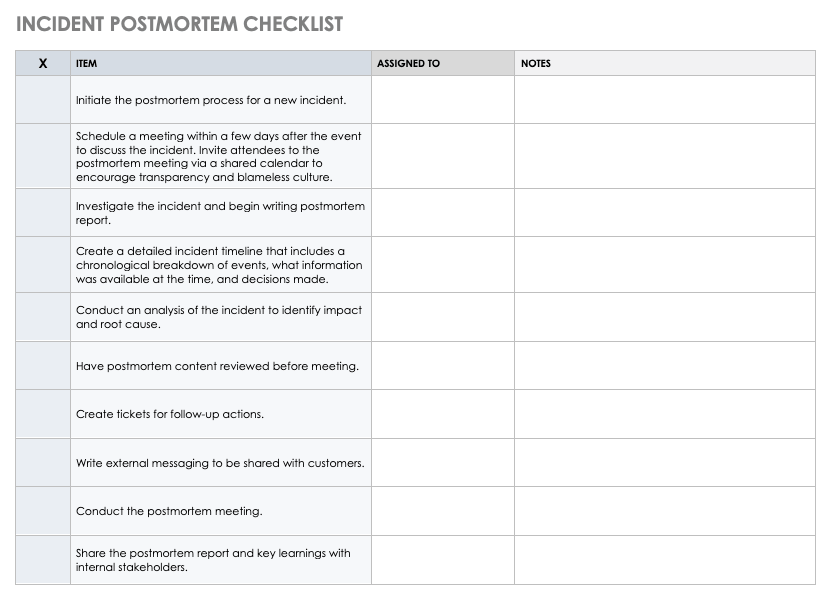
Step 8: Test the plan. Tabletop exercises can reveal missing contacts, unrealistic response times, ambiguous authority, weak escalation rules, and communication gaps without waiting for a real incident. CISA recommends establishing a testing process, conducting tests, recording results, and improving the plan based on findings.
Step 9: Establish a review cycle. Review the plan after significant incidents, organizational changes, major technology changes, supplier changes, exercises, or changes in business priorities. Version control should show what changed, who approved the revision, and when the next review is expected.
Common mistakes to avoid
One common mistake is writing a plan that is too generic. A document that says “notify management,” “investigate the issue,” and “restore service” provides little operational value. Each instruction should answer who acts, what triggers the action, what authority is required, what information must be recorded, and what happens next.
Another mistake is confusing incident management with root-cause analysis. The immediate goal of incident management is to control impact and restore an acceptable level of service or operation. Root-cause analysis is usually a deeper investigation that may continue after restoration. Combining them into one process can delay recovery if responders wait for complete causal certainty before taking practical mitigation steps.
A third mistake is relying on named individuals rather than roles. People leave teams, change responsibilities, take leave, or become unavailable. Role-based planning is more resilient. Maintain current contact information separately and define deputies or backup responsibilities for critical roles.
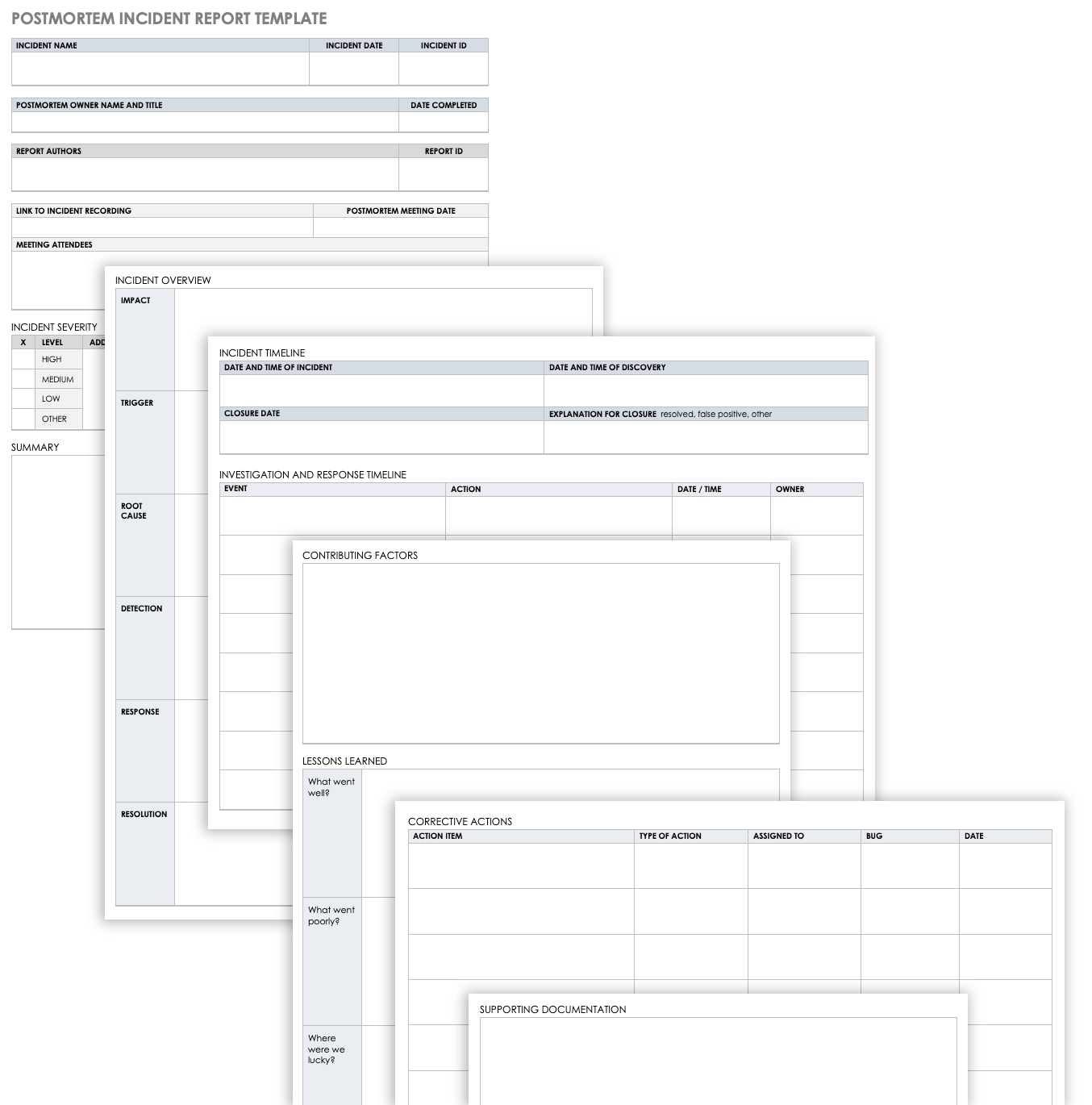
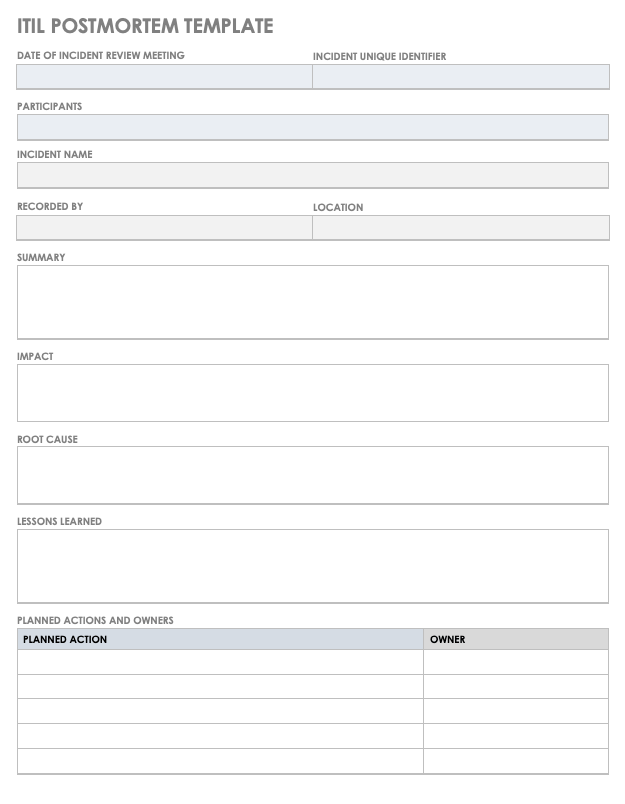
Another frequent weakness is failing to connect corrective actions to owners and deadlines. A post-incident review that identifies improvements without assigning accountability may produce little change. Corrective actions should have a clear owner, expected completion date, status, and validation method. The plan should also explain how overdue actions are escalated.
Practical Solution
The most practical way to build an incident management business plan Template is to start with a compact operational core and expand it only where the organization has a genuine need. Begin with purpose and scope, then define incident categories, severity criteria, roles, escalation, communications, response stages, recovery coordination, documentation, metrics, testing, and review. Each section should answer a decision question. If a paragraph does not help someone decide what to do, who should act, or what information should be captured, consider removing it.
Next, create a small set of supporting records rather than forcing everything into one document. Use an incident register for structured event history, an incident report for narrative detail, an action tracker for corrective work, a contact sheet for response roles, and specialized playbooks for recurring scenarios. This layered approach keeps the main plan readable while still giving responders enough operational detail. It also makes updates easier because a change to one procedure does not require rewriting the entire business plan.
Finally, validate the plan through a realistic tabletop exercise. Select a scenario that could materially affect the organization and walk through detection, classification, escalation, communication, response, recovery, and closure. Record every ambiguity or delay. Then revise the plan based on what the exercise revealed. Repeat this process after major incidents and organizational changes. The strongest plan is not the longest document; it is the one that people can understand quickly, use under pressure, test regularly, and improve using evidence.
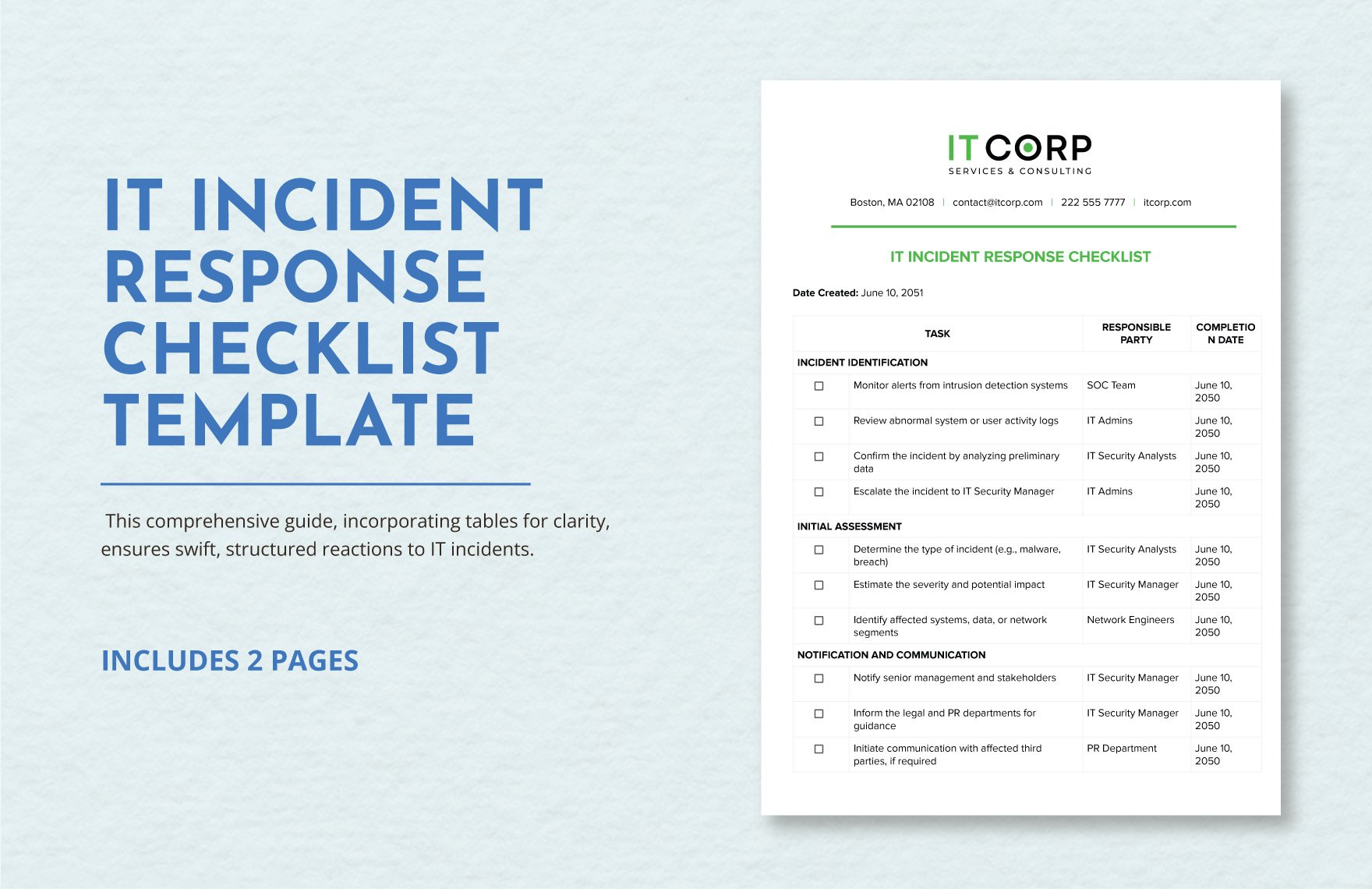
For teams evaluating resources, an incident management business plan template free option may be a useful starting point for structure, while an incident management business plan template free download search often reflects a desire for a ready-made document. Treat externally sourced templates as starting frameworks rather than organization-specific requirements. Adapt terminology, escalation thresholds, approval authority, business processes, and regulatory considerations to the actual environment.
Likewise, an incident management business plan template download search does not by itself indicate that a particular resource is suitable for a specific organization. Before adopting any external template, check whether it clearly defines ownership, severity, escalation, communications, recovery, documentation, metrics, testing, and review. The right structure is the one that supports the organization’s actual response model rather than simply matching a preferred file format.

An organization may also use a dedicated incident management form template for initial reporting, while an incident management template excel register handles structured tracking. These tools work best when their field definitions are aligned. For example, the severity field in the reporting form should use the same definitions as the incident register and dashboard. Consistency across records is essential for reliable reporting.
For formal procedures, an incident management process template word document can describe the workflow in narrative form, including responsibilities, inputs, outputs, decision points, escalation, and closure. The document should identify where other records are maintained rather than duplicating every operational field. This creates a manageable documentation system that can evolve as the organization’s incident capability matures.
Reference Examples
An incident management business plan Template is easier to evaluate when its structure can be compared with real examples of incident workflows, reports, matrices, dashboards, and post-incident records. The most useful references show how organizations turn abstract concepts such as severity, ownership, escalation, recovery, and lessons learned into visible fields or process stages. When reviewing an example, focus on whether the structure makes decisions easier, captures the information needed during response, and supports later analysis. A visually polished document is not automatically a strong plan; clarity, accountability, completeness, and practical usability matter more than decorative design.
The following visual references illustrate different components that can inform an incident management business plan Template. Some show lifecycle workflows, while others demonstrate report forms, escalation structures, postmortem records, root-cause analysis, and command organization. They should be treated as reference material rather than universal standards. The appropriate design depends on the organization’s services, risks, operating model, governance arrangements, and continuity objectives. Comparing several formats can help planners identify which fields and visual structures are genuinely useful before creating an internal version.

NIST Incident Response Workflow Diagram
Source: Wikimedia Commons / NIST

ICS Organizational Chart
Source: FEMA Emergency Management Institute
Incident Log Template Overview
Source: Quadratic

Incident Management Process Flowchart
Source: Template.net
Incident Communication Matrix
Source: ClearFeed

Sample Incident Report Form
Source: Studocu
Cyber Incident Response RACI Chart
Source: Concertium
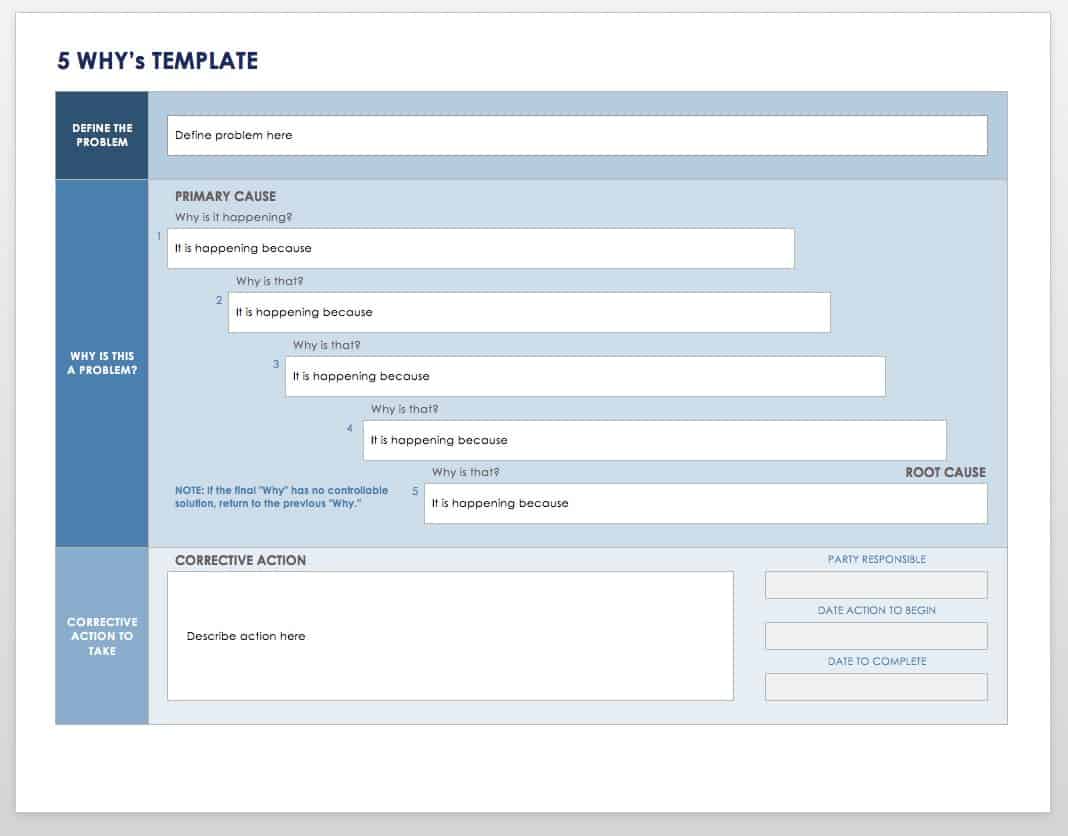
5 Whys Template
Source: Smartsheet
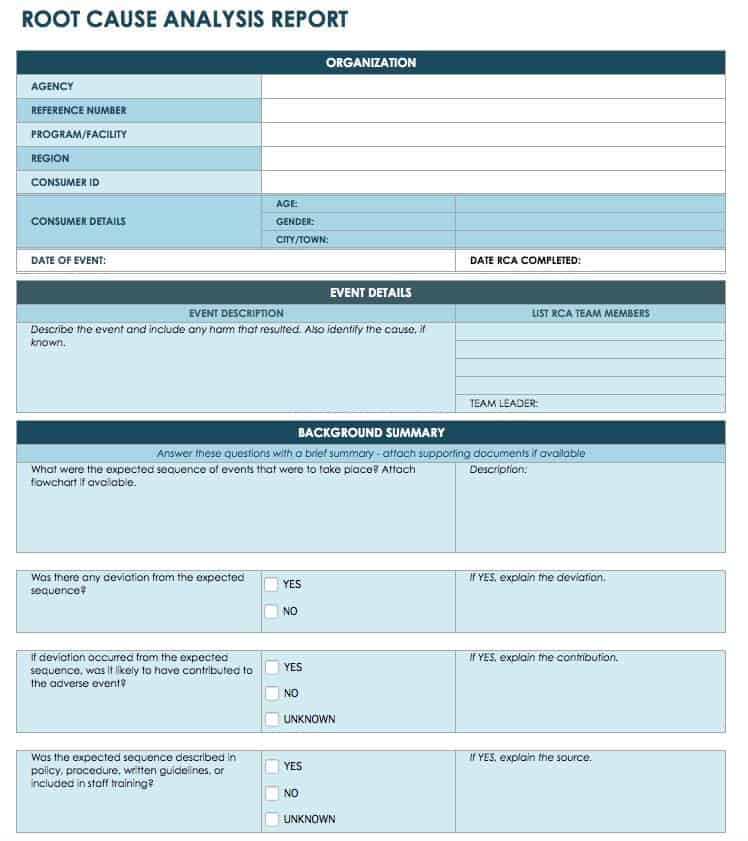
Root Cause Analysis Report
Source: Smartsheet
NIST Incident Response Lifecycle
Source: Wikimedia Commons / NIST
