A digital marketing agency needs a compensation framework that reflects the way agency work is actually delivered: through specialized skills, client responsibility, billable capacity, campaign performance, business development, retention, and operational leadership. A well-structured package gives an employee a clear picture of base pay, variable pay, benefits, review timing, and the conditions attached to incentives. The primary goal is not to make every role look identical. It is to create a consistent method for deciding what each role receives and why.
The phrase digital marketing agency compensation package Template is commonly used by agency owners, HR teams, recruiters, and managers who want a repeatable structure rather than a collection of ad hoc salary decisions. The most useful version combines an employee-facing statement with an internal planning sheet. The employee-facing section should be easy to understand, while the internal model should help leaders compare roles, forecast payroll, evaluate incentives, and document decisions.
Current compensation guidance consistently treats total compensation as broader than base salary. A package can include salary, commissions, performance bonuses, employer-paid benefits, paid leave, retirement contributions, professional development, allowances, and other agreed rewards. For an agency, the framework also needs to distinguish controllable individual outcomes from shared business results so that incentives do not accidentally reward behavior that harms client service or margins.
What a digital marketing agency compensation package should accomplish
The first purpose is clarity. An employee should be able to identify the fixed component of pay, the variable component, the benefits supplied by the agency, the timing of reviews, and the conditions that determine any incentive. Ambiguous language such as “bonus based on performance” is rarely sufficient because performance can mean campaign results, utilization, client retention, revenue, profit, quality, leadership, or a combination of these factors. A strong template names the metric, measurement period, weighting, eligibility rule, and payout timing.
The second purpose is consistency. Agencies often contain very different roles, from paid media specialists and SEO strategists to account managers, content specialists, designers, analysts, sales staff, and department leaders. Their work cannot be evaluated through one identical formula. Consistency therefore means using the same decision architecture while allowing role-specific metrics. The framework can standardize fields such as job level, salary range, target incentive, review cycle, benefits, and approval authority while allowing each role to have its own performance measures.
The third purpose is financial control. Compensation is one of the largest recurring costs in many service businesses, so the agency needs a package that can be understood at both employee and company level. Internal planning should consider base payroll, expected variable compensation, employer-paid benefits, planned increases, hiring assumptions, and the effect of utilization or margin changes. A compensation statement can show the employee the value of the package without exposing confidential internal calculations for other employees.

Core components to include
A practical package normally starts with employee and role information. Include the employee name, position, department, job level, manager, employment status, start date, currency, and pay frequency. For an agency with multiple locations, include the employing entity and country because benefits, payroll practices, taxes, and mandatory contributions can vary by jurisdiction. This administrative layer makes the rest of the document easier to audit and update.
Base compensation should then be stated separately from variable compensation. Base pay is the predictable amount associated with the role and agreed working arrangement. Variable pay can include sales commission, project incentives, campaign-performance bonuses, team bonuses, or profit-sharing. Separating these categories prevents an attractive theoretical earning figure from being mistaken for guaranteed pay.
Benefits deserve their own section rather than being hidden in a footnote. Depending on the agency and jurisdiction, the package may include health coverage, retirement or pension contributions, paid leave, parental leave, professional development funding, equipment allowances, communication allowances, flexible scheduling, or other benefits. The template should distinguish employer-paid value from amounts deducted from employee pay, and should identify which items are statutory, contractual, or discretionary.

Base salary
Base salary should be tied to the agency’s role architecture. A useful structure has job families and levels, such as specialist, senior specialist, manager, senior manager, and director, with role-specific expectations at each level. Salary ranges can then be established for each level using relevant market evidence, internal equity, experience, scope, and the agency’s financial capacity. The range is a decision tool, not a promise that every employee will receive the midpoint.
For digital marketing roles, the role profile should describe the scope of responsibility rather than relying only on a title. A paid media specialist responsible for a narrow campaign portfolio may have a different scope from a performance marketing lead managing strategy, budget, client communication, and junior staff. A compensation template becomes much more useful when the salary decision can be traced to role scope, level, skills, and sustained contribution.
Variable pay, bonuses, and commissions
Variable pay is especially relevant in agencies because some roles influence measurable commercial outcomes more directly than others. Sales roles may use commission, while account leadership may use bonuses tied to retention, margin, or client satisfaction. Specialists may receive incentives based on measurable campaign or delivery goals. The safest approach is to reward outcomes the employee can reasonably influence rather than making one person’s payout depend entirely on agency-wide revenue.
Every variable-pay formula should specify its measurement period and calculation method. A useful plan might define a target incentive, a threshold below which no payout occurs, a target level, and a maximum payout. The numbers in a working template should be treated as examples rather than universal standards. Agencies should set percentages only after considering margins, cash flow, role economics, local employment rules, and the behavior the incentive is intended to encourage.

Commission plans require additional precision. State what counts as commissionable revenue, when a deal becomes eligible, whether refunds or cancellations affect the payout, how shared deals are credited, and when commissions are paid. For recurring retainers, define whether commission is based on signed contract value, collected revenue, gross profit, or another agreed measure. Avoid a formula that rewards selling work that the delivery team cannot profitably fulfill.

How to design role-specific compensation
Start by grouping agency roles into job families. Typical families include business development, account management, paid media, SEO, content, creative, analytics, operations, and leadership. Each family should have a clear purpose and a small set of measurable outcomes. The compensation framework can then assign a different balance of fixed and variable pay to each family without creating an entirely different philosophy for every employee.
Account managers, for example, may influence client retention, account profitability, scope control, relationship quality, and delivery coordination. A plan that rewards only revenue could encourage unnecessary upselling or poor-fit work. A better model can combine client retention or satisfaction with profitability and operational discipline. The exact metrics and weights should be chosen by the agency based on its service model and the employee’s actual authority.
Paid media and SEO specialists require a different approach. Their metrics may include campaign quality, agreed client outcomes, testing discipline, reporting accuracy, delivery timeliness, and contribution to account profitability. However, not every outcome should be converted into a personal bonus. External market changes, client decisions, tracking limitations, and budget changes can affect results. A balanced scorecard can reduce the risk of paying or withholding incentives for events outside the employee’s reasonable control.

Sales compensation should be treated separately because the commercial cycle and risk profile are different. A sales plan should clarify lead ownership, qualified opportunities, closed business, collections, cancellation treatment, and commission timing. For agency sales, gross margin or delivery feasibility may be useful safeguards. A commission that ignores fulfillment economics can increase top-line revenue while creating operational strain, so the plan should connect commercial incentives to sustainable business.

Choosing a template format
The best format depends on the purpose. A document format is useful for an offer or employee-facing statement because it supports clear narrative explanations, signatures, and policy language. A spreadsheet is better for internal planning because it can compare roles, model scenarios, calculate incentives, and summarize payroll. A PDF is useful when a finalized statement needs to be preserved as a stable record, while a collaborative document can be practical for review and drafting.
People searching for a digital marketing agency compensation package template free often want a starting structure rather than a legally binding policy. The important distinction is between a sample framework and a finalized employment document. A sample can provide fields and layout, but the agency still needs to customize pay rules, benefits, review dates, incentive definitions, and jurisdiction-specific terms.
Search behavior also varies by format and audience. Someone entering digital marketing agency compensation package template free download is often looking for a ready-made starting structure, while someone searching digital marketing agency compensation package template uk may be checking whether a model can be adapted to UK employment conditions. Neither query should be interpreted as evidence that one universal document is suitable for every agency. The responsible approach is to inspect the structure, verify the assumptions, and adapt the final compensation policy to the organization and jurisdiction.
For spreadsheet users, a digital marketing agency compensation package template excel can be organized into separate sheets for role architecture, salary ranges, employee records, incentive calculations, benefits, and management summaries. A digital marketing agency compensation package template excel free may be useful as a structural reference, but the formulas should be reviewed before relying on them for payroll decisions. The same principle applies to a digital marketing agency compensation package template google docs or a digital marketing agency compensation package template word: format is secondary to correct policy logic.

A digital marketing agency compensation package template pdf is best treated as a presentation or record format when the numbers and terms have already been reviewed. A digital marketing agency compensation package template download may appear convenient in search results, but the quality of the underlying structure matters more than the file type. Likewise, a digital marketing agency compensation package template UK should be adapted to the relevant UK employment and payroll context rather than copied from another jurisdiction without review.
Building the internal compensation model
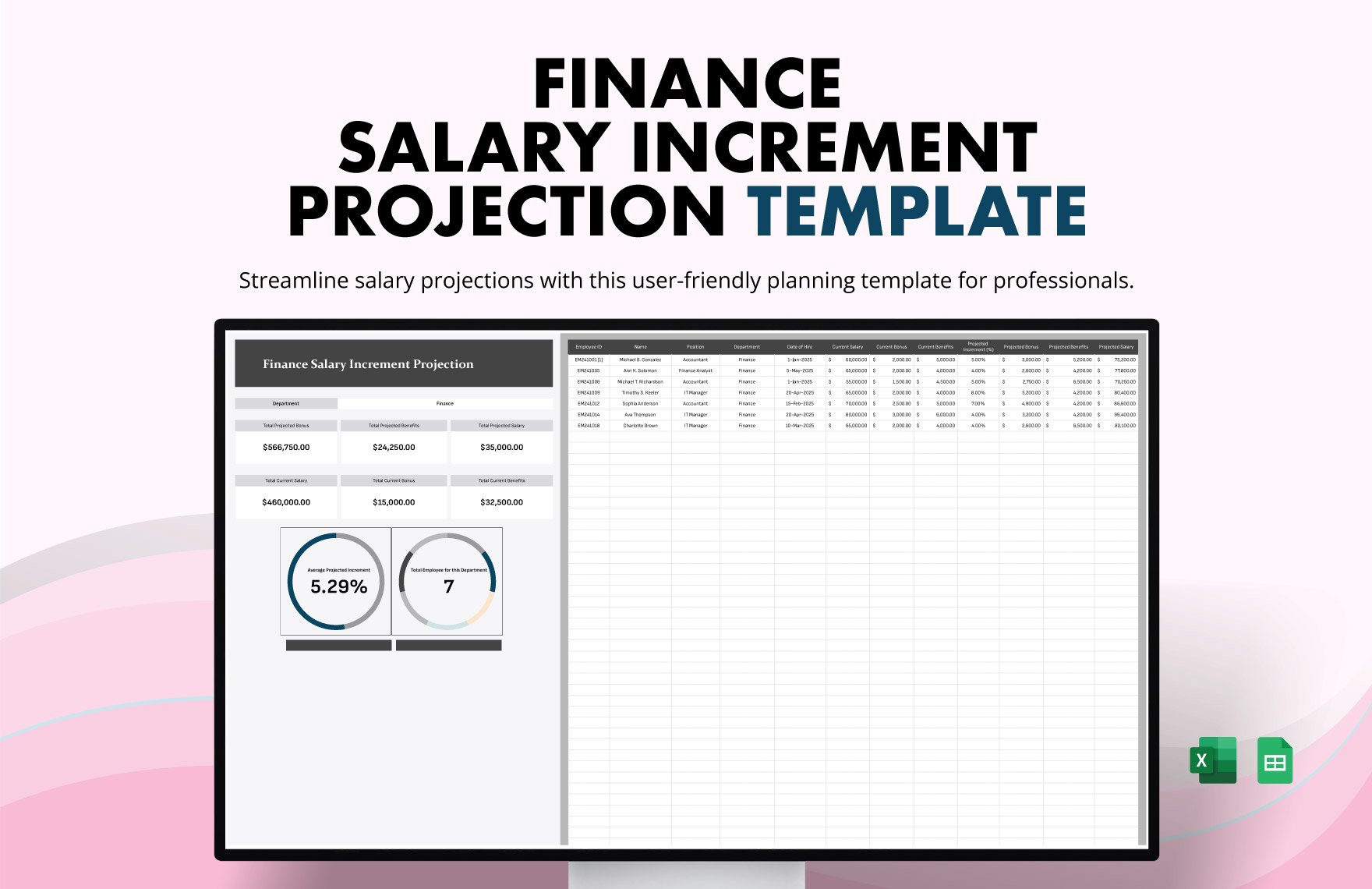
The internal model should contain a master role list with job family, level, salary range, target incentive, and approval owner. A second section can contain employee-level records, including current salary, position, performance rating, proposed adjustment, and effective date. A third section can summarize the payroll impact of proposed changes. Separating inputs from calculations makes the model easier to review and reduces the risk of changing a formula accidentally.
Market benchmarking should be handled carefully. External salary data can help establish a reference point, but market figures are not automatically comparable. Differences in geography, company size, specialization, client mix, seniority, employment status, and benefits can materially change the value of a role. Use multiple relevant sources where possible and record the source date, geography, role definition, and assumptions so that the benchmark can be revisited later.

Internal equity is equally important. Two people performing substantially similar work should not receive materially different treatment without a documented reason. Legitimate differences can include level, scope, sustained performance, scarce skills, location, or changes in role. A compensation model can make these differences visible and help leaders distinguish a genuine pay gap from a difference that is explained by role architecture.

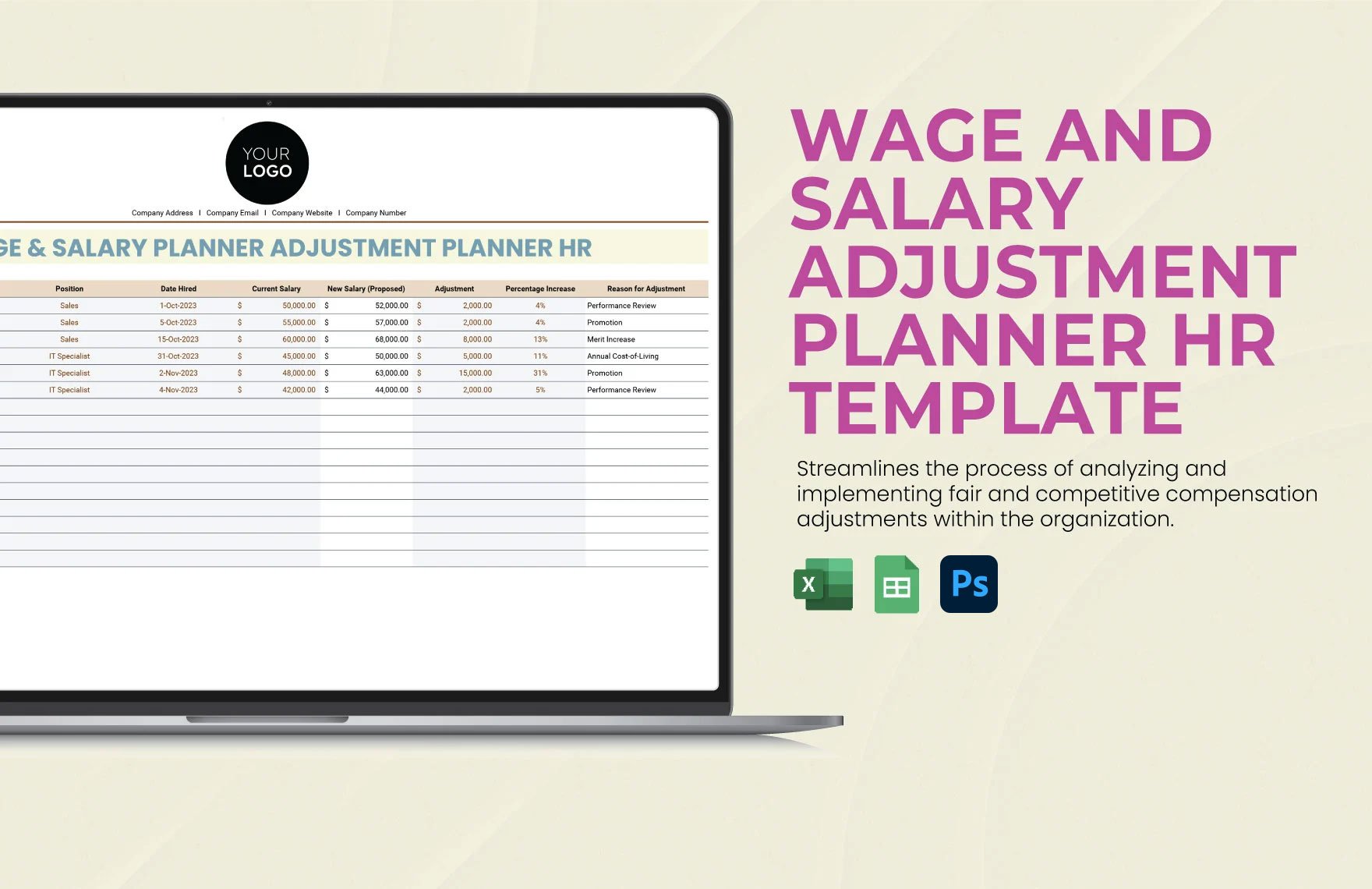
Salary reviews should also be separated from automatic tenure increases. An annual review can consider performance, market position, role changes, internal equity, and budget capacity. A promotion should normally reflect a change in role scope rather than simply the passage of time. A template can include a reason code such as market adjustment, promotion, merit increase, or correction so that the organization can analyze patterns across review cycles.
Using performance metrics without creating bad incentives
Performance metrics should be close enough to the employee’s work that the person can understand how their decisions affect the result. Agency-wide revenue is usually too distant to serve as the only metric for a junior specialist. At the same time, a purely individual metric can encourage siloed behavior. A balanced structure can combine individual contribution, team performance, and selected business outcomes.
For example, an agency might create a hypothetical quarterly bonus score using 50 percent role-specific delivery quality, 30 percent client or team outcome, and 20 percent agency financial performance. Those percentages are only an example of how a framework can be constructed; they are not a recommended universal formula. The agency should test whether the measures are controllable, auditable, understandable, and aligned with the behaviors it actually wants.

Quality controls are important when metrics are used for pay. If a KPI can be improved by sacrificing another important outcome, the plan is incomplete. For example, maximizing billable hours without considering client satisfaction or project margin can create unhealthy pressure. Similarly, rewarding leads without considering lead quality can increase sales volume while reducing conversion or increasing delivery costs. Compensation should therefore be reviewed as a system rather than as a collection of isolated metrics.

What to put in the employee-facing statement
An employee-facing statement should be simpler than the internal planning workbook. Start with the role, base salary, pay frequency, and effective date. Then explain target variable pay and the conditions for earning it. If the incentive is discretionary, say so. If it is formula-based, summarize the formula in plain language and identify the measurement period. The goal is for an employee to understand the package without needing to inspect the company’s entire compensation model.
Benefits should be presented in a way that makes their value understandable without overstating uncertain amounts. If the agency pays a fixed employer contribution, state the contribution clearly. If a benefit depends on enrollment, eligibility, or usage, explain the condition. If a benefit has a monetary value that changes, avoid presenting a variable estimate as guaranteed compensation.
The statement should also identify review timing. A review date is not necessarily a promise of a raise; it is a promise that the compensation will be evaluated according to the organization’s stated process. Clear review language can reduce misunderstandings and give managers a consistent basis for future conversations.

Common mistakes agencies should avoid
The first mistake is using one incentive formula for every role. Sales, delivery, account management, creative, and leadership roles have different responsibilities and different levels of control over commercial outcomes. A universal formula may appear fair because it is identical, but identical treatment is not always equitable treatment. The better approach is a shared framework with role-specific measures.
The second mistake is making the package too complicated. If an employee cannot explain how a bonus is calculated, the plan is unlikely to build confidence. Complexity can also increase disputes because managers may interpret the same rule differently. Use a small number of well-defined measures and document exceptions rather than adding layers of conditional logic for every possible scenario.

The third mistake is ignoring agency economics. A generous incentive can become unsustainable if it is based on revenue that has low margin or has not yet been collected. Compensation planning should therefore consider gross margin, cash timing, delivery capacity, and recurring versus project revenue. The objective is not to minimize employee rewards; it is to create rewards the agency can honor consistently.

The fourth mistake is failing to review the plan. A compensation structure can become outdated when service lines change, new roles are introduced, client economics shift, or the agency expands into another country. Set a regular review cycle for the framework itself. Document what changed, why it changed, who approved it, and when the new rules become effective.
How to evaluate resources and examples
Searchers may encounter a digital marketing agency compensation package template reddit while comparing real-world experiences from agency owners and employees. Community discussions can be useful for discovering questions that formal HR resources sometimes overlook, such as utilization targets, project upsells, bonus timing, or the relationship between salary and billable work. However, anecdotal comments should be treated as experience reports rather than universal standards. A plan should be adapted to the agency’s own economics, roles, and employment context.
A digital marketing agency compensation package template repo may also appear when someone is looking for a reusable spreadsheet or document stored in a public code repository. Before relying on any repository material, check the author, revision history, license, formulas, assumptions, and last update. A repository can provide a useful starting architecture, but it does not automatically establish that the structure is accurate, compliant, or appropriate for a particular agency.
The phrase digital marketing agency compensation package template overview is useful when someone needs to understand the structure before choosing a format. A good overview should answer five questions: what is guaranteed, what is variable, what benefits are included, how performance is evaluated, and when the package is reviewed. If an example does not make those points clear, it may be visually polished but operationally weak.
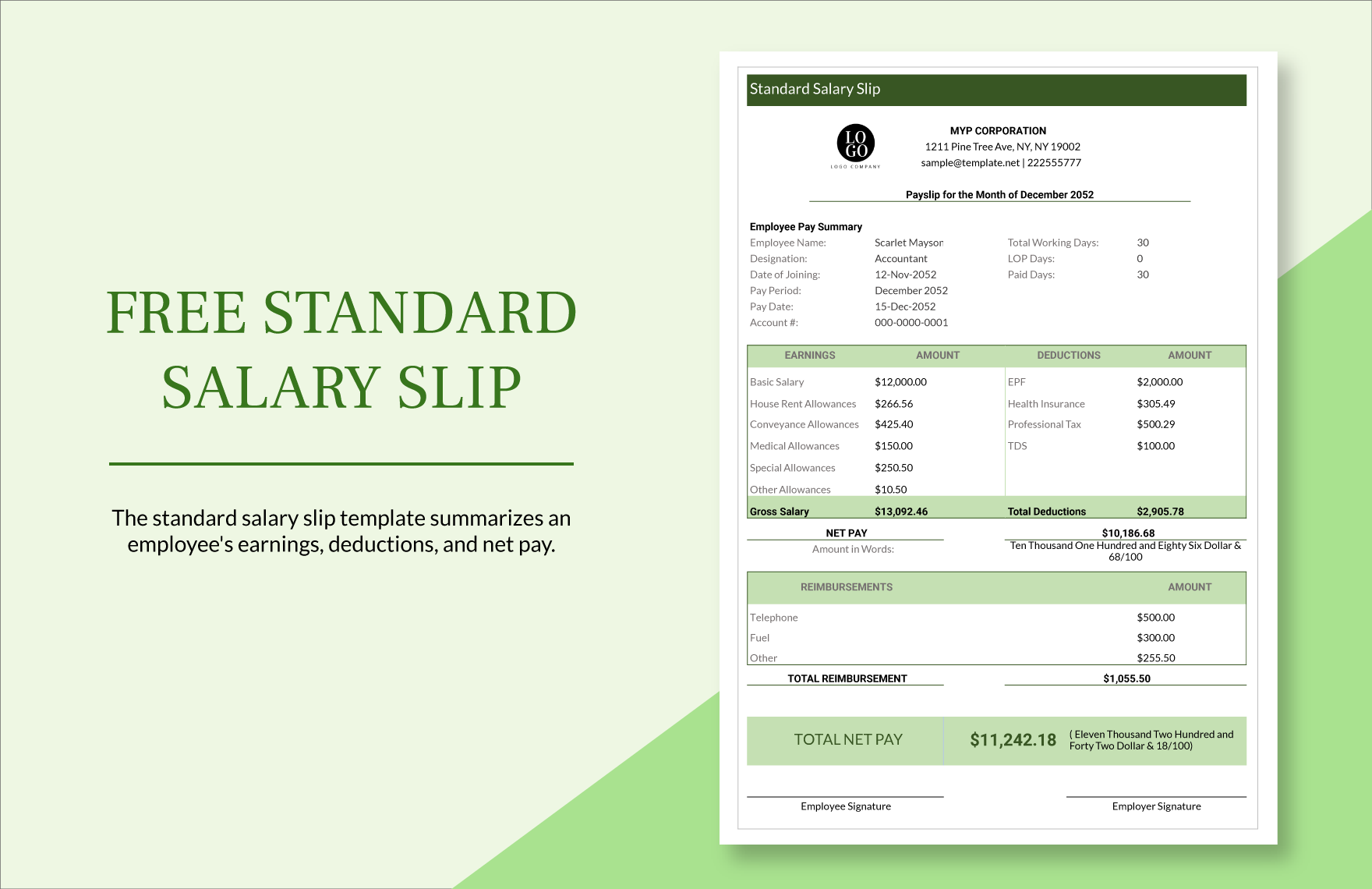
A small agency can keep the first version deliberately simple. Start with a role-level salary range, a target incentive, the benefits actually offered, and a documented review process. Once the agency has enough historical data, it can add more sophisticated elements such as market positioning, salary compression analysis, incentive forecasting, and budget scenarios. Complexity should be earned by a real management need rather than added because a template contains more fields.
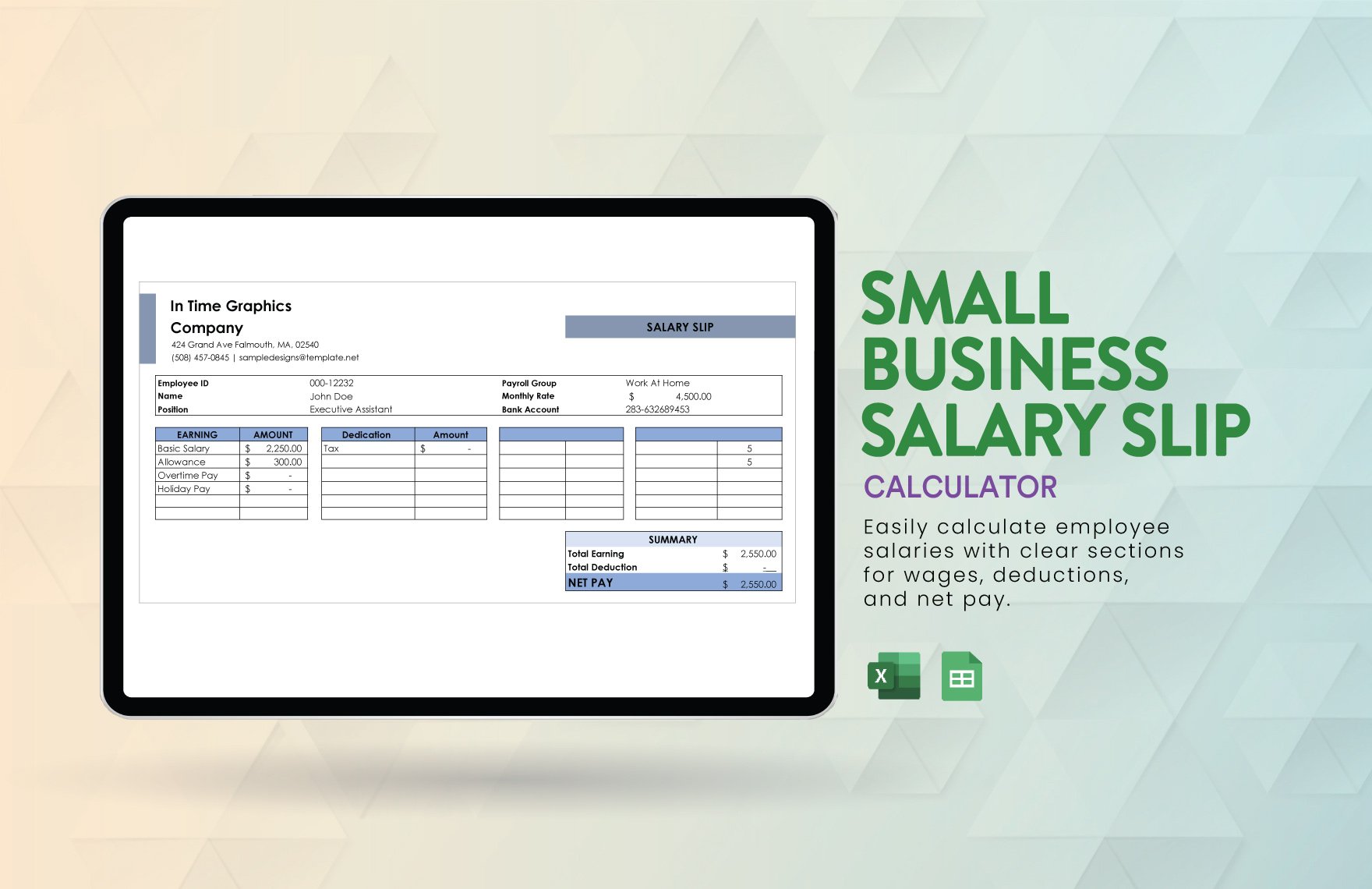
For managers, the most useful output is often a one-page summary that answers what the employee earns, what may change, why it may change, and when the next review occurs. For finance, the useful output is a deeper planning view showing total payroll exposure, incentive scenarios, and budget impact. Maintaining these two views from the same source data reduces inconsistencies between an employee statement and the internal compensation plan.

Before a compensation cycle begins, run a quality check on every formula and every policy dependency. Confirm that salary ranges use the correct currency, incentive calculations use the intended period, benefits are labeled correctly, and proposed changes have the required approval. A short review checklist can prevent small spreadsheet errors from becoming repeated payroll or employee-relations problems.

Practical Solution
Start by creating one master compensation framework for the agency. Define job families, levels, salary ranges, target variable pay, benefit categories, review timing, and approval roles. Then create role-specific scorecards for sales, account management, paid media, SEO, content, creative, analytics, and leadership. Keep each scorecard short enough that a manager can explain it in a few minutes. The framework should be stable while the role metrics can evolve as the agency changes.
Next, build an internal workbook with separate sections for role architecture, employee data, salary planning, incentive calculations, benefits, and management reporting. Protect calculation cells, document assumptions, and use a change log. Test the formulas with hypothetical cases before using real employee records. For each variable-pay rule, test a below-target case, a target case, an above-target case, and an exception such as a cancellation or client change.
Finally, create a clean employee-facing statement from the approved data. Show base pay first, then variable-pay terms, benefits, review timing, and important conditions. Before issuing it, have the responsible HR, finance, or legal reviewer confirm that the wording matches the agency’s actual policy and local requirements. This workflow separates design from communication and makes it easier to keep the package accurate as salaries, benefits, and incentives change.

For a practical starting structure, the document can use these fields: employee and role information; base salary; pay frequency; target bonus or commission; incentive formula; eligibility conditions; benefits and employer contributions; review date; effective date; approval fields; and notes for exceptions. The internal version can add market reference data, salary range position, budget impact, projected variable compensation, and audit notes. Keeping the employee and internal versions separate improves clarity without sacrificing governance.

When comparing formats, prioritize maintainability over appearance. A document that looks impressive but requires manual calculations can create more risk than a simple spreadsheet with transparent formulas. Likewise, a spreadsheet with complex formulas but unclear definitions can be difficult to audit. The strongest digital marketing agency compensation package Template is therefore the one that people can understand, maintain, review, and explain consistently across hiring, annual reviews, promotions, and incentive cycles.

A compensation package should ultimately connect three perspectives: the employee’s understanding of their rewards, the manager’s ability to evaluate performance fairly, and the agency’s need for sustainable economics. When those perspectives are designed together, the template becomes more than a form. It becomes a repeatable decision framework that supports hiring, retention, career progression, budgeting, and transparent compensation conversations.
Reference Examples
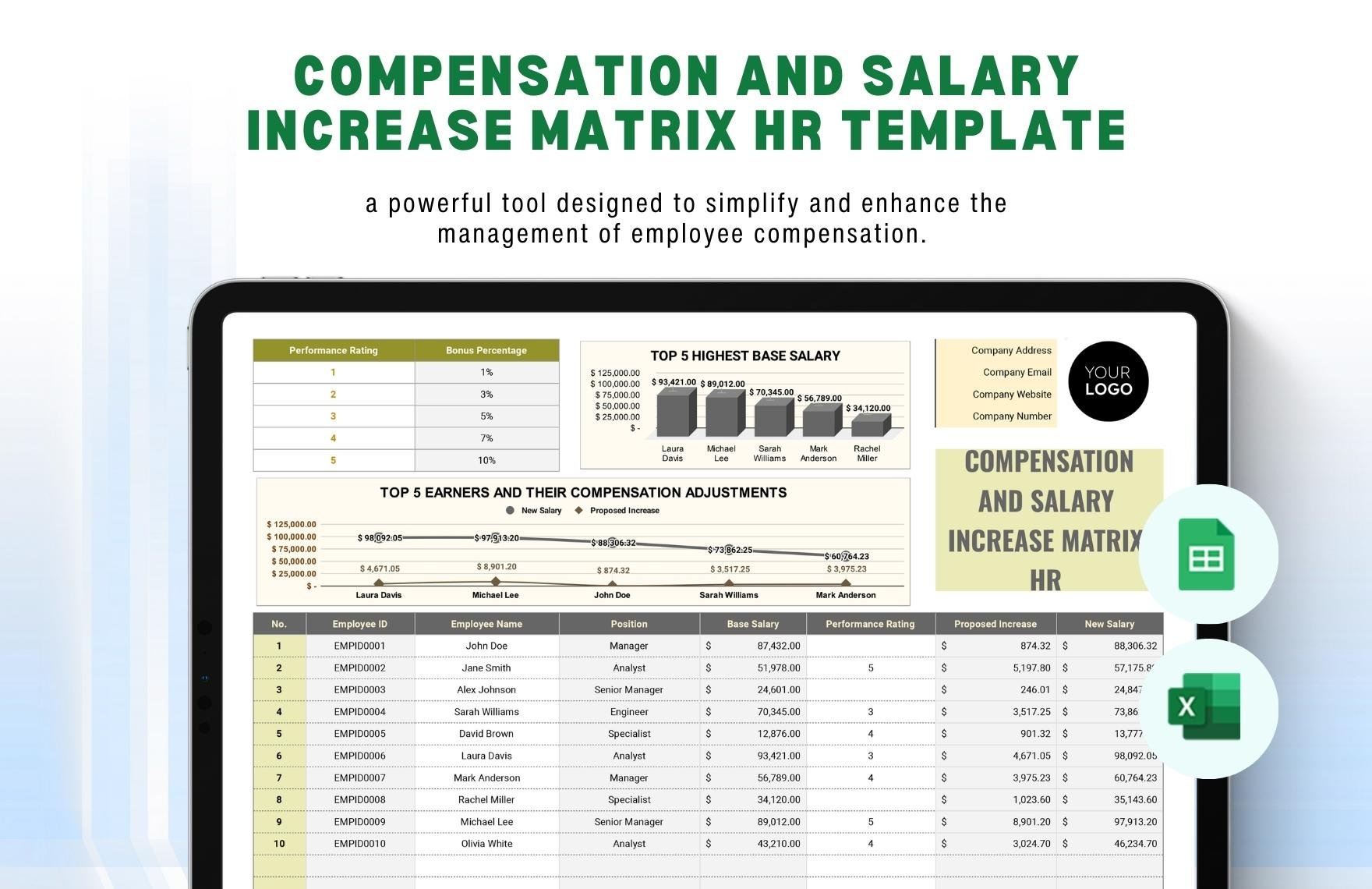
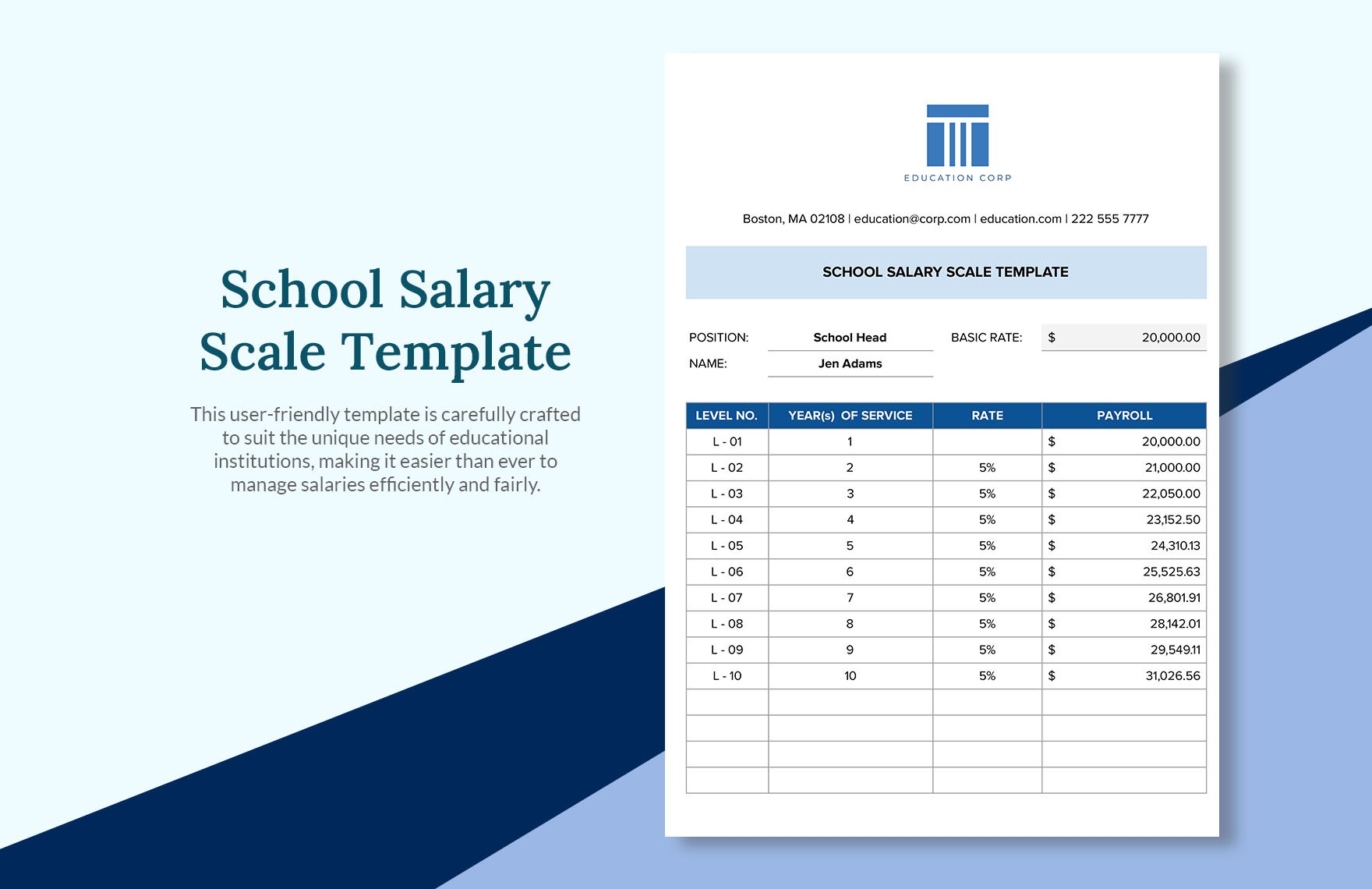
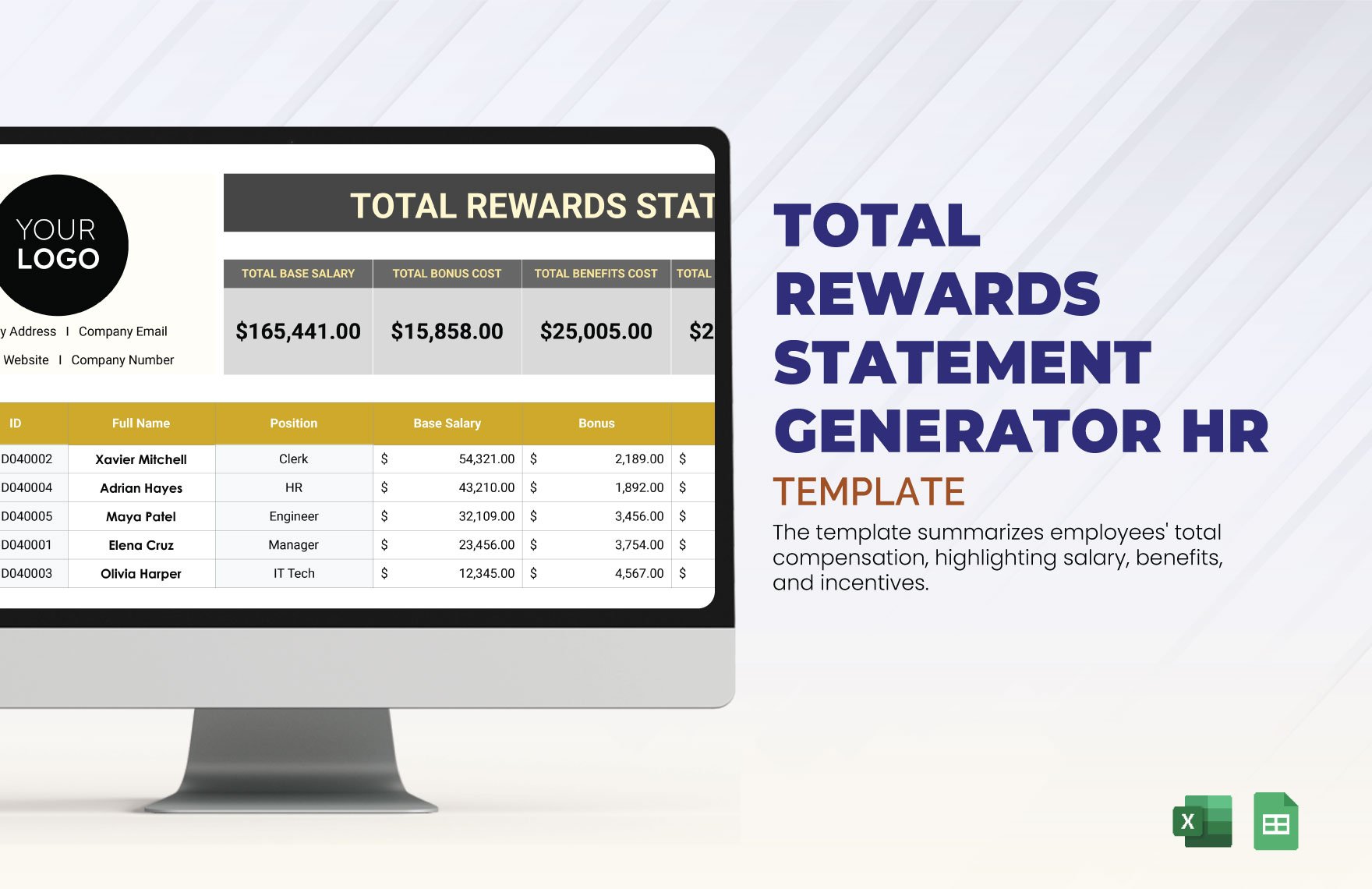
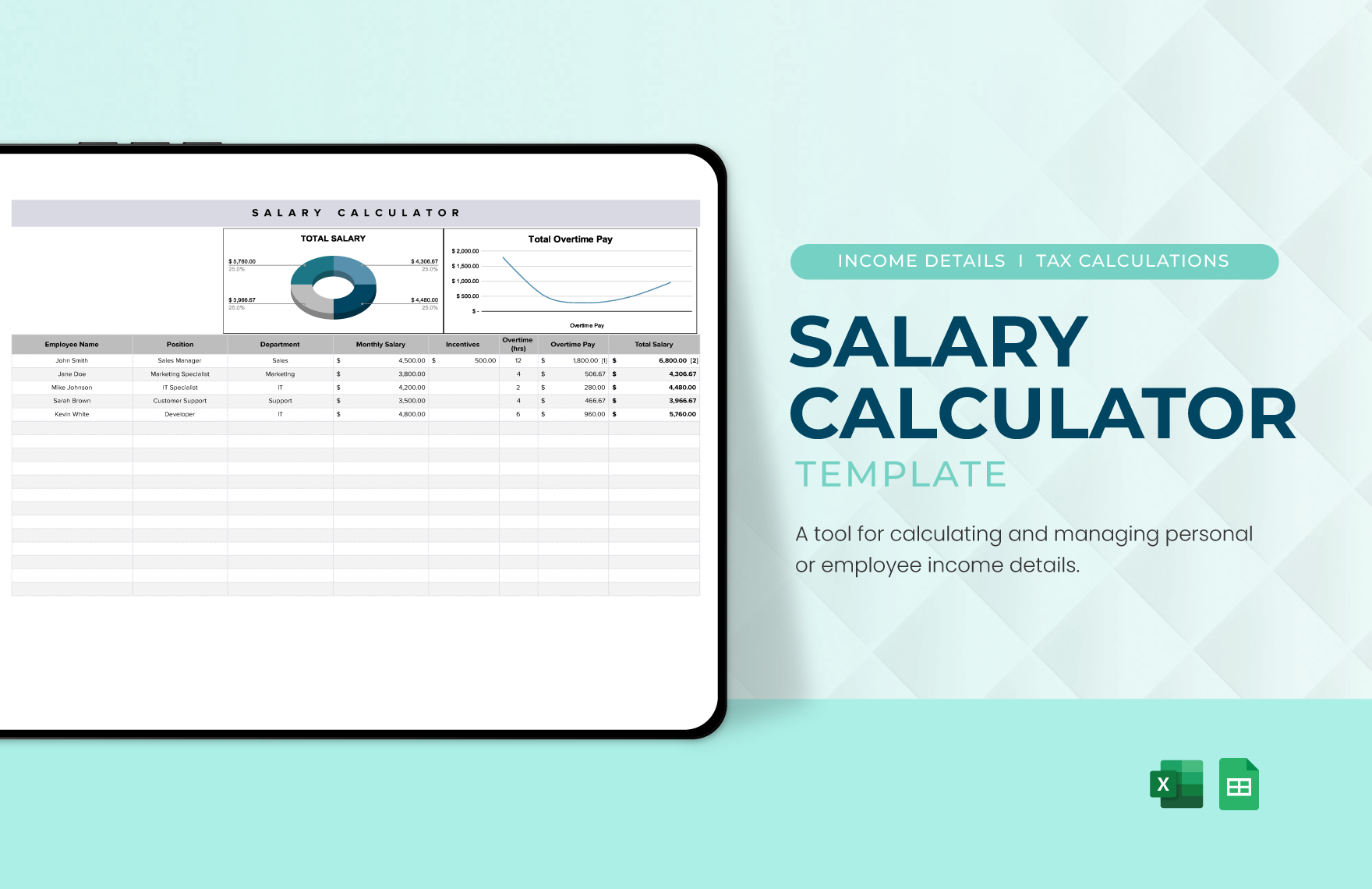
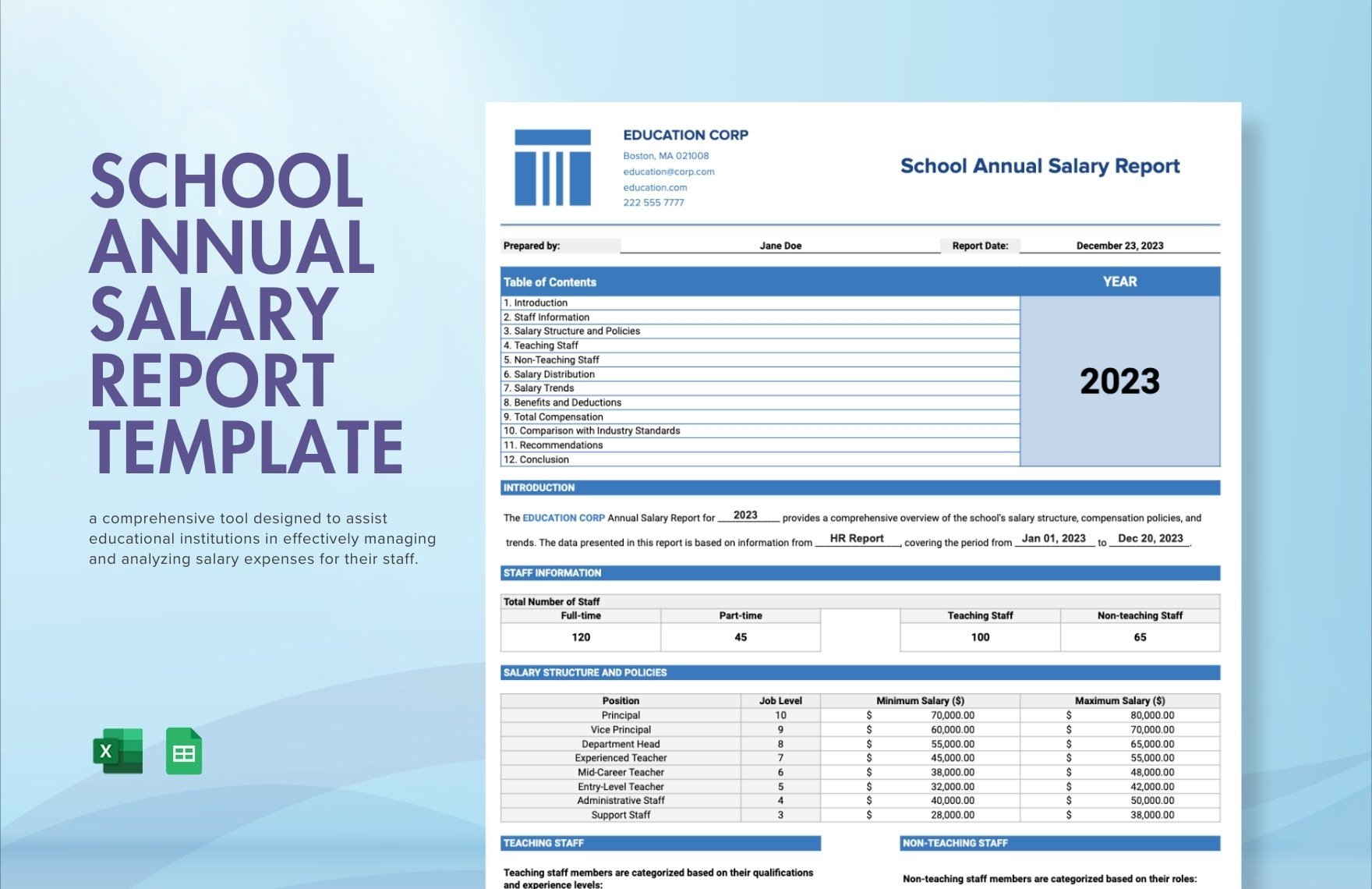
The following visual references show the kinds of structures that can inform a digital marketing agency compensation package Template. They include salary planners, bonus documents, pay-range worksheets, compensation statements, and employee-facing pay notices. These examples are useful because they demonstrate different ways to separate base pay, variable compensation, benefits, eligibility conditions, and supporting information. They should be treated as reference designs rather than as universal policies. An agency can borrow the organizational logic while changing the fields, formulas, terminology, and review rules to fit its own roles, business model, workforce, and jurisdiction.
When reviewing these examples, look beyond colors and layout. The most useful visual reference is one that makes compensation categories easy to distinguish and shows how a reader would move from employee information to pay components, incentives, benefits, and totals. For a digital marketing agency compensation package Template, pay-range examples can help with internal structure, while bonus and total-reward statements can help with employee communication. The examples below also illustrate why a strong package separates guaranteed compensation from conditional rewards and records assumptions clearly enough for future review.

Employee Bonus Plan Template
Source: Template.net

Employee Bonus Plan Template — Objectives, Terms, and Compensation
Source: Template.net

Salary Range and Grade Structure Creator HR Template
Source: Template.net

Salary Range and Grade Structure Creator HR Template — Features
Source: Template.net

Salary Range and Grade Structure Creator HR Template — Worksheet
Source: Template.net

Total Rewards Statement Generator HR Template
Source: Template.net

Total Rewards Statement Generator HR Template — Features
Source: Template.net

Total Rewards Statement Generator HR Template — Statement View
Source: Template.net

Salary Increase Confirmation
Source: Letterin

Employee Compensation and Benefits Statement
Source: Letterin
