A commercial lease termination notice is a formal written communication used to state that a business tenancy will end on a specified date or under a specified contractual condition. The exact wording matters because commercial leases often contain detailed provisions covering notice periods, renewal options, default, early termination, surrender, delivery methods, and continuing financial obligations. A carefully prepared commercial lease termination notice Template can organize those details into a clear record while reducing uncertainty about who is terminating the lease, which premises are involved, and when the termination is intended to take effect.
Unlike a casual letter saying that a business is moving out, a proper notice should be tied to the governing lease. Commercial tenants and landlords should first identify the relevant clause, confirm the permitted termination event, calculate the contractual notice period, and determine exactly how notice must be delivered. A useful document also separates the termination itself from practical matters such as inspection, keys, access devices, utilities, insurance, outstanding rent, repairs, and security deposits.
Searches for phrases such as commercial lease termination notice template pdf, commercial lease termination notice template free, and commercial lease termination notice template word generally reflect a desire for a document that is easy to adapt. The important point, however, is that a visually polished form does not automatically satisfy the lease or applicable law. The template should be treated as a drafting framework, then checked against the actual agreement and the jurisdiction governing the transaction.


What a Commercial Lease Termination Notice Actually Does
The primary function of the notice is to create a clear written record of the terminating party’s position. Depending on the lease, it may communicate non-renewal at the natural expiration of the term, exercise an early termination right, respond to a contractual default, confirm a negotiated ending, or initiate a surrender process. These situations should not be treated as interchangeable because the contractual consequences and required wording may differ.
A termination notice also establishes an important timeline. It should identify the date on which the notice is issued, the date the lease is intended to terminate, and, where relevant, the date by which the premises must be surrendered. If the lease specifies a particular number of days or months, the sender should calculate the deadline carefully rather than simply inserting a convenient date. The lease may also specify when notice is deemed received, which can affect the calculation.
Another function is evidentiary. A well-organized notice can demonstrate what was communicated, when it was communicated, to whom it was addressed, and what contractual provision the sender relied upon. This becomes especially useful when the parties later disagree about the termination date, outstanding rent, condition of the premises, renewal rights, or whether the notice was properly served.


Key Information to Include in the Template
A strong template begins with accurate identification of the parties. Use the legal names appearing in the lease rather than relying only on a trade name or abbreviated business name. Identify the landlord or lessor, tenant or lessee, and any property manager or authorized representative who is expressly relevant to notice delivery. The mailing and physical addresses should be checked against the notice provisions in the lease.
The premises should be described precisely enough that there can be no reasonable uncertainty about which property is being terminated. Include the street address, suite or unit number, and other identifying information appearing in the lease. It is also useful to reference the date of the original lease and, where applicable, the amendment or renewal that governs the current term.
The central part of the notice is the termination statement. It should identify the effective termination date and explain the contractual basis without making unnecessary accusations. If the lease is simply reaching its natural expiration and the tenant does not intend to renew, say so. If an early termination right is being exercised, identify the relevant clause. If a default is involved, describe the contractual violation accurately and distinguish a notice to cure from an actual termination notice.
- Notice date: the date the document is issued.
- Party information: correct legal names and addresses.
- Premises: exact commercial property identification.
- Lease reference: original lease date and relevant amendments.
- Termination basis: expiration, non-renewal, contractual right, default, or negotiated ending.
- Effective date: the date the lease is intended to end.
- Surrender requirements: keys, access devices, possession, fixtures, and property condition.
- Final obligations: rent, charges, repairs, insurance, utilities, and other surviving duties.
- Contact information: a reliable method for arranging final procedures.
- Signature: the authorized signatory’s name and title where appropriate.


Different Reasons a Commercial Lease May End
One common situation is expiration without renewal. In that case, the parties may already know the contractual end date, but the lease may require advance written notice of an intention not to renew. A lease termination notice template used for this purpose should focus on the expiration date, the applicable non-renewal clause, and the steps required to surrender the premises.
Another situation involves early termination. A commercial lease may contain an express early termination right, a negotiated buyout provision, a termination option, or another contractual mechanism. The notice should not imply that the sender has a unilateral right to leave simply because the business no longer wants the premises. If the lease does not provide such a right, the parties may need to negotiate a separate termination or surrender agreement.
Default-based termination requires additional care. Nonpayment, unauthorized alterations, prohibited use, failure to maintain required insurance, or other breaches may trigger notice and cure procedures before termination becomes effective. A landlord notice to terminate commercial lease should identify the applicable lease provision and describe the breach accurately. The sender should not confuse a demand to cure with a final termination notice when the contract requires separate steps.


Tenant Notice Versus Landlord Notice
A commercial lease termination notice to tenant is generally written from the landlord or authorized property representative to the business occupying the premises. It should clearly state the legal basis for termination, the effective date, and the required surrender conditions. If the notice follows a breach, it should accurately reflect any prior notices and contractual cure requirements rather than treating the final letter as though it were the first communication.
A tenant’s notice has a different practical emphasis. The tenant usually needs to establish that it is exercising a contractual right, declining renewal, or proposing an agreed early exit. A tenant should confirm the notice period, identify the final occupancy date, and state how it intends to return possession. It should also ask for information about inspection, access credentials, final accounting, and any security deposit procedure where those matters are relevant.
Both parties should preserve the same basic discipline: use the legal names from the lease, quote or accurately describe the relevant provision, avoid ambiguous dates, and retain evidence of delivery. A lease agreement termination notice template can provide the structure, but the actual legal effect depends on the underlying agreement, applicable law, and the circumstances surrounding termination.


How to Draft the Notice Step by Step
Begin by reviewing the entire termination and renewal portion of the lease before writing the notice. Do not rely only on a summary or a remembered notice period. Check definitions, amendments, exhibits, addenda, renewal options, default provisions, notice clauses, and any provision dealing with holdover occupancy. Commercial leases can contain several documents that collectively determine the current contractual position.
Next, calculate the intended termination date from the actual notice requirements. For example, if the lease requires a specified number of days before the end of the term, work backward from the contractual date and account for the lease’s stated delivery method. Do not assume that sending an email automatically satisfies a notice provision that requires another method. If the calculation is uncertain, legal review is particularly valuable.
Draft the opening paragraph so that the purpose is immediately clear. A useful structure is: identify the lease, identify the premises, state the contractual basis, and state the effective termination date. The next paragraphs should explain the practical obligations that remain through termination, followed by instructions for surrender, inspection, keys, access devices, and final communications. Keep the tone professional even when the relationship has become contentious.
Finally, check every date, name, address, clause reference, and signature before delivery. The most polished template can still cause problems if the wrong entity is named or the effective date does not match the contractual calculation. Where the termination is disputed, involves substantial financial exposure, or follows an alleged breach, professional legal review can be more important than stylistic refinement.


State and Lease-Specific Considerations
There is no single nationwide notice period that should automatically be inserted into every commercial lease termination notice. Commercial leasing is heavily contract-driven, and the applicable rules can depend on the lease structure, the reason for termination, the property, the type of tenancy, and state or local law. The lease itself should therefore be the first document reviewed before selecting a notice period.
For Florida matters, extra care is appropriate because different legal regimes can apply to different types of leases. Florida’s commercial lease provisions in Chapter 680 address cancellation and termination of leases involving goods, while Chapter 83 contains landlord-tenant rules for certain tenancies at will. The Florida Legislature’s current materials therefore illustrate why a generic notice period should not automatically be transferred from one type of tenancy to another. :contentReference[oaicite:0]{index=0}
For Texas, Property Code Section 91.001 addresses termination of certain periodic tenancies and provides rules for month-to-month arrangements, while also recognizing that the parties can agree to a different notice period or no notice in an instrument signed by both parties. That is a useful reminder for anyone researching a commercial lease termination notice template texas: the actual commercial lease and its contractual provisions must be examined rather than assuming that a general residential-style rule controls. :contentReference[oaicite:1]{index=1}
For a commercial lease termination notice template california, the safest drafting approach is similarly to begin with the written lease, including its notice and renewal clauses, and then verify the applicable California rules for the particular transaction. The same principle applies when preparing a commercial lease termination notice template florida. A template can organize information, but it should not be presented as a universal state-law form.


Delivery, Proof, and Record Keeping
Notice delivery is not merely an administrative detail. Many commercial leases contain a dedicated notices clause identifying where notices must be sent, which delivery methods are recognized, when a notice becomes effective, and whether copies must be sent to attorneys, property managers, or other representatives. The notice should be delivered exactly as the governing documents require unless the parties have separately agreed to another method.
After sending the notice, retain a complete copy of the document and supporting evidence. Useful records can include the signed notice, mailing receipt, delivery confirmation, email transmission record where permitted, acknowledgment of receipt, and a copy of the lease provision supporting the notice. The goal is to create a coherent record showing not only what was sent, but also why the sender believed the notice was contractually effective.
The sender should also avoid changing the termination date informally through scattered messages. If the parties later agree to a different date, document that agreement clearly and determine whether a formal amendment, termination agreement, or surrender document is appropriate. Consistent documentation is particularly important where rent, common-area charges, taxes, insurance, restoration costs, or other commercial obligations continue through the final date.
What Happens After the Notice Is Sent
Termination is usually a process rather than a single letter. The parties may still have obligations between the notice date and the effective termination date. These can include rent, operating expenses, insurance, maintenance, repairs, utilities, taxes, security requirements, signage removal, restoration work, and compliance with access or inspection provisions. The notice should not be written in a way that accidentally suggests every obligation disappears immediately.
Move-out planning should begin early. The tenant should identify equipment, inventory, fixtures, records, signage, furniture, and other property that must be removed or dealt with under the lease. The landlord should determine whether a final inspection is required and whether restoration obligations apply. Both sides benefit from documenting the property’s condition and agreeing on a practical handover procedure.
Security deposits and final accounting deserve particular attention. A termination notice can request information about the procedure without promising a specific repayment date unless that date is established by the lease or applicable law. The parties should separately account for unpaid rent, repair costs, agreed charges, credits, prepaid amounts, and other sums. A clean final statement can prevent an otherwise straightforward termination from turning into a later accounting dispute.
Common Drafting Mistakes to Avoid
One of the most common mistakes is using a generic notice period without checking the contract. A template may display a familiar period such as 30 or 60 days, but that number may not match the commercial lease. The parties may have negotiated a different period, linked notice to a renewal deadline, or created separate procedures for default and ordinary expiration.
Another mistake is confusing an early termination request with an effective termination notice. A request asks the other party to agree to an outcome. A notice asserts that a contractual or legal mechanism has already been triggered. If the tenant has no unilateral early termination right, wording the letter as though the lease has already ended may create unnecessary conflict.
It is also risky to include unsupported legal conclusions. Statements such as “the lease is automatically void,” “all obligations are extinguished,” or “the landlord has no further claim” should not be inserted casually. The consequences of termination can depend on the contract, prior defaults, statutory rules, and negotiated terms. A better notice states the facts, identifies the contractual basis, and preserves rights that the parties have not expressly released.


Practical Solution
The most practical way to prepare a commercial lease termination notice is to use a five-stage workflow. First, identify the governing lease and every amendment affecting the current term. Second, locate the clauses covering expiration, renewal, termination, default, cure periods, surrender, and notices. Third, calculate the effective date from the actual contractual requirements. Fourth, draft the notice using precise party, property, date, and clause information. Fifth, verify the delivery method and retain proof of service.
For a tenant, the working document should answer five questions before it is sent: What lease am I terminating? What contractual right or event permits termination? What is the exact final date? How will possession be returned? What obligations remain to be resolved? For a landlord, add another layer of verification: Has any required cure period expired? Was a previous notice properly delivered? Is the stated reason supported by the lease? Does the intended termination date follow the contractual procedure?
A practical internal checklist can also prevent small errors. Compare the legal names against the lease, verify the property address, confirm the termination date, check the notice period twice, confirm the delivery address, review any attorney-copy requirement, attach or reference only documents that are actually relevant, and keep a complete record of what was sent. If the termination is contested or financially significant, have counsel review the final wording before service.
For readers searching for a commercial lease termination notice template free download, the better approach is to evaluate the document by substance rather than by format. A PDF or editable document is useful only if its fields and language can be adapted to the governing lease. Likewise, a commercial lease termination notice template word may be convenient for editing, but the editable format does not itself make the notice legally sufficient. The objective is a correct, traceable, contract-specific notice.
When a business needs a notice to terminate lease agreement template, the safest structure is therefore straightforward: identify the parties, identify the premises and lease, state the contractual basis, specify the effective date, describe surrender expectations, address continuing obligations without overstating them, and finish with an authorized signature. This creates a practical document that can be reviewed against the lease before it is served.


Reference Examples
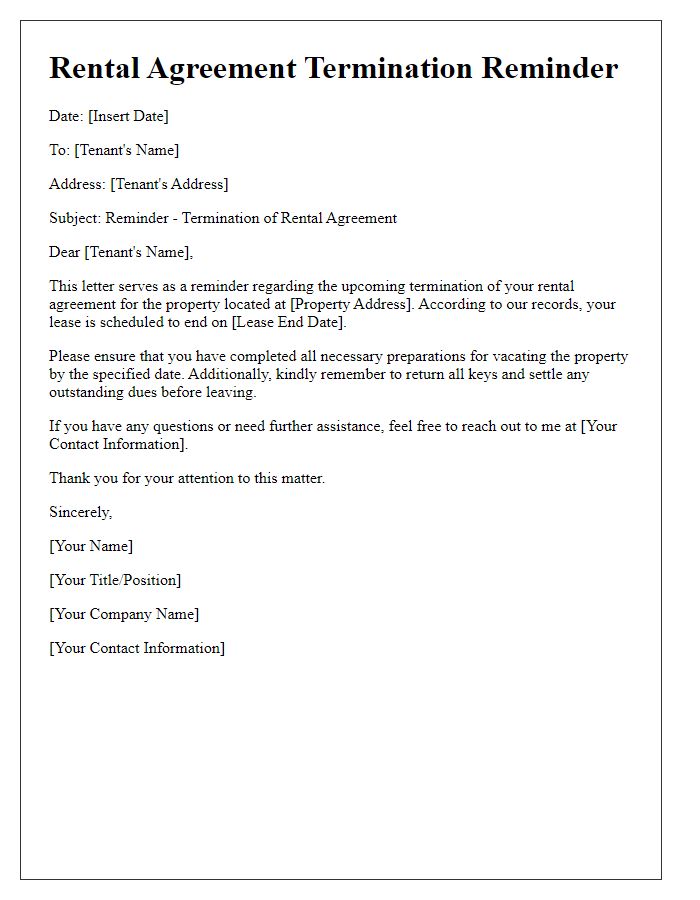
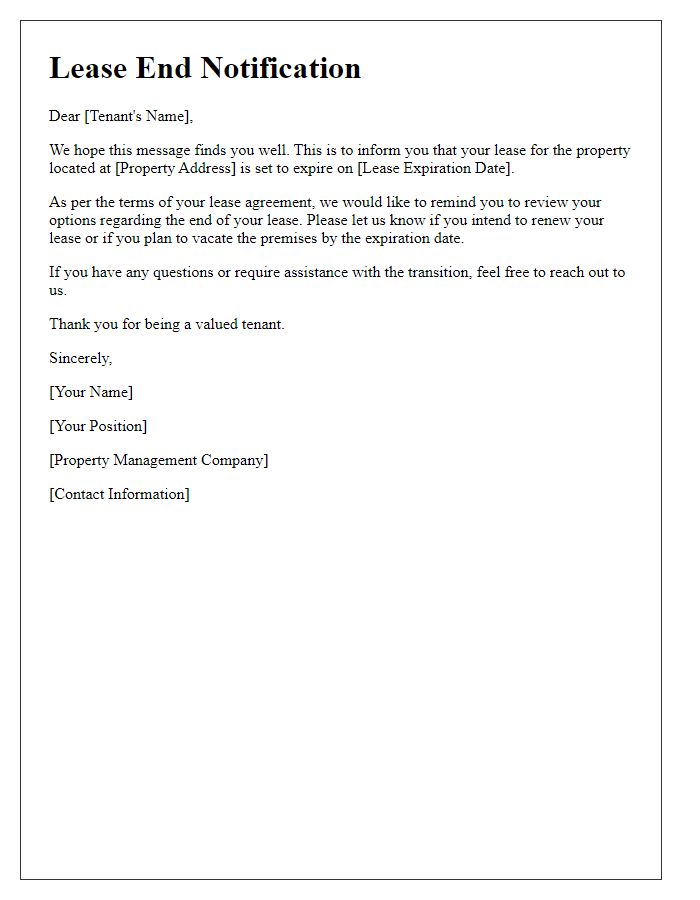
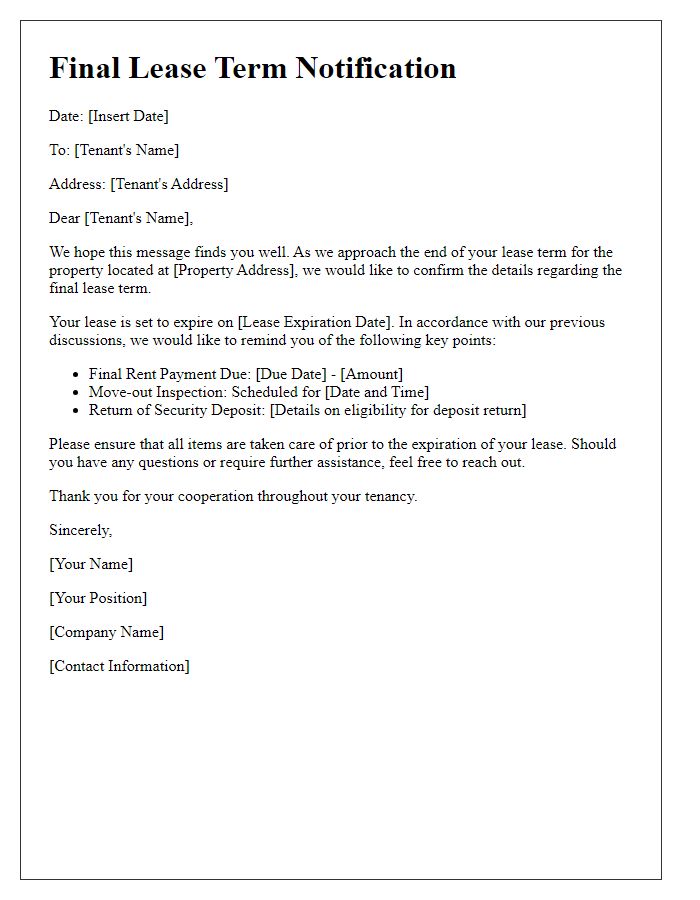
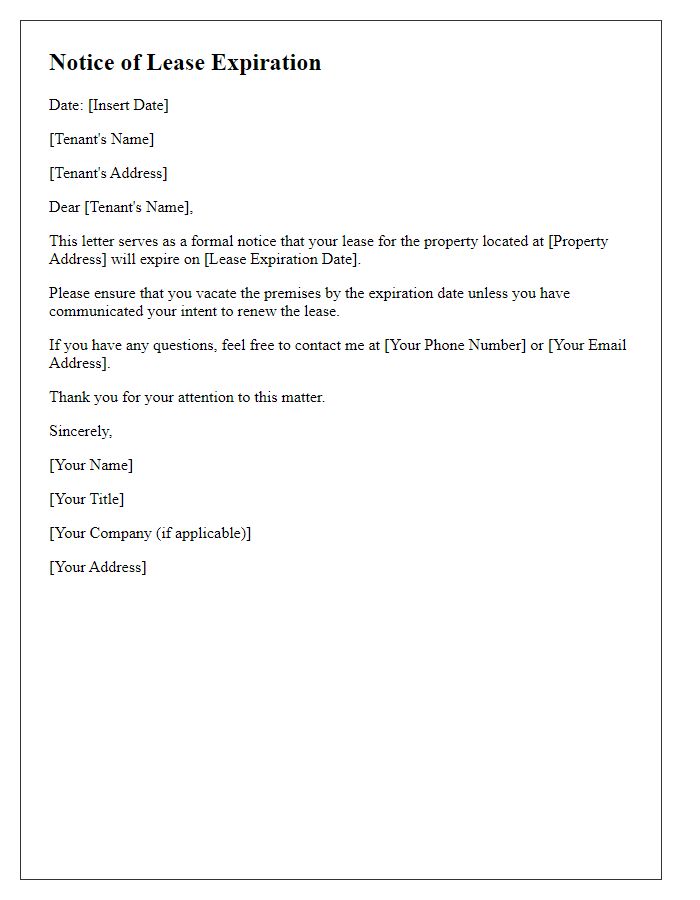
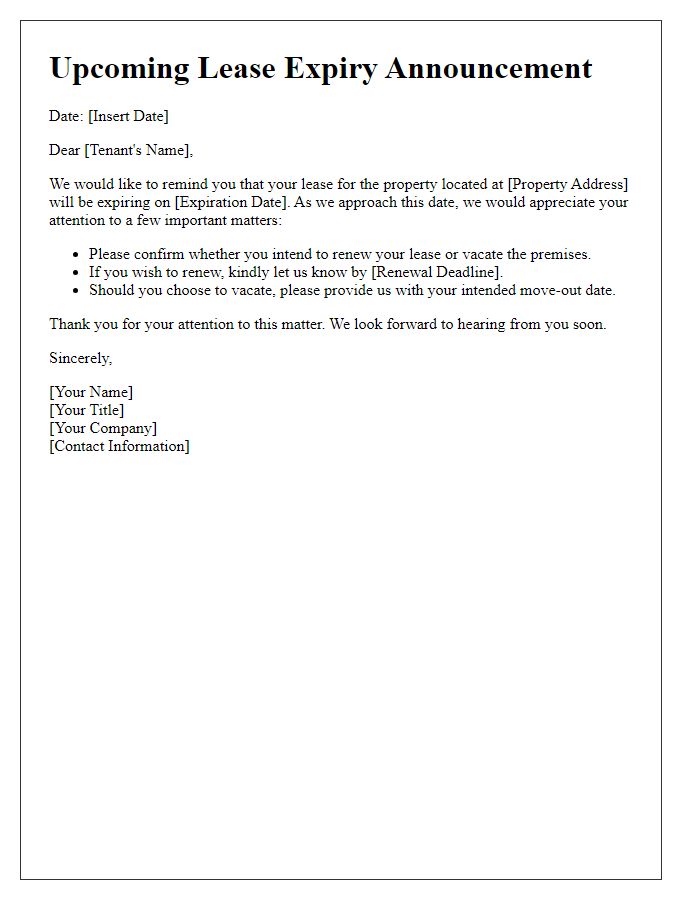
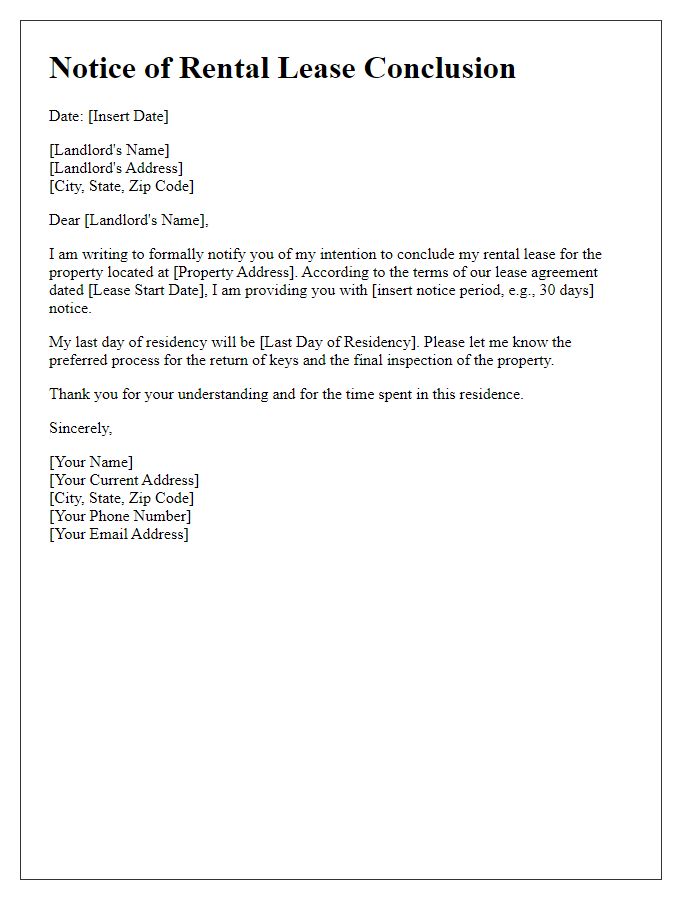
Reference examples can help readers understand how a commercial lease termination notice Template is structured visually and how the essential information is arranged on the page. Useful examples commonly place the date, parties, property identification, lease reference, termination statement, effective date, and signature block in a logical sequence. Some formats are designed for ordinary expiration or non-renewal, while others focus on early termination, breach, mutual agreement, or confirmation of receipt. These distinctions matter because the correct structure depends on the reason for termination and the provisions of the governing commercial lease.
The visual references below are useful for comparing different approaches to the same central document. When reviewing a commercial lease termination notice, readers can look for precise identification of the premises, an unambiguous termination date, a clear statement of the contractual basis, and practical instructions for surrender. The examples also demonstrate why a short letter can still contain several important components. A well-structured notice is not necessarily lengthy; it is specific, organized, consistent with the lease, and suitable for preserving a clear record of the parties’ intentions and obligations.

Notice of Termination
Source: Legal Templates
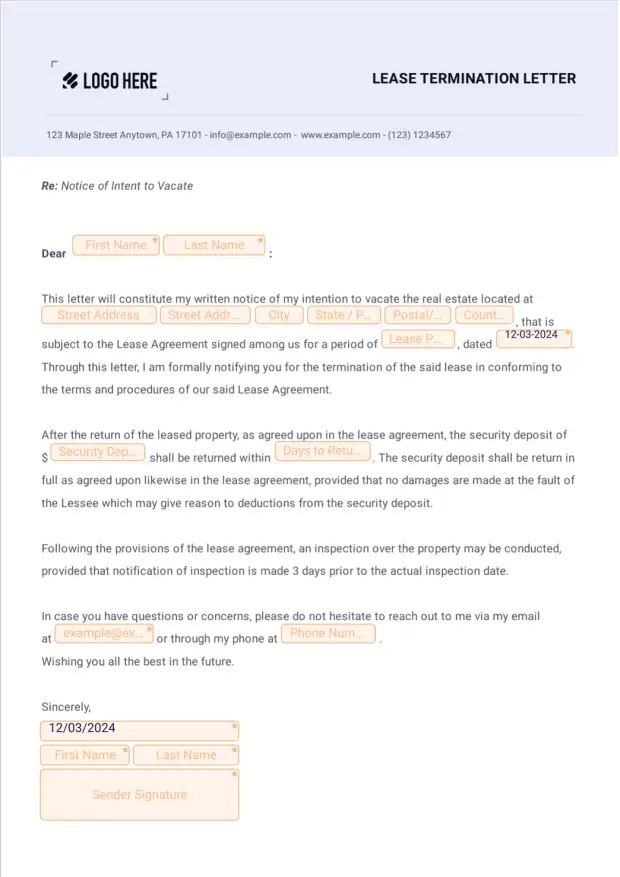
Lease Termination Letter
Source: Jotform
Lease Termination Notice for Non-Payment
Source: Letterin
Lease Termination Letter
Source: Letterin
Lease Termination Notice
Source: Letterin
Lease Termination Request
Source: Letterin
Lease Termination Acknowledgment
Source: Letterin

Notice of Lease Termination and Renewal Option
Source: Letterin
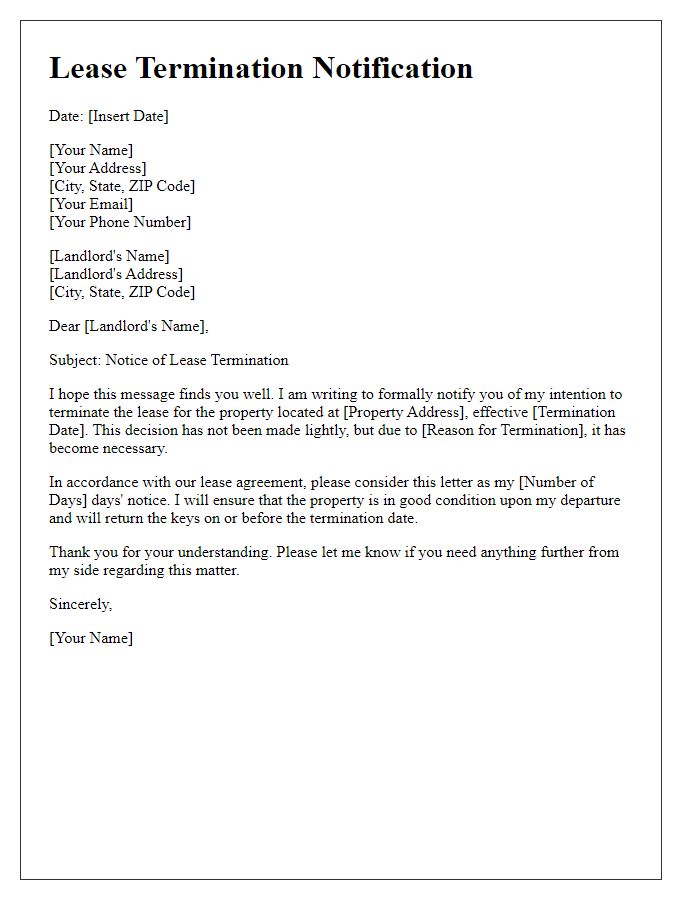
Lease Termination Notification
Source: Letterin
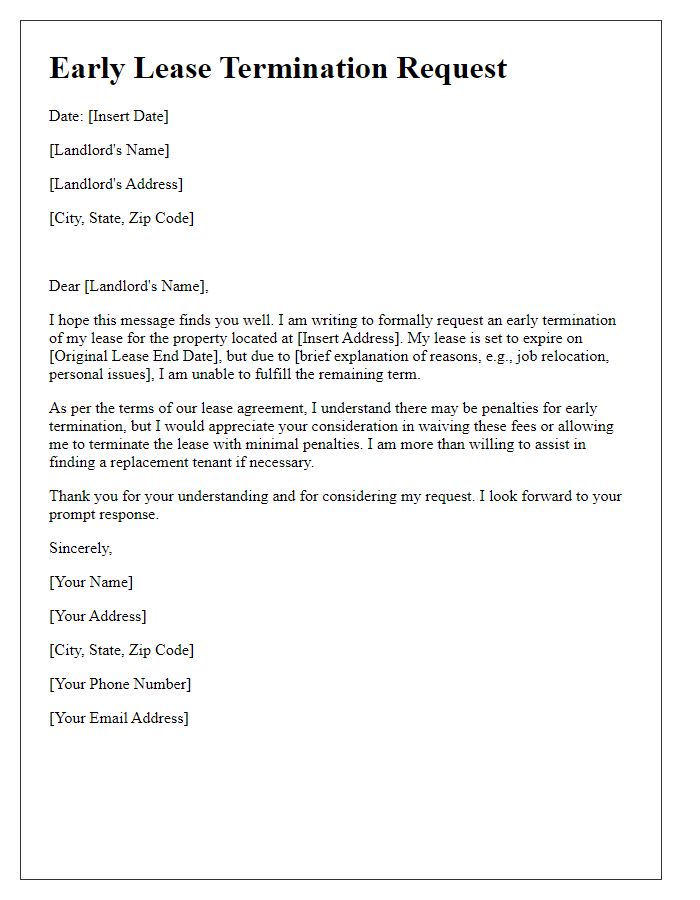
Early Lease Termination Request
Source: Letterin
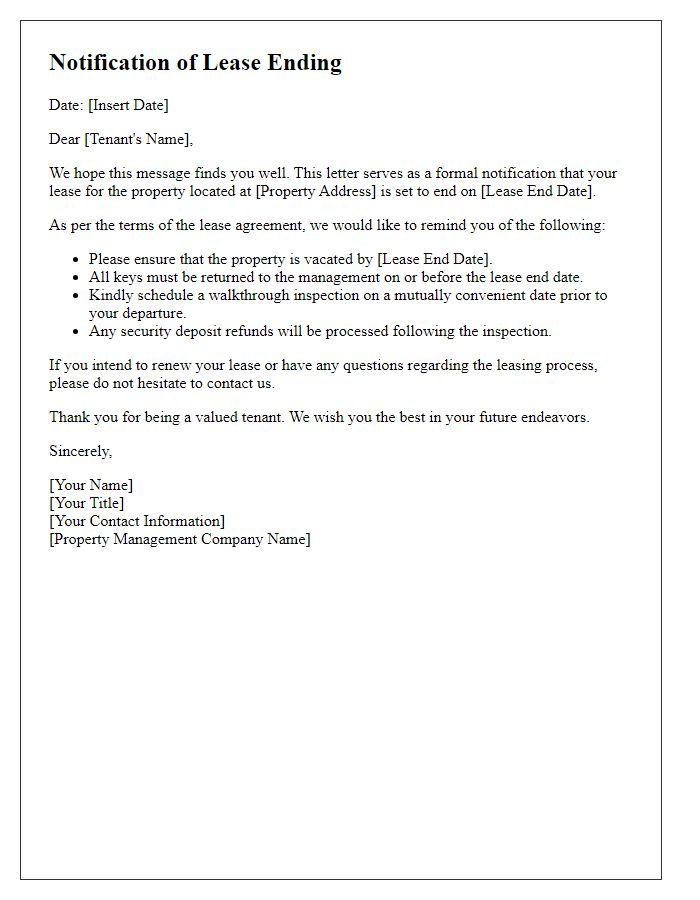
Notification of Lease Ending
Source: Letterin
