A digital marketing account Template is a structured framework for organizing the information, activities, budgets, channels, targets, performance metrics, and next actions associated with a digital marketing account. In practice, the word “account” can refer to a company marketing account, a client account managed by an agency, or a coordinated collection of online marketing channels. The most useful template does more than store numbers. It creates a consistent operating structure that connects business objectives with campaigns, content, advertising, analytics, reporting, and optimization.
Searchers looking for a digital marketing account template are often trying to solve a practical organizational problem. They may need a repeatable way to manage several campaigns, keep client information together, compare channel performance, record responsibilities, or prepare a recurring report. A well-designed framework can reduce scattered information and make it easier to see what has been planned, what is currently running, what needs attention, and which results matter to the business.
There is no single universal format that works for every company. A small business may need a concise worksheet containing goals, channels, budget, content activity, and key performance indicators. An agency managing several clients may need separate sheets for account details, campaign planning, paid media, social channels, content, email, analytics, audit findings, and monthly reporting. The right structure depends on the account’s complexity, reporting frequency, number of channels, and decision-making needs.
What a digital marketing account Template Should Actually Organize
The strongest template begins with an account overview rather than jumping directly into campaign metrics. Record the business name, website, primary market, target audience, major products or services, business objectives, marketing objectives, reporting period, account owner, and important stakeholders. This gives every later metric a context. Without that context, a spreadsheet can become a collection of disconnected figures that are difficult to interpret.
The account overview should also distinguish between business goals and marketing goals. A business might want more qualified customers, stronger retention, higher revenue, or expansion into a new market. Marketing activities then translate those objectives into measurable outcomes such as qualified leads, purchases, inquiries, traffic, engagement, subscriber growth, or conversion actions. This separation helps prevent the common mistake of treating every available platform metric as an important key performance indicator.
A useful account structure also records assumptions and constraints. Examples include a fixed campaign period, a defined advertising budget, a required brand message, a specific geographic market, a particular audience segment, or a limited production capacity. Documenting these factors makes later analysis more reliable because performance can be interpreted against the conditions under which the campaigns actually operated.
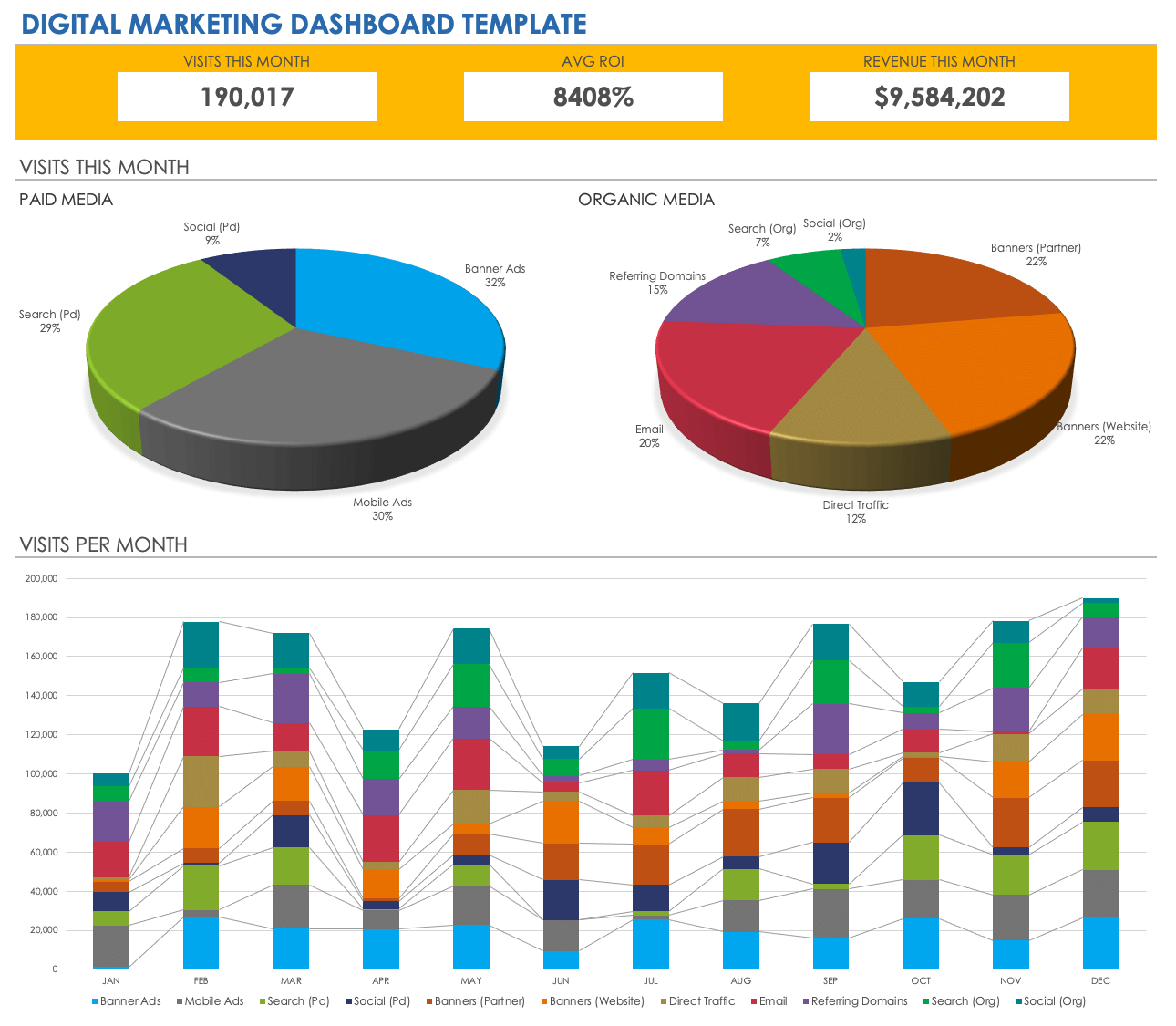
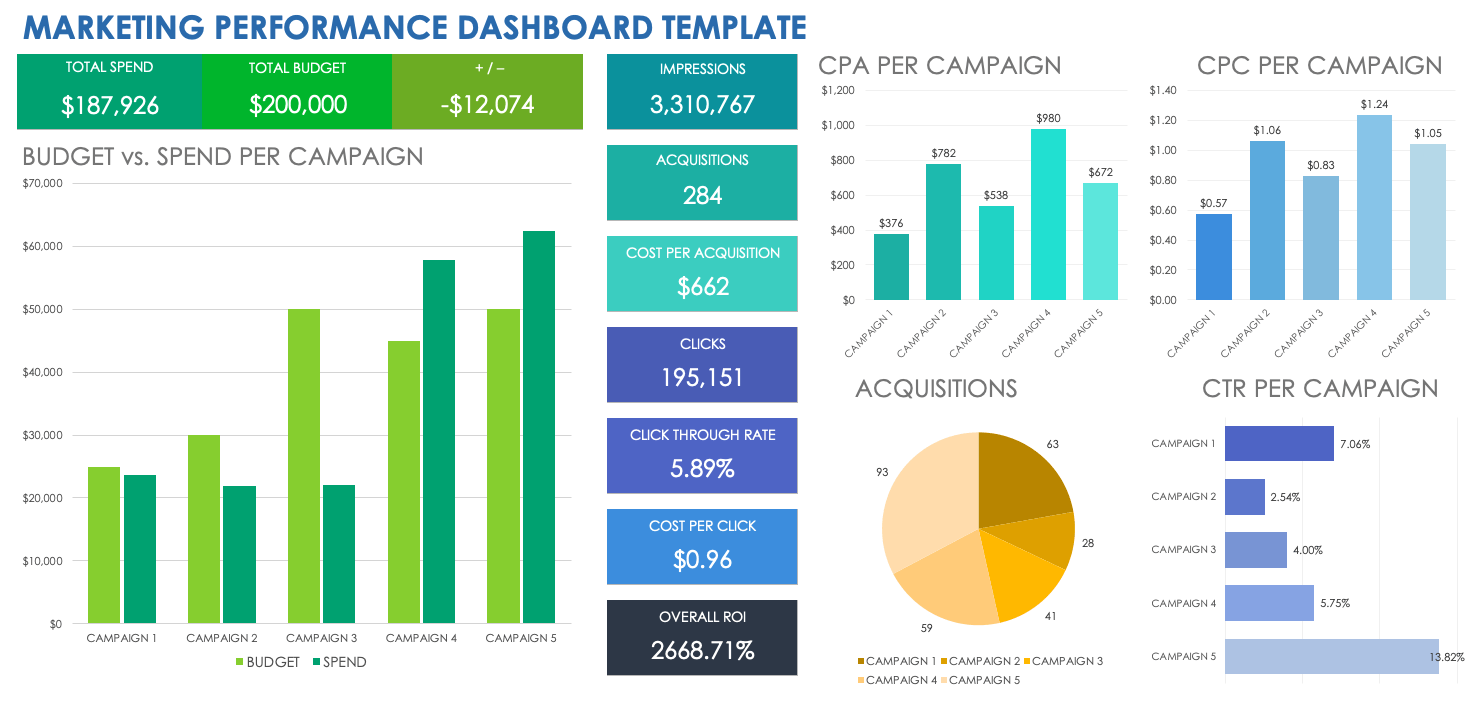
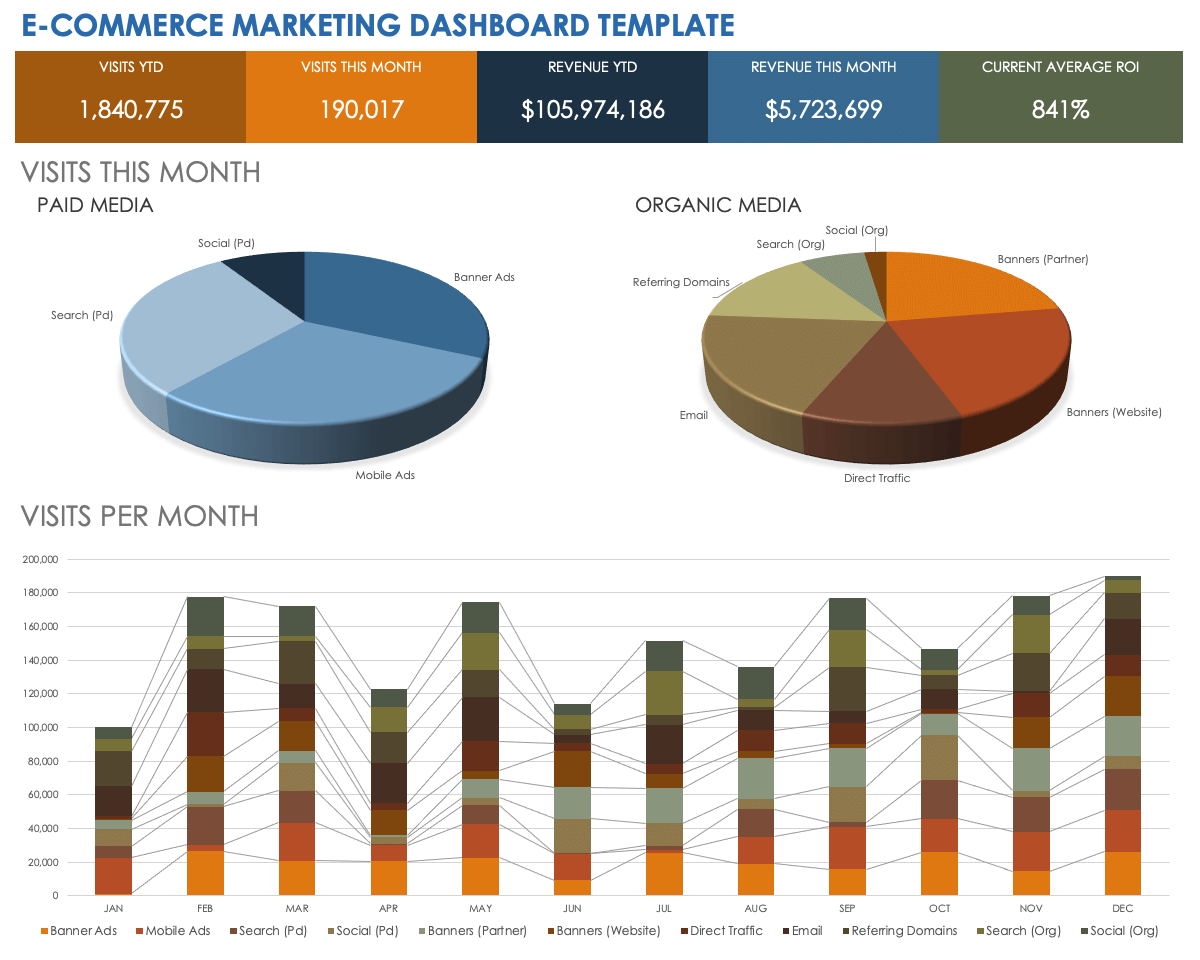
The visual structure of the account matters as much as the fields themselves. A dashboard can provide a high-level view, while detailed worksheets preserve the underlying information. For example, the dashboard might show current spend, leads, conversion rate, revenue, and return on investment, while separate sheets contain campaign-level records and source data. This layered structure allows executives to see the main story without removing the detail required by marketers.
Consistency is another important feature. If one campaign records cost per lead while another records only total spend, comparison becomes difficult. Define the same measurement rules across campaigns whenever the underlying objectives are comparable. Use consistent date ranges, naming conventions, channel labels, campaign identifiers, and definitions for metrics such as leads, conversions, qualified leads, and revenue.
The final element is ownership. Each important activity should have a responsible person or team, a status, a deadline, and a next action. An account template should help answer practical questions such as who owns the campaign, what is waiting for review, which data is missing, what needs optimization, and when the next report is due.
Core Sections to Include
A robust digital marketing account Template can be divided into logical sections instead of placing every field on one crowded page. The first section is the account profile. The second covers strategy and goals. The third manages campaigns and content. Additional sections can cover paid media, organic search, social media, email, website analytics, budgets, reporting, audits, and action plans.
The strategy section should describe the audience, positioning, value proposition, primary objectives, secondary objectives, and key performance indicators. It should also explain which channels are expected to support each objective. This is important because a channel should not be judged independently from the role it was assigned. A channel designed for awareness may not produce the same immediate conversion volume as a channel designed for high-intent demand.
The campaign section should provide enough detail to manage execution. Useful fields include campaign name, objective, audience, offer, channel, start date, end date, budget, creative status, landing page, tracking identifier, owner, target metric, current status, and notes. A campaign record becomes much more useful when planning information and performance information can be viewed together.
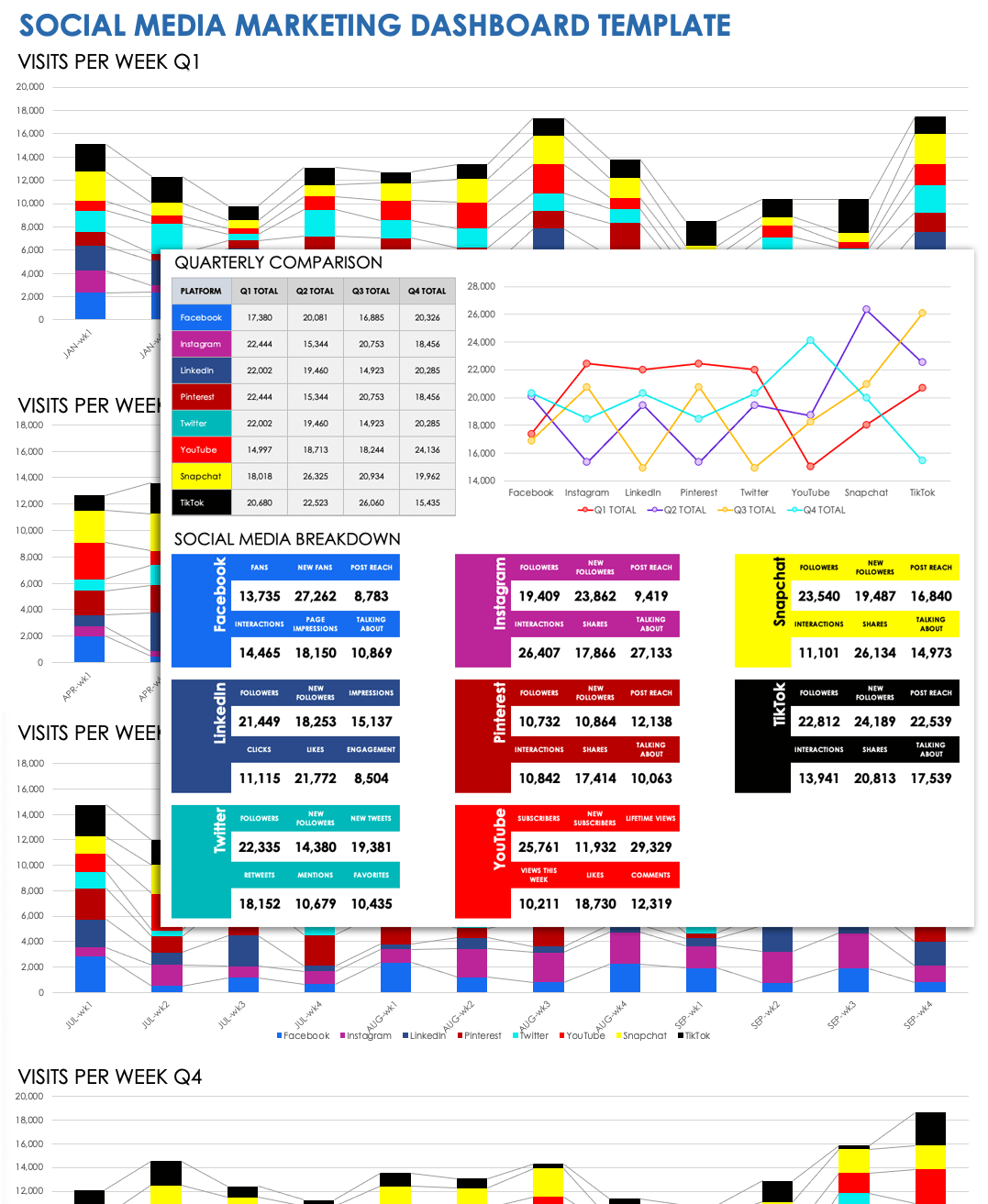
For social channels, the account template can record profile details, publishing frequency, audience size, reach, impressions, engagement, clicks, conversions, content themes, and notable posts. Do not automatically treat follower count as the main measure of success. The value of a social channel depends on the account’s objective and the quality of the audience interaction.
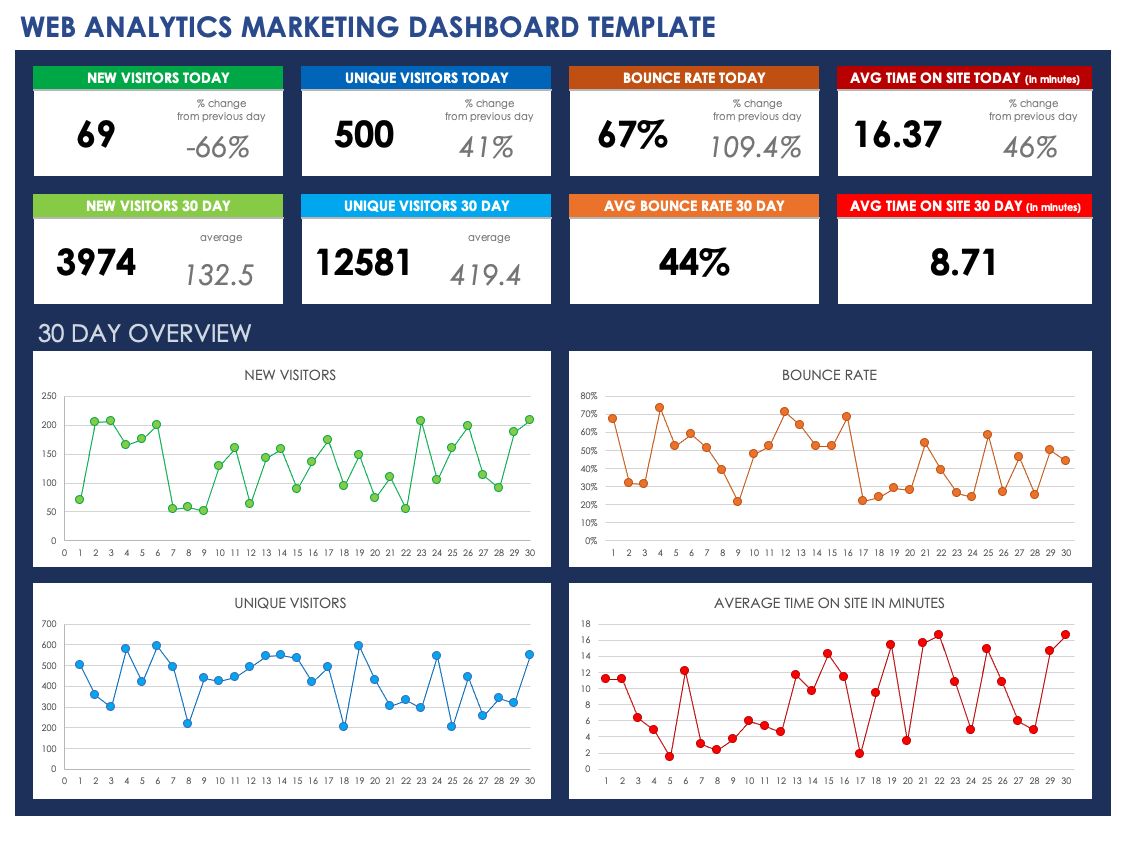
For website activity, useful fields can include sessions, users, landing pages, traffic sources, conversion actions, bounce-related measures where appropriate, and page-level outcomes. The important principle is to connect traffic with an outcome. A high traffic number is not necessarily useful if the visitors do not match the target audience or move toward the intended business action.
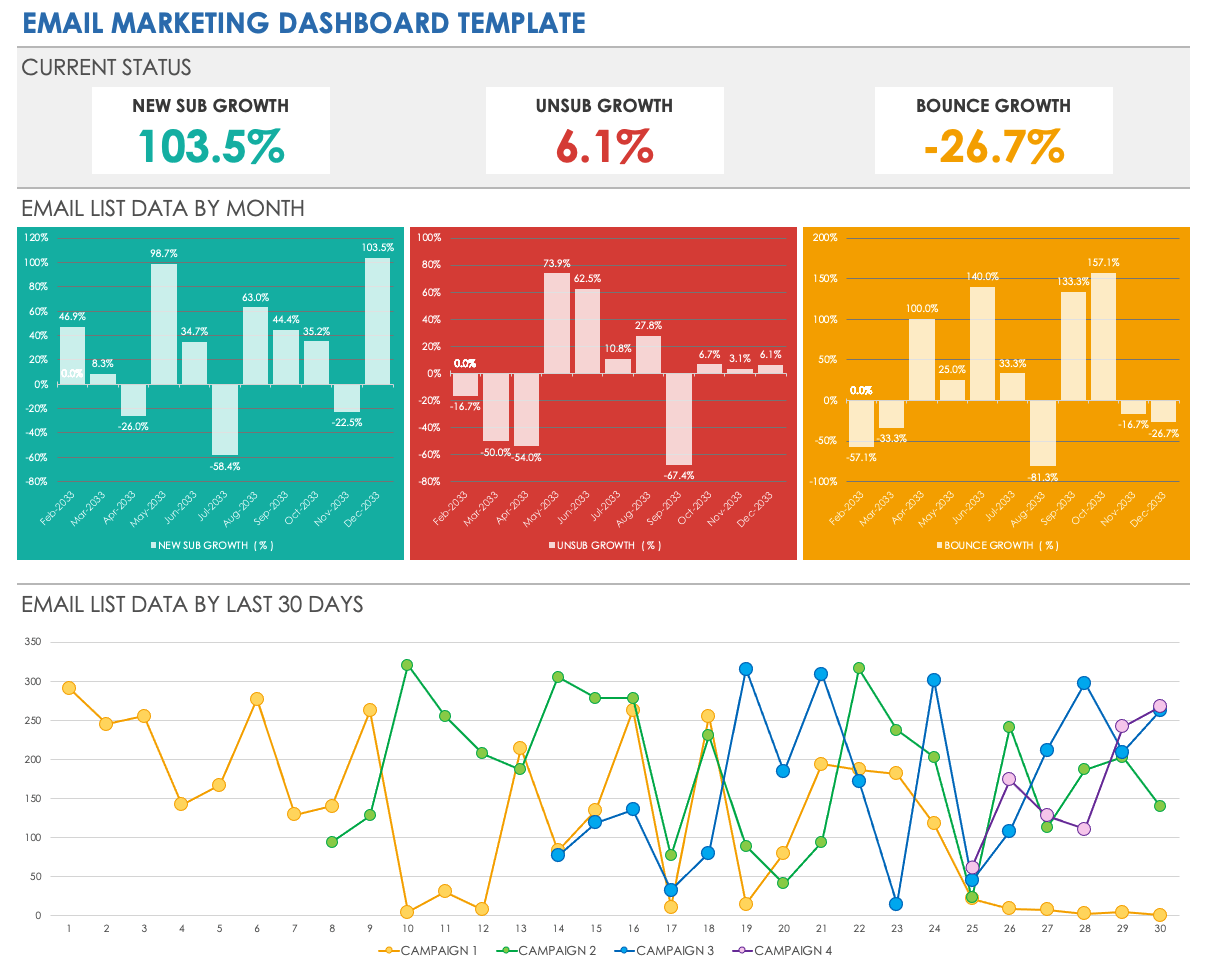
For email, the structure can include campaign name, send date, audience segment, subject line, delivered messages, opens where the measurement is available, clicks, unsubscribes, conversions, revenue, and notes. A digital email marketing template becomes more useful when it records both campaign characteristics and results, allowing marketers to compare themes, segments, offers, and calls to action over time.
Choosing the Right Spreadsheet Structure
For teams that prefer spreadsheet-based workflows, a digital marketing account template excel structure can be particularly practical when the account contains many rows of campaigns, tasks, costs, keywords, content items, or monthly observations. A spreadsheet makes it easy to filter by campaign, channel, owner, date, or status. It also supports formulas for totals, variances, rates, and other calculations.
A spreadsheet should not become a dumping ground for raw exports. Separate input areas from calculated fields and from presentation areas. For example, one sheet can contain campaign records, another can contain monthly summaries, and another can display the dashboard. This separation reduces accidental edits and makes the account easier to maintain when the number of campaigns grows.
Teams that collaborate remotely may prefer a digital marketing account template google sheets structure because multiple contributors can work from the same current version. Regardless of the platform, the underlying logic should remain the same: define fields clearly, establish ownership, maintain consistent naming, and preserve historical periods so that current performance can be compared with earlier periods.
A document-oriented workflow can also be useful. A digital marketing account template word format works well when the primary purpose is a written account brief, strategy document, client onboarding document, campaign proposal, or narrative report. It is less suited to large-scale numerical tracking, but it can provide the context that a spreadsheet often lacks.
A printable report structure can serve a different purpose. A digital marketing account template pdf format is useful when a finalized snapshot needs to be reviewed consistently across devices or shared as a formal record. The important distinction is between a working file and a presentation record. The working version should remain editable and current, while the finalized report should clearly state its reporting period and data date.
The best workflow often combines formats rather than choosing one format for every task. Use a structured spreadsheet for detailed tracking, a document for strategy and narrative context, and a presentation-style dashboard for stakeholder communication. The template is therefore not merely a file format; it is an operating system for the account’s information.
Building a Campaign Management Layer
Campaign management is one of the most important parts of a digital marketing account template because campaigns connect strategy with execution. Start by giving each campaign a unique, understandable name. Include the objective, audience, offer, channel, dates, budget, owner, and measurement plan. Consistent naming is especially important when several campaigns run at the same time.
Next, create a status system that reflects the actual workflow. Useful states can include planned, preparing, active, paused, analyzing, and completed. The exact labels are less important than using them consistently. A status field should tell the reader where the campaign sits in the workflow without requiring a separate explanation.
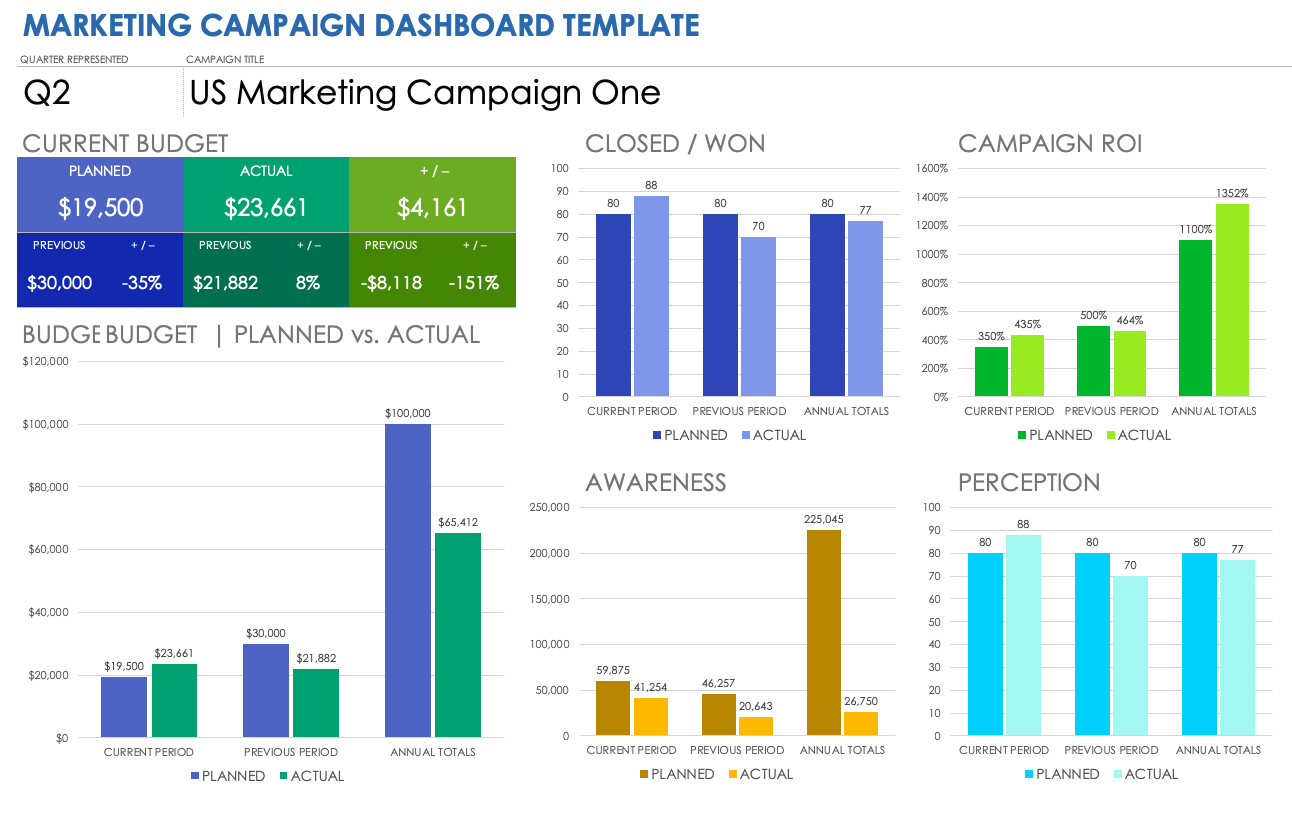
Budget tracking should compare planned spending with actual spending. The account should also record the relevant outcome, such as leads, purchases, qualified opportunities, or revenue. This creates a more useful relationship between investment and result than a simple spend total. Variance notes are valuable when actual results differ significantly from expectations.

Creative production deserves its own status tracking. Record whether copy, visual assets, landing pages, tracking, review, and final approval are ready. This prevents campaign performance from being judged before the campaign is technically ready to perform.
Testing should also be recorded as a structured activity. Instead of simply writing “test creative,” specify what is being tested, which variable changes, what metric is being evaluated, how long the test is expected to run, and what decision will follow. This creates a learning record that can inform future campaigns.
When a campaign ends, preserve its final status and major observations. Do not overwrite historical information with the latest figures. A good account template becomes more valuable over time because it creates a record of decisions, results, lessons, and recurring patterns.

Managing Audience, Channels, and Messaging
A digital marketing account should clearly identify who the marketing activity is intended to reach. Audience fields can include market segment, customer characteristics, intent, needs, problems, buying stage, and relevant behavioral signals. The goal is not to create a long demographic description. The goal is to create enough clarity that channel selection and messaging decisions have a documented rationale.
Channel planning should connect each channel to a purpose. Search can capture existing demand, content can build visibility and education, social media can support discovery and community engagement, email can support ongoing communication, and paid media can accelerate reach or demand capture. These roles can overlap, but the template should make the intended contribution visible.
Messaging records should contain the core proposition, supporting points, offer, call to action, tone, and important restrictions. Keeping these elements together makes it easier to compare campaign messages and identify whether weak results may be connected to positioning rather than media execution.

For social platforms, a digital marketing account template for facebook can include profile information, campaign objectives, audience segments, creative themes, paid activity, organic activity, engagement, traffic, and conversions. The same structural logic can be adapted to other channels without creating an entirely different management philosophy for each platform.
For someone beginning digital marketing work, a digital marketing account template for beginners should remain deliberately simple. Start with account information, one or two primary goals, a small set of channels, a few meaningful metrics, a campaign tracker, and a monthly review section. Adding dozens of metrics before the workflow is understood usually creates more maintenance than insight.
A mature account can expand the same structure with customer journey stages, content pillars, attribution notes, audience cohorts, channel economics, testing history, and strategic recommendations. The important point is to expand only when the added fields support an actual decision or recurring workflow.

Budget and Performance Measurement
Budget tracking should answer three questions: what was planned, what was spent, and what outcome resulted. Depending on the business model, the outcome might be revenue, leads, qualified opportunities, purchases, subscriptions, or another defined business action. Avoid combining fundamentally different outcomes into one score without a clear weighting method.
Cost metrics should also be tied to the funnel stage they describe. Cost per click answers a different question from cost per lead, and cost per lead answers a different question from customer acquisition cost. A useful account template keeps these measures distinct so that optimization decisions do not confuse inexpensive traffic with profitable customers.
Return on investment can be useful when revenue and cost data are reliable enough to support it. If revenue cannot be attributed confidently, state that limitation rather than presenting a precise-looking figure that implies more certainty than the data supports. Account reporting is stronger when it distinguishes measured results from estimates.

A budget section should also contain notes for unusual events. A sudden increase in spend may have resulted from a seasonal campaign, an emergency promotion, a platform change, or a revised business priority. A sudden performance decline may have been caused by tracking changes, inventory limitations, landing-page issues, or a shift in targeting. Notes preserve the context needed for later analysis.
Monthly reporting should compare periods consistently. Month-over-month comparison can reveal recent movement, while year-over-year comparison may be more useful for seasonal businesses. Campaign-level comparison can reveal differences between tactics. The account template should allow these comparisons without requiring the same data to be manually rebuilt every reporting cycle.
Use a small number of headline indicators and retain detailed metrics beneath them. This prevents dashboards from becoming visually crowded. A stakeholder should be able to understand the main performance story quickly and then move into the underlying detail when a question requires investigation.

How an Account Audit Fits Into the Template
An audit section provides a structured health check of the account. The digital marketing audit template concept can cover strategy, website performance, search visibility, social channels, content, email, paid advertising, analytics, tracking, conversion paths, and reporting quality. The purpose is not simply to list problems. A useful audit ranks issues according to impact, urgency, effort, and ownership.
Begin an audit by defining the period being reviewed and the business objective that matters most. Then inspect each relevant channel using the same basic logic: what was intended, what actually happened, why the difference may exist, and what should change next. This creates a decision-oriented audit rather than a collection of screenshots and platform statistics.
Audit findings should be converted into actions. Each recommendation should ideally have an owner, priority, expected outcome, and review date. For example, if tracking is incomplete, the action may be to verify event definitions and reporting consistency. If campaign structure is fragmented, the action may be to standardize naming and grouping. If a channel is producing strong results, the action may be to investigate which factors are contributing to that performance before increasing investment.

An audit should also distinguish technical problems from strategic problems. A broken tracking event is different from an offer that does not resonate. A slow page is different from an audience mismatch. A campaign can have excellent media metrics and still produce weak business results if the post-click experience is poor. Categorizing findings helps the team identify which specialist should handle each issue.
Audit frequency should reflect account complexity and change. A rapidly changing paid-media account may require more frequent checks than a stable long-term content program. A quarterly strategic review can provide a broader view, while smaller monthly checks can identify operational issues before they become larger problems.
For teams managing multiple accounts, standardization is especially useful. Each account can use the same audit headings while allowing channel-specific notes. This makes agency reviews easier to compare and helps managers identify recurring weaknesses across clients without confusing one account’s business context with another.

Turning the Template Into a Working Digital Marketing System
A digital marketing online template works best when it is treated as a living operating document rather than a file that is completed once. At the start of a planning period, enter goals, audiences, campaigns, budgets, responsibilities, and measurement definitions. During execution, update statuses and performance. At the end of the period, record findings and decisions for the next cycle.
A general template for digital marketing can therefore contain a small core that remains consistent across accounts: account profile, objectives, channels, campaigns, budget, KPIs, reporting period, owners, and actions. Optional modules can then be added for SEO, social media, email, paid media, content, website analytics, customer journeys, or audits.
The advantage of this modular structure is scalability. A small local business may use only a few sections, while an agency may duplicate the campaign and reporting modules for many clients. The core terminology remains stable, making training easier and reducing the chance that different team members interpret the same field differently.

Templates should also contain definitions for important fields. If “lead” means a completed inquiry form in one account but a qualified sales opportunity in another, reporting comparisons become misleading. Include short metric definitions or a measurement guide so that the account remains understandable even when a new marketer takes responsibility for it.
Data hygiene is equally important. Remove obsolete campaigns from active views without deleting historical records. Standardize campaign names, use consistent date formats, avoid duplicate records, and document unusual tracking changes. A clean structure reduces the time spent reconciling numbers and increases confidence in recurring reports.
Finally, schedule a recurring review. The review can be weekly for active campaign operations, monthly for performance reporting, and quarterly for strategic assessment. The template should support each review without requiring a complete rebuild. This is what transforms a document into a practical management system.
Using the Template for Client Account Management
Agencies and consultants have an additional requirement: the template must make client communication easier. A client account should clearly separate information supplied by the client, strategic decisions made by the marketing team, execution tasks, measured outcomes, and recommendations. This creates accountability and reduces confusion about what was promised, what was delivered, and what is being considered next.
An account onboarding section can capture the client’s business goals, target market, products, brand guidelines, existing channels, historical campaigns, current analytics setup, access responsibilities, reporting preferences, and key contacts. The purpose is to establish a reliable baseline before new campaigns are launched.
For recurring reporting, maintain a consistent narrative structure. Start with the objective, summarize the major results, identify meaningful changes, explain the likely causes, and finish with prioritized actions. A dashboard should support this narrative rather than replace it. Numbers become more useful when the reader understands what changed and what decision follows from the change.

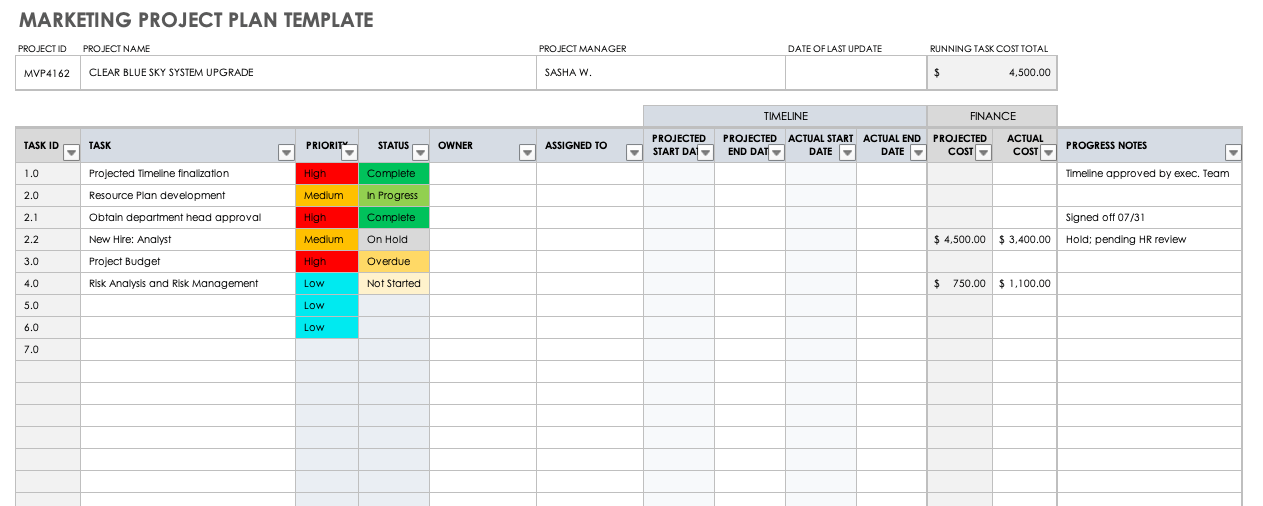
A client-facing account can also use an action register. Record the recommendation, reason, priority, owner, target date, status, and expected result. This prevents important recommendations from disappearing inside a monthly report. It also creates a direct connection between reporting and future execution.
For Facebook-focused work, the account structure can record page goals, audience information, campaign groups, creative themes, paid activity, organic activity, landing destinations, and relevant performance indicators. The same principle applies to other channels: document the role of the channel first, then choose metrics that show whether it is fulfilling that role.
For beginners, resist the temptation to make the template look sophisticated before the workflow is reliable. A simple structure that is updated consistently is more valuable than a visually impressive dashboard containing incomplete or inconsistent information.

Common Mistakes to Avoid
One common mistake is tracking too many metrics. Digital platforms generate enormous amounts of information, but an account template should focus on measurements that help someone make a decision. If a metric never influences a budget change, creative decision, audience adjustment, content decision, or strategic recommendation, it may not belong in the main dashboard.
Another mistake is mixing planning and reporting without clear labels. Planned numbers, actual numbers, forecasts, and historical results should be visually and structurally distinct. Otherwise, a reader may interpret a target as a result or a projection as a confirmed outcome.
A third mistake is failing to preserve historical context. Overwriting the previous month with current figures makes trend analysis difficult. Keep historical periods intact and use summary views to compare them. This is particularly important when campaigns are seasonal or when performance changes after a major strategic decision.
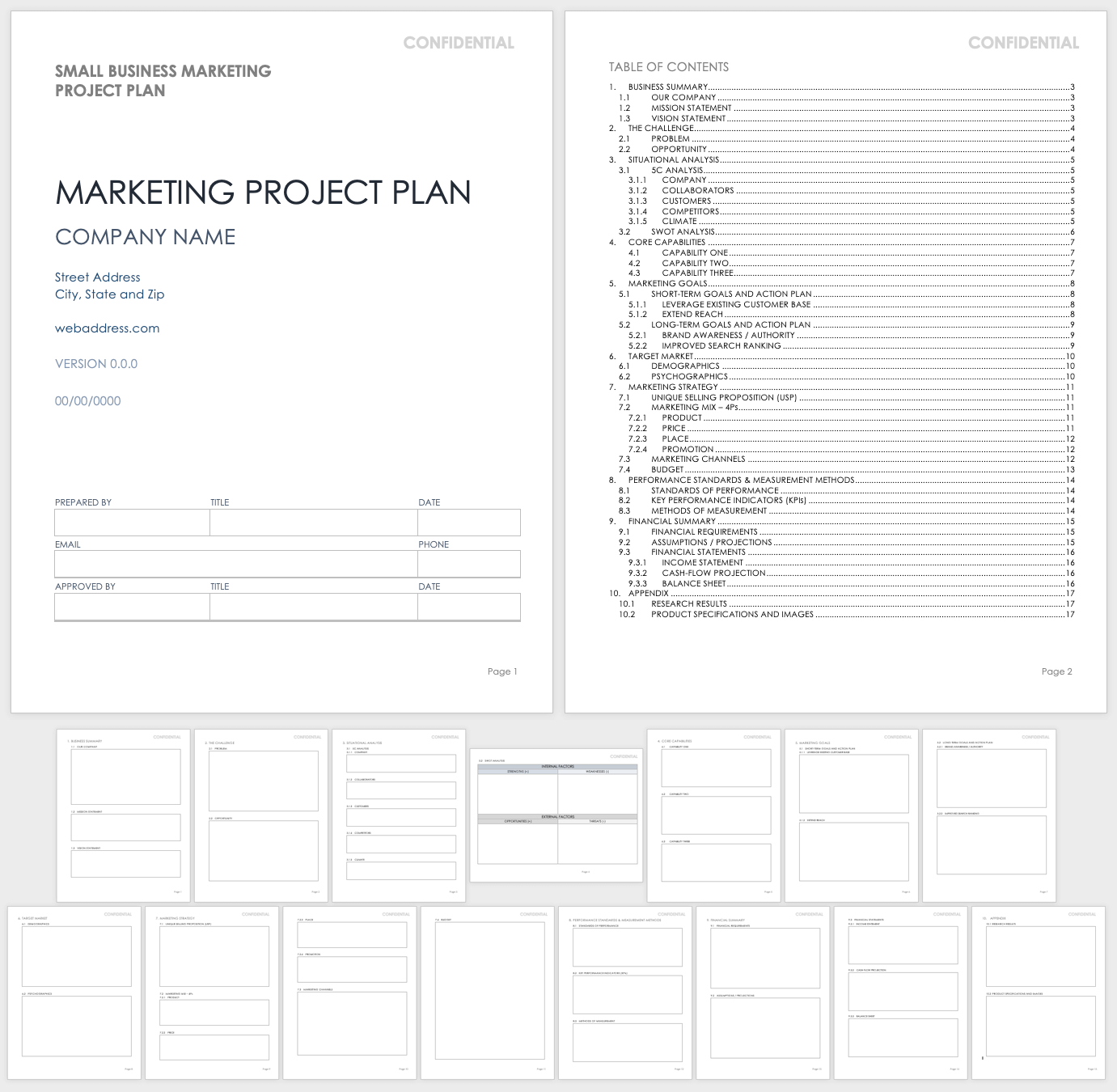
Another issue is treating every platform as equally important. A channel should earn attention according to its strategic role and measurable contribution. The account template can help by assigning an objective to each channel and then selecting a limited set of relevant indicators.
Weak ownership is another frequent problem. If an action has no owner or review date, it is easy for it to remain unresolved. Add responsibility fields to important tasks and audit recommendations. Ownership does not need to mean one person performs the task; it means someone is accountable for moving it forward.
Finally, avoid building a template that only one person understands. Use clear labels, simple formulas, concise definitions, and predictable sections. An account template should make institutional knowledge easier to transfer, not create another dependency on a single specialist.

Practical Solution
The most practical way to build a digital marketing account Template is to start with a compact master structure and then add specialized sections only when the account needs them. Begin with five core areas: account overview, goals and strategy, campaign tracker, KPI dashboard, and action register. This provides enough structure for most small and medium-sized marketing workflows without creating unnecessary maintenance.
Next, create the campaign tracker with consistent fields for campaign name, objective, audience, channel, dates, budget, owner, status, target metric, actual result, and notes. Add separate sections for content, paid media, social media, email, SEO, and website analytics only when those activities are part of the account. This modular method keeps the template focused while allowing it to grow with the marketing operation.
Finally, create a recurring review process. Update operational information during the week, review performance at the end of the reporting period, record insights, and convert the most important findings into actions. Each action should have a priority, owner, and target date. At the next review, evaluate whether the action was completed and whether the expected result occurred. This creates a continuous loop of planning, execution, measurement, learning, and optimization.

A useful implementation sequence is to define the business objective first, then identify the marketing objective, select the channels, define the campaigns, establish the measurement rules, assign ownership, and schedule reviews. Do not begin with dashboard colors or visual design. The structure of the information should be correct before presentation becomes a priority.
When the account becomes more complex, add a separate audit section and a historical reporting section. The audit identifies structural weaknesses, while the historical section shows whether strategic changes are producing sustained improvement. Together, these areas help distinguish short-term fluctuations from meaningful changes in account health.
The result is a reusable operating framework rather than a static worksheet. It can support planning, execution, reporting, client communication, budget reviews, campaign optimization, and strategic decisions while maintaining one consistent view of the account.
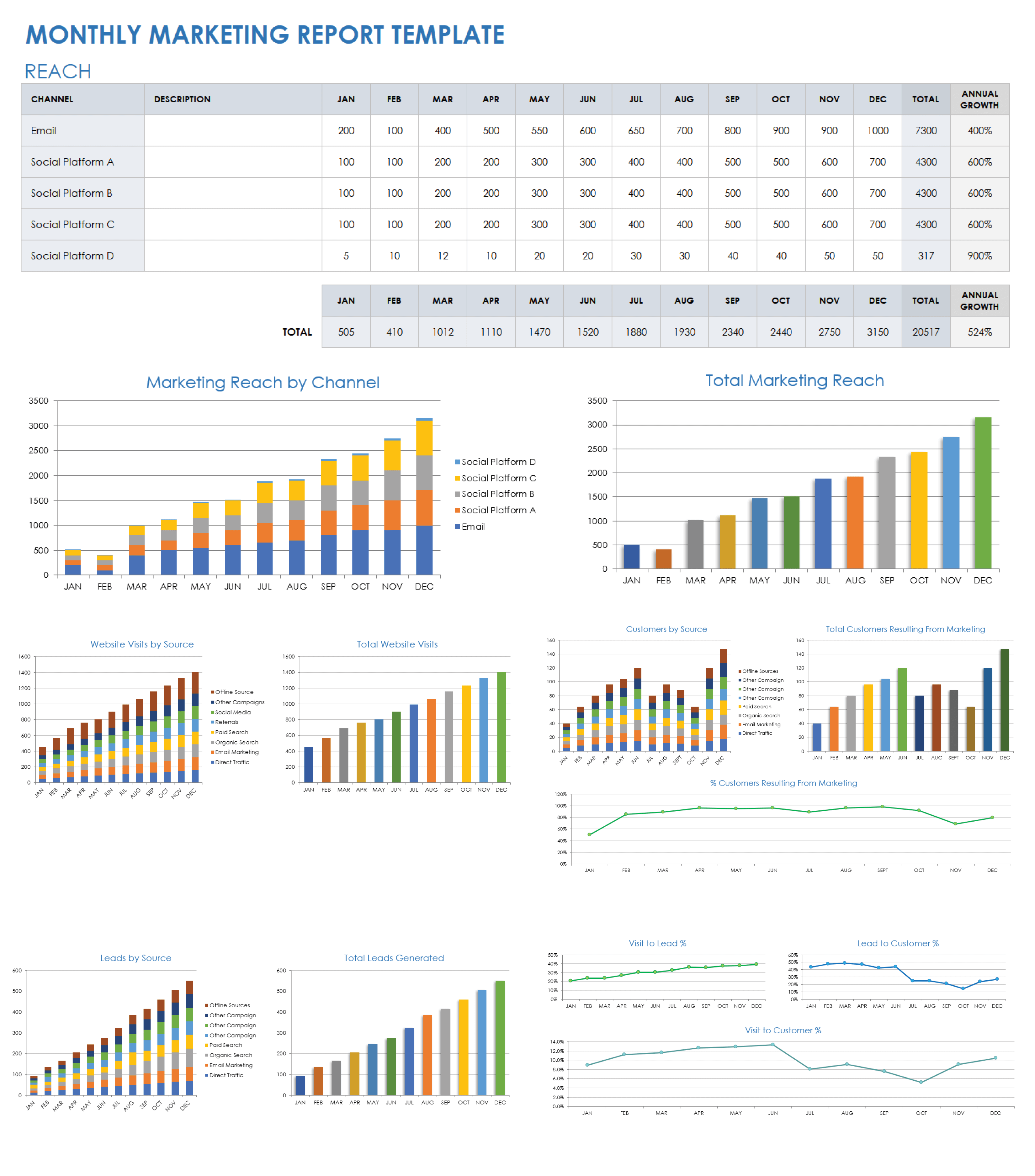
Reporting and Review Workflow
A good reporting workflow begins with data collection but ends with decisions. Collect the agreed metrics, validate unusual changes, compare them with the correct reference period, and identify the few observations that materially affect the marketing objective. Avoid presenting every available figure simply because it can be exported.
The next step is interpretation. Ask what changed, where it changed, how large the change appears to be, and what factors may explain it. If the available data cannot establish causation, describe the explanation as a hypothesis rather than a fact. This distinction protects the credibility of the account record.
Recommendations should follow the analysis. If a campaign is underperforming, specify whether the likely issue concerns audience, message, creative, landing experience, budget, timing, tracking, or another factor. If performance is strong, identify which conditions may have contributed to the result and whether they can reasonably be tested or repeated.
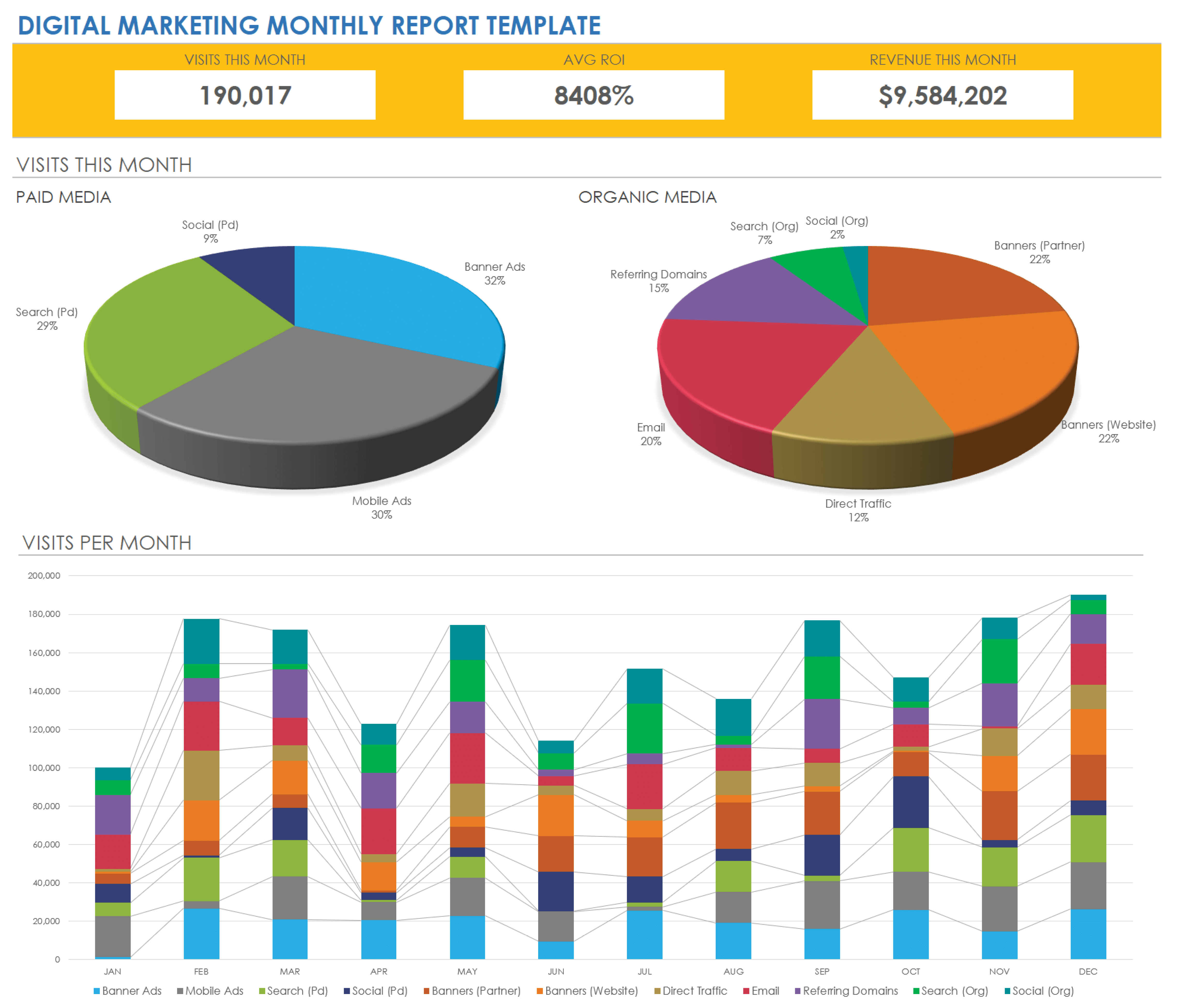
Monthly reviews should also compare results against the original objective. A campaign may exceed a traffic target while missing a revenue target, or generate many leads while producing few qualified opportunities. The account template should make these differences visible so that success is judged against the intended outcome rather than against a single attractive metric.
For longer-term planning, use the account history to identify recurring patterns. Look for repeated seasonal changes, consistently strong channels, recurring tracking problems, audience segments that respond differently, and campaigns that produce unusually strong or weak outcomes. Historical observations can improve future planning without requiring the team to rely entirely on memory.
A mature reporting system therefore has three layers: the data layer, the interpretation layer, and the action layer. The data shows what happened, interpretation explains what the evidence may mean, and the action layer determines what should happen next.
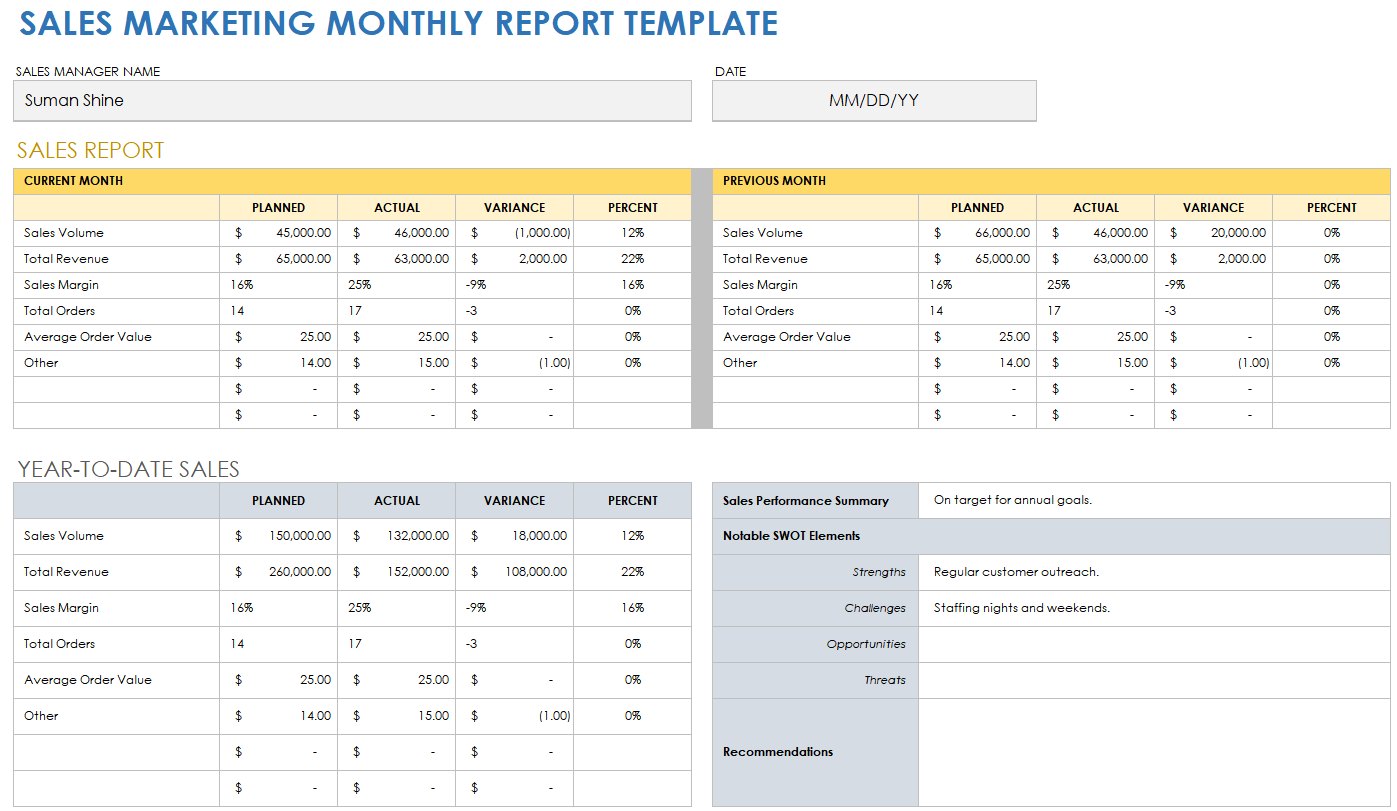
How to Keep the Template Useful Over Time
Review the template itself periodically. If a field is consistently ignored, determine whether it is unnecessary or whether the workflow needs improvement. If marketers repeatedly add information in comments because no suitable field exists, that may indicate a missing component. The template should evolve according to actual work rather than theoretical completeness.
Keep the main dashboard concise. Detailed records belong in supporting sections, while the dashboard should highlight the metrics and decisions that matter most. This makes the account easier to review and reduces the risk that important observations become hidden inside a large worksheet.
Maintain a change log when the account structure is modified significantly. Record when metric definitions change, tracking systems change, campaign naming conventions change, or reporting periods are restructured. Historical comparisons can otherwise become misleading because the measurement method itself has changed.
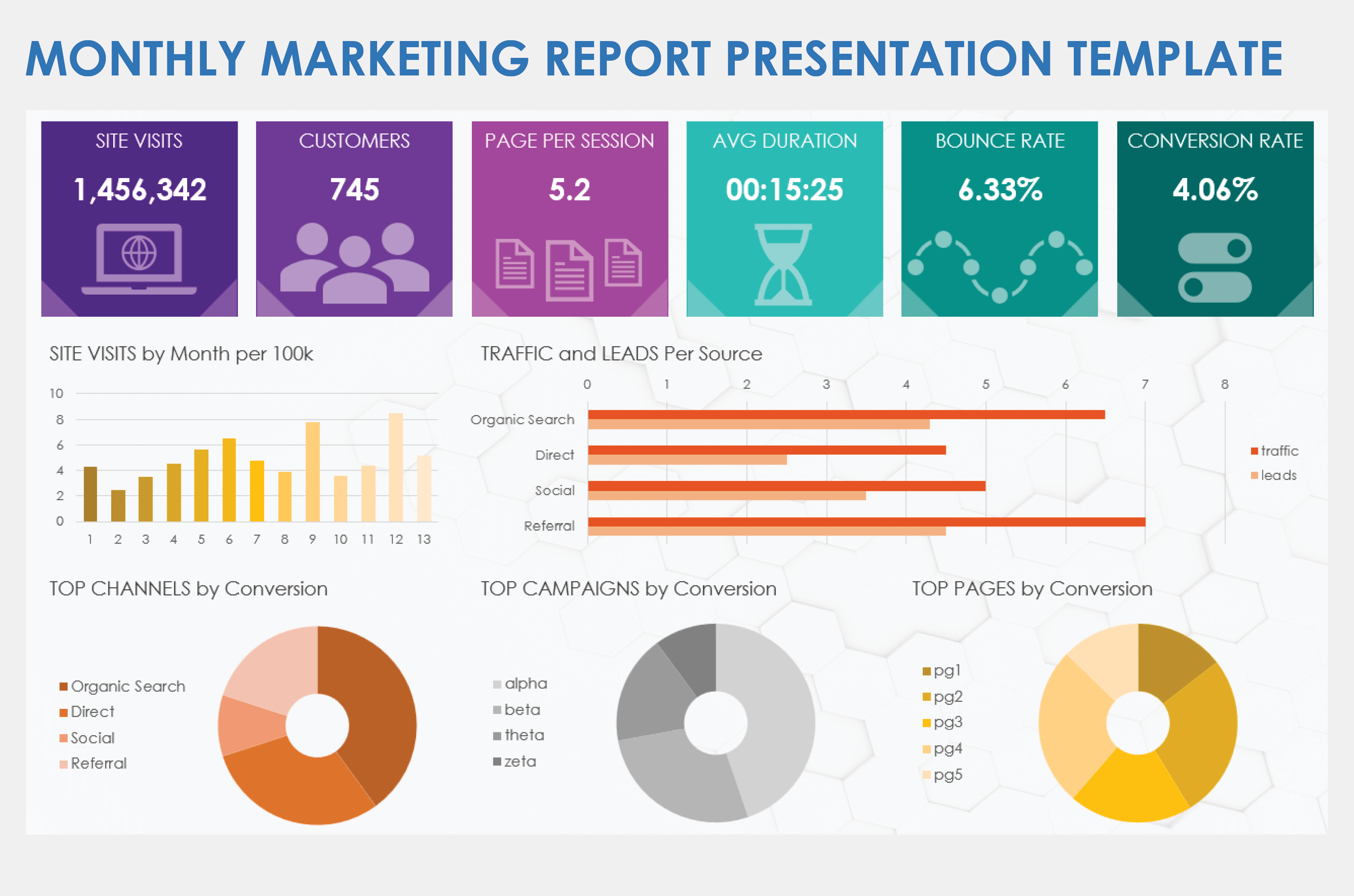
It is also useful to separate account-level metrics from campaign-level metrics. Account-level metrics show the overall health of the marketing operation, while campaign-level metrics explain the performance of individual initiatives. Keeping both levels allows managers to see whether a single campaign is affecting the broader account.
When several marketers work on the same account, establish naming rules for campaigns, audiences, assets, and reporting periods. A naming convention may include the channel, objective, audience, offer, and period. The exact convention can vary, but it should be documented and used consistently.
Above all, remember that the purpose of a template is not to make marketing look organized. Its purpose is to make marketing decisions easier, more consistent, and more evidence-based. A strong digital marketing account Template should help someone understand the current state of the account, identify what matters, and decide what should happen next.
Reference Examples
Reference examples are useful because a digital marketing account Template can take many visual forms while retaining the same underlying logic. Some examples emphasize paid media planning and budget allocation, while others focus on social channel audits, website performance, campaign measurement, or executive reporting. When evaluating a reference, look beyond colors and layout. Examine whether the structure clearly separates goals, activities, metrics, owners, dates, costs, and recommendations. A visually attractive worksheet is only useful when its fields support real account-management decisions and remain understandable as the amount of marketing information grows.
The following visual references show several practical ways to structure digital marketing account information. They can help readers compare detailed planning sheets with dashboard-oriented reporting formats and audit-oriented worksheets. Notice how each example emphasizes a different stage of the marketing workflow: planning investment, organizing channels, documenting campaign activity, evaluating performance, or reviewing account health. These differences demonstrate why a strong template should be adapted to the account’s actual operating needs rather than copied solely because a particular layout looks professional.
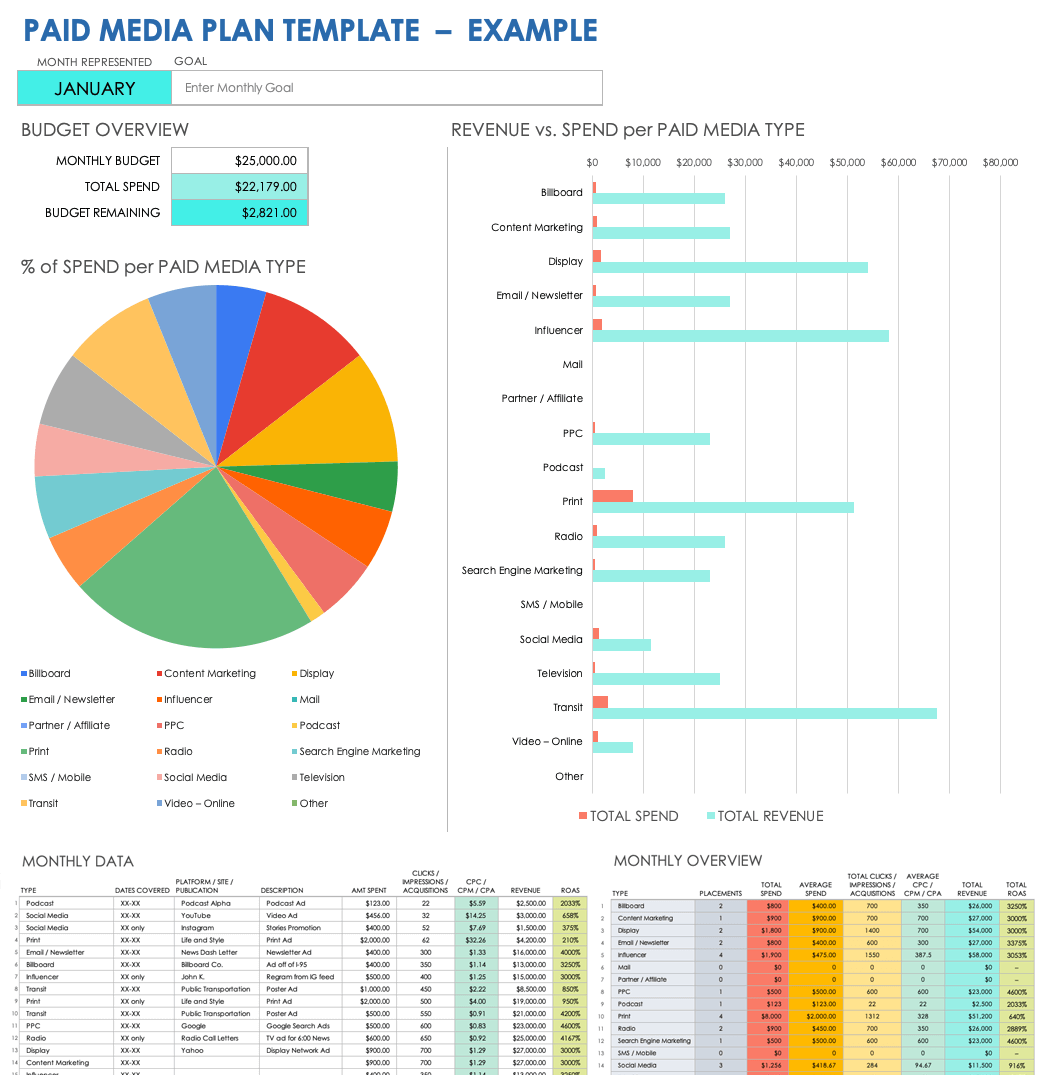
Paid Media Plan Template – Example
Source: Smartsheet

Annual Media Plan Template Example
Source: Smartsheet
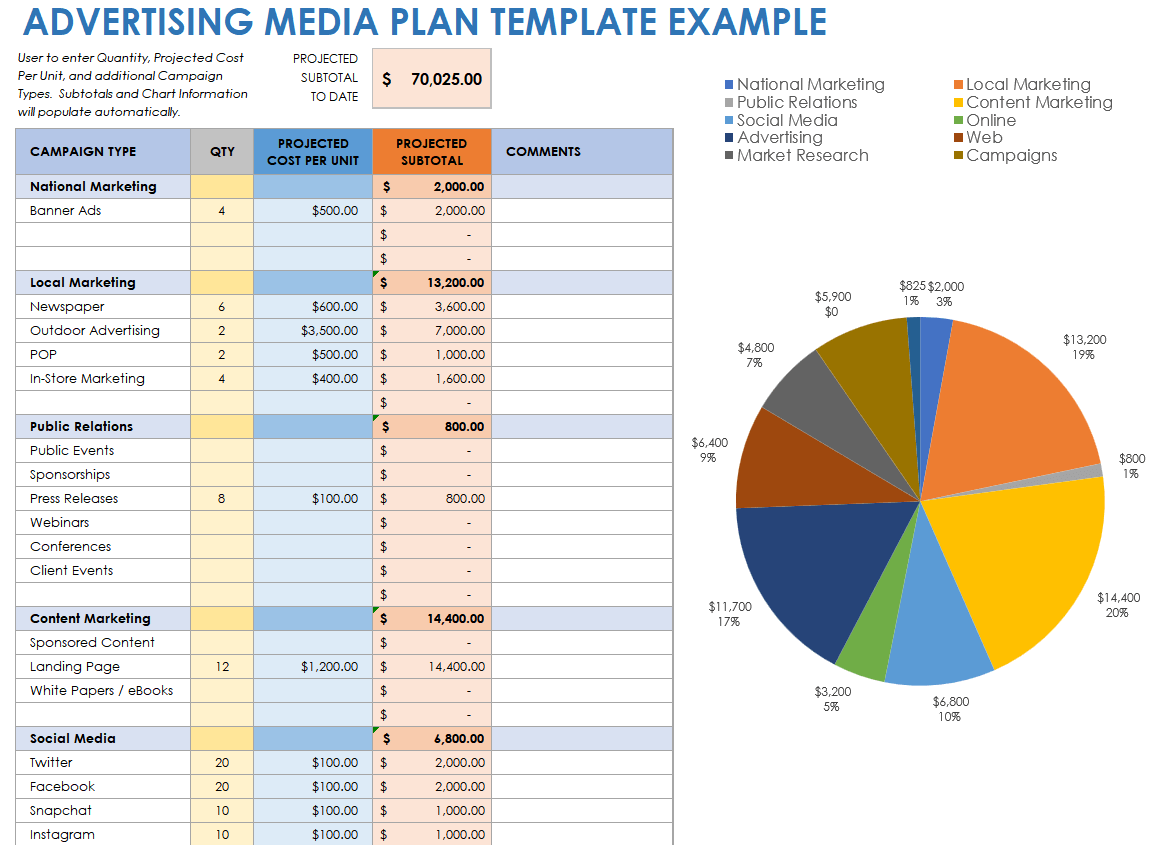
Advertising Media Plan Template Example
Source: Smartsheet

Digital Marketing Media Buying Plan Template Example
Source: Smartsheet

Media Plan Presentation Template Example
Source: Smartsheet

One-Page Media Plan Template Example
Source: Smartsheet
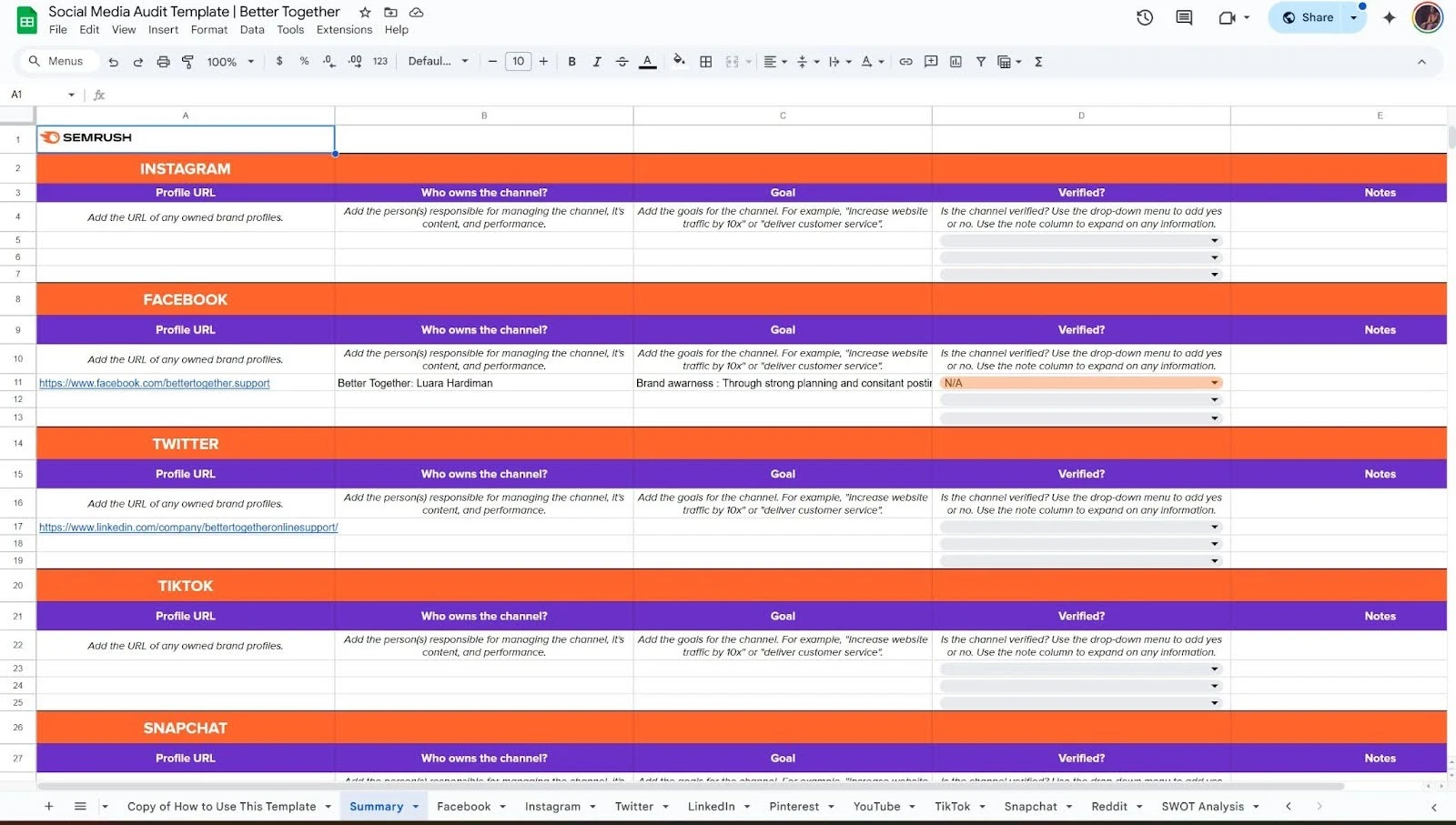
Social Media Audit Template
Source: Statusbrew
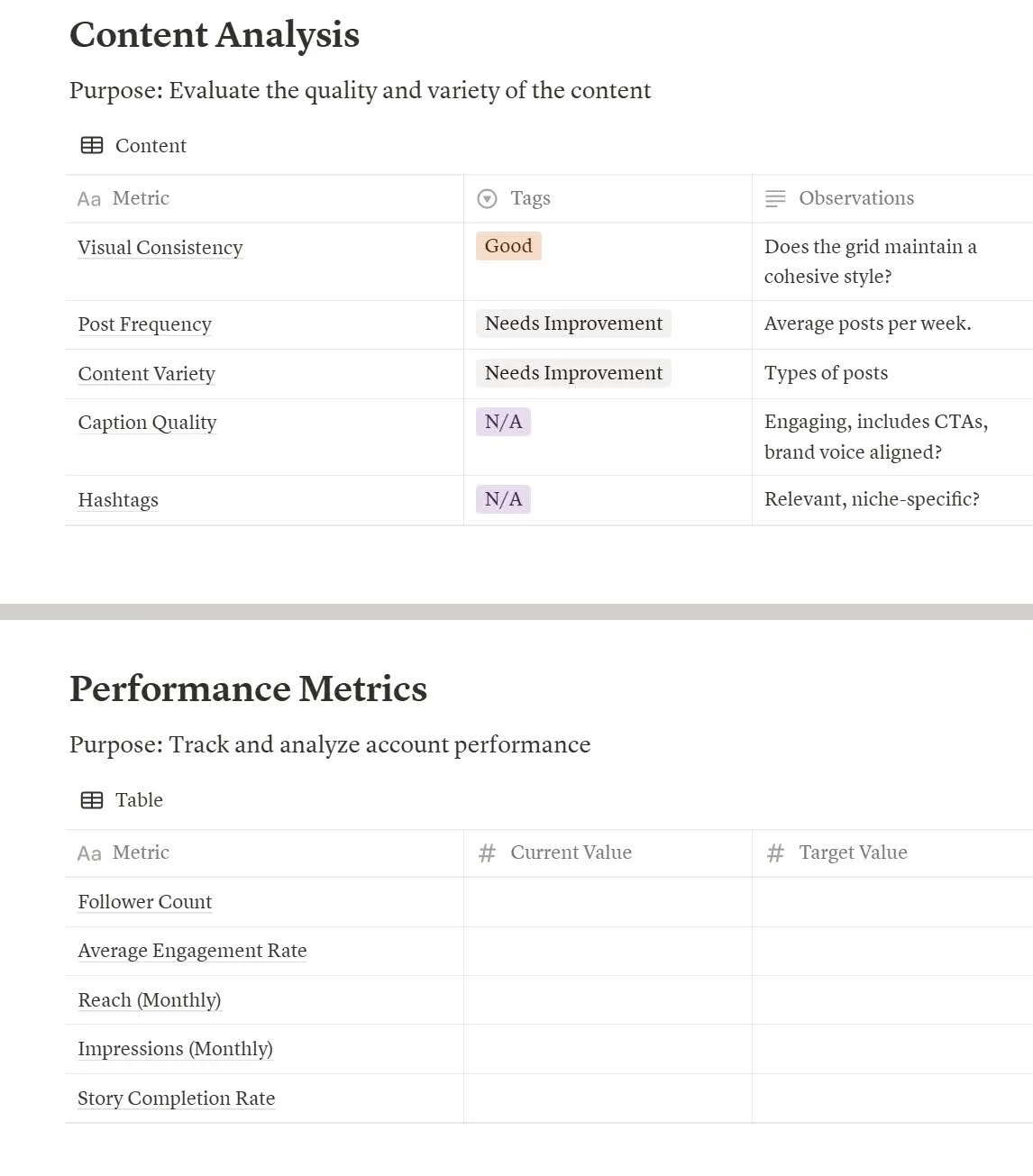
Notion Social Media Audit Template
Source: Statusbrew
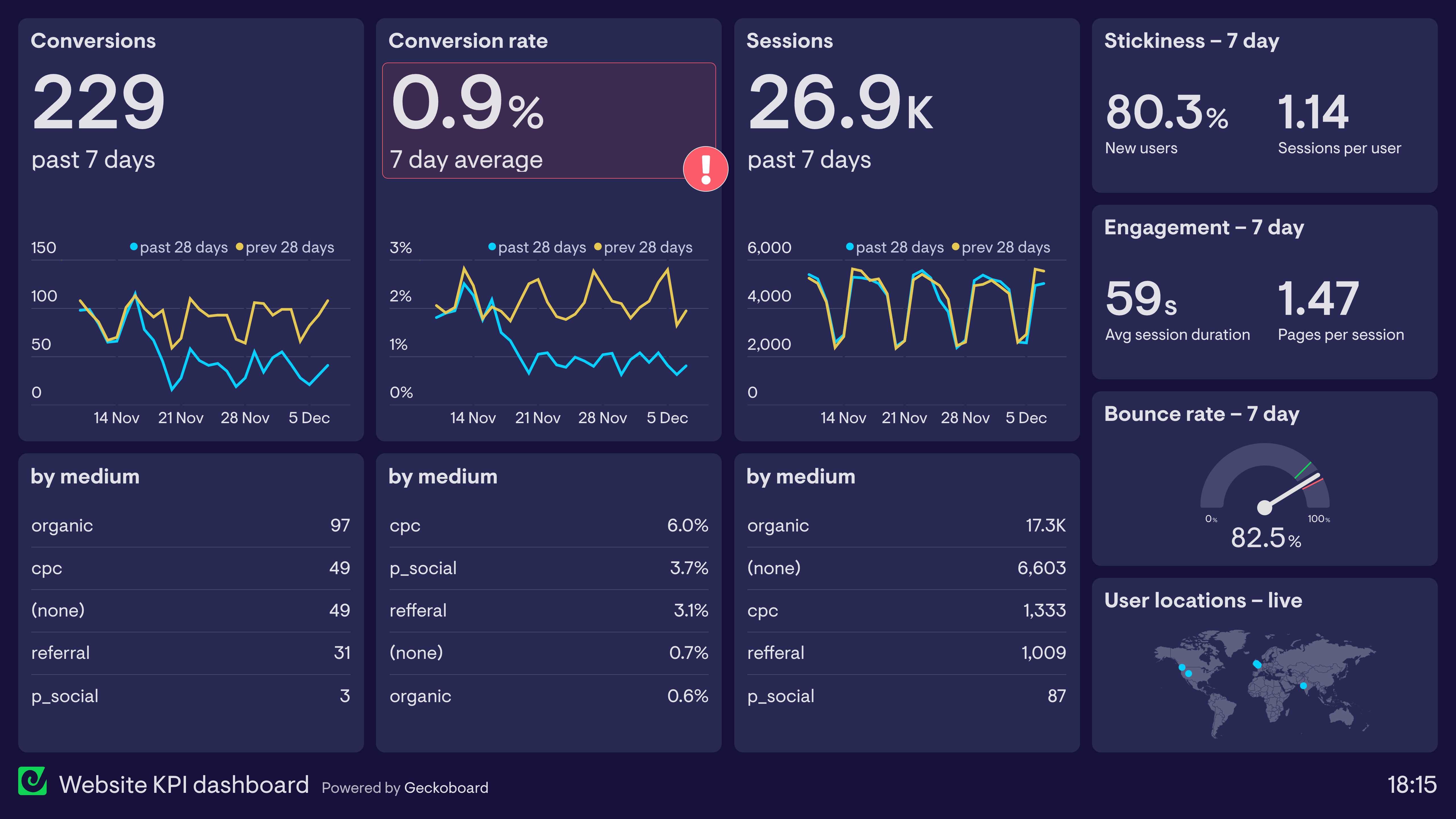
Website KPI Dashboard
Source: Geckoboard
