An it cybersecurity services business Template is best understood as a structured set of business documents that helps a security firm organize its services, communicate value, manage risk, document policies, prepare client proposals, and present its operating model consistently. Searchers using this phrase may be looking for a business plan, service presentation, proposal, policy document, risk register, spreadsheet, or website layout rather than a single universal file. The most useful template therefore starts with the business purpose and then connects commercial planning with cybersecurity governance.
A strong template should make complex security services easier to understand without reducing them to vague marketing language. It can organize services such as security assessments, vulnerability management, incident response planning, security monitoring, policy development, awareness programs, cloud security reviews, and risk management. It should also make clear what the client receives, who is responsible for each activity, how work is measured, and how findings are communicated.
The best structure is modular. A business owner may need a concise presentation for a sales meeting, a detailed proposal for a procurement process, a risk register for internal work, a policy document for governance, and a reporting format for recurring client reviews. Keeping these documents connected allows the same service definitions, risk terminology, responsibilities, and business priorities to remain consistent across the organization.

What an IT cybersecurity services business template should accomplish
The first purpose is clarity. A cybersecurity firm often sells technical work that is difficult for nontechnical decision-makers to evaluate. A well-structured business template translates technical services into recognizable business outcomes such as reduced exposure, stronger governance, better visibility, faster incident coordination, improved documentation, and clearer accountability. This does not mean promising a specific security outcome; instead, it explains the work, scope, assumptions, and expected deliverables.
The second purpose is repeatability. If every proposal, assessment report, policy, and client presentation starts from a blank page, terminology and quality can vary from one engagement to another. A reusable structure establishes standard sections while leaving room for client-specific details. This is especially useful for firms serving several industries because the same underlying workflow can be adjusted for different technologies, risk priorities, contractual conditions, and regulatory environments.
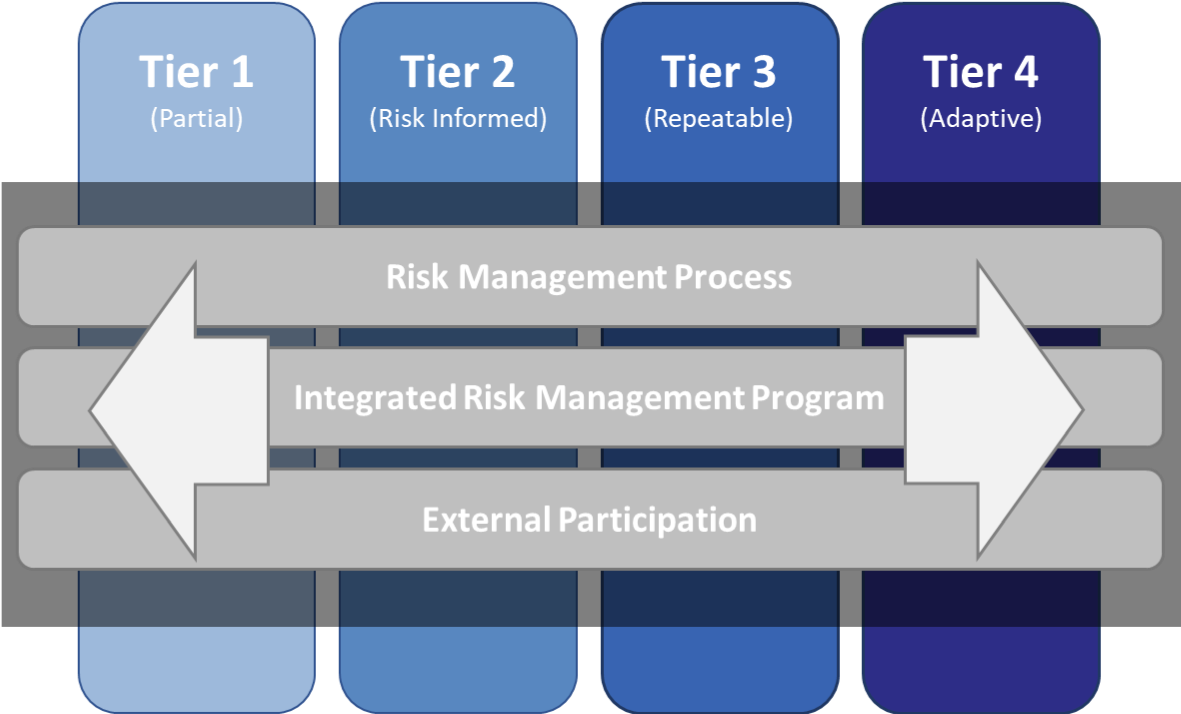
The third purpose is governance. Cybersecurity services are not only about technical controls. They also involve ownership, review dates, risk decisions, escalation procedures, evidence, documentation, and management oversight. NIST Cybersecurity Framework 2.0 organizes cybersecurity outcomes around Govern, Identify, Protect, Detect, Respond, and Recover, making it a useful reference when designing a business documentation system.

Core sections for the business plan
A cybersecurity services business plan should begin with a concise description of the company, its target clients, its service categories, and the problem it intends to solve. The company profile should state whether the firm focuses on consulting, managed security, assessment work, compliance support, incident response, security engineering, training, or a combination of these areas. Avoid listing every possible service if the business cannot realistically deliver each one.
The market section should describe the client segments that the firm is prepared to serve. A small technology company may have different needs from a healthcare provider, professional services firm, manufacturer, retailer, or financial organization. The business plan should connect each target segment to specific security concerns and explain why the firm’s capabilities are relevant. This creates a stronger commercial narrative than simply claiming to provide comprehensive security.
The service model should then explain how engagements are delivered. A useful sequence might include discovery, asset and risk review, assessment, prioritized recommendations, remediation planning, validation, reporting, and recurring review. The exact sequence will vary by service. A penetration testing engagement, for example, should not be described as if it were the same process as managed monitoring or policy development.

Business plan sections worth including
- Company profile: mission, service focus, target client groups, and business positioning.
- Security services: clear descriptions of assessments, consulting, monitoring, response planning, and related work.
- Target market: industries, organization sizes, technology environments, and typical security concerns.
- Delivery model: discovery, assessment, remediation guidance, validation, reporting, and review cycles.
- Sales strategy: referral channels, partnerships, proposals, client education, and relationship management.
- Operational model: roles, quality checks, evidence handling, communication, and escalation.
- Financial planning: service pricing logic, recurring revenue assumptions, staffing costs, and operating expenses.
- Risk management: business risks, delivery risks, technology risks, supplier risks, and continuity planning.
A useful visual business plan should show how these sections relate. The document should not become a collection of unrelated pages. For example, services described in the business plan should use the same terminology used in proposals and client presentations. Financial assumptions should also reflect the actual delivery model. If recurring monitoring is presented as a major revenue stream, the operating section should explain how monitoring responsibilities, staffing, escalation, and reporting will be handled.

Designing the service presentation
A service presentation is usually more concise than a business plan. Its purpose is to help a prospective client understand the firm’s capabilities and decide whether a deeper discussion is worthwhile. The opening slide should therefore establish the security problem and the firm’s service categories rather than beginning with a long list of technical products.
A strong presentation can organize services into several logical groups. One group might cover security assessment and risk management. Another might cover preventive controls and security engineering. A third could cover monitoring and incident response. A fourth could cover governance, policy, training, and compliance support. Grouping services in this way helps buyers understand the relationship between individual offerings.
Case-study pages can also be useful when they are factual and authorized. A case study should distinguish the client’s original problem, the agreed scope, the work performed, and the documented outcome. Hypothetical examples should be labeled as examples. Avoid placing invented percentages, breach reductions, or financial outcomes into a presentation simply because they make a slide look more impressive.

Visual consistency matters because cybersecurity buyers often evaluate credibility before examining technical detail. Consistent typography, terminology, headings, diagrams, and service labels make the document easier to review. The visual style should reinforce the firm’s identity without making the document so decorative that important risk information becomes difficult to read.

For firms preparing several client-facing materials, the phrase it cybersecurity services business template ppt can describe the presentation-oriented part of the documentation system. A presentation should remain focused on communication rather than trying to become the complete operating record. Detailed assumptions, evidence, technical findings, and contractual terms belong in the relevant supporting documents.

Choosing useful document formats
Different formats serve different purposes. The phrase it cybersecurity services business template excel is most useful when the document needs structured rows, scoring, tracking, calculations, or status fields. Typical examples include risk registers, asset inventories, remediation trackers, control testing records, service schedules, and project status registers.
The phrase it cybersecurity services business template google sheets is similarly relevant when multiple authorized users need to maintain a shared register or collaborate on structured operational information. Before using a collaborative spreadsheet, define access permissions, ownership, version history, and rules for sensitive information. A spreadsheet can be convenient, but it should not become an uncontrolled repository for secrets, credentials, or unnecessary personal data.
The phrase it cybersecurity services business template word is more closely associated with narrative documents such as policies, procedures, proposals, statements of work, assessment reports, and business plans. Word-processing formats are useful when the document contains substantial explanatory text, formal headings, approval sections, revision histories, and signatures or acknowledgements.

The phrase it cybersecurity services business template pdf is useful when a finalized document needs consistent pagination and presentation across devices. A PDF is usually better treated as a controlled final version rather than the primary working source. Keep an editable master under controlled ownership and generate the final fixed-layout version after review.
The phrase it cybersecurity services business template google docs can fit collaborative policy writing, proposal drafting, and internal review. The key consideration is not simply the format but the governance around it. Define who can edit, who approves, where the authoritative version resides, how revisions are recorded, and how obsolete copies are handled.

Building a company security policy into the system
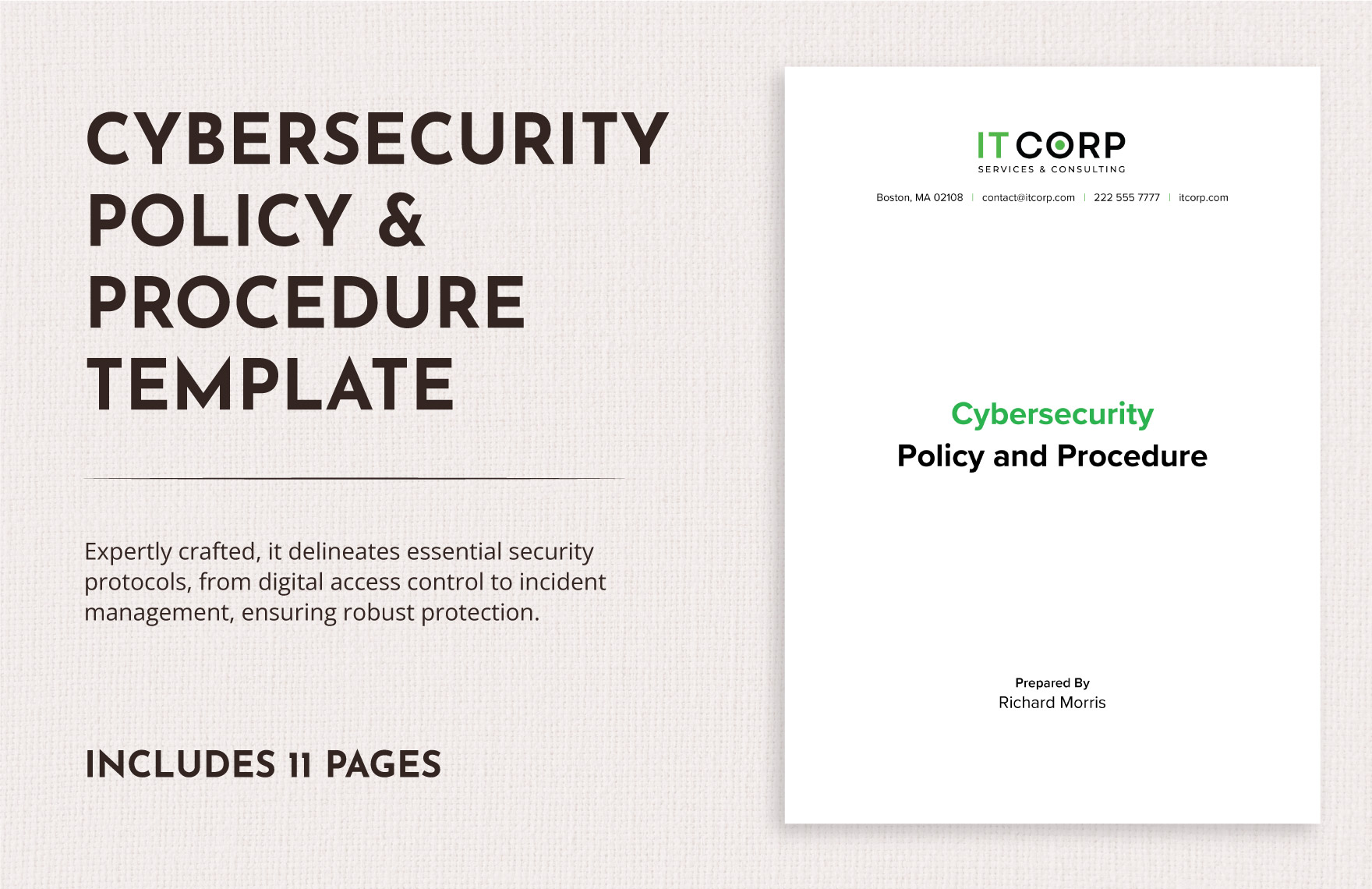
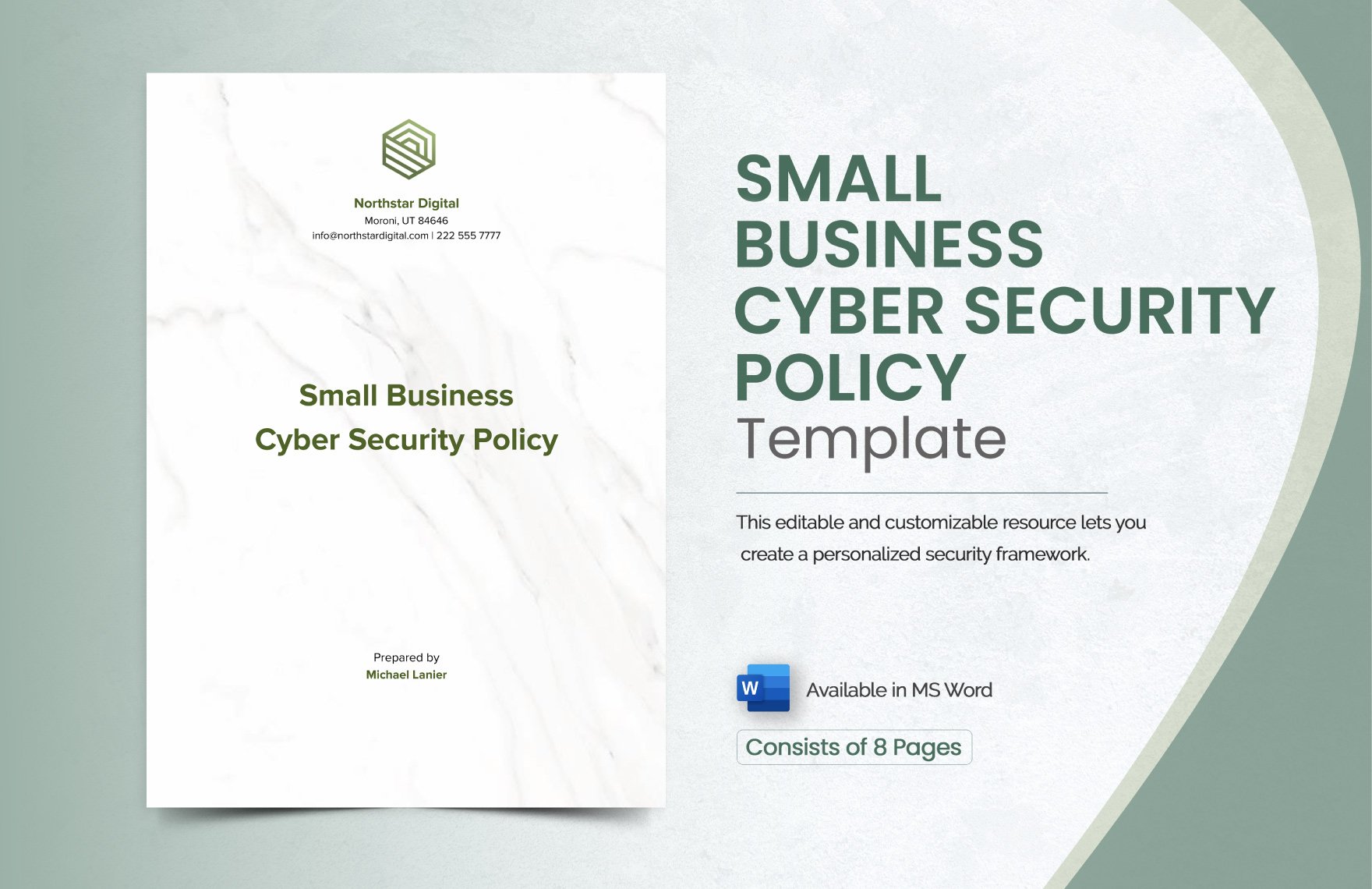
A company cyber security policy template should establish the organization’s security expectations at a level that employees, contractors, leadership, and relevant suppliers can understand. Common areas include access control, password and authentication practices, device security, data handling, remote access, incident reporting, acceptable technology use, backup expectations, and responsibilities.
A policy should identify its owner, approval authority, effective date, review cycle, and scope. These fields turn a generic document into a governed record. The policy should also state who is covered and which systems, information, devices, and services fall within its boundaries. Without clear scope, employees may interpret the policy differently and security teams may struggle to determine which situations require escalation.
Policies should not contain unrealistic requirements that the organization cannot enforce. For example, a policy requiring a particular security control should be reviewed against the organization’s technology, staffing, budget, and operating model. When a requirement cannot yet be implemented, it is better to record the gap and create a remediation plan than to publish a rule that exists only on paper.

A related cyber security program template should go beyond individual policy statements. It can organize the broader governance cycle: leadership direction, asset understanding, risk assessment, control selection, monitoring, incident readiness, training, measurement, and continual improvement. The program should assign ownership so that security tasks do not remain theoretical recommendations.

Risk assessment and control tracking
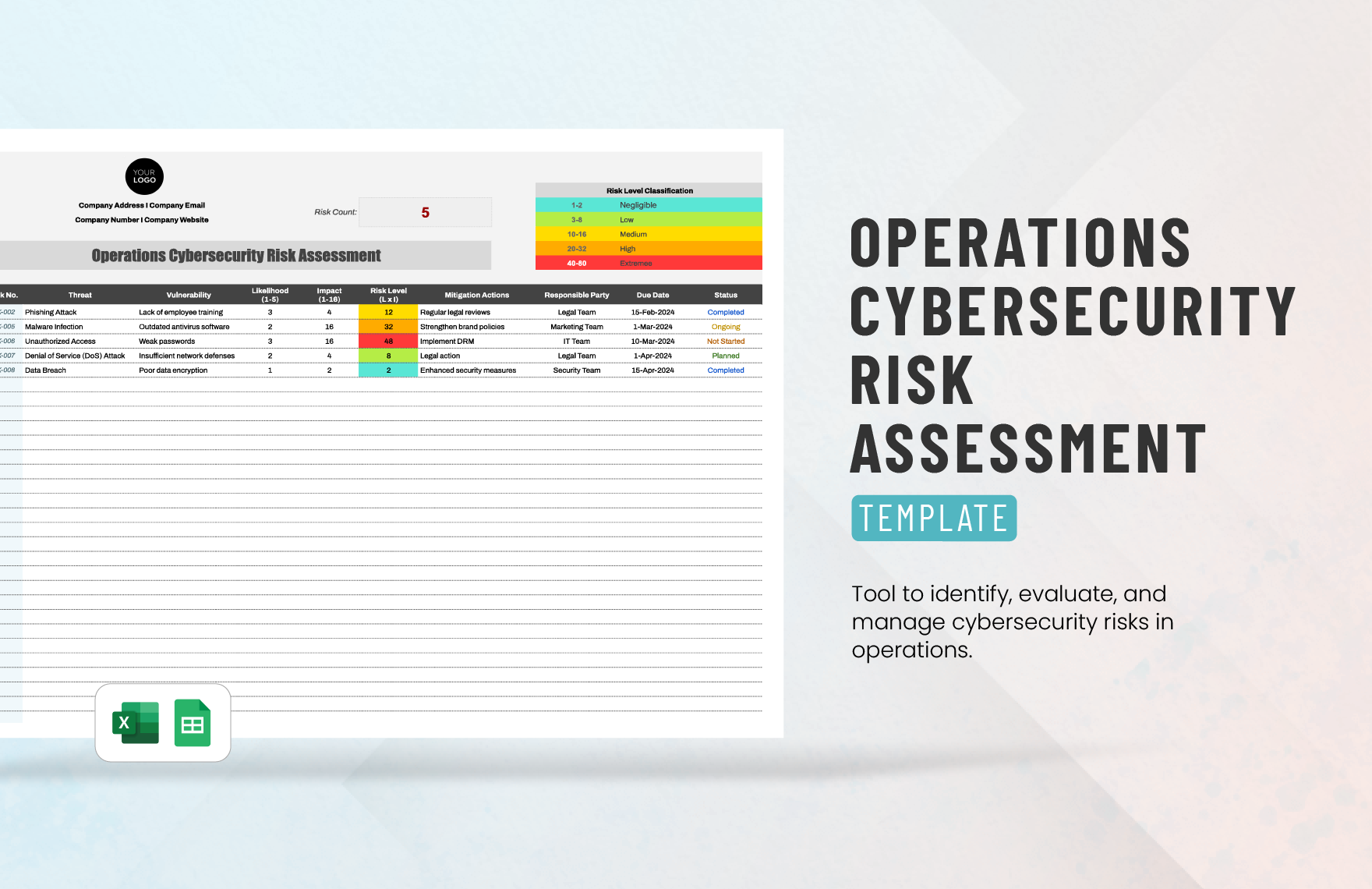
Risk documentation is one of the most practical components of an IT cybersecurity services business template. A risk register can record the asset or business process affected, threat or risk description, existing controls, likelihood, impact, risk rating, treatment decision, owner, due date, and current status. The scoring method should be documented so that different reviewers apply it consistently.
Risk registers should focus on decisions rather than simply collecting technical observations. A vulnerability may be technically serious but have different business implications depending on the affected asset, exposure, compensating controls, data sensitivity, and recovery requirements. The purpose of the register is to help leadership prioritize work based on risk, not merely to produce a long list of security findings.
Control testing adds another layer of evidence. A service provider can record which control was reviewed, what evidence was examined, the test method, the result, exceptions, remediation actions, and the date of the next review. This creates a stronger audit trail than a statement that a control is “implemented” without evidence.
Incident response documentation
An incident response section should define what constitutes an incident, who receives the initial report, how severity is determined, who has authority to make containment decisions, and how evidence and communications are handled. The plan should distinguish technical response tasks from management, legal, communications, customer, and continuity responsibilities.
A useful incident workflow can move from preparation to identification, containment, eradication, recovery, and lessons learned. The exact terminology can vary, but the important feature is that each stage has an owner and an expected output. A template should therefore include role assignments, escalation contacts, decision points, evidence requirements, communication rules, and post-incident review fields.
Testing the plan is as important as writing it. A tabletop exercise can reveal missing contacts, unclear authority, unrealistic recovery assumptions, or gaps in communication. The exercise record can then become part of the cybersecurity services documentation set, creating evidence that the organization reviews and improves its response process.
Supporting small organizations
Cybersecurity services for small business should generally emphasize prioritization rather than overwhelming the client with an enterprise-scale collection of controls. A small organization may first need reliable asset visibility, strong authentication, secure configuration, backups, endpoint protection, patch management, basic logging, staff awareness, vendor review, and an incident reporting process.
A template for a smaller client should therefore be concise enough to maintain. A twenty-page procedure that nobody reviews can be less useful than a focused document that identifies owners, minimum requirements, review dates, and escalation instructions. The goal is to create a working security routine rather than a large document library that quickly becomes outdated.
Service providers can also use tiered documentation. A baseline package may contain an initial risk assessment, policy set, remediation register, and incident plan. A more mature client can add recurring control testing, supplier assessments, security metrics, deeper technical reviews, and structured maturity planning. This allows the service to grow as the client’s security program becomes more mature.
Website structure for a cybersecurity services firm
A cyber security website template should make the firm’s services understandable within a few seconds. A practical structure includes a clear security-focused headline, concise service categories, industries served, methodology, credentials or experience where verified, case studies where authorized, resources, and a clear contact path.
The service pages should describe what the client receives rather than relying on technical buzzwords. A vulnerability assessment page, for example, can explain scope, testing boundaries, evidence, reporting, prioritization, and remediation guidance. A managed monitoring page can explain coverage, alert handling, escalation, reporting, and client responsibilities. This makes the website more useful to buyers who are comparing providers.
Website content should also align with the documents used by the sales team. If the website describes three service packages but the proposal uses different names and scopes, prospects may become uncertain about what is actually being offered. Consistent terminology across the website, presentation, proposal, business plan, and reporting system creates a more credible customer experience.

Practical Solution
Start by creating a single master structure for the business. Define the company’s service categories, target client groups, delivery stages, standard terminology, ownership roles, and document review rules. Then build separate modules for the business plan, service presentation, proposal, policy set, risk register, incident response plan, assessment report, and recurring service report. This prevents each document from developing its own language and priorities.
Next, connect each service to a measurable deliverable. For example, a security assessment might produce a scope record, evidence set, findings register, prioritized remediation list, executive summary, and validation record. A policy engagement might produce approved policies, ownership assignments, review dates, exception records, and awareness guidance. A managed security service might produce recurring security reports, incident records, risk trends, and action tracking. The template should define these outputs before the client engagement begins.
Finally, create a review cycle. Business documents should be reviewed when services change, major technology changes occur, contractual obligations change, or lessons from client work reveal a weakness in the current structure. Security policies and risk records also need defined ownership and review dates. Treat the template as a controlled business system rather than a document that is created once and forgotten.

How to make the template more useful for clients
Use plain language for executive sections and precise terminology for technical sections. A board-level reader needs to understand business exposure, priorities, ownership, and decisions. A technical reader needs scope, evidence, findings, control references, and remediation details. The same engagement can therefore use several connected document layers rather than forcing every reader to work through the same technical material.
Include revision control in important documents. At minimum, record the document name, version, owner, approval date, effective date, and next review date. For risk and remediation records, also record the responsible owner and current status. These simple fields make it much easier to determine which document is authoritative when several copies exist.
Keep sensitive information out of generic marketing templates. A public-facing presentation should not contain client secrets, internal network details, credentials, confidential vulnerability evidence, or unnecessary personal information. Templates should provide placeholders for such information rather than encouraging users to insert sensitive data into reusable master files.

Common mistakes to avoid
One common mistake is making the document visually impressive but operationally vague. A cybersecurity template should help someone make a decision, perform a task, record evidence, or communicate a result. Decorative graphics cannot replace clear scope, ownership, dates, responsibilities, and deliverables.
Another mistake is treating every client as identical. Templates should standardize the structure while allowing the risk context, technology environment, business objectives, and service scope to change. A small professional services firm may require a very different security plan from a larger organization with distributed infrastructure and formal governance teams.
A third mistake is mixing marketing promises with verified service capabilities. Only list certifications, technologies, response times, geographic coverage, regulatory experience, or service commitments that the business can substantiate. A credible template makes limitations visible rather than hiding them.
Using the template across the client lifecycle
The same documentation system can support the full client lifecycle. During discovery, the business presentation explains the firm’s services and the proposal defines scope. During delivery, the risk register, work plan, evidence record, and technical findings provide operational structure. During reporting, the executive summary and remediation tracker translate technical results into business decisions.
After the engagement, recurring reports can track unresolved risks, completed actions, emerging priorities, and changes in the client’s environment. This creates continuity between one engagement and the next. It also gives the client a clearer view of how security work evolves over time rather than treating each assessment as an isolated event.
For firms building a reusable library, organize documents by function rather than by individual client alone. A controlled master library might contain business planning documents, sales materials, proposal structures, policy structures, assessment formats, risk registers, incident plans, and reporting formats. Client-specific copies should then be separated from the master material so that confidential information does not accidentally enter future engagements.

Reference Examples
Reference examples help illustrate what an it cybersecurity services business Template can look like when translated into real business documentation. The examples below cover several related visual patterns: framework diagrams, service proposals, risk maturity models, asset registers, incident response workflows, and cybersecurity planning layouts. They should be treated as visual references rather than universal standards. The right structure depends on the firm’s services, client profile, contractual scope, internal governance, and security objectives.
These visuals are particularly useful when comparing document structure before creating a business template of your own. Look for recurring elements such as clear headings, defined service categories, risk ownership, control stages, document versioning, reporting sections, and practical workflow steps. A good reference should help clarify how information is organized, not encourage copying another organization’s wording or claims. Use the visual ideas as structural inspiration while keeping the actual business content, service descriptions, evidence, and policies specific to the organization using the template.
NIST Cybersecurity Framework Functions
Source: Optiv
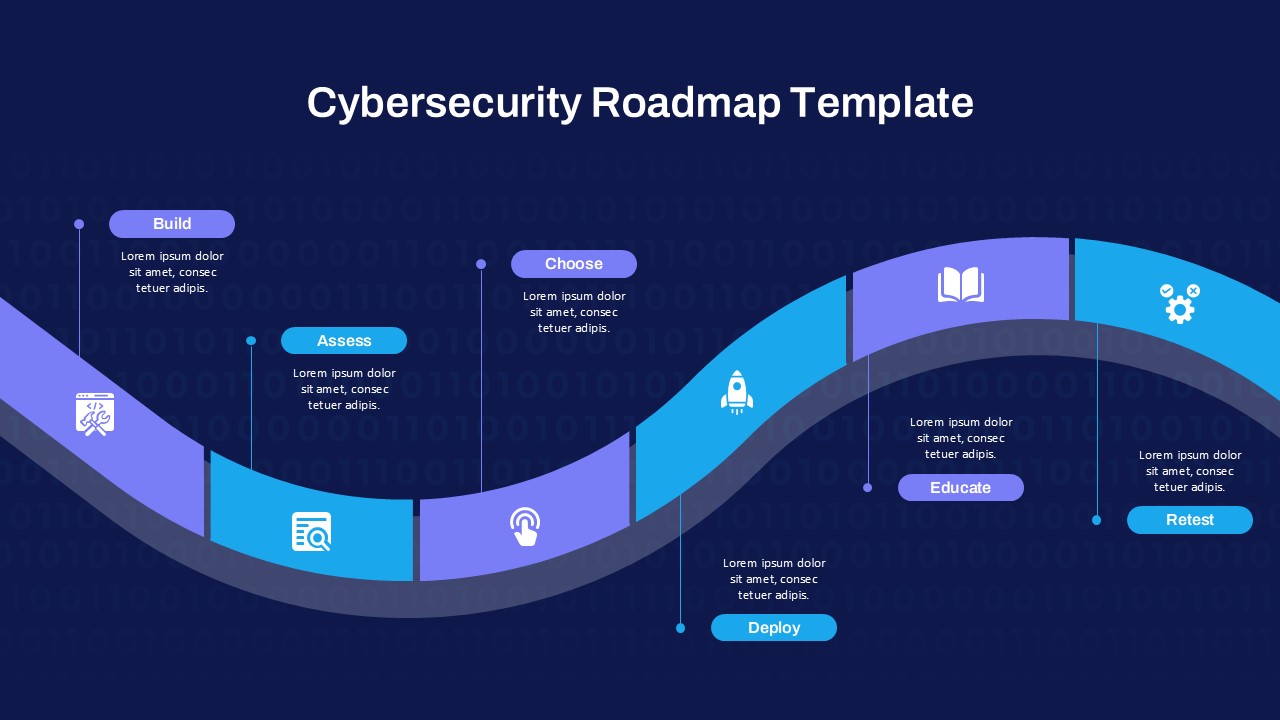
Cybersecurity Roadmap PPT Template
Source: SlideKit
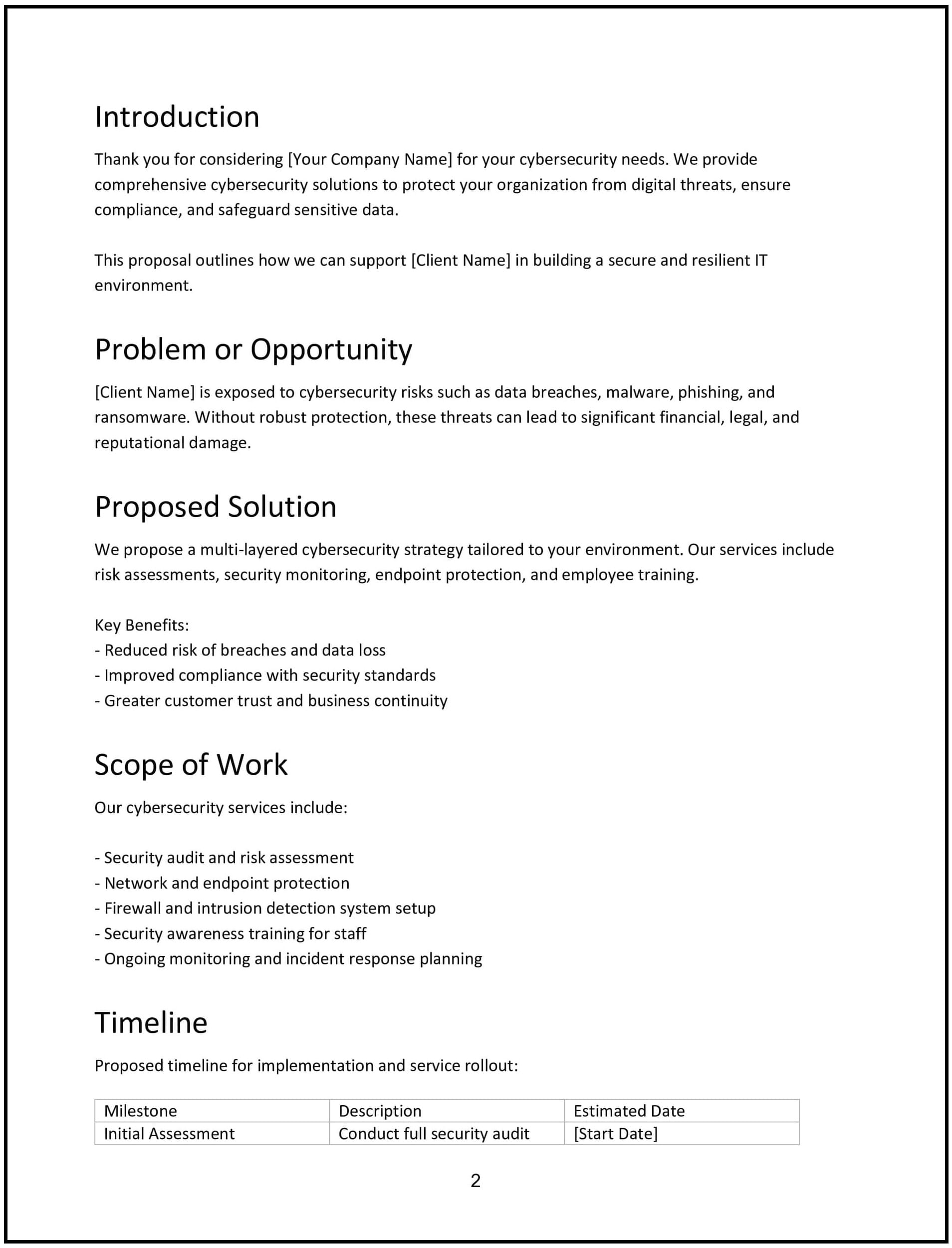
Cybersecurity Services Proposal Template
Source: Cobrief
Zero Trust Architecture
Source: EDUCAUSE Review

NIST CSF Capability Maturity Model Levels
Source: NetSec
IT Asset Management Template Example
Source: AssetLoom
Incident Response Plan Template
Source: LevelBlue
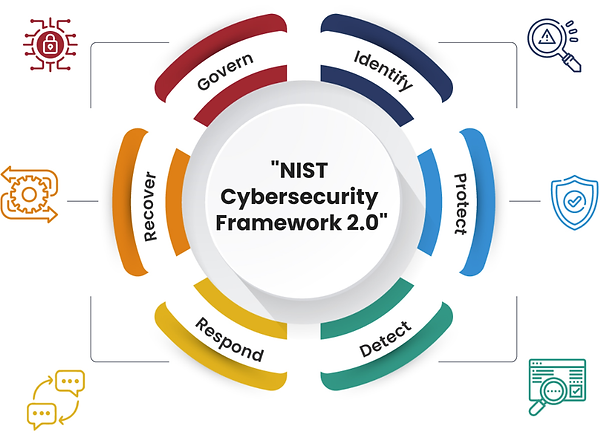
NIST Cybersecurity Framework 2.0 Core Functions
Source: Encircle Technology

NIST Risk Management Framework Overview
Source: ISACA Journal
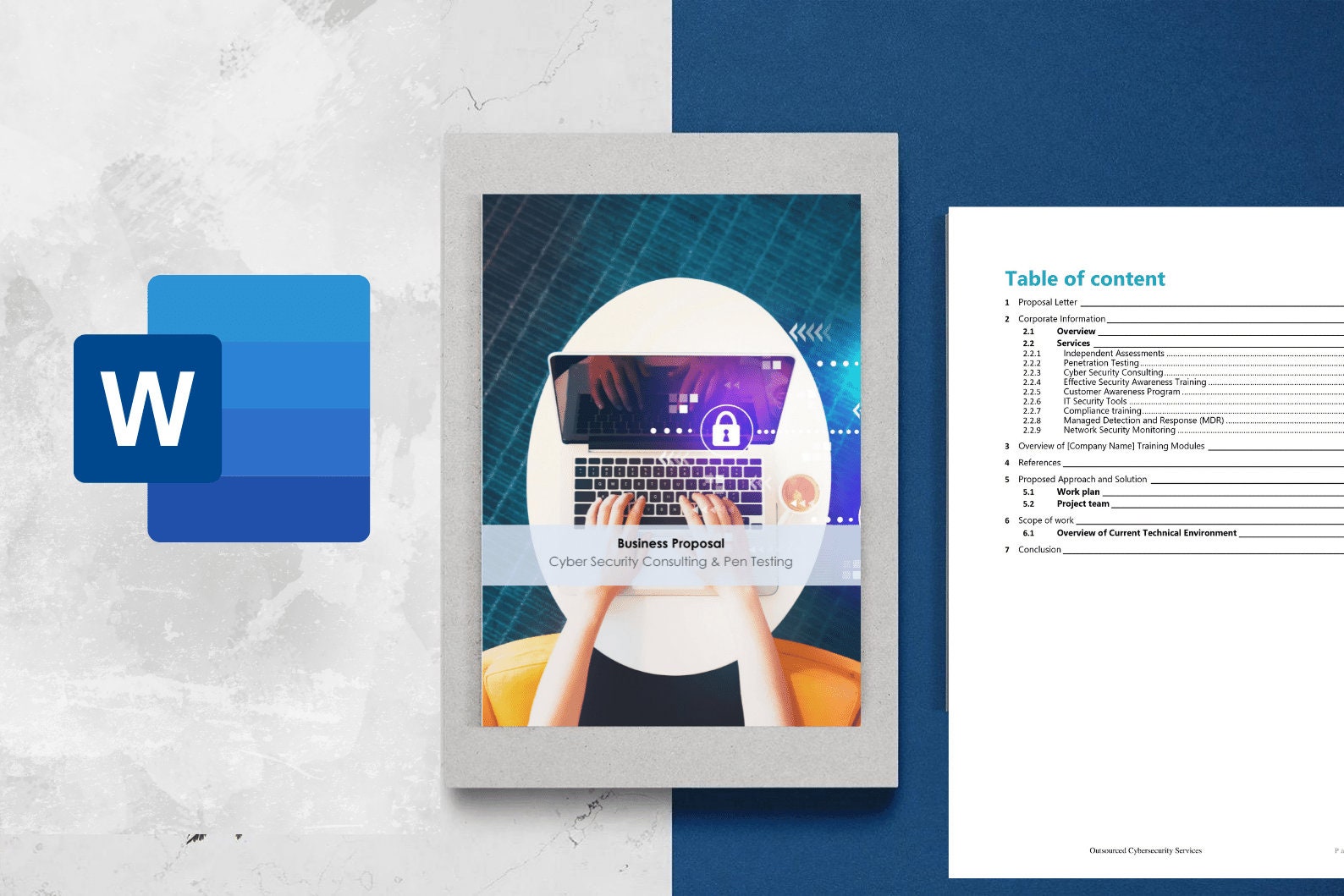
Cyber Security Consulting & Pentesting Services Proposal Template
Source: Etsy
